You are driving your Chevy on a normal day when suddenly a warning appears on the dashboard saying “Service Tire Monitor System”. In that moment, many drivers feel confused and even slightly anxious. Is this a serious problem? Can you continue driving safely? Or is it something minor that can be fixed quickly without spending too much money?
This warning is more common than you might think, especially in modern vehicles from Chevrolet that rely heavily on electronic monitoring systems. The issue is that most drivers do not fully understand what the Chevy Service Tire Monitor System message actually means. Some assume it is just low tire pressure, while others fear it could lead to dangerous driving conditions or expensive repairs.
The reality sits somewhere in between. This warning is not always an emergency, but ignoring it can create real risks over time. It often points to a problem with the Tire Pressure Monitoring System, also known as TPMS, which plays a critical role in keeping your vehicle stable, efficient, and safe on the road.
In this guide, you will learn exactly what the Chevy Service Tire Monitor System means, why it appears, and how to fix it fast without unnecessary stress or cost. By the end, you will have a clear and practical understanding that helps you make the right decision immediately when this warning shows up.
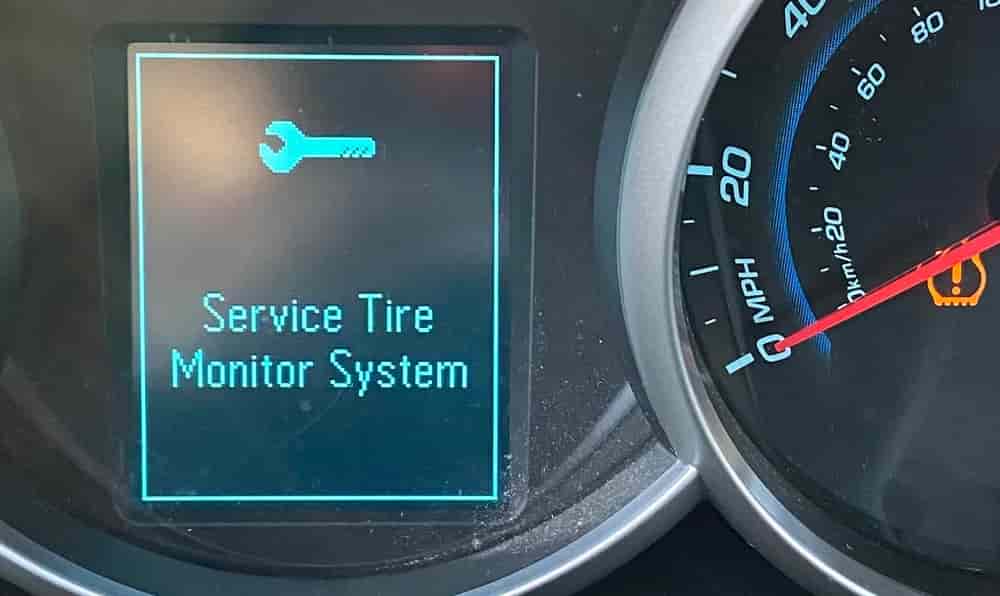
What Does “Chevy Service Tire Monitor System” Mean?
When you see the message “Service Tire Monitor System” on your dashboard, it does not simply mean your tire pressure is low. Many drivers misunderstand this warning and take the wrong action.
This message points to a problem in the Tire Pressure Monitoring System, also known as TPMS. It does not directly indicate a flat or underinflated tire.
In vehicles from Chevrolet, the TPMS tracks the air pressure in each tire using built in sensors. These sensors send data to the vehicle’s computer in real time. When the system works properly, it alerts you only when tire pressure drops below the safe level.
The situation changes when the system cannot read data from one or more sensors. At that point, the vehicle shows the Chevy Service Tire Monitor System warning. This means the system itself has an issue, not necessarily the tires.
You need to clearly distinguish between two warnings. A low tire pressure light tells you to add air to your tires. The Service Tire Monitor System message signals a system fault such as a bad sensor, a dead battery, or a communication problem.
Many drivers only inflate the tires and expect the warning to disappear. This approach often fails because it does not address the real cause. As a result, the warning stays on and the system cannot monitor tire pressure correctly.
This creates a hidden risk. Without a working TPMS, you may not notice dangerous pressure drops in time. Understanding this message helps you react correctly and avoid bigger problems later.
Common Causes of Chevy Service Tire Monitor System Warning
The Chevy Service Tire Monitor System warning can appear for several different reasons, but most cases relate to sensor failure or communication issues inside the system. Understanding the exact cause helps you fix the problem faster and avoid unnecessary repair costs.
One of the most common causes is a faulty TPMS sensor. Each tire has a small sensor that tracks air pressure and sends data to the vehicle’s computer. Over time, these sensors can wear out or get damaged due to road conditions. When a sensor fails, the system cannot receive accurate data, which triggers the warning.
Another frequent issue is a dead sensor battery. TPMS sensors rely on built in batteries that typically last between five and ten years. Once the battery runs out, the sensor stops working completely. This often happens in older vehicles and leads to a sudden system warning.
Tire rotation without performing a relearn procedure can also cause problems. When you rotate your tires, the sensor positions change. If the system does not relearn these positions, it may misread the data and display an error message.
In some cases, the issue comes from signal interference or a faulty control module. External electronic signals or internal system faults can interrupt communication between sensors and the vehicle. Extreme weather conditions can also affect performance, especially in cold temperatures where battery efficiency drops.
By identifying these common causes, you can quickly narrow down the issue and choose the right solution instead of relying on guesswork.
Is It Safe to Drive With This Warning?
You can still drive your vehicle when the Chevy Service Tire Monitor System warning appears, but that does not mean it is safe to ignore. This message tells you that the system responsible for monitoring tire pressure is no longer working correctly. As a result, you lose an important layer of safety while driving.
In vehicles from Chevrolet, the TPMS helps detect pressure drops early. When the system fails, you may not notice a slow leak or underinflated tire. This creates a hidden risk because the car may feel normal until the situation becomes serious.
Driving with incorrect tire pressure can affect handling, braking, and fuel efficiency. Underinflated tires generate more heat and wear out faster. In extreme cases, this can lead to tire failure while driving at high speed. This is where the real danger lies, especially on highways or long trips.
There is also a financial impact. Poor tire pressure increases fuel consumption and shortens tire lifespan. What starts as a small warning can turn into higher costs if you delay fixing it.
The key takeaway is simple. You can drive for a short time, but you should not ignore the warning. Check your tire pressure as soon as possible and inspect the system. Acting early helps you avoid safety risks and prevents more expensive repairs later.
How to Fix Chevy Service Tire Monitor System Fast
Fixing the Chevy Service Tire Monitor System warning does not always require expensive repairs. In many cases, you can resolve the issue quickly if you follow the right steps. The key is to start with simple checks before moving to more advanced solutions.
First, check the tire pressure in all four tires. Use a reliable pressure gauge and compare the results with the recommended levels shown on the driver door sticker. If any tire is underinflated, add air and drive for a few minutes. Sometimes the system resets itself after pressure returns to normal.
If the warning remains, the next step is to reset the TPMS. In many models from Chevrolet, you can do this through the vehicle settings menu or by using a specific button sequence. This process allows the system to recalibrate and clear minor errors.
Another important step is performing a TPMS relearn procedure. This is especially necessary after rotating or replacing tires. The relearn process helps the vehicle identify the correct position of each sensor. Without it, the system may continue to show incorrect warnings.
If these steps do not fix the problem, you should consider checking the sensors themselves. A faulty sensor or a dead battery inside the sensor is a common cause. In this case, replacing the sensor is usually the most effective solution.
Finally, if the issue persists, visiting a professional mechanic is the safest option. They can use diagnostic tools to identify deeper problems such as module failure or signal issues.
By following this step by step approach, you can fix the problem faster and avoid unnecessary costs.
How Much Does It Cost to Fix?
The cost to fix the Chevy Service Tire Monitor System warning can vary depending on the root cause. The good news is that not every case requires expensive repairs. In many situations, you can solve the issue with little or no cost if you act early.
If the problem comes from low tire pressure or a minor system glitch, you may not need to spend anything. A simple pressure check or a system reset often solves the issue. This is why it is always smart to start with basic steps before assuming the worst.
However, if a TPMS sensor fails, the cost will increase. On average, replacing a single sensor costs between 50 and 150 dollars. Labor costs usually add another 20 to 50 dollars per wheel. If multiple sensors fail at the same time, the total cost can rise quickly.
Battery failure inside the sensor is another common issue. Since most sensors have sealed batteries, you cannot replace the battery alone. You will need to replace the entire sensor, which adds to the expense.
There is also a difference between doing it yourself and visiting a repair shop. If you have the right tools and knowledge, you can save money by handling simple resets or relearn procedures at home. On the other hand, professional diagnostics ensure accuracy and save time, especially for complex issues.
Understanding these costs helps you make better decisions. Instead of reacting with panic, you can choose the most efficient and cost effective solution based on the actual problem.
How to Prevent TPMS Issues in the Future
Preventing the Chevy Service Tire Monitor System warning is easier than fixing it after it appears. Most problems come from neglecting basic tire maintenance or ignoring system updates. A few simple habits can help you avoid unnecessary warnings and keep the system working properly for a long time.
First, check your tire pressure regularly. Doing this once every two to four weeks helps you catch small pressure drops before they become serious. It also reduces stress on the TPMS sensors and improves overall driving safety.
Second, always reset or relearn the system after rotating or replacing tires. In vehicles from Chevrolet, the TPMS needs to recognize the new position of each sensor. If you skip this step, the system may display incorrect warnings even when everything is working fine.
Third, avoid ignoring early warning signs. If the system shows occasional alerts, do not assume it is a temporary glitch. Repeated warnings often indicate that a sensor is weakening or nearing failure.
Fourth, consider sensor lifespan. TPMS sensors typically last between five and ten years. After that, battery failure becomes more likely. Replacing old sensors proactively can prevent sudden system errors.
Finally, maintain your tires properly. Avoid driving on severely underinflated tires or hitting potholes at high speed, as this can damage sensors inside the wheels.
By following these simple practices, you can reduce the risk of TPMS failures and keep your monitoring system accurate and reliable over time.
Conclusion
The Chevy Service Tire Monitor System warning may look serious at first, but in most cases it is a manageable issue once you understand how it works. It does not always mean your tires are unsafe, but it does indicate that your monitoring system is not functioning correctly. This is important because the system plays a key role in helping you detect tire pressure problems early.
As explained throughout this guide, the warning can come from several causes such as faulty sensors, dead sensor batteries, incorrect relearn procedures after tire rotation, or communication issues within the system. Each cause has a different level of complexity, but many of them can be resolved quickly with basic checks and simple resets.
In vehicles from Chevrolet, the TPMS is designed to improve safety and driving efficiency. When it stops working properly, you lose an important layer of protection. That is why it is always better to address the issue early instead of ignoring it.
The most important takeaway is that you should start with simple solutions first. Check tire pressure, reset the system, and perform a relearn procedure when needed. If the warning continues, then sensor replacement or professional diagnosis may be required.
By understanding the meaning, causes, and fixes of this warning, you can handle it confidently without stress. More importantly, you can keep your vehicle safe, efficient, and ready for the road at all times.