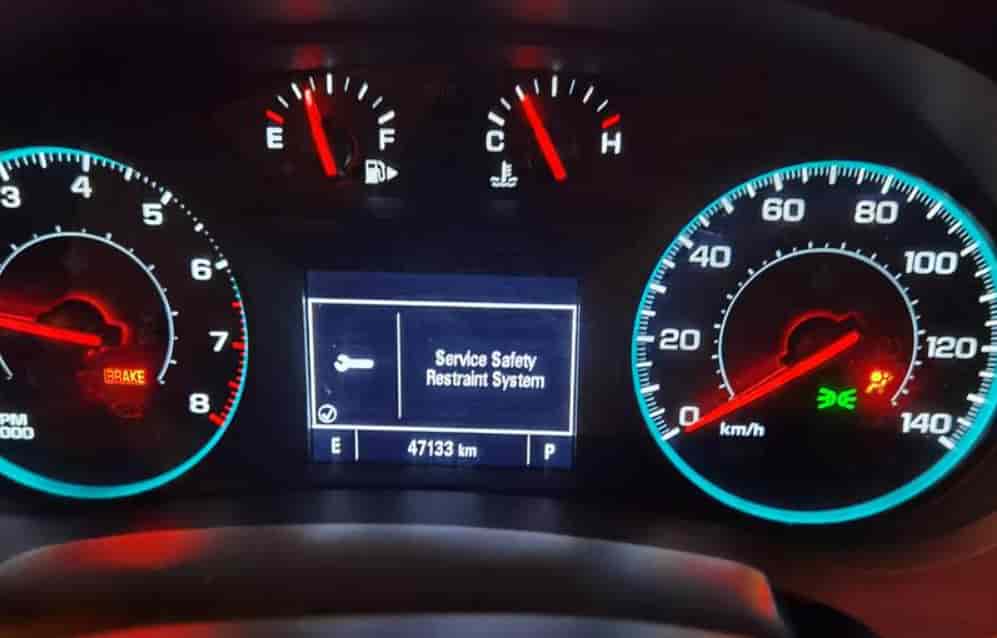
The Chevy Service Safety Restraint System warning can confuse many drivers. It often appears suddenly on the dashboard of a Chevrolet vehicle. This message relates directly to the airbag and crash protection system. Because of that, most drivers feel worried when they see it.
The Safety Restraint System, also called SRS, protects passengers during a crash. It controls airbags, seatbelt tensioners, and crash sensors. When the system detects a problem, it sends a warning to the driver. This means one or more safety components may not work correctly in an accident.
In many cases, small issues trigger this warning. A loose wire under the seat can activate it. A weak battery can also cause it. Even seat adjustments may affect the sensors. The system reacts very quickly to any electrical change.
This warning does not always mean the car is unsafe to drive immediately. However, it does mean the safety system may not fully protect you in a crash. That is why you should never ignore it.
In this guide, you will learn what the Chevy Service Safety Restraint System means. You will also see the main causes and the correct ways to fix it. The goal is to help you understand the problem clearly and avoid unnecessary repair costs.
What is the Chevy Safety Restraint System
The Safety Restraint System, also known as SRS, is a core safety feature in modern vehicles. It is designed to protect passengers during a collision. In Chevrolet vehicles, this system works together with airbags and seatbelt components to reduce injury risk.
The system includes several key parts. It has front and side airbags that deploy during impact. It also uses seatbelt pretensioners that tighten the belt instantly in a crash. Crash sensors detect sudden impact forces and send signals to the control module. The SRS module then decides when to activate safety responses.
The system constantly monitors itself while the car is running. It checks electrical signals from sensors and airbags. If it detects any abnormal value, it sends a warning message to the dashboard. This is when the “Service Safety Restraint System” alert appears.
The SRS does not work alone. It connects with the vehicle’s main electronic control system. This allows it to respond within milliseconds during an accident. Speed is critical because airbags must deploy at the exact moment of impact.
Even small faults can affect the system. A loose connector or damaged wire can interrupt communication. A weak sensor can also send incorrect signals. When this happens, the system activates a warning to protect the driver and passengers.
The Safety Restraint System is one of the most important safety technologies in a vehicle. It acts as a backup protection layer when a crash happens. Without it, airbags and seatbelts cannot function at their full potential.
What the “Service Safety Restraint System” Warning Means
The “Service Safety Restraint System” warning is an alert that appears on the dashboard when the airbag system detects a fault. In a Chevrolet vehicle, this message means the Safety Restraint System is not working as expected.
This warning is directly linked to the SRS system. It covers airbags, seatbelt tensioners, and crash sensors. When one part fails or sends abnormal data, the system triggers the alert. The goal is to inform the driver that the safety protection may be reduced.
In some cases, the issue comes from a simple electrical fault. A weak battery or unstable voltage can trigger the warning. In other cases, the problem comes from damaged sensors or loose wiring. Even small disruptions can activate the system because it is very sensitive.
When this warning appears, the airbag system may not function fully during a crash. Some airbags may not deploy at the correct time. Seatbelt tensioners may also fail to tighten properly. This increases risk during an accident.
The warning does not always mean a major failure. Sometimes the system detects a temporary glitch. However, the system keeps the warning active until the issue is checked and cleared.
Drivers should not ignore this message. It is a direct signal that the vehicle’s safety system needs inspection. Early diagnosis helps avoid more serious problems and higher repair costs later.
Common Causes of the Warning Light
The “Service Safety Restraint System” warning in a Chevrolet vehicle can appear for many different reasons. Most of them are related to sensors, wiring, or electrical stability inside the car. Understanding the root causes helps you diagnose the issue faster and avoid unnecessary repairs.
One of the most common causes is a faulty seat sensor. Modern seats contain occupancy sensors that detect passengers. When these sensors fail or lose connection, the system cannot read correct data and triggers a warning.
Another frequent issue is loose or damaged wiring under the seats. These wires move every time you adjust the seat position. Over time, they can disconnect or wear out. Even a slightly loose connector can activate the SRS warning.
A weak car battery can also cause this problem. The Safety Restraint System is very sensitive to voltage changes. When power drops below a stable level, the system may misread signals and turn on the warning light.
Faulty crash sensors are another possible cause. These sensors detect impact forces. If they send incorrect data or stop working, the system immediately alerts the driver.
In some cases, the airbag control module itself develops internal errors. This is less common but more serious. It usually requires professional diagnosis and replacement.
Previous minor accidents can also trigger the warning. Even if airbags did not deploy, the system may store crash data and stay in alert mode until reset.
Each of these issues can activate the same warning light. That is why proper diagnosis is important before replacing any parts.
Model Specific Issues in Chevrolet Vehicles
The “Service Safety Restraint System” warning does not appear for the same reason on every vehicle. Different models of Chevrolet often have their own common weak points in the Safety Restraint System. Knowing these patterns helps you narrow down the cause faster.
In the Chevrolet Cruze, the most common issue comes from wiring under the front seats. The seat is adjusted frequently, which puts stress on the connectors. Over time, the wires loosen or break. This leads to false signals in the SRS system and triggers the warning light.
In the Chevrolet Malibu, the problem often relates to the airbag control module. This module can develop internal communication errors. When this happens, the system cannot process sensor data correctly. The warning appears even if all physical components look fine.
In the Chevrolet Silverado, crash sensors at the front of the vehicle are more commonly affected. Dirt, moisture, or vibration can reduce sensor accuracy. When the sensor sends unstable data, the system activates the safety warning.
Some newer Chevrolet models also experience issues after battery replacement. The system may reset incorrectly and temporarily trigger the SRS alert. In many cases, this resolves after a proper system scan and reset.
Each model has different weak points, but the logic behind the warning remains the same. The system reacts to any signal inconsistency in airbags, sensors, or wiring. That is why model specific diagnosis is important instead of guessing the cause.
How to Diagnose the Issue Using an OBD2 Scanner
When the “Service Safety Restraint System” warning appears in a Chevrolet vehicle, the most effective way to find the cause is by using an OBD2 scanner. This tool reads error codes stored in the vehicle’s SRS system. It helps identify which part is failing instead of guessing.
The first step is to connect the OBD2 scanner to the diagnostic port. This port is usually located under the dashboard near the driver’s seat. Once connected, turn on the ignition without starting the engine. The scanner will then communicate with the vehicle’s control modules.
Next, you should select the airbag or SRS system on the scanner menu. The tool will display specific trouble codes. Each code represents a different issue, such as a faulty seat sensor, wiring problem, or crash sensor failure.
After reading the codes, record them carefully. These codes guide the repair process. For example, a seat occupancy error usually points to wiring under the seat. A communication error may indicate a problem with the SRS control module.
Some scanners also allow you to clear the error codes. However, clearing the code without fixing the root cause will not solve the problem. The warning will likely return after a short time.
If multiple codes appear, it may indicate a deeper electrical issue. In that case, professional diagnosis is recommended. Advanced tools can test sensors in real time and confirm which component is failing.
Proper diagnosis is important because the SRS system is safety critical. Replacing parts without checking codes can lead to unnecessary cost and incorrect repairs.
How to Fix the Chevy Safety Restraint System Error
Fixing the “Service Safety Restraint System” warning in a Chevrolet vehicle depends on the exact cause. After you diagnose the problem with an OBD2 scanner, you can apply the correct repair method instead of guessing.
One simple fix is checking the wiring under the front seats. Many SRS errors come from loose or disconnected plugs. You should move the seat carefully and inspect all connectors. If a wire is loose, reconnect it firmly and make sure it locks in place.
Another common fix is cleaning and securing electrical contacts. Dust or corrosion can interrupt signals between sensors and the control module. Cleaning the connectors with proper electronic cleaner can restore stable communication.
If the issue comes from a weak battery, replacing or fully charging the battery may solve the problem. The Safety Restraint System is very sensitive to voltage drops, so stable power is important.
In some cases, you need to replace a faulty seat sensor or crash sensor. These parts cannot be repaired and must be installed correctly to restore system accuracy. After replacement, the system usually needs a reset using a diagnostic tool.
You can also reset the SRS system using an OBD2 scanner after fixing the issue. This clears stored error codes and turns off the warning light. However, the reset only works if the root problem is already solved.
If the airbag control module is damaged, professional repair or replacement is required. This is a more complex issue and should not be handled without proper tools and experience.
It is important to avoid random part replacement. The SRS system is safety critical, so incorrect repairs can affect airbag deployment during a crash. Proper diagnosis always comes first, then targeted repair.
Can You Drive With the Warning On
When the “Service Safety Restraint System” warning appears in a Chevrolet vehicle, many drivers wonder if it is still safe to drive. The answer depends on the condition of the system, but in most cases, you should treat it as a serious safety alert.
The Safety Restraint System controls airbags and seatbelt tensioners. These systems protect you during a crash. When the warning is active, one or more of these components may not work correctly. This means the protection level of the vehicle can be reduced.
In some situations, the car will still drive normally. You may not feel any difference in engine performance or steering. However, the risk appears only during an accident. If the system is not fully functional, airbags may not deploy or may deploy incorrectly.
Short distance driving is sometimes possible if necessary. For example, you can drive to a repair shop or diagnostic center. However, you should avoid long trips or high speed driving until the issue is fixed.
If the warning comes from a minor electrical glitch, the system may still function partially. Even so, there is no guarantee that all safety components will respond properly in a crash situation.
Ignoring this warning for a long time is not recommended. The longer the system stays unfixed, the higher the risk becomes. Even a small fault in wiring or sensors can affect the entire airbag system.
For safety reasons, it is always better to diagnose and repair the issue as soon as possible instead of continuing to drive without checking the system.
Repair Cost Estimation
The cost to fix a “Service Safety Restraint System” warning in a Chevrolet vehicle can vary widely. It depends on the exact cause of the problem, the model of the car, and the labor rates at the repair shop.
If the issue comes from a simple wiring connection under the seat, the repair cost is usually low. In many cases, a technician only needs to reconnect or secure the wire. This type of repair is often the cheapest option.
If a seat occupancy sensor fails, the cost increases. The part itself is not very expensive, but labor can take time because the seat must be removed and reinstalled. This makes the total cost moderate.
When the problem comes from a crash sensor or airbag sensor, the price becomes higher. These components are more advanced and must be installed carefully. Incorrect installation can affect the entire safety system.
The most expensive case involves the airbag control module. This part manages the entire Safety Restraint System. If it fails, replacement and programming are required. This process needs specialized tools and trained technicians, which increases the total cost significantly.
Diagnostic fees also add to the total repair cost. Many workshops charge a separate fee to scan SRS error codes and identify the root cause. This step is important before any repair begins.
Overall, small electrical issues can be fixed at a low cost, while sensor or module failures can become expensive. That is why early diagnosis is important. It helps prevent minor issues from turning into major repairs.
Prevention and Maintenance Tips
Preventing the “Service Safety Restraint System” warning in a Chevrolet vehicle is easier and cheaper than repairing it. Most issues come from small electrical problems, sensor wear, or improper handling of seat and wiring components.
One important habit is to avoid putting pressure on wires under the seats. These wires connect directly to the Safety Restraint System. When you move the seat too often or force it backward or forward, the connectors can loosen. This leads to false signals and system errors.
You should also keep the car battery in good condition. The SRS system depends on stable voltage. A weak or unstable battery can trigger warning lights even when no physical damage exists. Regular battery checks help prevent this issue.
Another key step is to avoid modifying seats or interior wiring without proper knowledge. Aftermarket seat installation can interfere with airbag sensors and occupancy detection systems. Even small changes can disrupt the SRS communication network.
Regular diagnostic checks also help detect early problems. A quick OBD2 scan during maintenance can identify hidden error codes before they become serious. This allows you to fix small issues before they affect the whole system.
Keeping connectors clean is also useful. Dust, moisture, or corrosion can reduce signal quality. A clean and dry connection helps maintain stable communication between sensors and the control module.
Proper maintenance of the Safety Restraint System ensures long term safety. It also reduces the chance of unexpected warning lights and expensive repairs. Most importantly, it helps keep the airbag system ready to protect you when needed.
Conclusion
The Chevy Service Safety Restraint System warning is a critical alert that should never be ignored. It indicates that the airbag and safety protection system in your Chevrolet vehicle may not function correctly.
In many cases, the problem comes from simple issues like loose wiring, weak sensors, or low battery voltage. However, more serious faults can involve crash sensors or the airbag control module. That is why proper diagnosis is always important before attempting any repair.
Understanding the meaning of this warning helps you avoid unnecessary stress and repair costs. It also helps you make better decisions about when to drive and when to stop the vehicle for inspection.
The key takeaway is simple. The Safety Restraint System is directly linked to your safety in a crash. Even if the car feels normal while driving, the real risk appears during an accident when airbags and seatbelts must perform correctly.
If the warning appears, early action is the best approach. Diagnose the issue, fix the root cause, and reset the system properly. This ensures your vehicle remains safe and fully functional on the road.