Chevrolet owners often deal with a frustrating issue. The cabin temperature stops responding correctly. Sometimes they also hear clicking sounds behind the dashboard. In many cases, the real problem is not the air conditioning system. The cause is usually a small component called the blend door actuator.
This part controls how hot or cold air moves inside the vehicle. It plays an important role in the HVAC system. Chevrolet uses it in many models, including Chevrolet Silverado, Chevrolet Tahoe, and Chevrolet Malibu. However, the location is not the same in every model.
This creates confusion for many vehicle owners. The blend door actuator may sit behind the glove box in some models. In others, it sits under the dashboard or near the HVAC housing. The exact position depends on the model year and platform design.
This guide helps you solve that problem in a simple and practical way. You will learn the exact Chevy blend door actuator location across different models. You will also understand how it affects heating and cooling performance. In addition, you will learn how to recognize failure symptoms before replacing any parts.
This information helps you avoid unnecessary repairs. It also reduces diagnostic time. Most importantly, it helps you understand your Chevrolet HVAC system in a clear and structured way.
By the end of this guide, you will know exactly where to find the blend door actuator in Chevrolet vehicles. You will also know how to approach troubleshooting with confidence and accuracy.
WHAT IS A CHEVY BLEND DOOR ACTUATOR AND HOW IT WORKS
The blend door actuator is a small electric motor inside the vehicle’s HVAC system. It controls the position of the blend door. This blend door decides how much hot or cold air enters the cabin. The system uses signals from the temperature control unit inside the dashboard.
When you adjust the temperature dial or digital climate control, the actuator responds immediately. It rotates a small gear mechanism. This movement shifts the blend door inside the air distribution box. As a result, the system mixes warm air from the heater core with cool air from the air conditioning system.
In Chevrolet vehicles such as Chevrolet Silverado, Chevrolet Tahoe, and Chevrolet Malibu, the HVAC system depends heavily on this actuator. When it works correctly, the cabin temperature stays stable and matches the setting you choose. When it fails, the system loses control of air mixing. This leads to incorrect temperature output or no temperature change at all.
The actuator does not work alone. It connects with other HVAC components such as the blower motor, heater core, and air conditioning evaporator. Together, these parts regulate airflow and temperature inside the cabin. If one part fails, the system becomes unbalanced.
A failing blend door actuator often creates mechanical stress inside the HVAC box. This is why drivers sometimes hear clicking or ticking sounds behind the dashboard. These sounds come from stripped gears inside the actuator motor.
Understanding how this component works is important before you attempt any repair. It helps you avoid replacing the wrong parts and reduces unnecessary cost and labor.
CHEVY BLEND DOOR ACTUATOR LOCATION BY VEHICLE MODEL
The location of the Chevy blend door actuator varies across different Chevrolet models and production years. Chevrolet does not use a single universal design for all vehicles, so the actuator position depends on the HVAC layout of each model. Because of this, identifying the correct vehicle model is the first step before attempting any inspection or repair.
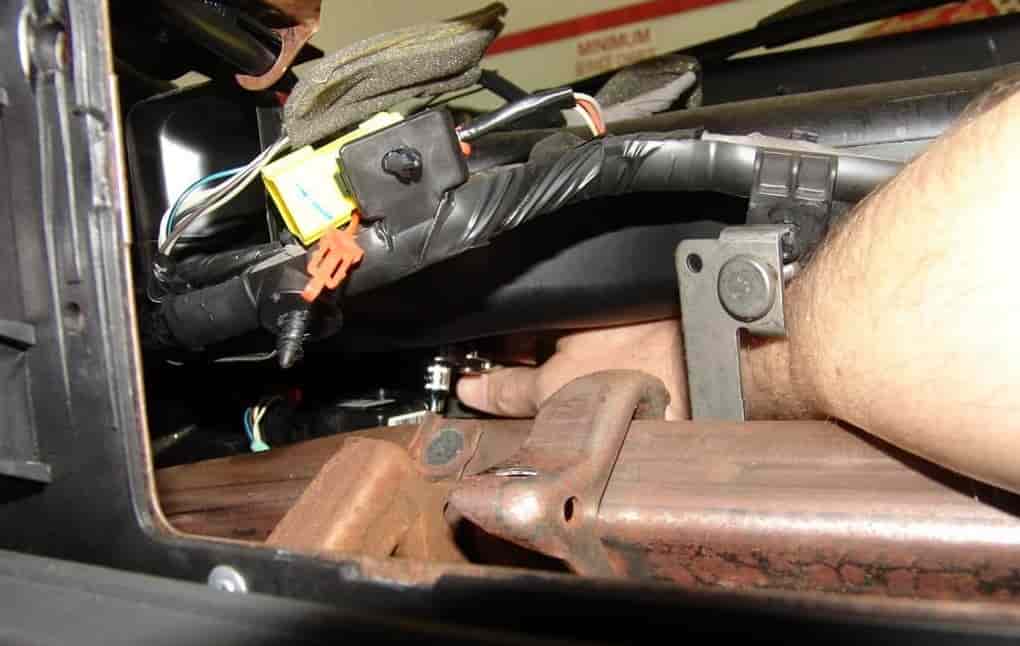
In Chevrolet Silverado models, the blend door actuator is typically located behind the dashboard on the passenger side. It is positioned close to the HVAC housing, which controls airflow distribution inside the cabin. In many cases, you can reach it by removing the glove box, but some model years require partial dashboard disassembly. The actuator sits relatively deep inside the dashboard structure, which makes access more difficult compared to smaller vehicles. Proper lighting and basic hand tools are usually needed to locate and remove it safely.
In Chevrolet Tahoe models, the actuator is also placed behind the lower dashboard area, often near the glove compartment. Depending on the model year, access may require removing trim panels or sections of the dash. Some Tahoe versions include a rear HVAC system, and this system may have an additional actuator dedicated to rear airflow control. This increases the number of components that may need inspection when temperature issues occur.
In Chevrolet Malibu vehicles, the blend door actuator is generally easier to access. It is commonly located behind the center console or passenger side dashboard. Most Malibu models allow access through the glove box opening without deep disassembly, which reduces repair time and complexity.
Other Chevrolet models such as Equinox, Suburban, and Impala follow similar HVAC design principles, but the exact actuator location can still vary depending on configuration and climate control system type.
SYMPTOMS OF A BAD CHEVY BLEND DOOR ACTUATOR
A failing Chevy blend door actuator usually shows clear warning signs before it stops working completely. One of the most common symptoms is inconsistent cabin temperature. The air may blow hot when you set it to cold or stay cold when you expect heat. This happens because the actuator can no longer move the blend door correctly inside the HVAC system.
Another frequent sign is a clicking or ticking noise coming from behind the dashboard. This sound often repeats when you adjust the temperature or start the vehicle. It comes from worn or stripped gears inside the actuator motor. In Chevrolet models like Chevrolet Silverado, Chevrolet Tahoe, and Chevrolet Malibu, this noise is one of the earliest indicators of failure.
You may also notice weak or uneven airflow from the vents. The system may get stuck in one airflow mode, such as defrost only or floor vents only. This happens when the actuator fails to respond to control signals from the climate control unit. As a result, the HVAC system loses proper direction control.
In some cases, the temperature control system may stop responding completely. When you change settings on the dashboard, nothing happens inside the cabin. The actuator fails to rotate, so the blend door remains in a fixed position. This creates discomfort, especially in extreme weather conditions.
These symptoms often develop slowly over time. Many drivers confuse them with compressor issues or refrigerant problems. However, the blend door actuator is usually the real cause when airflow direction or temperature control becomes inconsistent. Identifying these signs early helps avoid unnecessary repairs and reduces diagnostic costs.
HOW TO DIAGNOSE A CHEVY BLEND DOOR ACTUATOR PROBLEM
Diagnosing a Chevy blend door actuator problem requires a simple but structured approach. You should not rush into replacing parts before confirming the real cause. Many HVAC issues look similar, so proper testing helps avoid unnecessary repair costs.
Start by testing the temperature control inside the cabin. Turn the dial from cold to hot and observe the airflow response. If the air temperature does not change or reacts very slowly, the actuator may be failing. In Chevrolet models like Chevrolet Silverado, Chevrolet Tahoe, and Chevrolet Malibu, this is often the first clear indicator of a problem inside the HVAC system.
Next, listen carefully for clicking or ticking sounds behind the dashboard. These sounds usually appear when the actuator gears are worn or stripped. You may hear them when you start the vehicle or adjust the temperature settings. The sound often repeats in cycles because the actuator keeps trying to find its position but fails to complete the movement.
You can also test airflow direction from different vents. Switch between face, floor, and defrost modes. If the air stays stuck in one direction, the actuator may not be responding to control signals. This confirms that the blend door is not moving correctly inside the HVAC housing.
For a more accurate diagnosis, some vehicles allow scanning with an OBD tool. HVAC-related error codes can help confirm actuator failure or communication issues. However, not all Chevrolet models provide detailed HVAC codes, so manual testing is still important.
A proper diagnosis helps you separate blend door actuator failure from other HVAC issues like blower motor problems or refrigerant loss. This step ensures you repair the correct component and avoid wasting time on unnecessary replacements.
REPLACEMENT OVERVIEW AND DIFFICULTY LEVEL
Replacing a Chevy blend door actuator is a task that ranges from moderate to difficult depending on the vehicle model. Chevrolet designs each HVAC system differently, so the access point and labor effort can vary significantly between Chevrolet Silverado, Chevrolet Tahoe, and Chevrolet Malibu.
In most cases, the actuator sits behind the dashboard or near the HVAC housing. This means you often need to remove interior panels or the glove box before reaching the part. In some Silverado and Tahoe models, the actuator is positioned deeper inside the dashboard, which increases the complexity of the repair. Malibu models are usually easier because the actuator is more accessible from the passenger side without major disassembly.
The replacement process typically starts with disconnecting the vehicle battery for safety. Next, you remove the necessary trim panels to expose the HVAC housing. Once you locate the actuator, you disconnect the electrical connector and remove the mounting screws. After that, you install the new actuator in the same position and secure it properly before reconnecting the wiring.
After installation, some Chevrolet vehicles may require recalibration of the HVAC system. This step ensures the blend door moves correctly and aligns with the new actuator. Without calibration, the system may continue to show incorrect temperature behavior even after replacement.
The difficulty level depends mainly on dashboard design and access space. Trucks and SUVs tend to require more labor time, while sedans are usually faster to repair. For beginners, this job can take several hours due to tight space and hidden fasteners inside the dashboard.
Understanding the replacement overview helps you decide whether to perform the repair yourself or seek professional service. It also helps you prepare the right tools and avoid damage to interior components during disassembly.
COST TO REPLACE A CHEVY BLEND DOOR ACTUATOR
The cost to replace a Chevy blend door actuator depends on the vehicle model, labor rate, and whether you choose DIY repair or professional service. In most Chevrolet vehicles such as Chevrolet Silverado, Chevrolet Tahoe, and Chevrolet Malibu, the total cost can vary widely because access to the actuator is not the same across all models.
If you choose a DIY replacement, the cost is usually lower. A new blend door actuator part typically ranges from affordable aftermarket options to higher-priced OEM components. The main expense is the part itself and basic tools if you do not already own them. DIY repair can significantly reduce total cost, but it requires time, patience, and careful handling of dashboard components.
Professional repair costs are higher because of labor charges. Mechanics often charge based on the complexity of dashboard access. In vehicles like Silverado and Tahoe, labor time increases because the actuator is deeper inside the dashboard. This can raise the total repair cost even if the part itself is inexpensive. Malibu models usually cost less to repair because access is simpler and faster.
In addition to labor and parts, some shops may include diagnostic fees. These fees cover system testing to confirm that the blend door actuator is the actual cause of the HVAC problem. This step helps avoid unnecessary replacement of other components.
Overall, DIY repair offers cost savings but requires technical effort. Professional service provides convenience and accuracy but comes at a higher price. Understanding both options helps you choose the right approach based on your skill level and budget.
COMMON MISTAKES WHEN REPLACING A CHEVY BLEND DOOR ACTUATOR
Many Chevrolet owners try to replace a blend door actuator on their own and run into avoidable problems. These mistakes often lead to wasted time, higher repair costs, or even damage to the HVAC system. This is especially common in vehicles like Chevrolet Silverado, Chevrolet Tahoe, and Chevrolet Malibu, where dashboard access can be limited and confusing.
One of the most common mistakes is installing the wrong actuator type. Chevrolet uses different actuator designs depending on the model year and HVAC configuration. If the replacement part does not match the original specification, the system will not function correctly. This often results in the same temperature problems even after installation.
Another frequent issue is incorrect alignment during installation. The blend door and actuator must be perfectly synchronized. If the actuator is installed without proper alignment, the HVAC system may produce incorrect airflow or fail to adjust temperature. This problem usually appears immediately after reassembly.
Many people also forget to recalibrate the HVAC system after replacement. Some Chevrolet models require a reset procedure so the actuator can learn its movement range. Without this step, the system may continue to behave incorrectly even though the new part is working properly.
Physical damage during disassembly is another common mistake. Dashboard panels and clips are often fragile. Applying too much force can break interior components, increasing repair costs beyond the actuator replacement itself.
Finally, some users misdiagnose the problem and replace the actuator when the real issue comes from another HVAC component. This leads to unnecessary repairs and does not solve the temperature or airflow issue.
Avoiding these mistakes helps ensure a successful repair and restores proper HVAC performance more efficiently.
PREVENTIVE MAINTENANCE TIPS FOR THE CHEVY HVAC SYSTEM
Maintaining the HVAC system in Chevrolet vehicles helps extend the life of components like the blend door actuator. It also improves cabin comfort and reduces the risk of unexpected failures. This is especially important for models such as Chevrolet Silverado, Chevrolet Tahoe, and Chevrolet Malibu, where HVAC systems work under different load conditions depending on vehicle size and usage.
One of the most effective maintenance steps is to use the temperature control system regularly. Avoid leaving the HVAC settings fixed in one position for long periods. Moving the temperature from cold to hot occasionally helps keep the blend door and actuator mechanism active and reduces the chance of mechanical sticking.
It is also important to pay attention to early warning signs. If you notice clicking sounds behind the dashboard or inconsistent airflow, address the issue early. Ignoring these symptoms often leads to full actuator failure and more expensive repairs later.
Keeping the cabin air filter clean also supports HVAC performance. A clogged filter restricts airflow and forces the system to work harder. This added stress can indirectly affect actuator performance over time.
You should also avoid forcing HVAC controls when they feel unresponsive. Applying pressure or repeatedly changing settings can damage internal gears inside the actuator. Instead, allow the system to complete its adjustment cycle before making another change.
Finally, regular vehicle inspections help detect small issues before they become major problems. A quick HVAC system check during routine maintenance can identify early actuator wear and prevent sudden failures.
Proper maintenance does not eliminate wear completely, but it significantly reduces the risk of blend door actuator problems and helps keep the Chevrolet HVAC system operating smoothly for a longer period.
CONCLUSION
Understanding the Chevy blend door actuator location is essential for anyone dealing with heating or cooling problems in Chevrolet vehicles. This component plays a key role in controlling how air moves through the HVAC system. When it fails, the entire cabin comfort level is affected, even if the air conditioning or heater system itself is still working properly.
Across different models such as Chevrolet Silverado, Chevrolet Tahoe, and Chevrolet Malibu, the actuator location is not the same. Some vehicles place it behind the glove box, while others require access deeper inside the dashboard. This variation often creates confusion and leads to unnecessary disassembly or misdiagnosis. Knowing the exact location for your specific model helps you save time and avoid unnecessary repair work.
The symptoms of a failing actuator are usually clear when you know what to look for. Clicking noises, inconsistent temperature control, and limited airflow direction are strong indicators of a problem. Proper diagnosis is important before replacing any parts, because similar symptoms can also come from other HVAC components.
Replacement can range from simple to complex depending on vehicle design. Some models allow quick access, while others require significant dashboard removal. Cost and difficulty increase with more complex layouts, especially in larger trucks and SUVs.
By combining correct diagnosis, model-specific location knowledge, and proper maintenance habits, you can significantly reduce HVAC system issues in Chevrolet vehicles. Regular attention to early warning signs also helps prevent expensive repairs and improves long-term system reliability.
If you understand how the blend door actuator works and where it is located, you gain full control over one of the most important comfort systems in your vehicle.