The air conditioning system in a Chevrolet Cruze keeps the cabin comfortable during hot weather. When it fails, drivers notice the problem immediately. Many owners search for Chevy Cruze air conditioning not working because the issue often appears without warning.
This problem can show different symptoms. Some drivers feel weak airflow. Others get warm air instead of cold air. In some cases, the system stops working completely. These symptoms can confuse many drivers because the root cause is not always clear.
The AC system uses several connected parts. It includes the compressor, refrigerant lines, sensors, and electrical controls. Each part plays a specific role in cooling the air. When one part fails, the whole system can stop working properly.
Most failures come from a few common issues. Low refrigerant often reduces cooling performance. A bad compressor can stop cooling completely. Electrical problems like blown fuses or faulty relays can also disable the system. Sensor errors can shut down the AC for safety reasons.
Many drivers try random repairs without understanding the real cause. This often leads to wasted money and repeated failures. A proper diagnostic process helps avoid this problem. It allows you to identify the exact failure point before replacing any parts.
This guide shows you a structured way to diagnose the issue. You will learn how each system component works and how to test them step by step. This approach helps you save time and avoid unnecessary repair costs. It also helps you decide when you can fix the issue yourself and when you need a mechanic.
By the end of this guide, you will clearly understand why your Chevy Cruze AC stopped working and how to fix it correctly.
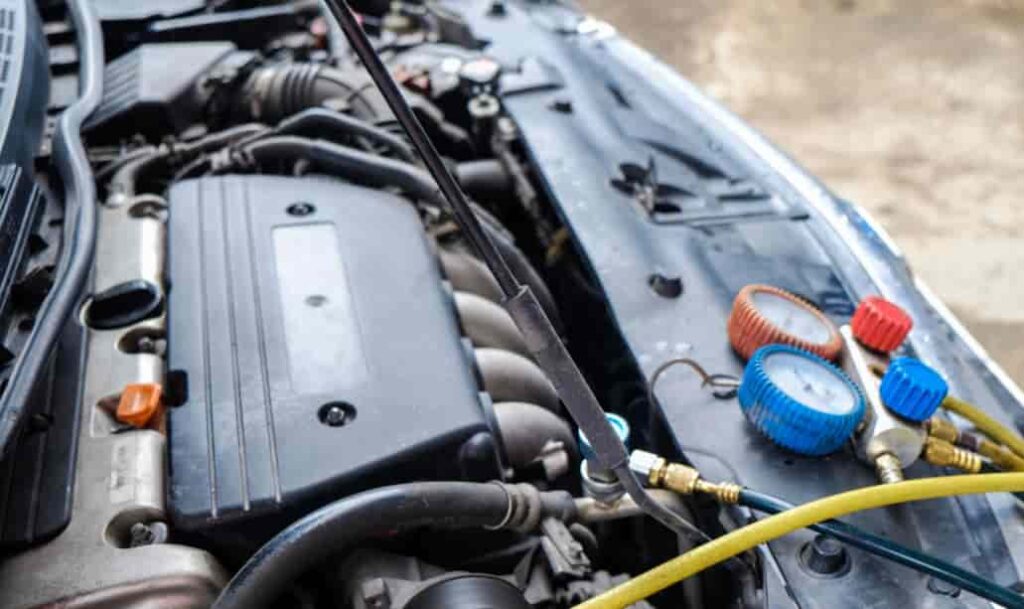
How the Chevy Cruze Air Conditioning System Works
To diagnose the issue correctly, you need to understand how the AC system operates in a Chevrolet Cruze. The system follows a closed loop that moves refrigerant through several components. Each component affects cooling performance directly.
The compressor starts the cooling process. It compresses low pressure refrigerant gas into a high pressure state. This step allows the refrigerant to carry heat out of the cabin. If the compressor fails, the system cannot produce cold air.
The refrigerant then flows into the condenser. The condenser removes heat from the refrigerant. Air passing through the condenser helps release this heat into the outside environment. This step prepares the refrigerant for cooling the cabin air.
Next, the refrigerant moves through the expansion valve. This valve reduces pressure and lowers the temperature of the refrigerant. The cold refrigerant then enters the evaporator.
Inside the evaporator, cabin air passes over cold refrigerant coils. The system absorbs heat from the air and sends cooled air back into the cabin. This process creates the cooling effect you feel inside the car.
The HVAC system also depends on electrical components. Fuses, relays, sensors, and the control module manage system activation. If any electrical component fails, the AC system may stop working even if mechanical parts are still in good condition.
Airflow depends on the blower motor. The blower pushes air through the evaporator and into the cabin. If the blower motor weakens or stops, you may feel no airflow even when the AC system is running.
Understanding this system helps you diagnose problems more accurately. Instead of guessing, you can trace the issue step by step through each component. This approach reduces repair time and prevents unnecessary part replacement.
Most Common Causes of Chevy Cruze Air Conditioning Not Working
When the air conditioning system stops working in a Chevrolet Cruze, the issue usually comes from a small number of predictable failures. Understanding these causes helps you avoid guessing and allows you to focus on the real problem inside the system.
One of the most common causes is low or leaking refrigerant. The AC system depends on a sealed refrigerant cycle to produce cold air. When refrigerant levels drop due to leaks in hoses, seals, or connections, the system loses its ability to absorb heat. As a result, the air coming from the vents becomes weak or warm instead of cold. This is often the first issue drivers notice.
Another major cause is compressor failure. The compressor controls refrigerant circulation and maintains system pressure. When it stops working, the entire cooling process breaks down. Drivers may experience no cold air at all or hear unusual noises when the AC is activated. In many cases, compressor issues require professional repair or replacement.
Electrical problems also play an important role in AC failure. A blown fuse or a faulty relay can stop the system instantly. Even if all mechanical parts are in good condition, the AC will not operate if the electrical circuit is interrupted. This makes electrical inspection a key step in diagnosis.
The blower motor is another component that can cause confusion. If it fails, airflow becomes weak or completely stops. In some situations, the system is still cooling the air, but the cabin does not receive proper airflow, making it feel like the AC is not working.
Finally, pressure sensor issues can shut down the system for safety reasons. If the sensor sends incorrect readings, the AC system may stop operating even when there is no real mechanical damage.
Step-by-Step Diagnostic Guide for Chevy Cruze Air Conditioning Not Working
When the air conditioning fails in a Chevrolet Cruze, you need a structured diagnostic process to find the real cause. Random repairs often waste time and money, so a step-by-step approach helps you isolate the issue correctly and avoid unnecessary part replacement.
The first step is to check the airflow from the vents. Turn on the AC at maximum settings and observe the airflow strength. If there is no airflow at all, the problem often points to the blower motor, fuse, or electrical control issue. If airflow exists but feels weak or warm, the issue is more likely related to refrigerant or compressor performance.
Next, inspect the refrigerant level indirectly by observing cooling performance. If the air is not cold enough, low refrigerant is a strong possibility. A leak in the system can slowly reduce pressure over time, which leads to weak cooling or complete failure.
After that, test the compressor function. When the AC is turned on, listen for a clicking sound from the engine bay. This sound usually indicates compressor engagement. If there is no activation, the issue may involve the compressor itself, the relay, or the pressure sensor.
Then check the electrical system, including fuses and relays. A blown fuse can stop the AC system instantly even if all mechanical components are working correctly. This step is simple but often overlooked during diagnosis.
Finally, scan the vehicle using an OBD2 tool if available. Modern Cruze models store HVAC-related error codes that can point directly to sensor or system failures. This helps confirm the root cause without guesswork.
Following this process allows you to narrow down the problem logically and avoid unnecessary repairs or part replacements.
DIY Fixes vs Professional Repair for Chevy Cruze Air Conditioning Not Working
When the air conditioning stops working in a Chevrolet Cruze, not every issue requires a mechanic. Some problems are simple and can be fixed at home, while others need professional tools and experience. Understanding the difference helps you avoid unnecessary repair costs and prevents further damage.
Some basic issues can be handled with simple DIY fixes. Replacing a blown AC fuse is one of the easiest solutions. If the fuse is damaged, the entire system may stop working even though all components are still functional. Another common fix is checking and replacing the cabin air filter. A clogged filter can reduce airflow and make the system feel weak. In some cases, refrigerant levels may be low, and a proper recharge can restore cooling performance. However, this should only be done if there are no leaks in the system.
There are also situations where DIY repairs are not recommended. If the compressor fails, it usually requires replacement because it is a complex mechanical component. Leak detection is another advanced task that needs specialized tools to identify where refrigerant is escaping. Electrical issues involving sensors, relays, or the HVAC control module also require diagnostic equipment and technical knowledge.
Professional repair becomes necessary when the system fails completely or shows multiple symptoms at the same time. Mechanics can perform pressure testing, electronic diagnostics, and component-level inspections to identify hidden issues. This is especially important when the AC system stops working repeatedly after temporary fixes.
Choosing between DIY and professional repair depends on the severity of the issue. Simple maintenance tasks can be done at home, but complex mechanical or electrical failures should always be handled by a qualified technician to ensure long-term reliability.
Prevention and Maintenance for Chevy Cruze Air Conditioning System
Maintaining the air conditioning system in a Chevrolet Cruze is the best way to avoid unexpected failures and expensive repairs. Most AC problems do not appear suddenly. They often develop over time due to lack of maintenance or unnoticed small issues that gradually affect system performance.
Regular inspection of refrigerant levels is one of the most important maintenance steps. The system relies on proper refrigerant pressure to cool the air effectively. When refrigerant slowly leaks over time, cooling performance drops without clear warning. Checking the system once a year helps detect early signs of leakage before it becomes a serious problem.
Replacing the cabin air filter is another simple but essential maintenance task. A clogged filter restricts airflow and forces the system to work harder than necessary. This not only reduces cooling efficiency but also puts extra strain on the blower motor. Most manufacturers recommend replacing the filter every 12,000 to 15,000 miles depending on driving conditions.
The compressor also needs periodic inspection. This component handles continuous pressure changes during operation, so wear and tear can build up over time. Early detection of abnormal noise or vibration can prevent complete compressor failure, which is one of the most expensive AC repairs.
Electrical system checks are also important. Fuses, relays, and sensors control how the AC system activates and operates. A weak electrical connection can lead to intermittent cooling issues that are difficult to diagnose if ignored for too long.
Finally, running the AC system regularly, even during colder months, helps keep internal components lubricated and prevents seals from drying out. This simple habit improves system longevity and reduces the risk of sudden failure.
Consistent maintenance helps keep the AC system stable, efficient, and reliable, especially during extreme weather conditions.
Conclusion
The issue of Chevy Cruze air conditioning not working in a Chevrolet Cruze usually comes from a combination of mechanical, electrical, and refrigerant related problems rather than a single failure point. When the system stops cooling, many drivers assume the compressor is the only cause, but real diagnostic results often show multiple contributing factors working together.
In many cases, the problem starts with low refrigerant levels caused by small leaks in seals or hoses. Over time, this reduces cooling efficiency and eventually leads to warm air from the vents. Electrical issues such as blown fuses, faulty relays, or sensor errors can also disable the system completely even when mechanical parts are still in good condition. In more severe cases, compressor failure or pressure imbalance inside the system can stop the entire cooling cycle.
A structured diagnostic approach is the most effective way to identify the real issue. By checking airflow, testing compressor activation, inspecting electrical components, and scanning for system errors, you can narrow down the root cause instead of relying on guesswork. This method helps reduce repair costs and prevents unnecessary part replacements.
Regular maintenance also plays a key role in preventing future failures. Simple actions like replacing the cabin air filter, checking refrigerant levels, and inspecting electrical connections can significantly extend system life and improve performance.
Understanding how the AC system works gives you better control over repair decisions. It helps you decide when a simple fix is enough and when professional service is required.
If your Chevy Cruze AC is not working, a systematic approach will always give you faster and more accurate results than random troubleshooting.