Brake issues rarely come with a warning, but when they do, most drivers ignore the early signs. Have you ever pressed the brake pedal and felt it suddenly become stiff, unresponsive, or strangely noisy? These are not minor inconveniences. They are often the first indicators of serious hydroboost brake system problems that can compromise your safety on the road.
The hydroboost brake system is designed to provide powerful braking assistance by using hydraulic pressure from the power steering system instead of engine vacuum. This makes it highly efficient, especially in heavy vehicles like trucks and SUVs. However, this dependency also creates a critical vulnerability. When something goes wrong within the hydraulic system, your braking performance can deteriorate quickly and without clear warning.
Many drivers experience symptoms such as a hard brake pedal, fluid leaks, or unusual noises but fail to connect them to a deeper issue. Ignoring these warning signs can lead to expensive repairs or even dangerous driving conditions. In this guide, you will learn how to identify the most common hydroboost brake system problems, understand their root causes, and discover practical solutions to fix and prevent them before they escalate.
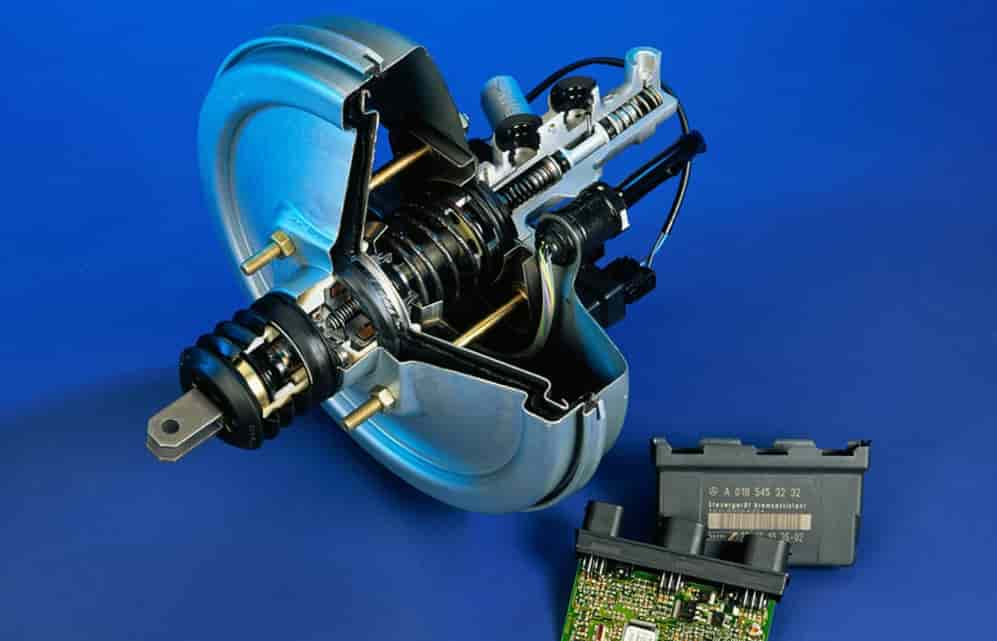
What Is a Hydroboost Brake System?
To understand hydroboost brake system problems, you need to know how this system works. Unlike traditional brake boosters, this system does not rely on engine vacuum. It uses hydraulic pressure from the power steering pump to assist braking.
This design delivers stronger and more consistent braking force. It works especially well in trucks and SUVs, where vacuum systems often struggle to perform efficiently.
The hydroboost unit sits between the brake pedal and the master cylinder. When you press the brake pedal, hydraulic pressure flows into the unit. This pressure increases the force from your foot and helps the vehicle slow down more easily.
However, this setup also creates a direct link between the steering system and the braking system. If the power steering pump loses pressure or fails, both systems can suffer. You may notice harder steering along with reduced braking power at the same time.
Hydroboost systems also include more components. These parts include hoses, seals, and hydraulic lines. Over time, these components can wear out and lead to failure.
Understanding this connection makes it easier to detect early warning signs. It also helps you identify the real cause behind hydroboost brake system problems and choose the right solution.
Common Hydroboost Brake System Problems
Hydroboost brake system problems often begin with small changes that many drivers ignore. One of the most noticeable signs is a hard brake pedal. When this happens, you need to apply more force than usual to slow the vehicle. This issue usually appears when the power steering pump cannot generate enough hydraulic pressure or when the hydroboost unit starts to fail. As pressure drops, the system loses its ability to assist braking effectively.
Another common issue is the loss of brake assist. In this situation, the brake still works, but it feels weak and less responsive. Many drivers also notice that steering becomes heavier at the same time. This happens because both systems rely on the same hydraulic source. When pressure becomes unstable, overall performance declines quickly.
Fluid leaks also play a major role in hydroboost brake system problems. Worn seals or damaged hoses often allow fluid to escape, which reduces pressure inside the system. You may see fluid under the vehicle or near the brake components. If the leak continues, it can lead to complete brake assist failure.
Unusual noises such as whining or hissing sounds can also signal trouble. These sounds often indicate air in the system or a failing pump. In more serious cases, the engine may stall when braking due to pressure imbalance. Recognizing these symptoms early helps you prevent more severe damage and maintain safe driving conditions.
What Causes Hydroboost Brake System Problems?
Hydroboost brake system problems do not happen randomly. In most cases, they develop from issues inside the hydraulic system that builds up over time. Understanding the root causes helps you fix the problem faster and prevent it from coming back.
One of the most common causes is a failing power steering pump. This pump creates the hydraulic pressure that both the steering and braking systems rely on. When it becomes weak or worn out, it cannot maintain stable pressure. As a result, you may experience a hard brake pedal, weak brake assist, or even delayed braking response.
Contaminated fluid is another major factor. Over time, dirt, metal particles, and moisture can enter the hydraulic fluid. This contamination reduces efficiency and accelerates wear inside the hydroboost unit. Dirty fluid can also damage seals and internal components, which leads to leaks and pressure loss.
Worn seals and aging components also contribute to hydroboost brake system problems. Rubber seals degrade over time due to heat and pressure. Once these seals fail, the system can no longer hold hydraulic pressure effectively. This often results in fluid leaks and reduced braking performance.
Air trapped in the hydraulic system is another hidden issue. Air disrupts pressure consistency and creates symptoms such as noise, vibration, or inconsistent braking feel. Even a small amount of air can reduce system efficiency.
Damaged or cracked hoses can also lead to serious problems. These hoses carry pressurized fluid throughout the system. If they weaken or leak, pressure drops quickly and affects both steering and braking performance.
When you look closely, all these causes point to one core issue: unstable hydraulic pressure. Once pressure becomes inconsistent, hydroboost brake system problems begin to appear and worsen over time.
How to Diagnose Hydroboost Brake System Problems
Diagnosing hydroboost brake system problems does not always require advanced tools. With a careful approach, you can identify most issues by checking a few key areas. The goal is to detect pressure loss, leaks, or abnormal behavior before the system fails completely.
Start by checking the power steering fluid level. Low fluid is one of the most common causes of pressure loss. If the fluid level drops below the recommended mark, the system cannot generate enough force to assist braking. You should also inspect the fluid condition. Dirty or dark fluid often indicates contamination, which can damage internal components over time.
Next, inspect the system for visible leaks. Look around the hydroboost unit, hoses, and connections. Any sign of fluid buildup or dripping suggests that the system is losing pressure. Even a small leak can lead to bigger problems if you ignore it.
After that, test the brake pedal feel. Press the pedal several times while the engine is running. A properly working system should feel smooth and responsive. If the pedal feels stiff, inconsistent, or delayed, the hydroboost system may have a pressure issue.
You should also listen for unusual noises. Whining or hissing sounds often indicate air in the system or a weak power steering pump. These sounds usually appear before performance drops, so they act as early warning signs.
Finally, pay attention to steering performance. Since both systems share the same hydraulic source, any change in steering feel can reveal deeper hydroboost brake system problems. If steering becomes heavy while braking performance drops, the issue likely comes from the hydraulic system.
How to Fix Hydroboost Brake System Problems
Fixing hydroboost brake system problems depends on the severity of the issue. Some problems have simple solutions, while others require part replacement. Acting early can save both time and money.
Start with basic fixes that address common causes. If the fluid level is low, refill it with the correct type of power steering fluid. Always check for contamination before topping up. If the fluid looks dark or dirty, you should flush the system instead of just adding more. A clean fluid system helps restore proper pressure and improves overall performance.
Bleeding the hydraulic system is another effective solution. Air trapped inside the system can cause noise, weak braking, and inconsistent pedal feel. Removing air restores stable pressure and improves responsiveness. This process often solves minor hydroboost brake system problems without additional repairs.
If the issue continues, you may need to inspect key components. A worn power steering pump cannot maintain consistent pressure, so replacing it may be necessary. Damaged hoses should also be replaced immediately, as they can leak and reduce system efficiency.
In more serious cases, the hydroboost unit itself may fail. Internal wear or seal damage can prevent it from holding pressure. When this happens, replacement is usually the most reliable solution. Repairing internal components is often not cost effective and may not provide long term results.
Choosing between repair and replacement depends on the condition of the system. If multiple components show signs of wear, replacing the entire unit can prevent repeated failures. Addressing hydroboost brake system problems early ensures safer driving and avoids more expensive repairs later.
Hydroboost Repair Cost and Replacement Guide
Understanding the cost of fixing hydroboost brake system problems helps you make better decisions and avoid unexpected expenses. The total cost depends on the exact issue, the vehicle type, and the level of damage inside the hydraulic system.
For minor problems, the cost remains relatively low. Replacing power steering fluid or bleeding the system usually costs between 50 and 150 dollars. These simple fixes can restore pressure and improve braking performance if the issue comes from air or contamination.
When leaks appear, the cost increases. Replacing hoses or seals typically ranges from 100 to 300 dollars. The final price depends on labor and how difficult it is to access the damaged parts. Fixing leaks early prevents more expensive damage later.
If the power steering pump fails, replacement becomes more expensive. Most drivers spend between 300 and 700 dollars, including labor. Since the pump plays a key role in both steering and braking, delaying this repair can lead to more serious hydroboost brake system problems.
The most costly repair involves replacing the hydroboost unit itself. This usually costs between 400 and 1000 dollars or more, depending on the vehicle. Labor can add a significant amount, especially in complex engine layouts.
Choosing between repair and replacement depends on the overall condition of the system. If only one component fails, repair is often enough. However, if multiple parts show wear, full replacement may save money in the long run. Investing in proper repair not only fixes hydroboost brake system problems but also ensures safer and more reliable driving.
Is It Safe to Drive with Hydroboost Brake System Problems?
Driving with hydroboost brake system problems is not safe in most situations. Even if the brakes still respond, the system no longer delivers consistent performance. This creates a serious risk, especially in emergency conditions where fast and precise braking is critical.
A hard brake pedal can increase stopping distance because you need more force to slow the vehicle. Loss of brake assist makes the braking response weaker and less predictable. If the issue comes from low hydraulic pressure, both braking and steering can degrade at the same time. This combination makes the vehicle much harder to control.
In more severe cases, the engine may stall when you press the brake pedal. This situation can become dangerous in traffic, especially at low speeds or during turns. Small symptoms can quickly turn into major failures if you ignore them.
If you notice any of these signs, you should limit driving and inspect the system as soon as possible. Taking action early helps you avoid accidents and prevents further damage.
How to Prevent Hydroboost Brake System Problems
Preventing hydroboost brake system problems is much easier and cheaper than fixing them. Regular maintenance plays a key role in keeping the system stable and reliable.
Start by checking the power steering fluid regularly. Always keep it at the recommended level and replace it when it becomes dirty. Clean fluid helps maintain proper pressure and protects internal components from wear.
You should also inspect hoses and connections for early signs of damage. Small cracks or leaks can develop over time and lead to pressure loss. Fixing these issues early prevents more serious problems later.
Pay attention to unusual noises and changes in brake feel. These early signals often appear before major failures. Acting on them quickly helps you maintain consistent braking performance.
Routine inspection of the entire hydraulic system ensures that both steering and braking work smoothly together. A well maintained system reduces the risk of sudden failure and extends the lifespan of your vehicle components.
Conclusion
Hydroboost brake system problems often start with small and easily overlooked symptoms, but they can quickly develop into serious safety risks. Issues such as a hard brake pedal, fluid leaks, unusual noise, or loss of brake assist all point to one underlying factor, which is unstable hydraulic pressure.
Understanding the symptoms, identifying the causes, and applying the right fixes can help you stay in control of your vehicle. Simple actions such as checking fluid levels, fixing leaks early, and maintaining the power steering system can prevent costly repairs and dangerous situations.
If you notice any signs of hydroboost brake system problems, do not ignore them. Early diagnosis and timely repair not only protect your vehicle but also ensure your safety on the road. Taking action today can save you from much bigger problems in the future.