The Chevy 5.3 V8 is one of General Motors’ most trusted engines. It has powered millions of trucks and SUVs, including the Chevrolet Silverado, Tahoe, Suburban, and GMC Sierra. This engine delivers strong performance and long term durability, which explains its widespread use across many vehicle generations.
People who search for Chevy 5.3 engine specs usually want more than basic horsepower data. Many want torque figures for towing or oil capacity for maintenance. Others compare engines before buying a used truck or choosing between models. This makes the topic highly practical and focused on real decision making.
The Chevy 5.3 engine has evolved across several generations. Early Vortec versions differ from modern EcoTec3 designs. Newer models improve fuel efficiency and performance. They also introduce technologies like Active Fuel Management and direct injection. These systems improve economy but also create maintenance concerns that owners should understand.
This guide explains all key Chevy 5.3 engine specs in a clear and structured way. You will see horsepower, torque, oil capacity, towing capability, and reliability details. We also cover common issues and real world performance. The goal is to help you understand how this engine performs beyond factory numbers.
The Chevy 5.3 remains popular because it balances power, efficiency, and reliability. This article helps you understand why it continues to be one of the most widely used V8 engines today.
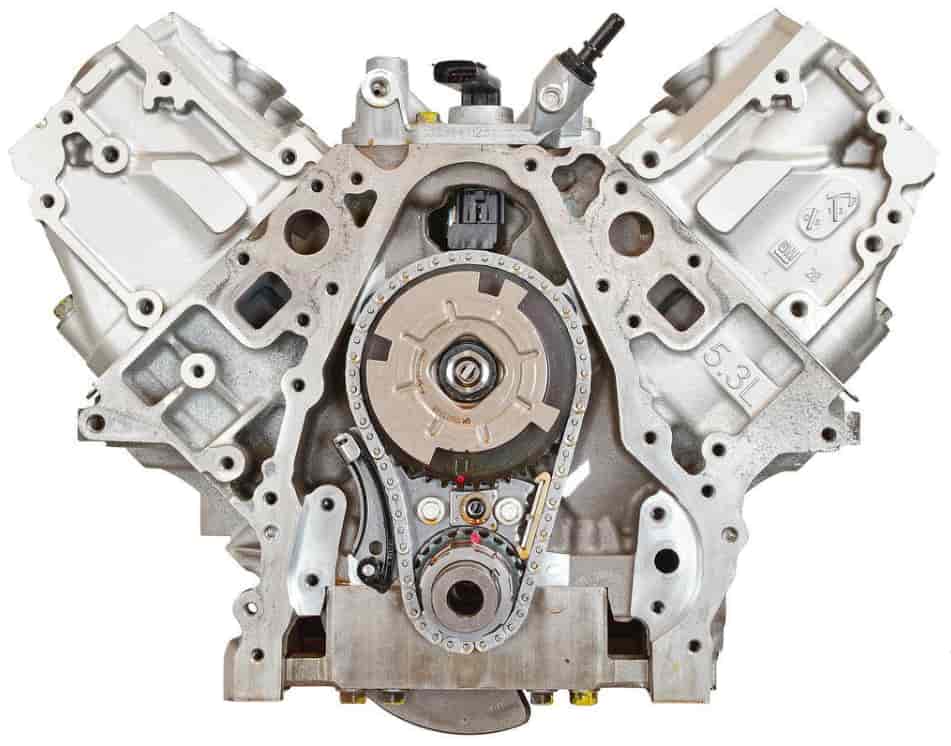
Overview of the Chevy 5.3 Engine
The Chevy 5.3 V8 is part of General Motors’ small block engine family and has been used in a wide range of trucks and SUVs for many years. Chevrolet designed this engine to deliver a balanced combination of power, durability, and everyday drivability. It has become one of the most widely used V8 engines in GM’s lineup because it fits both work focused vehicles and family oriented SUVs.
The 5.3 engine uses a V8 configuration with a 5.3 liter displacement. GM engineered it to produce strong low end torque, which makes it suitable for towing, hauling, and highway cruising. Instead of focusing only on high RPM power, the engine prioritizes usable performance in real world driving conditions. This is one of the main reasons it performs well in pickup trucks like the Silverado 1500 and SUVs like the Tahoe and Suburban.
Over time, the Chevy 5.3 has gone through multiple generations. Early versions such as the LM7 and L59 belong to the Vortec family and focus on mechanical simplicity and long term durability. Later versions like the LC9 introduced flex fuel capability and improved efficiency. The most modern versions, including the L83 and L84 from the EcoTec3 family, use technologies like direct injection and advanced fuel management systems to improve fuel economy and refine performance delivery.
GM has installed the 5.3 engine in many popular vehicles across its lineup. These include the Chevrolet Silverado, Tahoe, Suburban, and GMC Sierra. It is also commonly used in fleet and utility vehicles because of its reliability and predictable maintenance needs.
The Chevy 5.3 engine remains popular because it offers a strong balance of performance, efficiency, and long term dependability. It does not aim to be the most powerful V8, but it consistently delivers practical strength and versatility for a wide range of driving needs.
Chevy 5.3 Engine Specs at a Glance
The Chevy 5.3 engine delivers different performance figures depending on its generation, but it consistently focuses on a balance between power, torque, and efficiency. This balance is one of the main reasons it has remained a core engine in GM trucks and SUVs for many years. Instead of chasing extreme performance, the design prioritizes real world usability in towing, hauling, and daily driving conditions.
Horsepower output varies across versions of the engine. Early Vortec models such as the LM7 typically produce around 285 to 295 horsepower. As the engine evolved, later versions like the LC9 improved output to roughly 320 horsepower depending on application. The most modern EcoTec3 engines, including the L83 and L84, can reach up to about 355 horsepower. This steady improvement reflects ongoing refinements in airflow, fuel delivery, and combustion efficiency rather than major changes in engine size.
Torque is one of the strongest advantages of the Chevy 5.3. Earlier versions generate around 325 lb ft, while newer models can produce up to approximately 383 lb ft. This torque is delivered at relatively low RPM, which improves towing performance and makes the engine feel responsive under load. It also helps large vehicles like the Silverado and Tahoe accelerate smoothly even when carrying heavy weight.
The engine uses a bore of 96.0 mm and a stroke of 92.0 mm in most configurations. This near square design helps maintain a balance between low end torque and higher RPM breathing efficiency. It allows the engine to perform well in both highway cruising and demanding work situations.
Compression ratios also vary by generation. Older engines typically sit between 9.5:1 and 9.9:1, while newer EcoTec3 versions can reach around 11.0:1. Higher compression improves both power and fuel efficiency, especially when combined with direct injection technology.
Overall, these specifications show that the Chevy 5.3 is designed for versatility. It does not focus on extreme numbers, but instead delivers consistent and reliable performance across a wide range of driving needs.
Chevy 5.3 Oil Capacity and Fluid Specifications
The Chevy 5.3 engine requires proper lubrication to maintain long term reliability and stable performance. Oil capacity and fluid choice vary slightly depending on the generation and vehicle application, but the overall maintenance concept remains consistent. GM designed this engine to perform well under both light driving and heavy load conditions, as long as oil service is done correctly.
Oil capacity for most Chevy 5.3 engines ranges from about 6.0 to 8.0 quarts, including the oil filter. Older Vortec engines such as the LM7 and LC9 typically require around 6.0 quarts. Newer EcoTec3 versions like the L83 and L84 often use closer to 8.0 quarts due to changes in internal design and oiling system improvements. This difference matters because using the wrong fill level can affect oil pressure and engine performance.
GM generally recommends SAE 5W-30 full synthetic oil for most operating conditions. This oil grade helps maintain stable viscosity across temperature changes and supports modern features like direct injection and Active Fuel Management. Using high quality synthetic oil also helps reduce carbon buildup and improves long term engine cleanliness.
Oil pressure in the Chevy 5.3 engine typically stays within a safe operating range that varies with RPM and temperature. At idle, pressure is lower, while it increases under load and highway speeds. Maintaining proper oil pressure is critical because it ensures consistent lubrication for lifters, camshaft components, and timing systems.
The engine also depends on regular oil change intervals to maintain reliability. Most owners follow a range of 5,000 to 7,500 miles depending on driving conditions. Severe use such as towing, stop and go traffic, or heavy load driving may require more frequent changes.
Besides engine oil, coolant and transmission fluid also play important roles in overall performance. Proper coolant levels help control engine temperature, especially under towing conditions. Transmission fluid quality directly affects how smoothly the engine transfers power to the drivetrain.
Overall, correct oil capacity and fluid maintenance are essential for preserving the lifespan and performance of the Chevy 5.3 engine. Neglecting these basics can lead to issues such as reduced efficiency, increased wear, or long term mechanical problems.
Chevy 5.3 Performance and Towing Specs
The Chevy 5.3 engine focuses on practical performance rather than extreme horsepower. GM engineered it to deliver strong torque, stable acceleration, and reliable towing ability for trucks and SUVs. This makes it a common choice for drivers who need both daily comfort and work capability in one engine.
The engine delivers most of its power in the low and mid RPM range. This setup helps it respond quickly during normal driving conditions such as merging, overtaking, or climbing hills. Drivers often feel smooth and consistent power delivery instead of sudden performance spikes. This behavior improves control and makes the engine easier to manage under different loads.
Towing is one of the strongest strengths of the Chevy 5.3. Depending on the vehicle configuration, towing capacity typically ranges from about 7,500 pounds to more than 11,000 pounds. When installed in trucks like the Silverado 1500 with a proper towing package, the engine can pull trailers, boats, and campers with confidence. It maintains steady torque during long uphill drives, which helps reduce stress on the drivetrain.
Fuel economy varies between generations and driving conditions. Older Vortec engines consume more fuel, while newer EcoTec3 versions improve efficiency through direct injection and Active Fuel Management. These systems reduce fuel usage during light load driving and help improve highway mileage.
In everyday driving, the Chevy 5.3 engine provides a balanced and predictable experience. It accelerates smoothly in traffic and maintains stability on long trips. The engine also performs consistently under load, which makes it suitable for both commuting and long distance travel.
Overall, the Chevy 5.3 delivers performance built around usability. It does not aim for extreme speed but focuses on strength, reliability, and real world driving needs.
Chevy 5.3 Engine Reliability and Lifespan
The Chevy 5.3 engine has built a strong reputation for long term reliability when owners maintain it properly. GM designed this V8 for heavy use in trucks and SUVs, so it handles high mileage, towing, and daily driving conditions without major structural issues in most cases. Many engines regularly exceed 200,000 miles, and well maintained units can go even further.
One of the key strengths of the 5.3 engine is its simple and durable small block design. Earlier Vortec versions rely on fewer complex systems, which reduces the number of potential failure points. These engines often last longer with basic maintenance such as regular oil changes and cooling system care.
Newer EcoTec3 versions add advanced technologies like direct injection and Active Fuel Management. These systems improve efficiency, but they also introduce more components that require attention over time. For example, some owners report issues with lifters in AFM systems or carbon buildup in direct injection engines. Proper maintenance and correct oil selection help reduce these risks.
Driving habits also affect engine lifespan. Engines that regularly tow heavy loads or operate under high stress may wear faster than those used mainly for highway driving. However, the 5.3 engine handles load well when it stays within proper operating conditions and receives timely service.
Cooling system health plays an important role in long term reliability. The engine performs best when it maintains stable operating temperatures. Overheating or neglected coolant systems can shorten engine life significantly.
Overall, the Chevy 5.3 remains a durable and dependable engine across its generations. It does not rely on high performance engineering complexity but instead focuses on proven V8 architecture and consistent maintenance requirements. This combination is the main reason many owners trust it for long term use in both work and family vehicles.
Common Chevy 5.3 Engine Problems
The Chevy 5.3 engine is generally reliable, but it still develops several known issues over time, especially in higher mileage vehicles or specific generations. Understanding these problems helps owners prevent costly repairs and maintain long term performance.
One of the most discussed issues is Active Fuel Management, often called AFM. This system improves fuel economy by shutting down cylinders under light load conditions. However, in some engines, AFM can contribute to lifter failure over time. When lifters wear out, the engine may produce ticking noises, misfires, or reduced performance. Many owners choose AFM delete solutions to avoid this risk in performance builds.
Another common concern is oil consumption, especially in older or poorly maintained engines. Worn piston rings or valve seals can allow oil to burn inside the combustion chamber. This leads to higher oil usage between changes and may trigger warning lights if levels drop too low. Regular oil checks help prevent serious damage.
Carbon buildup also affects newer direct injection versions like the L83 and L84. Since fuel does not pass over the intake valves, carbon deposits can form over time. This buildup reduces airflow efficiency and may cause rough idle, hesitation, or reduced fuel economy. Cleaning services such as walnut blasting often restore performance.
Some owners also report issues with knock sensors and wiring connectors, especially in high heat environments. These problems can affect engine timing and trigger check engine lights. While not always severe, they require proper diagnosis to avoid unnecessary repairs.
Cooling system issues can also impact long term reliability. A failing water pump or thermostat can lead to overheating, which increases engine wear and reduces lifespan if ignored.
Despite these issues, most Chevy 5.3 engines remain durable when maintained correctly. Regular servicing, quality oil, and timely repairs significantly reduce the risk of major failures.
Chevy 5.3 Performance Upgrades
The Chevy 5.3 engine offers strong potential for performance upgrades, which is one of the reasons it remains popular among truck enthusiasts and builders. While GM designed it for reliability and daily use, the engine responds well to both basic bolt on modifications and more advanced tuning setups.
One of the most common upgrades is an ECU tune. A proper tune can improve throttle response, optimize fuel delivery, and unlock additional horsepower and torque. Many owners notice a more responsive driving feel after tuning, especially in mid range RPM where the engine spends most of its time.
Intake and exhaust upgrades also deliver noticeable improvements. A performance cold air intake increases airflow into the engine, which helps improve combustion efficiency. Aftermarket headers and performance exhaust systems reduce back pressure, allowing the engine to breathe more freely. Together, these modifications can improve both sound and power output.
Camshaft upgrades provide a more significant performance increase. A performance cam changes valve timing and duration, which allows the engine to produce more horsepower across a wider RPM range. However, cam upgrades often require supporting modifications such as stronger valve springs and a custom tune to ensure reliability.
Some builders also explore Active Fuel Management delete kits. Removing AFM improves long term reliability in performance applications by eliminating cylinder deactivation components. This modification is especially common in high mileage or heavily modified engines.
For more advanced setups, forced induction systems such as superchargers or turbochargers can significantly increase horsepower. The 5.3 engine block handles moderate boost well when properly tuned and supported with upgraded fuel and cooling systems.
Overall, the Chevy 5.3 responds well to upgrades at different levels. Simple bolt ons improve daily performance, while deeper modifications can transform it into a high output V8 suitable for serious performance use.
Chevy 5.3 vs 6.2 Engine Specs
The Chevy 5.3 and 6.2 engines both belong to General Motors’ V8 family, but they target different performance needs. The 5.3 focuses on balance, while the 6.2 prioritizes maximum power and stronger acceleration. Both engines appear in similar trucks and SUVs, which makes comparison important for buyers deciding between them.
The Chevy 5.3 engine produces up to around 355 horsepower and about 383 lb ft of torque in its modern EcoTec3 versions. It delivers smooth and predictable power that works well for towing, commuting, and general use. The engine focuses on efficiency and long term reliability rather than peak performance.
The 6.2 engine produces significantly more power, often reaching around 420 horsepower and over 460 lb ft of torque depending on the application. This difference gives it stronger acceleration and better high speed performance. Drivers notice more aggressive throttle response and faster passing capability compared to the 5.3.
Fuel economy creates another key difference. The 5.3 engine generally offers better efficiency, especially in highway driving and light load conditions. The 6.2 consumes more fuel due to its larger displacement and higher performance output. This tradeoff becomes important for owners who drive long distances or use their vehicle daily.
Towing capability remains strong in both engines, but the 6.2 handles heavier loads with less effort. It maintains higher power reserves under stress, which benefits drivers who tow frequently or carry maximum payloads. However, the 5.3 still performs well for most standard towing needs.
Maintenance and ownership costs also differ slightly. The 5.3 usually costs less to maintain due to its wider availability and simpler tuning focus. The 6.2 may involve higher fuel and service costs over time.
Overall, the Chevy 5.3 suits drivers who want balance and efficiency, while the 6.2 targets those who prioritize maximum power and performance.
Is the Chevy 5.3 a Good Engine?
The Chevy 5.3 engine has earned a strong reputation as one of the most balanced V8 engines in General Motors’ lineup. It does not aim to be the most powerful engine, but it consistently delivers a combination of durability, practicality, and everyday usability that suits a wide range of drivers.
From a performance standpoint, the engine provides enough horsepower and torque for most real world needs. It handles highway driving smoothly and supports towing tasks without requiring excessive engine strain. This makes it a reliable option for truck owners who need consistent capability rather than extreme performance.
Reliability is another major strength of the Chevy 5.3. Many engines reach high mileage when owners follow proper maintenance schedules. Regular oil changes, cooling system care, and timely repairs help the engine last well beyond 200,000 miles in many cases. Earlier Vortec versions are especially known for their long term durability due to their simpler design.
However, the engine does have some known weaknesses. Issues such as AFM related lifter failures, oil consumption in certain models, and carbon buildup in direct injection versions can affect long term ownership. These problems do not affect every engine, but they are important for buyers to understand before purchase.
Despite these concerns, the Chevy 5.3 remains a popular choice because it offers a strong balance between cost, performance, and dependability. It also benefits from wide availability of parts and service support, which reduces long term maintenance difficulty.
For most drivers, the Chevy 5.3 represents a practical V8 engine that fits both work and family use. It may not deliver extreme power, but it provides consistent performance and long term value when properly maintained.
Conclusion
The Chevy 5.3 engine continues to stand out as one of the most balanced and widely used V8 engines in General Motors’ lineup. It combines practical horsepower, strong torque output, and long term durability, which makes it suitable for both work trucks and family SUVs. Across different generations, GM has improved efficiency and performance while keeping the core reliability of the engine intact.
This engine performs well in real world driving situations. It handles towing, highway cruising, and daily commuting without requiring extreme maintenance demands. Many owners value its predictable behavior and long lifespan when properly maintained. Regular oil changes, correct fluid usage, and timely repairs play a key role in keeping the engine reliable over high mileage.
At the same time, the Chevy 5.3 is not without weaknesses. Some versions experience issues such as AFM related lifter problems, oil consumption, or carbon buildup in direct injection systems. These concerns do not define every engine, but they are important factors for buyers and owners to understand before making decisions.
Overall, the Chevy 5.3 engine remains a strong choice for drivers who want a dependable V8 with balanced performance and reasonable operating costs. It may not be the most powerful engine in its class, but it delivers consistent real world value. That combination is the main reason it continues to be one of the most popular engines in trucks and SUVs today.