The LS3 has long been respected as one of General Motors’ most iconic performance V8 engines. Introduced as a 6.2 liter Gen IV small block, it offered a rare mix of factory reliability, strong power, and huge aftermarket support. Because of that, enthusiasts still search for LS3 engine specs years after its debut.
However, understanding these specifications means more than checking horsepower numbers. Bore dimensions affect airflow and high RPM behavior. Stroke influences torque delivery and engine response. In addition, compression ratio plays a major role in efficiency and tuning potential. Together, these specs explain why the LS3 performs so well.
Many enthusiasts face a common problem. Some confuse stock LS3 output with modified power figures. Others compare it to other LS engines without understanding head design, cam profiles, or airflow differences. As a result, they may choose the wrong upgrades or set unrealistic power goals.
This guide breaks those details down clearly. First, it covers LS3 horsepower and torque specs. Next, it explains bore and stroke dimensions and why they matter. It also explores compression ratio, cylinder heads, valvetrain design, and stock performance limits. Finally, it looks at why the LS3 remains a favorite for performance builds and engine swaps.
Whether you are researching an LS3 powered car, planning modifications, or considering a swap, these specifications matter. Once you understand the numbers behind the engine, you can make better decisions and see why the LS3 still holds legendary status.
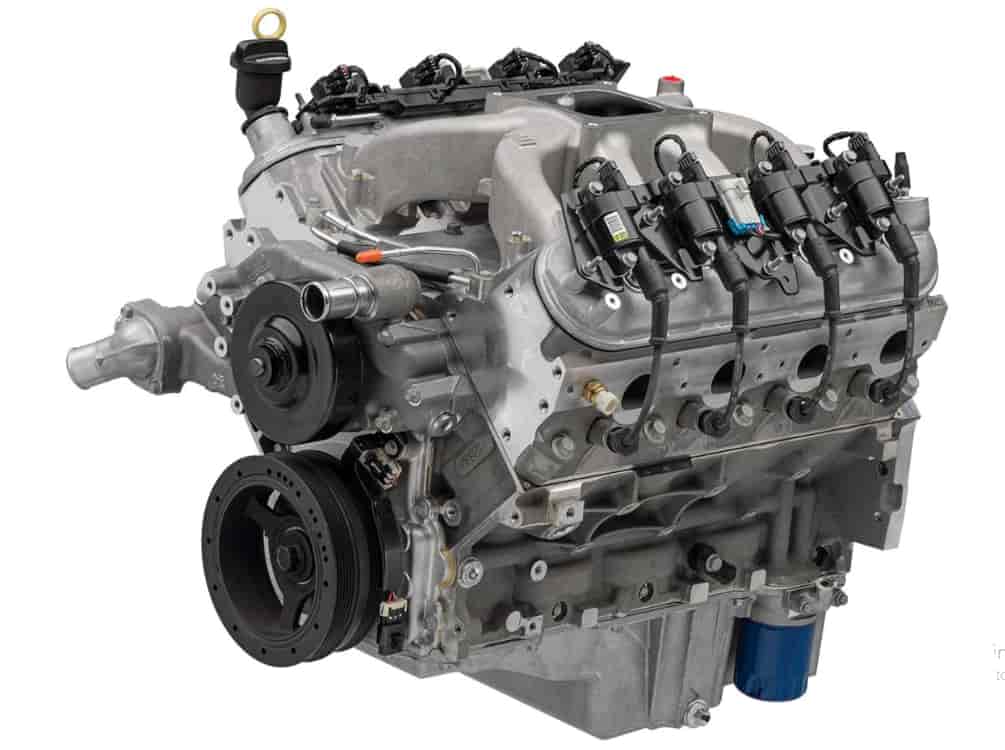
What Is the GM LS3 Engine?
The LS3 is a 6.2 liter V8 engine from General Motors and it belongs to the Gen IV small block family. It was designed as a high performance naturally aspirated engine and it quickly became one of the most popular LS platforms. Because of its strong factory output and durability, it is widely used in performance cars and engine swap projects.
In terms of construction, the LS3 uses an aluminum block which helps reduce overall weight. As a result, it improves vehicle balance and handling compared to older iron block engines. In addition, it features aluminum cylinder heads with high flowing intake and exhaust ports. These heads play a major role in improving airflow and supporting higher horsepower levels.
The LS3 was installed in several performance vehicles from General Motors. Most notably, it powered the Chevrolet Corvette C6 and the Chevrolet Camaro SS. It was also offered as a crate engine for custom builds. Therefore, it became a favorite choice for tuners and builders who wanted a reliable and powerful V8 foundation.
Another important factor is its design simplicity combined with modern efficiency. For example, the LS3 uses a coil near plug ignition system and a relatively simple valvetrain setup. This makes it easier to maintain and modify compared to more complex engines. At the same time, it still delivers strong performance straight from the factory.
Overall, the LS3 stands out because it balances power, reliability, and aftermarket support. In addition, its architecture allows it to handle significant upgrades without major internal changes. This is why it remains one of the most respected engines in the LS family.
LS3 Horsepower and Torque Specs
The LS3 engine delivers strong factory performance and this is one of the main reasons it is so popular among enthusiasts. In stock form, it produces 430 horsepower in most applications. However, some variants with factory performance exhaust systems can reach up to 436 horsepower. Because of this output, the LS3 is still considered a powerful naturally aspirated V8 even by modern standards.
In addition to horsepower, torque is another key strength of the LS3. It produces 424 lb-ft of torque from the factory. This torque delivery is smooth and consistent, which makes the engine feel responsive in both low and mid range driving conditions. As a result, the LS3 works well for daily driving, spirited street use, and track performance.
One important detail is how the LS3 delivers its power across the RPM range. Unlike smaller displacement engines that peak quickly, the LS3 maintains a broad and usable powerband. Therefore, drivers experience strong acceleration without needing extreme RPM levels. In practice, this makes the engine easier to control and more predictable under load.
Another advantage is how efficiently the LS3 converts airflow into power. Thanks to its high flowing cylinder heads and well designed intake system, the engine breathes efficiently at higher RPM. Consequently, it supports performance driving without feeling restricted in the upper range.
Overall, the LS3 horsepower and torque specs show a well balanced factory setup. It combines strong peak numbers with usable real world performance. In addition, it provides a solid foundation for modifications, which is why many builders choose it as a starting point for performance projects.
LS3 Bore and Stroke Explained
The LS3 engine uses a bore and stroke combination that strongly influences its performance character. In factory specification, the bore measures 4.065 inches while the stroke measures 3.622 inches. Because of this setup, the engine is classified as a slightly oversquare V8.
An oversquare design means the bore is larger than the stroke. As a result, the LS3 can breathe more efficiently at higher RPM. This improves airflow and supports better horsepower production. In addition, it allows the engine to rev more freely compared to long stroke designs.
The bore size of 4.065 inches is important because it directly affects cylinder volume and airflow potential. Larger bores allow for bigger valves in the cylinder head. Therefore, the LS3 benefits from improved intake and exhaust flow. This is one of the reasons it responds well to performance modifications.
On the other hand, the stroke of 3.622 inches contributes to torque production. Although it is not extremely long, it still provides strong mid range torque. Consequently, the LS3 maintains a good balance between high RPM power and street drivability.
Together, the bore and stroke combination defines the engine’s overall behavior. First, it supports strong top end power. Second, it still delivers usable torque in everyday driving conditions. In addition, this balance is one of the reasons the LS3 is widely used in both performance cars and engine swaps.
Overall, the LS3 bore and stroke specs explain why the engine feels both responsive and powerful. It is designed to perform well across a wide RPM range while still maintaining reliability. Therefore, it remains a popular choice for enthusiasts who want a balanced V8 platform.
LS3 Compression Ratio and Cylinder Head Specs
The LS3 engine runs a factory compression ratio of 10.7:1. This relatively high compression is one of the key reasons it produces strong naturally aspirated power. Because of this setup, the engine can extract more energy from each combustion cycle. As a result, it delivers better efficiency and stronger throttle response compared to lower compression V8 engines.
However, higher compression also requires proper fuel quality and tuning stability. In practice, the LS3 is designed to run safely on premium pump fuel. Therefore, it balances performance with everyday usability. In addition, the combustion process remains stable under normal driving conditions, which supports long term reliability.
The cylinder heads are another major performance factor. The LS3 uses rectangular port aluminum heads that are designed for high airflow. These heads significantly improve intake and exhaust efficiency. As a result, the engine breathes better at higher RPM and supports increased horsepower output.
Furthermore, the LS3 head design includes large valves and optimized port geometry. This improves air velocity and combustion efficiency. In addition, the improved flow characteristics help the engine maintain strong power throughout the rev range. Because of this, the LS3 responds very well to camshaft upgrades and intake modifications.
Together, the compression ratio and cylinder head design define much of the LS3 performance character. First, the compression improves combustion efficiency and power output. Next, the high flow heads allow the engine to sustain airflow at higher RPM. Finally, these two elements work together to create a strong and balanced V8 platform.
Overall, the LS3 compression and head specs explain why this engine delivers both reliability and performance. In addition, they form the foundation for many aftermarket builds, making the LS3 a highly adaptable engine for different performance goals.
LS3 Camshaft and Valvetrain Specifications
The LS3 engine uses a factory camshaft designed to balance performance, emissions, and durability. Because of this compromise, it does not have an extreme profile, but it still supports strong airflow and solid mid range power. As a result, the LS3 delivers smooth drivability while maintaining performance capability.
In stock form, the camshaft works with a hydraulic roller valvetrain system. This setup reduces friction and improves long term reliability. In addition, it helps maintain stable valve operation at higher RPM compared to older pushrod designs. Therefore, the LS3 benefits from both efficiency and durability.
The valvetrain includes lightweight components that help the engine rev more freely. For example, the valve springs and lifters are designed to handle factory RPM limits without excessive stress. However, they are also one of the first areas upgraded in performance builds. This is because stronger valve springs are needed when increasing camshaft aggressiveness.
Another important aspect is how the camshaft interacts with the LS3 high flow cylinder heads. Together, they control airflow timing and efficiency. As a result, even small cam upgrades can lead to noticeable performance gains. In addition, the LS3 responds well to aftermarket cam profiles due to its strong bottom end and airflow capacity.
However, it is important to understand limitations. The stock cam is not designed for extreme power builds. Therefore, when significant horsepower increases are targeted, camshaft replacement becomes necessary. In practice, this is one of the most common first modifications for LS3 engines.
Overall, the LS3 camshaft and valvetrain are designed for balance. First, they ensure reliability for daily use. Next, they support respectable factory performance. Finally, they provide a strong foundation for aftermarket upgrades, which is why the LS3 remains highly tunable.
Stock LS3 Performance Limits
The LS3 engine is strong in stock form, but it still has clear performance limits that builders need to understand. These limits are mainly defined by the factory bottom end, valvetrain components, and fuel system capacity. Because of this, knowing where the engine starts to struggle is important for planning upgrades.
In naturally aspirated form, a stock LS3 can reliably support around 430 to 450 horsepower depending on supporting modifications. However, beyond this range, internal stress increases significantly. As a result, careful tuning and upgraded components become necessary to maintain reliability.
When boost is introduced, such as turbocharging or supercharging, the limitations become more obvious. On a completely stock bottom end, many builders consider around 550 to 600 horsepower as a safer upper range. However, pushing beyond this level increases the risk of piston, rod, or ring failure. Therefore, internal upgrades are strongly recommended for higher power goals.
Another limiting factor is the factory valve springs and lifters. At higher RPM or with aggressive cam profiles, valve float can occur. In addition, fuel delivery can become insufficient when power levels rise. Because of this, upgrades such as injectors, fuel pumps, and stronger valvetrain components are commonly added.
Despite these limits, the LS3 remains very forgiving compared to many other factory engines. First, its aluminum block reduces weight stress. Next, its strong cylinder head design supports good airflow even under modification. Finally, its aftermarket support allows builders to reinforce weak points easily.
Overall, the stock LS3 performance limits do not reduce its value. Instead, they define a clear upgrade path. In addition, they show why this engine is widely used as a foundation for both street and high performance builds.
LS3 vs LS7 Specs Comparison
The LS3 and LS7 are both high performance engines from General Motors, but they are designed for different levels of output and engineering goals. Because of this, comparing their specifications helps clarify where each engine performs best.
The LS3 uses a 6.2 liter displacement, while the LS7 is larger at 7.0 liters. As a result, the LS7 naturally produces more power and torque. In factory form, the LS3 delivers around 430 horsepower and 424 lb-ft of torque. In contrast, the LS7 produces about 505 horsepower and 470 lb-ft of torque. Therefore, the LS7 clearly sits in a higher performance category.
Another key difference is internal construction. The LS3 uses a cast aluminum block with strong but standard performance internals. However, the LS7 features a more advanced lightweight design with forged components in critical areas. In addition, the LS7 uses larger valves and higher flow cylinder heads, which significantly improve airflow capacity.
The bore and stroke configuration also differs. The LS3 has a bore of 4.065 inches and a stroke of 3.622 inches. Meanwhile, the LS7 uses a larger bore and longer stroke combination, which increases both displacement and torque output. As a result, the LS7 delivers stronger low end and mid range performance.
However, the LS3 has advantages in cost and availability. It is more widely produced and easier to source as a crate engine. In addition, it is generally more affordable for swaps and performance builds. Therefore, many builders choose the LS3 when budget and flexibility are important factors.
Overall, the LS7 is a higher end performance engine with more extreme output potential. In contrast, the LS3 offers an excellent balance of power, reliability, and affordability. Because of this, both engines remain popular but serve different performance goals.
Why LS3 Engine Specs Still Matter for Engine Swaps
The LS3 engine remains one of the most popular choices for engine swaps and performance builds, and its specifications explain exactly why. Because it combines strong factory power with a relatively compact and lightweight design, it fits well into a wide range of vehicles.
One major advantage is its physical characteristics. The aluminum block reduces overall weight, which improves handling and weight distribution in swap projects. In addition, its dimensions make it easier to fit into older chassis compared to many modern engines. As a result, builders often prefer the LS3 when aiming for a balance between performance and practicality.
Another important factor is aftermarket support. The LS3 platform has extensive parts availability, including intake systems, camshafts, cylinder heads, and complete crate engine packages. Therefore, it is easy to upgrade or repair without difficulty. This makes it a flexible option for both beginner and advanced builders.
In terms of performance potential, the LS3 also stands out. Even in stock form, it delivers strong horsepower and torque. However, it also responds very well to modifications such as cam upgrades, forced induction, and tuning. Because of this, it can scale from mild street builds to high horsepower applications without requiring a full redesign.
In addition, the engine’s reliability plays a key role. The LS3 is known for handling increased power levels when properly built. Therefore, it gives builders confidence when pushing performance boundaries. This combination of strength and durability is one of its biggest advantages.
Overall, the LS3 engine specs make it an ideal foundation for swaps and custom builds. It offers a rare mix of affordability, performance, and flexibility. As a result, it continues to be one of the most trusted V8 platforms in the automotive performance world.
Conclusion
The LS3 engine remains a standout in the world of naturally aspirated V8s because of its balanced and well engineered specifications. From horsepower and torque to bore, stroke, and compression ratio, each element works together to create a strong and reliable performance platform.
Throughout this guide, we have seen that the LS3 delivers around 430 horsepower and 424 lb-ft of torque in stock form. In addition, its 6.2 liter displacement, 4.065 bore, and 3.622 stroke provide an excellent balance between high RPM power and usable street torque. Furthermore, its 10.7:1 compression ratio and high flow cylinder heads help it breathe efficiently and produce consistent performance.
However, the real value of the LS3 is not only in its factory numbers. Instead, it lies in its adaptability. Because of its strong internal design and massive aftermarket support, it can handle a wide range of upgrades and performance goals. Therefore, it is equally suitable for daily driving, track use, and engine swap projects.
In conclusion, understanding LS3 engine specs gives you a clear view of why this engine continues to be respected in the automotive world. It is powerful, flexible, and reliable, and it remains a top choice for enthusiasts who want a proven V8 platform with long term potential.