Are Tesla Superchargers free, or do drivers need to pay every time they charge their vehicle? This is a frequent question among new electric vehicle users as Tesla expands its global charging network and more drivers switch from gasoline to electric cars.
The answer is not simple. Several factors influence the cost, including vehicle model, country, and Tesla’s pricing policy. The system operated by Tesla Supercharger Network provides fast charging for convenience, but most users must pay to use it. Some drivers still receive free charging benefits, but these cases are limited.
Many users confuse free Supercharging with access to Supercharger stations. They assume all Tesla charging stations are free, but this is not correct. Tesla, Inc. now uses a pay per use model in most regions. This approach helps cover infrastructure costs and reduces congestion at busy stations.
This article explains how Tesla Superchargers work, how much they cost, when they are free, and how drivers can avoid unnecessary charging expenses.
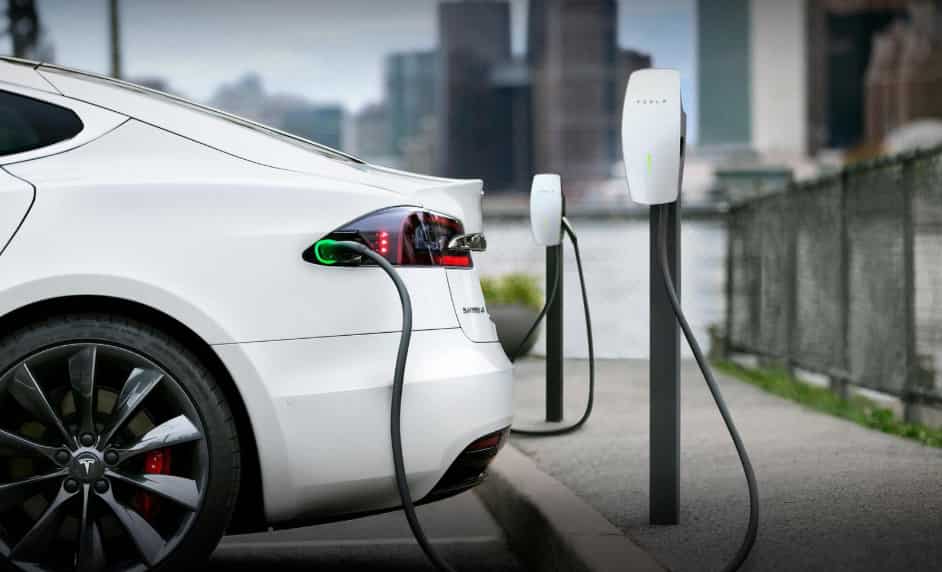
Are Tesla Superchargers Free?
Tesla Superchargers are not free for most drivers. In the majority of countries, users must pay every time they charge their vehicle at a Supercharger station. The cost depends on location, electricity prices, and sometimes the time of day. The charging system operated by Tesla Supercharger Network is designed as a high speed public charging service, not a free utility.
Tesla, Inc. applies a pay per use model in most markets. Drivers are charged based on the amount of energy they use or the time spent charging. This system helps Tesla maintain station reliability, reduce congestion, and fund the expansion of new charging locations around the world.
Many users still think Supercharging is free because of older Tesla promotions. In the early years, some vehicles came with lifetime free Supercharging as a purchase incentive. However, these offers are now very limited and apply only to specific legacy models or special promotions. Most new Tesla vehicles do not include free unlimited charging.
There are also misunderstandings caused by destination chargers or workplace chargers, which are sometimes free. However, these are different from Superchargers and operate under separate rules.
In reality, Superchargers are primarily a paid service designed for fast and convenient long distance travel. While a few exceptions exist, most Tesla owners should expect to pay for every charging session. Understanding this helps drivers plan better and avoid unexpected charging costs during trips.
How Tesla Supercharging Pricing Works
Tesla Supercharging pricing is based on a simple pay per use model, but the exact cost can vary depending on several factors. In most regions, drivers pay based on the amount of electricity used, measured in kilowatt hours. In some locations, pricing may instead be calculated by the minute, especially where local regulations require this method.
The charging system operated by Tesla Supercharger Network adjusts prices based on local electricity costs, demand, and station usage. This means the price you pay in one city or country can be different from another, even for the same amount of energy.
Pricing can also change depending on the time of day. Some Supercharger stations use peak and off peak pricing. Charging during busy hours may cost more, while late night or low demand periods may be cheaper. This system helps distribute usage more evenly and reduces congestion at popular locations.
All payments are handled automatically through the user’s Tesla account. When a vehicle is plugged in, Tesla, Inc. tracks the energy consumed and charges the linked payment method without requiring manual payment at the station.
In addition, Tesla may apply idle fees if a vehicle remains connected after charging is complete. This encourages drivers to move their cars quickly and keeps stations available for others.
Overall, the pricing structure is flexible but not random. It reflects real world electricity costs, station demand, and network efficiency across different regions.
When Tesla Superchargers Are Free
Tesla Superchargers are usually paid, but there are a few important exceptions where charging can be free or partially free. These cases are limited and often depend on vehicle history, promotions, or specific programs from Tesla, Inc..
One of the most well known exceptions is lifetime free Supercharging. This benefit was offered in the early years of Tesla ownership, especially for certain Model S and Model X vehicles. These vehicles can still charge without paying at many Supercharger stations, although the policy may include restrictions depending on ownership transfer or usage terms.
Another case involves referral programs. Tesla has previously rewarded owners with free Supercharging credits when they refer new buyers. These credits can be used to reduce or fully cover charging costs for a limited time.
Some promotional campaigns have also included free Supercharging for new vehicle purchases. These offers are not always available and tend to change based on market conditions and Tesla’s sales strategy.
It is also important to distinguish Superchargers from destination chargers. Some hotels, offices, or partner locations offer free charging, but these are not part of the Tesla Supercharger Network. They operate under different rules and usually provide slower charging speeds.
In summary, free Supercharging still exists, but only in specific and limited situations. Most new Tesla owners today should expect to pay standard charging fees.
Hidden Costs of Tesla Supercharging
Even though Supercharging is fast and convenient, the actual cost can be higher than many drivers expect. The price you see at the start is not always the final cost, because several additional fees can apply depending on how and when you use the service.
One of the most common extra charges is the idle fee. This fee applies when a car stays plugged into a charger after it has already finished charging. The goal is to encourage drivers to move their vehicles quickly so other users can access the station. This rule is enforced across most stations in the Tesla Supercharger Network.
In some locations, congestion fees may also apply during peak demand. When many vehicles are waiting, Tesla increases the cost to reduce overcrowding and improve station availability. This means the same charging session can cost more depending on timing and station usage.
Another factor is peak and off peak pricing. Charging during busy hours can be more expensive, while late night charging is usually cheaper. This variation can significantly affect the total cost over time, especially for frequent users.
All of these charges are managed automatically by Tesla, Inc. through the user’s account. Drivers do not need to pay manually, but they should monitor their charging behavior to avoid unnecessary fees.
In short, Supercharging costs are not only about electricity usage. Timing, station demand, and charging habits all play an important role in the final price.
Supercharging vs Home Charging Cost
Supercharging is designed for speed and convenience, especially during long trips, but it is not the cheapest way to charge a Tesla. In most cases, home charging offers a significantly lower cost per kilowatt hour compared to public fast charging stations.
When using the Tesla Supercharger Network, drivers pay for fast energy delivery and infrastructure access. This makes Supercharging more expensive, even though it is much faster than other options. The convenience of being able to recharge in a short time comes at a higher price.
Home charging works differently. Electricity is drawn directly from the household grid, and pricing depends on local residential electricity rates. In many regions, this cost is much lower than public fast charging. Over time, this difference can lead to significant savings for regular drivers.
Tesla, Inc. positions Superchargers as a travel solution rather than a primary charging method. Most Tesla owners are encouraged to use home charging for daily needs and reserve Superchargers for road trips or situations where home charging is not available.
In practical use, Supercharging is ideal for long distance travel, quick stops, or emergencies. Home charging is better for daily commuting because it is cheaper and more convenient when the vehicle is parked for long periods.
Overall, the choice depends on use case. Supercharging offers speed, while home charging offers cost efficiency. Most Tesla owners benefit from using both in the right situations.
Why Tesla Superchargers Are Not Free Anymore
Tesla Superchargers are no longer free for most users because the system has evolved from a small supportive network into a large global infrastructure. In the early years of electric vehicles, free Supercharging was used as an incentive to attract buyers and encourage adoption. However, as the network expanded, this model became unsustainable.
The charging system operated by Tesla Supercharger Network now serves millions of drivers worldwide. Building and maintaining these stations requires significant investment in hardware, electricity supply, land use, and ongoing maintenance. A free model would not support this level of expansion.
Tesla, Inc. shifted to a pay per use system to ensure long term scalability. Charging fees help fund the installation of new stations and improve service quality at existing locations. This approach also helps manage demand, especially in busy urban areas and along major travel routes.
Another reason for removing free unlimited charging is fair usage. When charging was free, some users overused Superchargers for daily charging instead of home charging. This created congestion and reduced availability for long distance travelers who actually needed fast charging.
Today, Tesla focuses on efficiency and network balance. Free Supercharging still exists in limited cases, but it is no longer the standard. The current model prioritizes sustainability, fairness, and continuous expansion of the charging network.
Tips to Reduce Tesla Charging Costs
Reducing charging costs is important for Tesla owners who want to optimize long term expenses while still enjoying fast and convenient travel. Although Supercharging offers speed and accessibility, it can become expensive if used without a clear strategy. With a few smart habits, drivers can significantly lower their overall charging bills.
One of the most effective ways to save money is to avoid peak hours. Charging during busy periods usually costs more, depending on the station and local pricing rules within the Tesla Supercharger Network. By choosing off peak hours, drivers can often access lower rates and reduce total charging expenses over time.
Another key strategy is to prioritize home charging whenever possible. Home electricity rates are typically much cheaper than public fast charging. Tesla, Inc. encourages owners to use Superchargers mainly for long distance travel rather than daily commuting. This simple shift in behavior can lead to substantial savings each month.
Drivers should also pay attention to idle fees. Leaving a vehicle plugged in after charging is complete can result in additional charges. Moving the car immediately after charging helps avoid unnecessary costs and keeps stations available for other users.
Using the Tesla mobile app can also help optimize charging decisions. The app provides real time information on pricing, station availability, and estimated costs, allowing drivers to choose more economical options before starting a session.
Finally, planning trips in advance can reduce the need for frequent or urgent charging stops, which often occur at higher cost locations. A well planned charging strategy ensures both efficiency and cost control.
Conclusion
Are Tesla Superchargers free? In most cases, the answer is no. Supercharging is generally a paid service that depends on energy use, location, and time of charging. The system operated by Tesla Supercharger Network is designed to deliver fast and reliable charging for long distance travel, not as a free public utility.
Tesla, Inc. applies a pay per use model across most regions to support infrastructure costs, manage demand, and expand the network globally. While some exceptions still exist, such as legacy free Supercharging benefits or promotional credits, these cases are limited and not available to most new owners.
Understanding how Supercharging works helps drivers avoid confusion and unexpected costs. It also highlights the importance of choosing the right charging method for each situation. Home charging is usually more cost efficient for daily use, while Supercharging is best suited for long trips or urgent charging needs.
In the end, the key is balance. Drivers who combine smart charging habits with proper trip planning can enjoy the convenience of Tesla’s fast charging network while keeping costs under control.