The Tesla Model 3 Tow Package is now a popular search topic among electric vehicle owners. Many drivers want to expand what their car can do beyond daily use. This interest is especially strong among owners of the Tesla Model 3 from Tesla, Inc..
People no longer use electric cars only for commuting. They want more flexibility in real life. Some want to carry bikes. Others need to pull small trailers or bring camping gear. This change in usage creates demand for towing solutions.
However, towing with an electric car is not simple. It affects driving range. It increases energy use. It can also change how the car feels on the road, especially under load. Many users do not expect these effects before installing a tow package.
Installation also raises questions. Drivers want to know if they should use Tesla service or aftermarket options. They also want to understand cost, safety, and long term impact on the vehicle.
This guide explains the Tesla Model 3 Tow Package in detail. It covers installation, towing capacity, performance impact, and ownership considerations. The goal is to help you decide if this upgrade fits your needs or not.
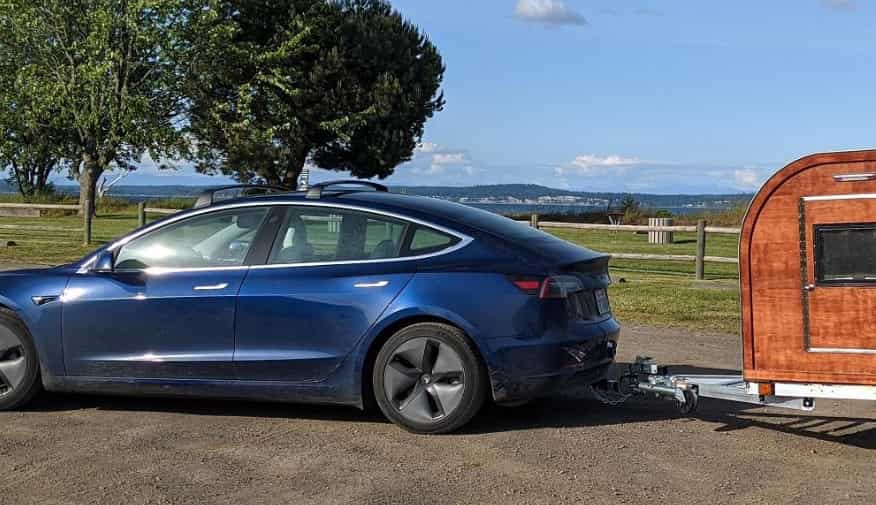
What Is the Tesla Model 3 Tow Package
The Tesla Model 3 Tow Package is an optional towing system designed to add light towing capability to the vehicle. It allows drivers to connect trailers, bike racks, or small cargo carriers to the rear of the car in a safe and stable way.
The system usually includes three main components. The first is a tow hitch that attaches to the rear structure of the car. The second is a wiring harness that connects the trailer lights to the vehicle electrical system. The third is the mounting hardware that secures everything in place.
In many markets, the Tesla Model 3 from Tesla, Inc. does not always come with this package installed by default. Drivers often need to order it as an optional upgrade or install it later through an authorized service provider.
This tow package is designed for light duty use only. It supports small trailers and recreational accessories rather than heavy industrial loads. The system focuses on safety and structural balance instead of high towing capacity.
The main goal of this package is to extend vehicle utility without compromising the efficiency and design of the electric platform. It gives drivers more flexibility while still respecting the engineering limits of the Model 3.
Is the Tesla Model 3 Factory Ready for Towing
The Tesla Model 3 supports towing in some configurations, but not all versions include this feature by default. Some markets offer a factory tow option, while others require installation after purchase.
The Tesla Model 3 from Tesla, Inc. uses a rear structure that can handle light towing loads when equipped correctly. Engineers design the chassis to support a tow hitch installation. However, the car does not function as a dedicated towing vehicle.
Software also affects towing performance. When drivers install a tow package, the system can adjust stability control and braking behavior. These adjustments help improve safety when the vehicle pulls a load. The car actively manages these changes to maintain control on the road.
Even with factory support, the Model 3 only handles light towing. It works well for small trailers, bike carriers, and light cargo systems. It does not support heavy towing or commercial hauling.
Drivers should always check their exact model and configuration before they assume towing capability. Regional settings and factory options can change what the vehicle supports.
Tesla Model 3 Towing Capacity Explained
The towing capacity of the Tesla Model 3 is limited but practical for light use cases. In most configurations, the vehicle can tow up to around 2,000 pounds. This level works well for small trailers, light camping setups, or bike carriers.
The Tesla Model 3 from Tesla, Inc. achieves this capacity through a balance between chassis strength and electric powertrain design. Engineers optimize the structure for efficiency first, then allow controlled towing for added flexibility.
Several factors affect real world towing performance. Vehicle weight plays a major role. A heavier load increases stress on the motor and battery system. Road conditions also matter. Steep hills or long highway drives reduce efficiency and limit range.
Speed also changes towing behavior. Higher speeds increase aerodynamic drag and energy consumption. This leads to faster battery drain and reduced driving range. Drivers need to plan trips more carefully when towing.
Compared to traditional gasoline vehicles, the Model 3 focuses less on maximum towing power and more on controlled light duty performance. This makes it suitable for lifestyle use but not for heavy industrial towing.
Understanding these limits helps drivers avoid overloading the system and maintain safe operation during towing.
Components of a Tesla Model 3 Tow Package
A Tesla Model 3 Tow Package includes several key components that work together to enable safe and stable towing. Each part plays a specific role in connecting the trailer to the vehicle and maintaining control during driving.
The first component is the tow hitch. This is the main structural part that attaches to the rear of the vehicle. It provides the physical connection point between the car and the trailer or carrier. The hitch must support both vertical load and horizontal pulling force during movement.
The second component is the wiring harness. This system connects the vehicle electrical system to the trailer lights. It powers brake lights, turn signals, and running lights on the trailer. This ensures that other drivers can see your signals clearly and react safely on the road.
The third component is the mounting hardware. This includes bolts, brackets, and reinforcement parts that secure the hitch to the chassis. Proper installation of these parts ensures stability and reduces vibration while towing.
In some setups, the Tesla Model 3 from Tesla, Inc. may also rely on software integration. The vehicle can detect when a trailer is connected and adjust certain driving parameters for better stability and control.
Aftermarket kits may include additional accessories such as tow balls or adapter plugs. These components vary depending on manufacturer and intended use case, but they all aim to achieve the same goal, which is safe and reliable light duty towing.
Installation Options for Tow Package
Drivers can install a Tesla Model 3 Tow Package through two main options. Each option has different cost levels, installation quality, and long term reliability.
The first option is installation through an official service center. In this case, technicians from Tesla, Inc. install the tow package on the Tesla Model 3 using factory approved parts and procedures. This option ensures full compatibility with the vehicle system. It also reduces the risk of electrical or structural issues after installation.
The second option is aftermarket installation. Independent workshops install third party tow kits that may cost less than official packages. This option gives drivers more flexibility in pricing and availability. However, quality can vary depending on the installer and the brand of components used.
Official installation usually offers better integration with vehicle software and safety systems. Aftermarket installation may require additional adjustments to ensure proper alignment and electrical connection. Drivers should carefully evaluate installer experience before choosing this route.
Both options aim to provide the same basic functionality, which is safe light duty towing. The difference mainly comes from cost, warranty coverage, and system integration quality.
Choosing the right installation method depends on budget, usage needs, and how much trust the driver places in third party components versus factory standards.
Step by Step Installation Overview
Installing a Tesla Model 3 Tow Package follows a structured process that focuses on safety, alignment, and electrical integration. The exact steps may vary depending on whether a service center or aftermarket installer performs the work, but the core workflow remains similar.
The process usually begins with rear bumper removal. Technicians first disconnect necessary electrical points and carefully remove the rear bumper to access the chassis mounting area. This step requires precision to avoid damaging clips or sensors.
Next, the tow hitch assembly is positioned and secured to the rear frame. Installers align the hitch correctly to ensure even load distribution. They then tighten all mounting bolts to manufacturer specifications to maintain structural strength.
After that, the wiring harness is connected. This system links the trailer electrical signals to the vehicle. It allows brake lights, indicators, and running lights on the trailer to function properly. Installers test each connection to confirm correct signal output.
Once the hardware and wiring are complete, the bumper is reinstalled. Technicians ensure all panels fit correctly and sensors continue working without interference.
Finally, the system undergoes a full safety check. The Tesla Model 3 from Tesla, Inc. is tested for stability, electrical response, and hitch security before approval for road use.
This final inspection ensures the tow package operates safely under real driving conditions.
Performance Impact When Towing
Towing with the Tesla Model 3 changes how the vehicle performs in several important ways. The impact mainly affects driving range, energy consumption, acceleration, and overall driving stability.
The most noticeable change is reduced driving range. When the Tesla Model 3 from Tesla, Inc. pulls a load, the battery drains faster. The extra weight and aerodynamic drag force the motor to use more energy per kilometer. In real conditions, range can drop significantly depending on trailer size and speed.
Energy consumption also increases during acceleration. The vehicle must work harder to move both its own weight and the attached load. This leads to higher battery usage, especially in city driving with frequent stops and starts.
Handling stability changes as well. A loaded trailer affects braking distance and cornering behavior. Drivers may feel reduced responsiveness, especially at higher speeds or on uneven roads. The car compensates with stability systems, but the driver still needs to adjust driving style.
Acceleration becomes slower when towing. The motor prioritizes controlled power delivery to maintain safety and traction. This reduces performance compared to normal driving conditions.
Overall, towing with the Tesla Model 3 requires more planning. Drivers need to manage speed, distance, and charging stops more carefully to maintain a safe and efficient driving experience.
Safety and Legal Considerations
Towing with the Tesla Model 3 requires careful attention to both safety rules and local regulations. These factors vary by country, so drivers must always check the law before using a tow setup.
The Tesla Model 3 from Tesla, Inc. is designed for light towing only, so drivers should never exceed the recommended load limits. Overloading the hitch increases braking distance and reduces vehicle stability. It also raises the risk of damage to the chassis and suspension system.
Safety on the road becomes more important when towing. Drivers should maintain a longer following distance because stopping takes more time. Sharp turns and sudden lane changes also require more caution. Stability systems help control the vehicle, but they cannot fully compensate for unsafe driving behavior.
Legal requirements differ by region. Some countries require additional licensing or registration for towing trailers. Others set strict limits on trailer weight, lighting standards, and speed restrictions. Drivers must ensure that the trailer lights work correctly and follow road safety rules at all times.
Insurance coverage is another key factor. Some policies require additional coverage when towing. Failing to inform the insurance provider can lead to claim issues in case of an accident.
Overall, safe towing depends on respecting technical limits, following traffic laws, and maintaining proper equipment condition at all times.
Cost Breakdown of Tesla Model 3 Tow Package
The cost of a Tesla Model 3 Tow Package depends on the installation method, region, and whether drivers choose official or aftermarket components. Understanding the full cost structure helps owners make a more informed decision before upgrading their vehicle.
For the Tesla Model 3 from Tesla, Inc., the most common expense is the official tow package installed through a service center. This option usually includes the tow hitch, wiring system, and professional installation. It offers the highest level of compatibility but also comes with a higher price.
Aftermarket options are often cheaper. Independent workshops provide tow hitch kits at lower part costs and reduced labor fees. However, prices vary widely depending on material quality, brand reputation, and installer expertise. Lower cost does not always guarantee the same level of safety or integration.
Installation labor also affects total cost. Removing the rear bumper, fitting the hitch, and connecting the wiring system require skilled technicians. This process increases labor charges, especially in official service centers where pricing is standardized.
Additional expenses may include trailer accessories such as adapters, tow balls, or lighting converters. Some drivers also pay extra for software configuration or diagnostic checks after installation.
Overall, the total cost of a Tesla Model 3 Tow Package can range from moderate to high depending on the chosen setup. Drivers should balance cost, safety, and long term reliability before making a final decision.
Real World Use Cases
The Tesla Model 3 Tow Package is mainly designed for light duty and lifestyle oriented towing. It expands what the car can do, but it does not turn it into a heavy hauling vehicle.
For the Tesla Model 3 from Tesla, Inc., one of the most common uses is carrying bike racks. Many owners install a tow hitch specifically to transport bicycles for weekend trips or outdoor activities. This use case does not require heavy load capacity and fits well within the vehicle limits.
Another practical use is pulling small utility trailers. These trailers are often used for light cargo such as garden equipment, household items, or small renovation materials. The Model 3 handles these tasks well as long as the load stays within the recommended towing capacity.
Camping and road trips are also popular scenarios. Some drivers use small trailers to carry camping gear or compact travel setups. This allows them to free up interior space while still bringing essential equipment for longer journeys.
In urban environments, the tow package can also support small transport tasks such as moving lightweight items or assisting with short distance logistics needs. However, it is not intended for commercial freight or heavy industrial use.
Overall, real world usage focuses on flexibility and convenience. The tow package adds versatility, but it works best when drivers stay within light duty expectations and prioritize efficiency over load capacity.
Pros and Cons of Tesla Model 3 Tow Package
The Tesla Model 3 Tow Package offers clear advantages for drivers who want more flexibility from their electric vehicle. At the same time, it also comes with limitations that users need to understand before installing it.
For the Tesla Model 3 produced by Tesla, Inc., one of the biggest advantages is added utility. The vehicle becomes more versatile and can handle bikes, small trailers, and light cargo. This makes it more suitable for travel and outdoor activities.
Another benefit is convenience. Drivers can carry equipment externally and free up interior space. This improves comfort during long trips and reduces clutter inside the cabin. The tow package also integrates with the vehicle structure, which helps maintain stability when installed correctly.
However, there are also disadvantages. The most important limitation is reduced driving range. Towing increases energy consumption and forces more frequent charging stops. This can affect long distance travel planning.
Another drawback is limited towing capacity. The Model 3 is not designed for heavy loads. It only supports light duty towing, which may not be enough for users who need industrial or commercial hauling.
Installation cost is also a factor. Official packages can be expensive, while aftermarket options may vary in quality. Drivers must balance cost, safety, and reliability.
Overall, the tow package is useful for lifestyle needs, but it is not a full towing solution for heavy duty applications.
Maintenance and Long Term Ownership
Owning a Tesla Model 3 Tow Package requires ongoing attention to maintenance and proper usage habits. While the system is designed for durability, towing places additional stress on key vehicle components over time.
For the Tesla Model 3 from Tesla, Inc., regular inspection of the tow hitch is important. Drivers should check the mounting bolts to ensure they remain tight and secure. Any looseness can affect stability and increase vibration during driving.
The wiring system also needs periodic checks. Trailer lights, brake signals, and electrical connectors should always function correctly. Faulty wiring can create safety risks on the road, especially at night or in heavy traffic conditions.
Towing also affects long term wear on the suspension system. Extra load increases stress on rear components, so drivers should monitor tire condition and alignment more frequently. Proper tire inflation becomes even more important when towing regularly.
Battery performance can also be impacted over time. Frequent towing leads to higher energy consumption cycles, which may slightly influence long term efficiency. Drivers should plan charging habits carefully during towing trips to reduce unnecessary strain.
In addition, cleaning and protecting the hitch area helps prevent rust or debris buildup. This is especially important in wet or dusty environments.
Overall, long term ownership remains reliable when drivers follow proper maintenance routines and stay within recommended towing limits. Consistent care ensures both safety and performance stability over time.
Frequently Asked Questions
Many drivers consider the Tesla Model 3 Tow Package but still have common questions before making a decision. These answers help clarify the most important concerns related to usage, installation, and safety.
For the Tesla Model 3 from Tesla, Inc., one frequent question is whether the vehicle can actually tow a trailer safely. The answer is yes, but only for light duty loads. The system is designed for small trailers, bike racks, and light cargo, not heavy industrial towing.
Another common question is whether installing a tow package affects the vehicle warranty. In most cases, installation through an authorized service provider reduces risk. However, aftermarket installations may impact warranty coverage if they cause damage or are not installed correctly.
Drivers also ask about aftermarket tow hitches. These options can work well, but quality varies by manufacturer and installer. Proper installation is essential to ensure safety and long term reliability.
Some owners also wonder about driving range while towing. The range decreases significantly because the vehicle consumes more energy under load. The exact reduction depends on speed, terrain, and trailer weight.
Finally, many users ask whether software adjustments are required. In some configurations, the vehicle automatically detects towing and adjusts stability settings to improve control and safety.
These FAQs highlight the importance of understanding both technical limits and real world performance before using the tow package regularly.
Conclusion
The Tesla Model 3 Tow Package adds practical value to an already versatile electric vehicle. It allows owners to expand how they use their car without changing its core design or efficiency focused nature.
For the Tesla Model 3 developed by Tesla, Inc., the tow package works best as a light duty solution. It supports everyday needs such as carrying bikes, small trailers, and camping equipment. It does not aim to compete with traditional heavy towing vehicles.
Throughout this guide, we explored installation methods, towing capacity, performance impact, safety rules, and long term ownership considerations. The key takeaway is that towing is possible, but it requires realistic expectations. Range reduction, load limits, and legal compliance all play an important role in the overall experience.
Drivers who understand these factors can benefit from the added flexibility. They gain more freedom for travel, recreation, and light transport tasks. However, users who expect heavy hauling performance may find the system too limited for their needs.
In the end, the decision depends on your lifestyle. If you value versatility and light utility, the tow package is a meaningful upgrade. If your needs involve heavy loads, a different vehicle category will be more suitable.