The engine cooling system protects modern vehicles from overheating during operation. Engines produce high levels of heat, and the coolant system manages this heat to keep performance stable and safe.
For vehicles from Volvo, coolant selection plays an even more important role. Volvo designs its engines with strict thermal requirements. These engines depend on specific coolant chemistry to maintain efficiency and long term durability.
Many drivers assume that any coolant can work as a replacement. This assumption often leads to serious problems. Wrong coolant choice can reduce cooling efficiency and increase wear inside the engine. Over time, it may cause overheating, corrosion, and damage to key components.
The Volvo coolant type follows strict OEM specifications. These specifications ensure compatibility with engine materials and cooling system design. Using the correct coolant helps maintain stable temperature control and protects internal metal surfaces.
This guide explains the official Volvo coolant specifications in detail. It also covers approved coolant types and compatibility rules for different Volvo models. You will learn what coolant to use, what to avoid, and how to protect your engine from costly damage.
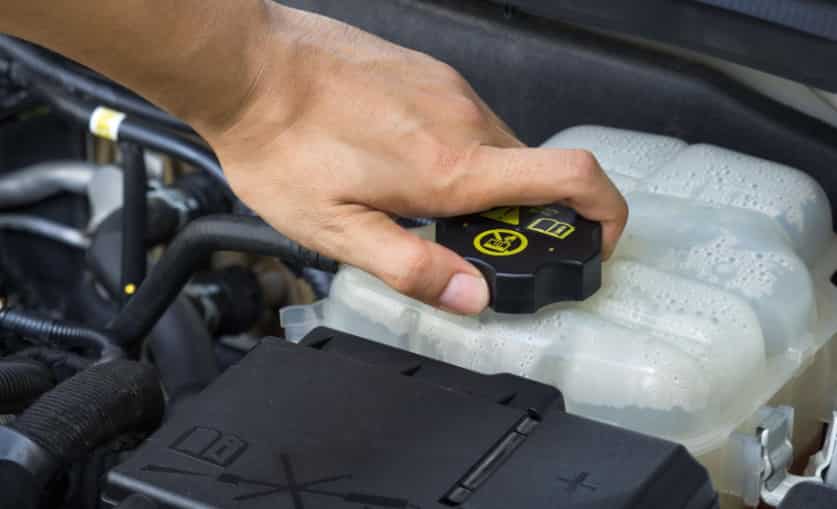
What Is Volvo Coolant Type
The Volvo coolant type refers to the factory approved antifreeze used in vehicles from Volvo. Engineers design this coolant to match the exact thermal and chemical needs of Volvo engines. It is not a generic fluid and should not be treated as interchangeable with all other coolants.
This coolant uses an ethylene glycol base. It also includes a carefully balanced package of corrosion inhibitors. These additives protect metal surfaces inside the cooling system. They reduce rust, scale buildup, and chemical wear over time.
Volvo coolant also supports stable heat transfer. The engine stays within a safe temperature range even under heavy load or extreme weather conditions. This stability helps improve engine efficiency and long term reliability.
Generic coolants often focus on broad compatibility. They may not match the specific requirements of Volvo cooling systems. This difference can lead to reduced protection and slower heat management performance.
The Volvo coolant type follows a long life formulation. It does not require frequent replacement when used under normal driving conditions. This feature helps maintain consistent protection over several years.
Understanding this coolant type is important because it acts as both a cooling agent and a protective chemical layer. It does more than control temperature. It also protects the internal structure of the engine cooling system.
Official Volvo Coolant Specifications
The coolant standards for vehicles from Volvo follow strict OEM engineering rules. These rules define how the coolant must perform under different temperature and pressure conditions inside the engine.
Volvo requires coolant that uses advanced corrosion protection technology. Most approved fluids rely on HOAT technology, which stands for Hybrid Organic Acid Technology. This system combines organic acids with traditional inhibitors to protect multiple metal types inside the engine.
The coolant must protect aluminum components effectively. Modern Volvo engines use a high amount of aluminum for weight reduction and efficiency. Without proper protection, corrosion can form and reduce engine lifespan.
Volvo also requires stable long term performance. The coolant must keep its chemical balance for several years without breaking down. This stability ensures consistent heat transfer and prevents deposit formation inside the cooling system.
Another key requirement is compatibility with mixed metal systems. Volvo engines use aluminum, steel, and composite materials. The coolant must protect all these materials without causing electrochemical reactions.
Volvo discourages the use of generic or low specification coolants. These products often fail to meet OEM standards. They may degrade faster and reduce cooling efficiency over time.
The official specification ensures that coolant supports both thermal control and engine protection. It is not only a temperature regulator but also a long term protective fluid for the entire cooling system.
Official Volvo Coolant Specifications
The coolant standards for vehicles from Volvo follow strict OEM engineering rules. These rules define how the coolant must perform under different temperature and pressure conditions inside the engine.
Volvo requires coolant that uses advanced corrosion protection technology. Most approved fluids rely on HOAT technology, which stands for Hybrid Organic Acid Technology. This system combines organic acids with traditional inhibitors to protect multiple metal types inside the engine.
The coolant must protect aluminum components effectively. Modern Volvo engines use a high amount of aluminum for weight reduction and efficiency. Without proper protection, corrosion can form and reduce engine lifespan.
Volvo also requires stable long term performance. The coolant must keep its chemical balance for several years without breaking down. This stability ensures consistent heat transfer and prevents deposit formation inside the cooling system.
Another key requirement is compatibility with mixed metal systems. Volvo engines use aluminum, steel, and composite materials. The coolant must protect all these materials without causing electrochemical reactions.
Volvo discourages the use of generic or low specification coolants. These products often fail to meet OEM standards. They may degrade faster and reduce cooling efficiency over time.
The official specification ensures that coolant supports both thermal control and engine protection. It is not only a temperature regulator but also a long term protective fluid for the entire cooling system.
Volvo Coolant Color Misconceptions
Many drivers misunderstand coolant color when working with vehicles from Volvo. They often assume that color determines compatibility. This assumption is incorrect and can lead to serious maintenance mistakes.
Coolant colors such as green, blue, pink, or yellow do not represent a universal standard. Different manufacturers use different dyes for identification purposes. The color only helps distinguish products inside a container. It does not guarantee chemical compatibility.
Volvo coolant may appear in specific colors depending on the formulation. However, the color does not define the coolant type or performance level. Two coolants with the same color can still have completely different chemical structures.
Some drivers try to match coolant based only on color when topping up fluid. This practice creates risk because incompatible coolants may mix inside the system. Mixing different chemical technologies can reduce corrosion protection and cooling efficiency.
The correct way to identify coolant is by specification, not appearance. Volvo requires coolant that meets OEM standards and HOAT based chemistry. These details matter far more than visual color indicators.
Relying on color can also lead to long term engine issues. Incorrect coolant selection may cause sludge formation or reduced heat transfer over time. These problems often appear gradually and become expensive to repair.
Understanding this misconception helps protect the engine. The safest approach is always to check technical specifications instead of depending on color.
Volvo Coolant Compatibility Guide
Coolant compatibility is one of the most important factors for vehicles from Volvo. Many engine problems start when drivers mix different coolant types without checking chemical compatibility.
Mixing coolants can create serious chemical reactions inside the cooling system. These reactions may form sludge or gel-like deposits. This buildup can block coolant flow and reduce heat transfer efficiency.
Different coolant technologies do not always work together. HOAT, OAT, and older inorganic formulas use different inhibitor systems. When mixed, they can lose their protective properties. This reduces corrosion protection and increases internal wear.
Some drivers add coolant without flushing the system. This practice increases the risk of contamination. Even a small amount of incompatible coolant can affect the entire mixture inside the radiator and engine passages.
Volvo cooling systems require consistent coolant chemistry. The system works best when only one approved coolant type is used. Mixing unknown products can disrupt thermal stability and reduce long term reliability.
Incorrect coolant combinations may also damage key components. These include the water pump, radiator, and thermostat. Over time, the engine may show overheating symptoms or inconsistent temperature control.
The safest approach is to flush the system before switching coolant types. This removes old fluid and prevents chemical interaction between different formulations.
Understanding compatibility rules helps protect engine performance and prevents costly repairs. It ensures that the cooling system works as designed under all driving conditions.
Model-Specific Volvo Coolant Requirements
Different models from Volvo can have slightly different cooling system requirements. These differences come from engine size, turbocharging systems, and thermal load characteristics.
Smaller models like XC40 and S60 usually have compact engines with efficient cooling designs. These systems still require OEM approved coolant, but they may have lower total coolant capacity compared to larger SUVs.
Mid size and large SUVs like XC60 and XC90 generate higher heat levels. Their engines often run under heavier load conditions. These vehicles require stable coolant performance to maintain safe operating temperatures during long distance driving or city traffic.
Turbocharged engines also increase cooling demands. Turbo systems generate extra heat, especially under acceleration. The coolant must handle rapid temperature changes without losing stability.
All Volvo models rely on aluminum intensive engine construction. This makes coolant compatibility even more important. The wrong coolant can cause corrosion inside sensitive components and reduce system efficiency.
Although coolant types remain similar across models, service capacity and maintenance intervals may differ. Owners should always check the official manual for exact specifications for their specific model.
Using the correct coolant for each model helps maintain engine reliability. It also ensures consistent performance across different driving conditions and climates.
Volvo Coolant Change Interval and Maintenance
Regular coolant maintenance is essential for vehicles from Volvo. The cooling system works under constant thermal stress, so the coolant gradually loses its protective performance over time.
Most Volvo vehicles use long life coolant technology. This type of coolant can last several years under normal driving conditions. However, service intervals still depend on driving habits, climate, and engine load.
Owners should follow the recommended service schedule in the vehicle manual. This schedule defines when the coolant should be inspected and replaced. Ignoring this schedule can increase the risk of overheating and internal corrosion.
There are clear signs that indicate coolant degradation. One sign is a change in coolant color or clarity. Another sign is frequent engine temperature fluctuations. Low coolant level warnings also indicate possible leaks or system issues.
Proper coolant replacement requires a full system flush. This process removes old fluid and prevents contamination from mixing different coolant types. After flushing, the system should be refilled with approved coolant that meets Volvo specifications.
Coolant maintenance also includes inspection of related components. These include the radiator, hoses, water pump, and expansion tank. Small leaks in these parts can reduce cooling efficiency and lead to long term damage.
Consistent maintenance helps maintain engine stability and prevents costly repairs. It ensures that the cooling system continues to perform effectively under all driving conditions.
Common Mistakes Volvo Owners Make
Many owners of vehicles from Volvo make simple mistakes when handling coolant maintenance. These mistakes often seem small at first, but they can lead to serious engine problems over time.
One common mistake is using universal coolant without checking specifications. Many drivers assume all coolants work the same way. This leads to compatibility issues inside the cooling system and reduces long term protection.
Another mistake is mixing different coolant types. Some owners top up the reservoir without considering what is already inside the system. This can create chemical imbalance and reduce corrosion resistance.
A frequent issue is ignoring coolant leaks. Small leaks often go unnoticed in early stages. Over time, they can cause low coolant levels and increase engine temperature under load.
Some drivers also use water as a substitute in emergency situations and forget to flush the system later. This practice reduces coolant performance and increases the risk of internal corrosion.
Another mistake is skipping coolant replacement because the fluid still looks clean. Coolant degradation is not always visible. Chemical properties can weaken even when the fluid appears normal.
Incorrect maintenance habits often lead to overheating, radiator damage, or water pump failure. These issues are expensive to repair and can often be avoided with proper care.
Understanding these mistakes helps improve engine reliability. It also ensures the cooling system continues to work as designed under all driving conditions.
Symptoms of Wrong Coolant Usage
Using the wrong coolant in vehicles from Volvo can cause gradual but serious engine problems. These symptoms often appear slowly, so many drivers do not notice them in the early stage.
One of the first signs is engine overheating. The temperature gauge may rise higher than normal during traffic or long drives. This happens because the coolant loses its ability to transfer heat efficiently.
Another common symptom is inconsistent cabin heating. When the coolant flow is disrupted, the heater may blow cold air even when the engine is warm. This indicates poor circulation inside the cooling system.
Coolant sludge formation is also a clear warning sign. Incorrect coolant mixtures can react chemically and create thick deposits. These deposits reduce flow and block narrow cooling passages.
Drivers may also notice corrosion inside the cooling system. Metal parts such as the radiator and water pump can begin to wear faster. This reduces system efficiency and increases repair costs.
Low coolant warnings may appear more frequently if the system is affected by leaks or evaporation caused by unstable coolant chemistry. These alerts should never be ignored.
In severe cases, engine performance may drop due to overheating protection modes. The vehicle may reduce power output to prevent damage.
Recognizing these symptoms early helps prevent major engine failure. It also reduces the risk of expensive repairs and long term damage to the cooling system.
How to Choose the Right Coolant for Volvo
Choosing the correct coolant for vehicles from Volvo requires attention to specification rather than appearance or brand popularity. The cooling system depends on chemical compatibility to maintain stable engine temperature and long term protection.
The first step is to check the owner manual. Each Volvo model lists the exact coolant specification required for safe operation. This information is the most reliable source for selecting the correct fluid.
The second step is to confirm OEM approval. The coolant must meet Volvo factory standards and follow HOAT based technology. This ensures compatibility with aluminum engine components and modern cooling system designs.
The third step is to avoid universal assumptions. Many products claim broad compatibility, but not all meet Volvo requirements. Using uncertified coolant increases the risk of corrosion and reduced heat transfer efficiency.
The fourth step is to decide between OEM coolant and approved aftermarket options. OEM coolant provides full factory compliance. Some aftermarket coolants can also work if they clearly meet Volvo specifications and long life requirements.
The fifth step is to verify system condition before filling new coolant. A proper flush removes old fluid and prevents mixing issues. This step ensures stable chemical balance inside the cooling system.
Following these steps helps maintain engine reliability and prevents costly damage. It also ensures the cooling system operates efficiently under all driving conditions.
Conclusion
Understanding the correct coolant type is essential for maintaining vehicles from Volvo. The cooling system depends on precise chemical balance to protect the engine and ensure stable performance under all driving conditions.
The Volvo coolant type follows strict OEM specifications. These specifications focus on long term protection, corrosion resistance, and stable heat transfer. Using the correct coolant helps maintain engine efficiency and reduces the risk of overheating.
One of the most important lessons is that coolant compatibility matters more than color or brand. Only fluids that meet Volvo approved standards should be used. Mixing or using universal coolant without verification can lead to serious engine damage over time.
Regular maintenance also plays a key role. Coolant should be checked and replaced according to the service schedule. A proper system flush helps prevent contamination and keeps the cooling system stable.
Choosing the right coolant is not just a maintenance task. It is a long term protection strategy for the engine. Correct selection helps extend engine life and reduces repair costs significantly.
By following OEM guidelines and understanding compatibility rules, Volvo owners can ensure their vehicles remain reliable, efficient, and safe in all driving conditions.