Few things make drivers more nervous than seeing the Check Engine light suddenly appear on the dashboard. After plugging in an OBD2 scanner, you discover the code Toyota P0441, and a series of questions immediately comes to mind: Is this a serious problem? Should I stop driving right away? Will continuing to drive make the issue worse?
What makes Toyota P0441 particularly frustrating is that the vehicle often appears to run normally. The engine may still idle smoothly, acceleration feels fine, and there are no obvious warning signs like rough driving or strange noises. Because the car still seems perfectly usable, many owners choose to ignore the issue and continue driving for weeks or even months.
Toyota P0441 is commonly related to the EVAP system, a component responsible for controlling fuel vapor emissions. While this code usually does not indicate an immediate engine failure, ignoring it for too long can create larger and more expensive problems later. A simple issue such as a loose gas cap may trigger the code, but in other situations the cause could involve faulty valves, vapor leaks, or damaged EVAP components.
The real question is not simply whether the car can still move. The important question is whether continuing to drive is safe and financially smart. In this guide, you will learn when Toyota P0441 is generally safe to drive with, when it becomes a warning sign that requires immediate attention, and how to avoid turning a small repair into a costly one.
What Does Toyota P0441 Actually Mean?
Before deciding whether you should continue driving, it is important to understand what Toyota P0441 really means. The P0441 code is commonly defined as “Evaporative Emission Control System Incorrect Purge Flow.” In simple terms, the vehicle has detected that fuel vapors are not moving through the EVAP system the way they should.
The EVAP system exists to prevent gasoline vapors from escaping into the atmosphere. Instead of allowing fuel fumes to leak out, the system stores them inside a charcoal canister and later sends them back into the engine to be burned during combustion. This process improves emissions and helps the vehicle meet environmental regulations.
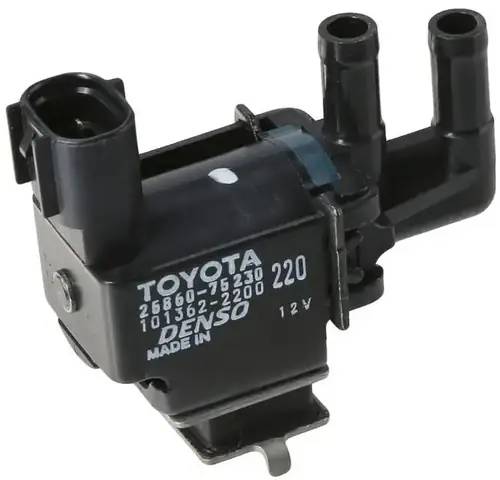
Several components work together inside the EVAP system. The purge valve controls vapor flow into the engine. The charcoal canister stores fuel vapors. Vacuum lines carry those vapors through the system, and sensors monitor pressure changes. If one of these parts stops functioning properly, Toyota may trigger the P0441 code.
An interesting fact that surprises many owners is that something as simple as a loose or improperly tightened gas cap can sometimes activate Toyota P0441. After refueling, if the cap is not tightened correctly, the system may detect an airflow issue and illuminate the Check Engine light.
Understanding this code matters because P0441 often sounds more serious than it actually is. Many drivers panic when they see an engine code, assuming major engine damage is occurring. In reality, Toyota P0441 usually points toward an emissions related issue rather than an immediate mechanical failure.
Can You Continue Driving with Toyota P0441?
This is the question most drivers ask immediately after seeing the warning code. The short answer is yes, in many cases you can continue driving with Toyota P0441, but only under certain conditions.
For most Toyota vehicles, P0441 does not immediately create dangerous driving conditions. The car may continue operating normally with no noticeable changes in performance. If your vehicle starts easily, idles smoothly, accelerates normally, and only displays the Check Engine light, driving for a short period is generally considered acceptable.
However, acceptable does not mean ideal. Continuing to drive without investigating the issue can allow a small problem to become more expensive over time.
You can usually continue driving temporarily if these conditions apply:
The engine runs normally
No fuel smell is present
No loss of power occurs
No rough idle or stalling appears
Only the Check Engine light is on
Many Toyota owners continue driving for days or even weeks because they do not feel any symptoms. Since the car behaves normally, it becomes easy to assume the problem is minor.
However, some situations require more caution. You should schedule an inspection quickly if you notice a strong gasoline smell around the vehicle, poor starting performance, unusual fuel consumption, or additional warning codes appearing alongside P0441.
The biggest mistake many drivers make is ignoring the warning because nothing feels wrong. Small EVAP problems often start inexpensive and manageable. Waiting too long can lead to larger component failures.
Risks of Continuing to Drive Too Long with Toyota P0441
Although Toyota P0441 usually does not require pulling over immediately, ignoring it for months can create several long term issues.
One common consequence is reduced fuel efficiency. If the EVAP system cannot properly manage fuel vapors, the engine may operate less efficiently. The impact may not seem dramatic at first, but fuel costs can gradually increase.
Another concern involves additional wear on EVAP components. A failing purge valve, leaking hose, or malfunctioning charcoal canister may place stress on other connected parts. Instead of replacing one small component, you could eventually face repairs involving multiple parts of the system.
Vehicle emissions testing may also become a problem. In many areas, an active Check Engine light automatically causes emissions inspection failure. Even if the car drives perfectly, registration issues can arise because of an unresolved EVAP fault.
Repair costs are where many owners feel the greatest pain. A loose gas cap may cost very little to fix. On the other hand, replacing larger EVAP components can become significantly more expensive.
Drivers often regret delaying diagnosis because the initial problem turns out to be simple. Waiting until symptoms become obvious sometimes means paying much more than necessary.
Common Causes of Toyota P0441
Once drivers realize that Toyota P0441 is not usually an immediate emergency, the next question becomes obvious: what actually causes it?
One reason this code frustrates many Toyota owners is that several different components can trigger it. Some are inexpensive and easy to fix, while others may require deeper diagnosis. Starting with the most common possibilities can save time and prevent unnecessary repair costs.
The first and often simplest cause is a loose or damaged gas cap. Many people underestimate how important this small component is. If the cap does not seal properly after refueling, pressure changes inside the EVAP system can confuse the vehicle’s sensors and trigger P0441. Something as routine as stopping for fuel can unexpectedly activate the Check Engine light.
A faulty purge valve is another common culprit. This valve controls how fuel vapors move from the charcoal canister into the engine. If it sticks open or closed, vapor flow becomes abnormal and the system detects an issue.
Vacuum hose leaks also frequently appear behind Toyota P0441 cases. Over time, rubber hoses can crack, become brittle, or loosen due to heat and age. Even a small leak can disrupt pressure readings and create inconsistent EVAP operation.
The charcoal canister itself may also fail. Since it stores fuel vapors, contamination or internal damage can eventually reduce its effectiveness.
Some vehicles may experience EVAP pressure sensor failures. Although less common, incorrect sensor readings can create confusion for the engine computer and generate misleading codes.
Understanding these causes matters because replacing parts randomly often wastes money. Diagnosis should move from simple and inexpensive possibilities toward more complex repairs.
Quick Things to Check Before Visiting a Repair Shop
Many Toyota owners immediately assume they need professional service when P0441 appears. In reality, there are several basic checks you can perform before scheduling a repair appointment.
Start by inspecting the gas cap. Remove it and check for damaged rubber seals, dirt buildup, or visible cracks. Reinstall the cap carefully and tighten it until you hear multiple clicks. Surprisingly, this simple step alone solves the issue for some drivers.
Next, pay attention to fuel smells. Walk around the vehicle after parking and check near the fuel filler area. A noticeable gasoline odor may suggest vapor leaks somewhere in the EVAP system.
If you own an OBD2 scanner, clear the code after tightening the gas cap and drive normally for several days. If the warning does not return, the issue may have been temporary.
You should also observe how the vehicle behaves during cold starts and regular driving. Watch for rough idle, hesitation, hard starting, or changes in fuel economy.
Many owners repeatedly clear Toyota P0441 without investigating the source. This creates a false sense of relief because the warning disappears temporarily. If the code continues returning, resetting alone will never solve the underlying problem.
Small preventive checks often save both money and stress.
When Should You Stop Driving and Seek Immediate Inspection?
Although Toyota P0441 is often manageable, there are situations where continuing to drive becomes a bad idea.
A strong fuel smell inside or around the vehicle deserves immediate attention. Escaping fuel vapors may indicate larger EVAP leaks that should not be ignored.
Difficulty starting the engine can also become a warning sign. Problems inside the purge system sometimes affect air and fuel balance, making startup behavior unpredictable.
Pay attention if additional diagnostic codes appear alongside P0441. Multiple codes can indicate broader system problems rather than a single isolated EVAP issue.
Noticeable drops in engine performance should also raise concern. If acceleration feels weak, idle becomes rough, or stalling begins occurring, the problem may have expanded beyond emissions alone.
Many drivers wait because the vehicle still technically moves. However, a car being drivable does not automatically mean it should continue operating without inspection.
Ignoring early warning signs can transform a simple repair into an expensive chain of component failures.
Conclusion
In most situations, Toyota P0441 is not considered an emergency code, and many drivers can continue using their vehicle for a short period without experiencing immediate performance problems. If the engine runs smoothly, there are no unusual smells, and the vehicle behaves normally aside from the Check Engine light, the situation is often manageable.
However, that does not mean the warning should be ignored indefinitely.
The biggest mistake many vehicle owners make is assuming that a car driving normally means nothing is wrong. Toyota P0441 often starts as a relatively minor EVAP system issue. Sometimes the cause is as simple as a loose gas cap. In other situations, a faulty purge valve, damaged hose, or failing charcoal canister may be responsible. Delaying diagnosis can allow small issues to become larger and more expensive repairs.
Think of Toyota P0441 as an early warning rather than a crisis. It gives you time to investigate before the problem develops into something more serious. Taking action early can save money, reduce stress, and prevent unnecessary parts replacement.
If your Toyota displays code P0441, do not panic. Perform a few simple checks, monitor the vehicle carefully, and pay attention to any new symptoms that appear. A little attention now can prevent a much bigger headache later.
Have you experienced Toyota P0441 on a Camry, Corolla, RAV4, Tacoma, or another model? Did your issue turn out to be a simple fix or a larger repair? Share your experience and vehicle details in the comments. Your situation could help other Toyota owners facing the same problem.