Your vehicle’s paint does far more than make your Toyota look attractive in the driveway. It serves as a protective layer against moisture, harsh weather, road debris, and corrosion. That is why discovering peeling paint, fading color, or unexpected rust can quickly turn from a cosmetic concern into a costly problem. Many Toyota owners are surprised when they notice the finish deteriorating long before they expected, especially after investing in a brand known for durability and long term reliability.
The confusion begins when owners try to understand the Toyota Paint Warranty. Does it cover paint that starts peeling after a few years? What if the color fades from constant sun exposure? Does rust automatically qualify for repair coverage? These questions often become frustrating because warranty terms can feel unclear, and many drivers assume any exterior defect is automatically covered.
The reality is more complicated. Coverage often depends on the cause of the damage rather than the damage itself. Manufacturing defects, environmental conditions, maintenance habits, and vehicle age can all influence whether a warranty claim is approved. This uncertainty creates a major pain point for owners who fear paying hundreds or even thousands of dollars for repainting or body repair costs.
In this guide, you will learn exactly what Toyota Paint Warranty may cover, where common exclusions apply, and what steps can improve your chances of a successful claim.
Understanding Toyota Paint Warranty Basics
Before determining whether peeling paint, fading color, or rust damage qualifies for repair, owners first need to understand how Toyota Paint Warranty works. One of the biggest sources of frustration is that many people assume every issue affecting the exterior finish automatically falls under warranty protection. In reality, warranty coverage is usually based on the root cause of the problem rather than visible symptoms.
Toyota generally provides limited warranty protection for defects originating from factory materials or workmanship. This means the warranty is designed to address issues caused during manufacturing rather than damage that develops through normal use, weather exposure, accidents, or poor maintenance habits.
Many owners also confuse paint warranty protection with corrosion coverage. These are separate categories with different rules and time periods. Paint related protection usually focuses on defects in the painted surface itself. Corrosion coverage often applies only when rust progresses to a severe level, particularly when metal becomes perforated from inside out.
This distinction creates confusion because a driver may notice rust forming and immediately assume paint failure caused the problem. A dealership inspection, however, may classify it differently. Surface rust, stone chip damage, or environmental contamination may not be treated the same way as a manufacturing defect.
Another challenge involves timing. Paint issues that appear shortly after purchase often receive stronger consideration than defects discovered many years later. Dealers frequently evaluate service history, exposure conditions, maintenance practices, and whether external factors may have accelerated damage.
Understanding these basics can save owners significant time and frustration before filing a claim. It also prevents unrealistic expectations that may lead to disappointment during dealership evaluations.
Does Toyota Paint Warranty Cover Paint Peeling?
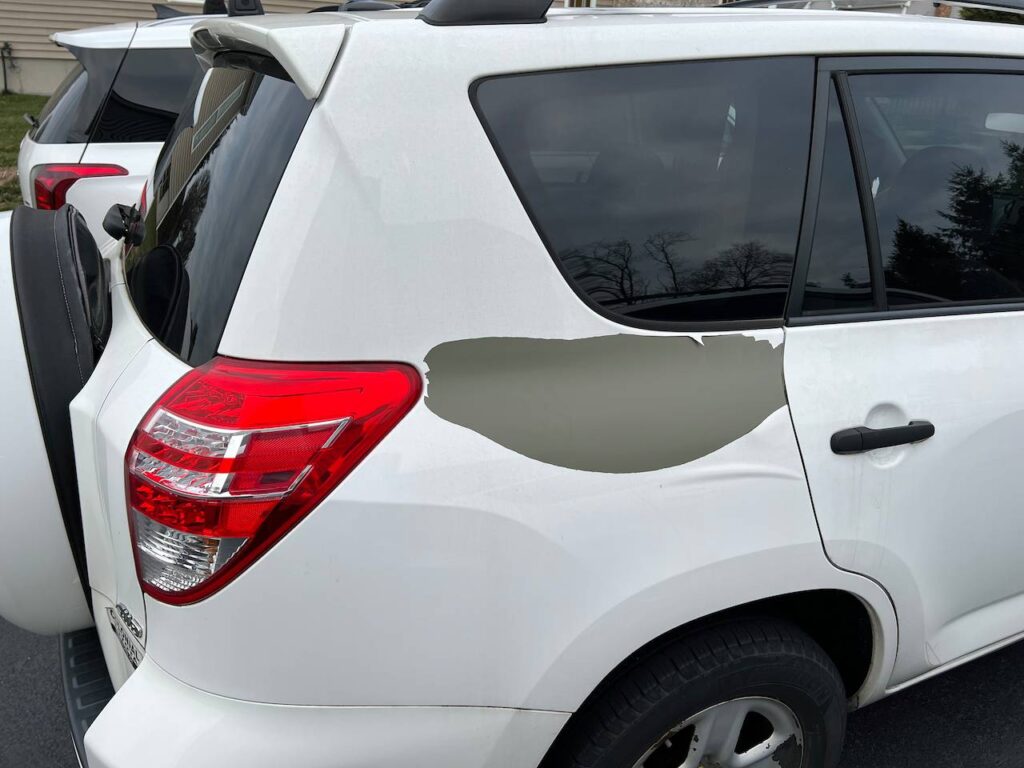
Paint peeling is one of the most alarming issues vehicle owners encounter. A small area of lifting paint can quickly spread across larger sections of body panels, exposing primer and bare metal beneath. Beyond appearance concerns, peeling can eventually increase the risk of corrosion and reduce resale value.
The important question is whether Toyota Paint Warranty covers this type of issue. The answer often depends on why the paint failed.
If peeling results from factory defects such as poor paint adhesion, improper preparation during manufacturing, or material issues, warranty coverage may apply. In these situations, the paint separates because of production related problems rather than outside damage.
Some owners have reported concerns involving specific paint colors and production years where premature peeling appeared more frequently than expected. White paint variants have historically generated significant owner discussion in automotive communities because lighter colors occasionally showed adhesion issues over time.
Dealership technicians typically investigate several factors before making a decision. They may inspect paint thickness, panel condition, evidence of previous repairs, and signs of environmental damage.
Claims frequently become more difficult when any of the following conditions are present:
Paint damage after collision repairs
Improper repainting work
Damage caused by road debris
Chemical contamination
Lack of maintenance
Long term neglect
This process creates another major pain point for owners. A driver may see obvious peeling and assume the defect clearly originated at the factory. The dealership inspection may reach a different conclusion, leaving owners frustrated and facing expensive repair estimates.
Documenting the problem early can improve outcomes. Clear photographs, maintenance records, and service history can strengthen the case if peeling continues spreading.
Fun fact. Certain automotive paint colors across the industry statistically generate more customer complaints simply because lighter finishes reveal imperfections and adhesion problems more visibly.
Does Toyota Paint Warranty Cover Paint Fading?
Paint fading creates a different challenge because the cause is often harder to identify. Unlike peeling, where visible separation occurs, fading develops gradually over time. Many owners only notice the problem after comparing body panels under direct sunlight or observing uneven color changes.
Sun exposure is one of the most common reasons paint loses its original appearance. Continuous ultraviolet radiation can slowly break down protective layers and reduce color intensity. Vehicles parked outdoors every day in hot climates often experience stronger exposure compared with garage stored vehicles.
The issue becomes determining whether fading occurred because of a manufacturing defect or ordinary environmental conditions.
Toyota Paint Warranty generally focuses on defects tied to factory workmanship. Natural wear from years of sunlight exposure often falls into a different category. Dealership inspectors may evaluate multiple factors before deciding whether fading qualifies for coverage.
Common inspection considerations include:
Consistency of color loss
Exposure patterns
Condition of surrounding panels
Evidence of maintenance neglect
Signs of chemical exposure
Previous repair work
This situation often becomes especially frustrating for owners because paint fading can appear severe while remaining difficult to prove as a manufacturing issue. Someone living in a hot climate may believe the paint deteriorated too quickly, while inspectors may classify the problem as normal environmental wear.
The financial concern can also be substantial. Correcting widespread fading frequently requires repainting large sections of the vehicle rather than isolated touch ups. Costs can quickly climb, making warranty approval extremely important for affected owners.
Understanding how fading is evaluated allows Toyota owners to approach claims more realistically and prepare stronger supporting documentation.
Does Toyota Paint Warranty Cover Rust?
Rust concerns many vehicle owners more than peeling or fading because corrosion can affect both appearance and long term structural integrity. A small rust spot may seem harmless initially, but once corrosion begins spreading beneath the surface, repair costs can increase dramatically. Many Toyota owners assume that any rust automatically falls under Toyota Paint Warranty, but the reality is more complex.
The first distinction dealerships typically make is whether the problem involves surface rust or corrosion perforation. Surface rust appears on the outer layer of metal and often develops after paint damage, scratches, stone chips, or prolonged exposure to moisture. Corrosion perforation refers to rust that progresses through the metal itself and creates actual holes or penetration.
This difference matters because warranty terms often focus on severe corrosion rather than early stage surface oxidation. A rust spot around a chip in the paint may not receive the same treatment as a structural corrosion defect originating from inside body panels.
Dealership inspections commonly focus on areas where moisture tends to accumulate. Wheel wells, lower door sections, underbody areas, trunk edges, and panel seams frequently receive careful evaluation. Technicians may also look for evidence of accident repairs or aftermarket body work that could affect corrosion patterns.
A common source of disappointment occurs when owners discover rust developing around chipped paint or damaged surfaces. While the owner may view rust as a manufacturing issue, dealerships may determine that external damage allowed moisture to reach exposed metal.
The timing of rust discovery also plays a role. Owners who identify and report corrosion early may improve their chances of avoiding larger repair expenses. Waiting too long can create uncertainty around the origin and progression of the damage.
Understanding these distinctions helps owners approach warranty discussions with realistic expectations and stronger documentation.
Common Toyota Paint Warranty Exclusions
One of the biggest frustrations for vehicle owners occurs when they discover that visible damage does not automatically guarantee warranty approval. Many paint related issues fall into exclusion categories because the damage originates from external conditions rather than manufacturing defects.
Environmental exposure creates one of the most common reasons claims become difficult. Bird droppings, insect residue, tree sap, industrial fallout, road salt, and harsh contaminants can slowly damage paint surfaces when left untreated. These substances may appear harmless initially, but over time they can penetrate protective layers and affect finish quality.
Improper maintenance can create additional challenges. Automated car washes using abrasive materials, harsh chemical cleaners, neglected paint care, or failure to remove contaminants promptly can contribute to deterioration.
Aftermarket modifications may also affect claim outcomes. Ceramic coatings, repainting work, protective films, and body modifications sometimes complicate dealership evaluations because technicians may have difficulty determining whether changes influenced paint performance.
Accident repairs represent another important consideration. Once a panel has undergone repair or repainting, dealerships often investigate whether previous work contributed to the current issue.
Climate conditions can further complicate matters. Vehicles regularly exposed to extreme sunlight, coastal salt air, heavy snow regions, or severe weather conditions naturally endure greater environmental stress.
This creates a major pain point for owners because many believe the warranty protects against every visible issue affecting the vehicle exterior. Learning about exclusions before filing a claim can help reduce frustration and create more realistic expectations.
How to File a Toyota Paint Warranty Claim Successfully
When paint peeling, fading, or rust appears, many owners make the mistake of immediately assuming approval or denial before gathering evidence. The strongest warranty claims usually begin with thorough preparation.
Start by documenting the issue as early as possible. Take high quality photographs from multiple angles and include close up images alongside wider views showing affected areas. Date stamped photos can become valuable evidence if damage continues spreading.
Next, gather maintenance records and service history. Documentation showing regular inspections, scheduled maintenance, and proper vehicle care may strengthen your position during evaluation.
After organizing evidence, contact an authorized Toyota dealership and request an inspection. Service advisors typically schedule appointments where technicians evaluate the condition and determine whether the issue appears related to factory workmanship.
During the visit, ask questions and request detailed explanations regarding findings. If possible, obtain written documentation outlining the inspection results. Written records become especially important if disagreements arise later.
Some owners experience situations where initial claims are denied despite believing the damage originated from manufacturing defects. In these cases, escalation options may exist through customer support channels or additional review procedures.
Remaining professional throughout the process can significantly improve communication. Warranty discussions often become emotional because repainting and body repairs can cost hundreds or even thousands of dollars. Approaching the claim with organized evidence and realistic expectations frequently creates better outcomes.
Owners who act quickly and document problems early often place themselves in a stronger position than those waiting until deterioration becomes severe.
Conclusion
Understanding Toyota Paint Warranty can save owners from unnecessary stress, confusion, and expensive repair bills. While many people assume peeling paint, fading color, or rust automatically qualify for warranty protection, coverage often depends on one critical factor: identifying the true cause of the damage. Manufacturing defects may receive consideration, while environmental exposure, maintenance issues, accidents, or normal wear can lead to claim limitations or denial.
Paint problems can feel especially frustrating because they often begin as small cosmetic concerns before becoming larger and more expensive issues. A minor peeling area may spread across a door panel. Slight fading can eventually affect the vehicle’s overall appearance and resale value. Rust that appears insignificant at first can develop into a much more serious concern if ignored. This uncertainty creates anxiety for owners who want to protect both their investment and the long term condition of their vehicle.
The most important step is acting early. Document any changes immediately, maintain service records, and seek dealership inspection before problems worsen. Waiting too long can complicate claims and make it more difficult to determine whether the issue originated from a factory defect or outside influence.
Toyota Paint Warranty may provide valuable protection in certain situations, but understanding the details gives owners the best chance of avoiding unexpected costs and disappointment.
Have you experienced paint peeling, fading, or rust issues on your Toyota? Share your experience and let other owners know whether your warranty claim was approved or denied.