Many Toyota owners ask the same question after seeing the price of genuine transmission fluid: do you really need factory fluid, or can a less expensive equivalent do the same job? The answer is not always simple. Choosing automatic transmission fluid is very different from choosing engine oil. A wrong decision can affect shift quality, fuel economy, transmission temperature, and long term reliability.
Toyota ATF WS, also known as Toyota World Standard fluid, is used in a wide range of vehicles including Camry, Corolla, RAV4, Highlander, Tacoma, Sienna, and many Lexus models. Yet many drivers become overwhelmed when searching for alternatives because shelves are filled with products labeled “compatible with Toyota WS” or “multi vehicle ATF.”
This creates several concerns. Drivers worry about rough shifting, transmission damage, or spending thousands on repairs because they selected the wrong fluid. Others simply want to lower maintenance costs without sacrificing reliability. The challenge is figuring out which products truly meet Toyota specifications and which rely on marketing claims.
This updated Toyota ATF WS Cross Reference List for 2026 will help you identify compatible fluids, understand technical specifications, and avoid common mistakes that can shorten transmission life.
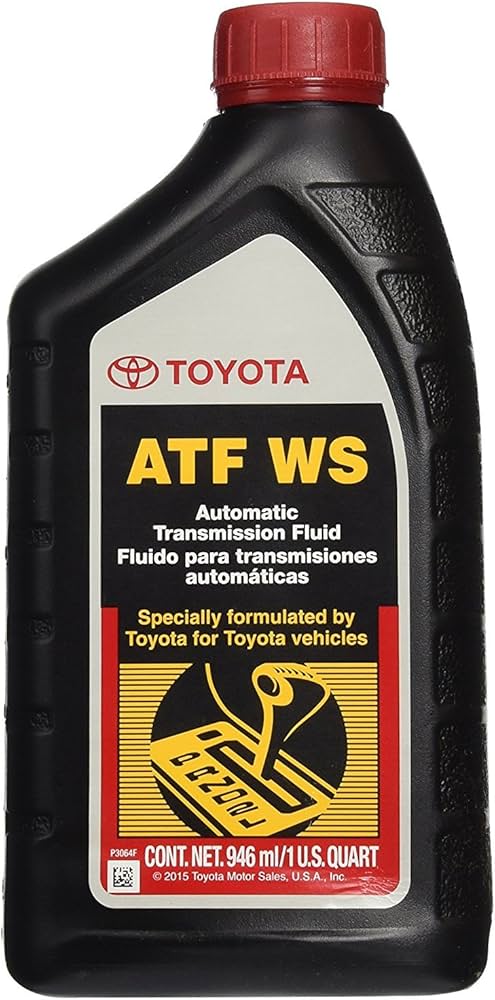
What Is Toyota ATF WS?
Toyota ATF WS stands for Toyota World Standard Automatic Transmission Fluid. Toyota introduced this fluid to support newer transmission designs that required lower viscosity fluid for improved efficiency, smoother shifting, and better fuel economy. Compared with older formulations such as Toyota T IV fluid, WS fluid was designed to operate with tighter engineering tolerances and more advanced transmission systems.
Toyota uses ATF WS across many modern vehicles. Popular examples include Camry, Corolla, RAV4, Highlander, Tacoma, Prius, Sienna, and multiple Lexus models. Owners often assume automatic transmission fluids are interchangeable, but Toyota engineered WS around specific friction characteristics and thermal performance requirements.
One major reason Toyota WS differs from traditional fluids is viscosity. Lower viscosity fluid flows more efficiently at startup and reduces internal drag. This can improve fuel economy while helping transmissions deliver smoother shift patterns. However, that benefit creates an important limitation. Not every transmission fluid can safely replicate these characteristics.
A common mistake occurs when drivers confuse Toyota WS with Dexron products or older Toyota T IV fluid. Although labels may appear similar, the additive packages and friction properties can vary significantly. Even small differences may affect clutch engagement behavior inside the transmission.
An interesting fact surprises many Toyota owners. Some transmission issues blamed on mechanical failure actually begin with incorrect fluid selection. Drivers sometimes spend money replacing components before realizing the fluid itself caused the problem.
Understanding Toyota WS specifications before purchasing an alternative can save substantial money and reduce the risk of long term transmission damage.
Toyota ATF WS Cross Reference List Updated for 2026
Many aftermarket manufacturers now produce transmission fluids marketed as Toyota WS compatible products. However, not all products perform equally. Some are developed specifically around Toyota and Japanese transmission applications, while others use broad multi vehicle formulas.
Below is an updated Toyota ATF WS Cross Reference List for 2026 commonly referenced by mechanics and vehicle owners.
| Brand | Product | Notes |
|---|---|---|
| Idemitsu | ATF Type TLS LV | Strong OEM supplier reputation |
| Valvoline | MaxLife Multi Vehicle ATF | Popular and widely available |
| Castrol | Transmax Import Multi Vehicle | Frequently used for import vehicles |
| Aisin | WS ATF | Strong relationship with Toyota supply chain |
| Mobil | Multi Vehicle ATF | Verify specific application details |
| Amsoil | Signature Series Fuel Efficient ATF | Premium synthetic formulation |
| Ravenol | ATF T WS Lifetime | Designed for WS specification support |
Valvoline MaxLife remains one of the most commonly discussed alternatives because of broad availability and competitive pricing. Many owners appreciate its cost effectiveness for high mileage vehicles.
Aisin attracts attention because of its close ties with Toyota manufacturing and parts supply. This creates greater confidence among owners seeking an OEM style experience without dealership pricing.
Amsoil often appeals to enthusiasts looking for premium synthetic formulations and extended performance claims. Although more expensive, some drivers prefer its thermal stability under demanding conditions.
One important point deserves attention. Cross reference lists are starting points rather than universal guarantees. Transmission calibration varies between vehicle generations, drivetrain configurations, and regional specifications.
Choosing fluid based only on popularity can become risky. Verification matters more than internet recommendations.
How to Verify Whether an ATF Is Truly Compatible
One of the biggest mistakes vehicle owners make is trusting marketing text on the front of a bottle. Large labels may say “works with Toyota WS applications” while the actual technical specifications reveal a different story.
The first step involves checking for JWS 3324 specification references. Toyota WS fluid commonly aligns with this standard. A compatible fluid should clearly indicate specification support in official documentation.
The second step is reviewing the Technical Data Sheet. Many consumers ignore this information because it appears overly technical. However, it often contains the details that determine whether a product genuinely matches Toyota requirements.
Look for information related to viscosity performance, friction characteristics, operating temperature behavior, and approved applications. Manufacturers sometimes use phrases such as “recommended for use” instead of explicit approval language.
That wording difference matters.
An OEM approval generally indicates a stronger validation process than broad compatibility recommendations. Some products may perform adequately in certain situations while lacking formal testing for Toyota applications.
Many drivers purchase fluid after noticing the words “Toyota compatible” on packaging and assume the decision process ends there. Unfortunately, marketing language can create a false sense of confidence.
A few extra minutes reviewing technical documentation may help avoid shift problems, overheating issues, and expensive repair bills later. Transmission replacement costs can quickly exceed the amount saved by choosing the cheapest fluid on the shelf.
OEM Toyota WS vs Aftermarket Equivalent
One of the most common questions among Toyota owners is whether genuine Toyota WS fluid is worth the extra cost. Dealership fluid often carries a higher price tag, which naturally pushes drivers to explore aftermarket alternatives. The decision becomes a balance between cost savings, confidence, and long term reliability.
Toyota genuine WS fluid is developed specifically for Toyota transmission systems. It is engineered to meet exact friction requirements, viscosity targets, and thermal performance standards expected by Toyota transmissions. Many owners prefer genuine fluid because it removes uncertainty from the maintenance process. There is comfort in knowing the product was designed around the vehicle from the start.
Aftermarket equivalents take a different approach. Most manufacturers create multi vehicle formulations designed to support numerous transmission standards within one product. This flexibility can lower costs and improve availability. Products from brands such as Valvoline, Aisin, Idemitsu, and Amsoil have developed strong reputations among technicians and enthusiasts.
Price is usually the first factor people notice. Genuine Toyota WS often costs significantly more than alternative options. For owners performing routine maintenance on older vehicles, savings become meaningful over multiple service intervals.
Availability also affects buying decisions. Genuine fluid may require dealership visits or special orders in some regions, while aftermarket alternatives are commonly found at local auto parts stores and online retailers.
The downside appears when drivers assume every aftermarket product performs identically. Some fluids may claim compatibility while lacking proven long term performance data. Others may perform well in one Toyota model but show inconsistent shift behavior in another.
For owners of newer vehicles still under warranty, genuine fluid often provides additional peace of mind. Owners of older vehicles may place greater value on cost effectiveness and accessibility.
The best choice depends on vehicle age, driving conditions, maintenance goals, and individual comfort level with aftermarket products.
Risks of Using the Wrong Fluid
Transmission fluid does far more than lubricate moving parts. It controls hydraulic pressure, manages heat, affects clutch engagement, and influences overall transmission behavior. Because of this, selecting the wrong fluid can create problems that gradually worsen over time.
One of the earliest warning signs is rough or delayed shifting. Drivers may notice hesitation during acceleration or unexpected behavior between gears. Initially these symptoms can seem minor, leading many people to ignore them.
Another common issue involves transmission slipping. Engine speed increases while vehicle acceleration feels weak or inconsistent. This often happens because fluid friction properties no longer match transmission design requirements.
Heat creates another serious concern. Automatic transmissions generate substantial operating temperatures, and fluid plays a critical role in heat management. Incorrect fluid formulations may reduce cooling efficiency, accelerating internal wear.
Long term damage can become expensive. Clutch materials may wear prematurely. Valve body operation can become inconsistent. Internal components may suffer gradual deterioration before symptoms become obvious.
What makes this situation frustrating is that many drivers never suspect the fluid itself. Instead, they blame sensors, software, or mechanical failure.
Many technicians have seen cases where replacing incorrect fluid restored transmission behavior without major repairs. In other situations, continued use eventually led to rebuild costs reaching several thousand dollars.
A small maintenance decision can sometimes create surprisingly large consequences.
Frequently Asked Questions
Can I mix Toyota WS with other ATF?
Mixing transmission fluids is generally not recommended unless the manufacturer specifically confirms compatibility. Different additive packages can interact unpredictably and potentially affect shift quality. If topping off becomes necessary during an emergency, consult the fluid manufacturer and verify compatibility information.
Can I use Dexron VI instead of Toyota WS?
Many drivers ask this question because Dexron products are widely available. Although some multi vehicle fluids may support both specifications, standard Dexron VI should not automatically be treated as a direct replacement. Friction characteristics and viscosity targets may differ.
Who actually manufactures Toyota genuine ATF?
Toyota does not always produce every fluid directly. Industry discussions frequently point toward major suppliers such as Idemitsu and Aisin for various Toyota fluid products. Supplier relationships can vary by region and production cycle.
How often should Toyota WS fluid be changed?
Some Toyota service schedules once described WS fluid as lifetime fluid. However, many technicians and experienced owners prefer more conservative intervals, particularly under severe driving conditions such as towing, heavy traffic, mountain driving, or high temperatures. Preventive maintenance often proves cheaper than transmission repairs.
Conclusion
Choosing a transmission fluid should never become a guessing game, especially when modern Toyota transmissions depend heavily on precise fluid characteristics. While many bottles may advertise Toyota compatibility, not every product delivers the same friction behavior, thermal stability, or long term performance expected by Toyota engineering standards.
This updated Toyota ATF WS Cross Reference List for 2026 provides a practical starting point for narrowing down safe alternatives. Products from established brands can offer excellent performance and meaningful cost savings, but the smartest approach goes beyond brand recognition. Reading technical specifications, checking JWS compatibility information, and understanding your vehicle’s requirements matter far more than marketing claims on packaging.
For many owners, the biggest challenge is balancing cost with confidence. Saving money on maintenance feels good until the wrong fluid creates rough shifting, overheating, or transmission wear that turns into a repair bill worth thousands. A few extra minutes of research can prevent expensive mistakes later.
Whether you drive a Camry, Corolla, RAV4, Tacoma, Highlander, or Lexus model, selecting the correct transmission fluid remains one of the most important maintenance decisions you can make for long term reliability.
Which Toyota model are you driving, and have you ever used an alternative Toyota WS fluid instead of genuine fluid? Share your experience and help other owners make a smarter decision.