Imagine getting into your Toyota, pressing the start button, and seeing nothing happen except a flashing security light on the dashboard. For many Toyota owners, this situation becomes frustrating very quickly because the vehicle may crank normally but still refuse to start. In many cases, the real culprit is the Toyota B2799 code.
The B2799 trouble code is linked to the vehicle’s immobilizer and anti theft communication system. This system is designed to prevent unauthorized engine starts by ensuring proper communication between the smart key, transponder chip, immobilizer ECU, and engine control module. When that communication fails, the vehicle may disable ignition entirely.
What makes this issue even more stressful is that the symptoms often resemble other common problems such as a weak battery, bad starter, fuel delivery failure, or even a damaged ECU. As a result, many owners spend hundreds or even thousands of dollars replacing unnecessary parts before discovering the actual cause.
Certain Toyota and Lexus models are known to experience B2799 more frequently due to aging electrical systems, smart key vulnerabilities, battery voltage instability, or immobilizer synchronization issues. Vehicles like the Camry, Corolla, Prius, RAV4, and Highlander are among the most commonly reported models.
In this guide, you will learn which vehicles are most affected by the Toyota B2799 code, why the problem happens, the warning signs to watch for, and possible solutions that may save you from expensive dealership repairs.
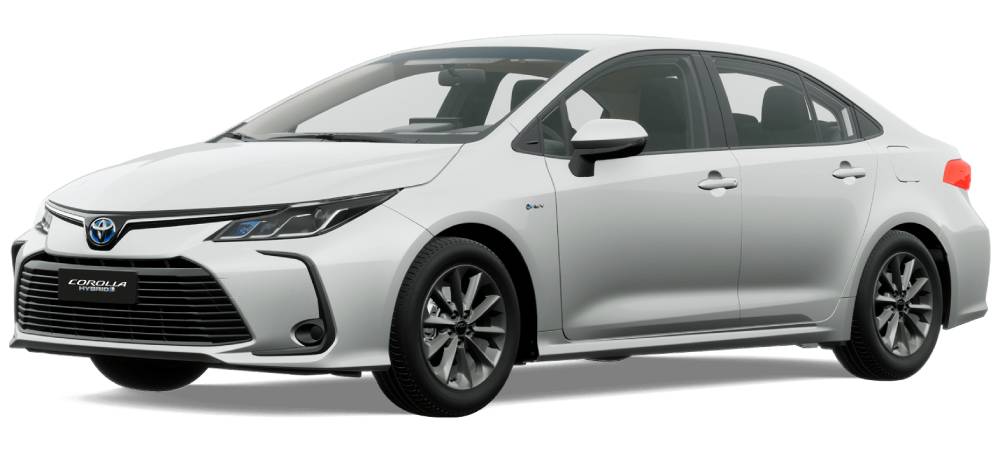
What Does Toyota B2799 Code Mean?
The Toyota B2799 code is an immobilizer communication error that occurs when the engine control module cannot properly communicate with the vehicle’s anti theft system. Toyota vehicles use an immobilizer system to verify that the correct key is being used before allowing the engine to start. If this verification process fails, the vehicle may completely disable ignition even if the battery and starter appear to function normally.
In most Toyota models, the immobilizer system consists of several components working together. These include the transponder chip inside the key or smart key fob, the immobilizer ECU, the engine control module, and the antenna coil that reads the key signal. When one of these components fails to communicate correctly, the B2799 code may appear.
Drivers commonly report symptoms such as the engine cranking but not starting, flashing security lights, intermittent no start conditions, or dashboard messages saying the smart key cannot be detected. In some cases, the vehicle may suddenly stop recognizing a previously working key after a battery replacement or electrical repair.
One reason this code creates so much confusion is because the symptoms often mimic fuel system or starter problems. Many owners initially replace batteries, starters, alternators, or fuel pumps before discovering the immobilizer system is actually responsible for the issue. This leads to unnecessary repair costs and wasted time.
Toyota B2799 is especially frustrating because the vehicle may start normally one day and fail completely the next. Intermittent communication failures inside the anti theft system make the problem difficult to diagnose without proper scanning tools and electrical testing procedures.
Why Certain Toyota Vehicles Commonly Get B2799 Code
Not every Toyota model experiences immobilizer issues at the same rate. Certain vehicles are more vulnerable to the B2799 code because of their electronic architecture, smart key technology, and aging wiring systems. As these vehicles accumulate mileage and years of use, communication failures inside the anti theft system become more common.
One major factor is the increased reliance on smart key systems. Modern Toyota vehicles use sophisticated encrypted communication between the key fob and multiple electronic control modules. While this improves security, it also creates more opportunities for synchronization failures. Even a slight voltage fluctuation can interrupt communication between the immobilizer ECU and the engine control module.
Battery health is another common trigger. Many Toyota owners report the B2799 code appearing after replacing the battery, jump starting the vehicle, or leaving the car unused for an extended period. Low voltage conditions can temporarily corrupt immobilizer memory or prevent proper key authentication during startup.
Environmental conditions also play a role. Moisture intrusion near wiring harnesses or ECU compartments may lead to intermittent electrical faults. SUVs and crossover models are particularly vulnerable because water exposure around doors, tailgates, or cabin seals can gradually affect sensitive electronics over time.
Aftermarket alarm systems and remote starters are another major contributor. Improper installations sometimes interfere with Toyota’s factory anti theft communication network. In some situations, owners begin experiencing random no start conditions months after installing third party electronic accessories.
A frustrating reality for many drivers is that the symptoms rarely point directly to the immobilizer system. A vehicle that suddenly refuses to start often causes owners to suspect the starter motor, fuel pump, or alternator first. By the time the real issue is identified, many people have already spent significant money replacing parts that were never faulty in the first place.
Toyota Camry Models Commonly Affected
The Toyota Camry is one of the most commonly reported vehicles associated with the B2799 immobilizer code. Models produced between 2007 and 2015 appear especially vulnerable due to aging smart key systems, electrical wear, and immobilizer communication failures that develop over time.
Many Camry owners first notice the problem when the vehicle suddenly refuses to start despite having a fully charged battery. In some cases, the dashboard security light continues flashing while the engine cranks normally without ignition. Other drivers report intermittent starting issues where the car works perfectly for days before unexpectedly failing again.
One common trigger involves battery replacement or low voltage conditions. After installing a new battery, some Camry owners discover that the immobilizer system no longer recognizes the smart key correctly. This can create panic because the vehicle may appear completely disabled even though no major mechanical failure exists.
The Camry’s heavy reliance on push button start technology in higher trim levels also contributes to immobilizer sensitivity. Communication interruptions between the smart key ECU and engine control module may trigger the B2799 code even when the key fob battery itself is still functional.
Another issue involves aging wiring and connectors near the steering column and dashboard areas. Over time, heat cycles, vibration, and moisture exposure may weaken electrical connections. These intermittent faults are difficult to diagnose because the vehicle may temporarily function normally during inspections.
Many Camry owners initially assume the starter motor or fuel system is responsible for the no start condition. Unfortunately, this often results in unnecessary repairs that do not solve the actual problem. Dealership diagnostic costs and immobilizer programming fees can quickly become expensive, especially if multiple components are replaced without proper testing.
Despite the seriousness of the symptoms, the B2799 code in Camry models is frequently caused by communication errors rather than catastrophic ECU failure. Early diagnosis using an advanced OBD2 scanner and proper electrical testing can often prevent costly repairs and extended downtime.
Toyota Corolla Models Commonly Affected
The Toyota Corolla is another vehicle frequently associated with the B2799 immobilizer code, particularly models produced between 2009 and 2018. Although the Corolla has a reputation for reliability, many owners eventually encounter immobilizer communication issues as the vehicle ages and electronic components begin to wear.
One of the most common complaints involves the engine cranking normally but refusing to start. Drivers often notice the security indicator flashing continuously while the vehicle fails to recognize the key. In colder climates, the issue may become more noticeable because low temperatures can reduce battery performance and weaken communication between the immobilizer system and the engine control module.
Many Corolla owners mistakenly believe the problem is related to the starter motor, alternator, or fuel pump. This confusion happens because the symptoms closely resemble traditional mechanical failures. In reality, the immobilizer system may simply be preventing ignition due to a failed authentication process between the transponder key and the vehicle’s ECU.
Older Corolla models using traditional transponder keys can also experience antenna coil failures near the ignition cylinder. When this occurs, the system struggles to read the chip embedded inside the key. Even if the key itself is undamaged, the vehicle may still trigger the B2799 code because the communication signal becomes unstable.
Battery replacement is another common trigger for Corolla owners. After disconnecting power, some immobilizer systems may temporarily lose synchronization with the key or ECU. This creates a frustrating situation where the car appears completely disabled immediately after what should have been a routine maintenance procedure.
Another contributing factor is long term electrical wear. Over time, connectors and wiring harnesses may develop corrosion or weak contact points. Because these faults are often intermittent, diagnosing the exact source of the communication failure can become difficult without professional diagnostic equipment.
Fortunately, many Corolla related B2799 cases can be resolved without replacing major components. Checking battery voltage, testing a spare key, inspecting immobilizer fuses, and performing ECU resets often solve the issue before expensive dealership repairs become necessary.
Toyota Prius and Hybrid Models
Toyota Prius and other hybrid models are particularly sensitive to immobilizer communication issues because of their complex electrical architecture. Unlike conventional gasoline vehicles, hybrids rely heavily on multiple control modules working together in perfect synchronization. When communication problems occur between the smart key system and the immobilizer ECU, the B2799 code may prevent the vehicle from entering READY mode entirely.
Many Prius owners first experience the issue after replacing the small 12 volt auxiliary battery. Even though the hybrid battery remains functional, the vehicle may suddenly stop recognizing the smart key or fail to initialize the startup sequence properly. This situation creates confusion because drivers often assume the expensive hybrid battery pack has failed.
Common symptoms include the dashboard powering on normally while the vehicle refuses to start, warning lights appearing unexpectedly, or repeated messages indicating that the smart key cannot be detected. In some cases, the power button responds inconsistently, causing intermittent startup behavior that becomes increasingly frustrating over time.
The Prius smart key system depends on stable voltage and continuous communication between several electronic modules. A weak auxiliary battery, poor electrical grounding, or temporary voltage interruption may disrupt synchronization between these systems. Because hybrid electronics are highly sensitive, even minor fluctuations can trigger immobilizer related fault codes.
Moisture intrusion can also contribute to Prius immobilizer problems. Water leaks near cabin electronics, especially around hatch seals or windshield areas, may gradually damage connectors and wiring. Since hybrid vehicles contain additional electronic control units compared to standard gasoline models, the risk of communication related issues becomes higher as the vehicle ages.
Another challenge involves diagnosing the problem correctly. Many repair shops unfamiliar with Toyota hybrid systems may focus on the hybrid battery or inverter components first, leading to expensive misdiagnoses. Owners sometimes spend thousands of dollars investigating hybrid system warnings before discovering the actual problem is simply immobilizer communication failure.
Despite these concerns, many Prius B2799 cases are caused by manageable issues such as weak batteries, key synchronization problems, or faulty wiring connections. Early diagnosis and proper scanning procedures are critical to avoiding unnecessary hybrid component replacement.
Toyota RAV4 and Highlander Models
Toyota RAV4 and Highlander models are also commonly linked to the B2799 immobilizer code, especially vehicles equipped with advanced smart key and push button start systems. Model years between 2010 and 2019 frequently appear in owner reports involving intermittent no start conditions and anti theft communication failures.
SUV models face unique challenges because they are often exposed to harsher environmental conditions than sedans. Moisture exposure from rain, humidity, cargo loading, and frequent door or tailgate use can gradually affect wiring harnesses and electrical connectors. Over time, these conditions may interfere with communication between the immobilizer ECU and the engine control module.
Many owners report situations where the vehicle starts normally for weeks before suddenly refusing to recognize the smart key. In some cases, the dashboard security light flashes continuously while the engine fails to start. Other drivers experience random key detection errors that appear without warning and disappear temporarily after disconnecting the battery.
The RAV4 is especially known for occasional wiring vulnerabilities near the cabin and rear hatch areas. Repeated opening and closing of the rear liftgate may eventually stress electrical connections. While these issues do not always directly cause the B2799 code, unstable electrical communication can contribute to immobilizer synchronization failures.
Highlander models equipped with more advanced electronics may face additional complications because of the larger number of integrated control modules. Communication interruptions between these systems can create confusing symptoms that mimic major ECU failures. Owners frequently worry that the problem involves severe engine or transmission damage when the real issue may simply be immobilizer related.
Battery condition also plays a major role in SUV models. Because many drivers use additional electronic accessories such as navigation systems, power liftgates, and entertainment features, weak battery performance becomes more common over time. Low voltage conditions can destabilize smart key communication and trigger the B2799 code unexpectedly.
One of the biggest frustrations for RAV4 and Highlander owners is the intermittent nature of the problem. The vehicle may function perfectly during dealership inspections, making diagnosis difficult and expensive. This often leads to repeated visits, unnecessary part replacements, and growing repair costs before the root cause is finally identified.
Lexus Vehicles Also Commonly Affected
Many Lexus vehicles are also vulnerable to the B2799 immobilizer code because Lexus shares much of its security and electronic architecture with Toyota. Luxury models often include more advanced smart key systems, additional control modules, and more sophisticated anti theft technology, which increases the risk of communication related issues as the vehicles age.
Models such as the Lexus ES, RX, IS, and GX frequently appear in owner discussions involving immobilizer failures and intermittent no start conditions. In many cases, drivers report that the dashboard lights illuminate normally while the engine refuses to start because the vehicle cannot properly authenticate the smart key.
One common problem in Lexus vehicles involves smart key communication instability. Luxury models often use enhanced proximity sensors and multiple antennas to detect the key from different positions around the vehicle. While this improves convenience, it also creates more potential failure points. A weak key fob battery, damaged antenna, or unstable ECU communication can easily trigger the B2799 code.
Lexus owners also face higher repair anxiety because dealership diagnostics and immobilizer programming services tend to be significantly more expensive than standard Toyota repairs. Many drivers fear that the issue involves catastrophic ECU failure or complete smart key replacement, especially when the vehicle suddenly becomes undrivable.
Battery related voltage problems are another major trigger. Because Lexus vehicles contain numerous luxury electronics including memory seats, infotainment systems, climate controls, and power accessories, battery strain increases over time. Low voltage conditions may interrupt communication between the immobilizer system and the engine control module during startup.
Water intrusion can create additional complications in older Lexus SUVs and sedans. Moisture near floor wiring, trunk compartments, or cabin electronics may slowly corrode connectors and disrupt critical communication networks. Since these failures are often intermittent, diagnosing the exact cause becomes difficult without advanced scan tools and electrical testing.
Despite the intimidating symptoms, many Lexus related B2799 cases are caused by manageable electrical or synchronization issues rather than permanent ECU damage. Proper diagnosis is essential because replacing expensive modules without confirming the root cause can quickly lead to unnecessary repair bills.
How to Diagnose B2799 Properly
Diagnosing the Toyota B2799 code correctly is extremely important because the symptoms can easily lead to unnecessary repairs. Many owners replace batteries, starters, alternators, fuel pumps, or even ECUs before discovering the immobilizer system is actually responsible for the no start condition. A systematic diagnostic approach can save significant time and money.
The first step is scanning the vehicle with a quality OBD2 scanner capable of reading manufacturer specific Toyota codes. Basic scanners may miss immobilizer related information entirely, so using an advanced diagnostic tool is strongly recommended. Once the B2799 code is confirmed, additional communication or smart key related codes should also be checked because they may point toward the root cause.
Battery voltage testing should always come next. Many immobilizer problems are triggered by weak batteries or unstable voltage conditions. Even if the engine cranks normally, low voltage during startup can interrupt communication between the smart key system and the ECU. A fully charged battery should typically measure around 12.6 volts with the engine off.
Testing a spare key is another simple but important step. If the vehicle starts normally with a secondary key, the issue may involve a damaged transponder chip or weak key fob battery rather than a failed immobilizer module. This quick test alone can prevent expensive and unnecessary repairs.
Inspecting immobilizer related fuses and wiring is equally important. Loose connectors, damaged harnesses, corrosion, or moisture exposure may interrupt communication between modules. Areas near the steering column, dashboard, floor wiring, and ECU compartments deserve special attention because these locations often experience wear over time.
In some situations, resetting the ECU or immobilizer system may temporarily restore communication. Disconnecting the battery for several minutes can sometimes clear synchronization issues, although this is not always a permanent solution. Vehicles with push button start systems may also require smart key reprogramming procedures.
If all basic checks fail, professional diagnosis may become necessary. Specialized locksmiths and Toyota technicians can perform immobilizer testing, key programming, and ECU communication analysis using factory level equipment. While dealership repairs can be expensive, proper diagnosis is still far cheaper than randomly replacing major components without confirming the actual problem.
Can You Fix Toyota B2799 Without a Dealer?
In many situations, Toyota B2799 issues can be resolved without immediately visiting a dealership. While some immobilizer failures require advanced programming equipment, many cases are actually caused by simple electrical or synchronization problems that owners can troubleshoot themselves.
One of the easiest fixes involves checking battery condition. Weak or unstable voltage is one of the most common causes of immobilizer communication failure. Charging the battery fully or replacing an aging battery may restore normal startup operation immediately. Cleaning battery terminals and verifying proper ground connections can also improve communication stability.
Testing a spare key is another important step. If the secondary key starts the vehicle normally, the original key may have a damaged transponder chip or depleted battery. Replacing the key fob battery is inexpensive and often solves intermittent smart key recognition issues.
Some owners successfully reset the immobilizer system by disconnecting the battery for several minutes before reconnecting it. Although this method does not work in every situation, it can occasionally restore communication between the immobilizer ECU and engine control module after a voltage interruption or battery replacement.
Checking immobilizer related fuses may also help. A blown fuse affecting the smart key or anti theft system can prevent the vehicle from recognizing the key entirely. Since fuse inspections are simple and inexpensive, they should always be part of the troubleshooting process before replacing expensive components.
However, not every B2799 problem can be solved at home. If the immobilizer ECU fails internally or the key loses programming entirely, specialized diagnostic and programming equipment may become necessary. In these situations, professional automotive locksmiths are often cheaper than dealerships and can handle key programming, immobilizer resets, and smart key synchronization.
Dealership repairs are typically the most expensive option because they may involve replacing complete modules instead of repairing individual communication faults. Some owners receive repair estimates exceeding thousands of dollars simply because the vehicle will not recognize the key properly.
The good news is that many B2799 cases are not catastrophic failures. Early diagnosis, careful troubleshooting, and avoiding unnecessary part replacement can dramatically reduce repair costs while getting the vehicle back on the road much faster.
Frequently Asked Questions
What causes Toyota B2799 code?
Toyota B2799 is usually caused by communication failure between the immobilizer ECU and the engine control module. Common triggers include weak batteries, damaged smart keys, faulty transponder chips, wiring problems, ECU communication errors, or failed immobilizer synchronization after battery replacement.
Can a weak battery trigger B2799?
Yes. Low battery voltage is one of the most common causes of the B2799 code. Even if the engine cranks normally, unstable voltage during startup may interrupt communication between the smart key system and the immobilizer ECU.
Which Toyota models commonly have immobilizer problems?
The Toyota Camry, Corolla, Prius, RAV4, Highlander, and several Lexus models are among the vehicles most commonly associated with B2799 immobilizer issues.
Can I drive with B2799 code?
In most cases, the vehicle will not start properly once the B2799 code becomes active. Since the immobilizer system disables ignition authorization, driving may not be possible until the issue is resolved.
How much does it cost to fix Toyota B2799?
Repair costs vary widely depending on the root cause. Simple fixes such as battery replacement or key reprogramming may cost relatively little, while ECU or immobilizer module replacement can become significantly more expensive.
Will disconnecting the battery reset the immobilizer?
Sometimes. Disconnecting the battery for several minutes may temporarily reset communication between the immobilizer system and the ECU. However, this is not guaranteed to solve deeper electrical or programming related problems.
Can a bad key fob cause B2799?
Yes. A damaged transponder chip, weak key fob battery, or failed smart key communication can trigger the B2799 code and prevent the vehicle from starting normally.
Conclusion
The Toyota B2799 code is one of the most frustrating immobilizer related problems owners can experience because the symptoms often appear suddenly and make the vehicle completely undrivable. Fortunately, this issue does not always indicate catastrophic engine or ECU failure. In many cases, the real problem involves communication interruptions between the smart key, immobilizer system, and engine control module.
Vehicles such as the Toyota Camry, Corolla, Prius, RAV4, Highlander, and several Lexus models are among the most commonly affected due to aging electronics, smart key vulnerabilities, battery voltage instability, and long term wiring wear. As these vehicles accumulate mileage, intermittent communication failures become increasingly common and may trigger random no start conditions that are difficult to diagnose.
One of the biggest mistakes owners make is replacing expensive components too quickly without properly scanning the vehicle and checking the immobilizer system first. Batteries, starters, alternators, fuel pumps, and even ECUs are often replaced unnecessarily because the symptoms closely resemble traditional mechanical failures.
The good news is that many B2799 cases can be resolved through relatively simple troubleshooting steps such as testing battery voltage, using a spare key, checking immobilizer fuses, inspecting wiring connections, or performing system resets. Early diagnosis is critical because identifying the real cause quickly can save hundreds or even thousands of dollars in unnecessary repairs.
If your Toyota or Lexus suddenly refuses to start and displays the B2799 code, staying calm and approaching the problem methodically is the best strategy. Understanding how the immobilizer system works can help you avoid costly mistakes and restore your vehicle much faster.
Have you experienced the Toyota B2799 code on your own vehicle? Share your model, symptoms, and repair experience to help other drivers facing the same frustrating issue.