Imagine driving your Toyota normally when a sudden warning message appears on the dashboard: “Brake Override Malfunction.” Within seconds, the vehicle may feel sluggish, the accelerator may respond poorly, or the car could even enter limp mode. For many drivers, this warning creates immediate panic because it involves two of the most critical systems in any vehicle: braking and acceleration.
The Toyota brake override system is designed as a safety feature that prioritizes braking over throttle input. In simple terms, if the brake pedal and accelerator pedal are pressed at the same time, the system reduces engine power to help prevent unintended acceleration. While this technology improves safety, any malfunction within the system can trigger warning lights, performance issues, and serious concerns about drivability.
A Toyota Brake Override Malfunction can be caused by several factors, including a faulty brake pedal switch, throttle body problems, low battery voltage, damaged wiring, or electronic control module issues. In some cases, the problem is relatively minor and inexpensive to repair. In other situations, ignoring the warning may lead to unsafe driving conditions and much higher repair costs later.
In this guide, you will learn what the Toyota brake override system does, the most common symptoms of malfunction, the main causes behind the warning message, diagnostic methods, repair solutions, and estimated repair costs. Whether you drive a Toyota Camry, Corolla, RAV4, Prius, or Tacoma, understanding this issue early can help you stay safe and avoid expensive repairs.
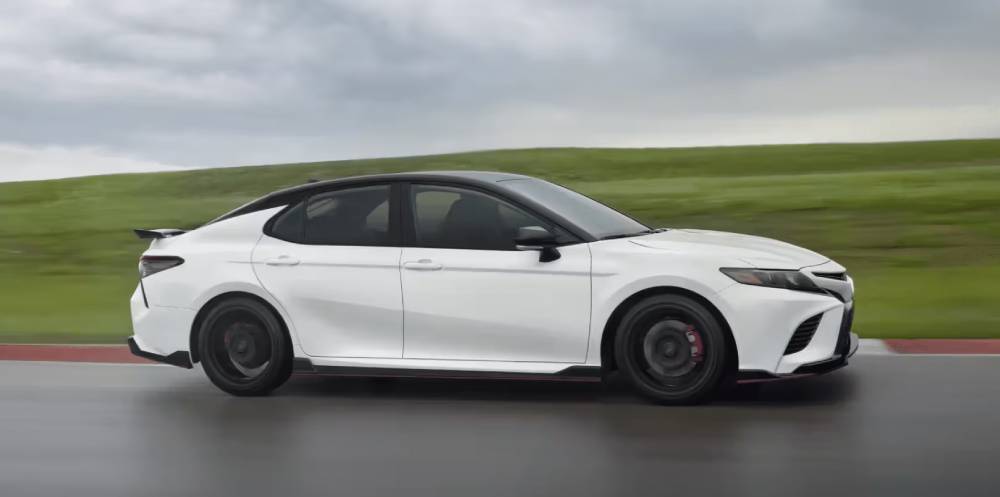
What Is the Toyota Brake Override System?
The Toyota Brake Override System is an advanced safety feature designed to reduce the risk of unintended acceleration. The system automatically gives priority to the brake pedal whenever the brake and accelerator pedals are pressed at the same time. Instead of allowing the engine to continue accelerating, the system limits throttle input and reduces engine power to help the driver maintain control of the vehicle.
Toyota introduced this technology across many models after global concerns regarding sudden acceleration incidents years ago. Since then, the brake override system has become an important part of Toyota’s electronic safety architecture and is now integrated into vehicles such as the Toyota Camry, Corolla, RAV4, Highlander, Tacoma, and Prius.
The system relies on communication between several electronic components. These include the brake pedal switch, accelerator pedal sensor, throttle body, Engine Control Unit (ECU), and sometimes the Anti lock Braking System module. When the ECU detects simultaneous brake and throttle input, it overrides the accelerator signal and reduces engine power immediately.
Under normal driving conditions, most drivers never notice the system operating in the background. However, if one of the sensors or related components begins sending incorrect data, the ECU may interpret the situation as a malfunction. When this happens, the vehicle may trigger a “Brake Override Malfunction” warning message and activate protective measures such as reduced engine power or limp mode.
Understanding how this system works is important because many drivers mistakenly believe the warning automatically means the brakes have failed. In reality, the issue is often related to sensors, electronic communication, or throttle management rather than complete brake failure. Even so, the warning should never be ignored because it can affect vehicle safety and drivability.
What Does “Brake Override Malfunction” Mean?
When your Toyota displays a “Brake Override Malfunction” warning, it means the vehicle’s computer has detected abnormal behavior within the brake override system. The Engine Control Unit monitors signals from multiple sensors and control modules continuously. If the ECU receives inconsistent, missing, or conflicting information, it may trigger the warning to protect the vehicle from unsafe operating conditions.
In many cases, the malfunction occurs because the system cannot properly determine whether the driver is braking, accelerating, or both simultaneously. Since the brake override system is designed to prevent unintended acceleration, the ECU may respond conservatively by limiting engine power or activating fail safe mode.
The warning does not always indicate a severe brake system failure. Sometimes the issue can be as simple as a weak battery, a dirty throttle body, or a faulty brake pedal switch. However, the message can also point to more serious electrical or control system problems involving the throttle actuator, ABS sensors, wiring harnesses, or software communication errors.
Drivers commonly notice additional symptoms alongside the warning message. These may include sluggish acceleration, reduced engine response, illuminated check engine lights, traction control warnings, or unstable driving performance. In some situations, the vehicle may enter limp mode, preventing the engine from delivering full power until the issue is repaired.
Because modern Toyota vehicles rely heavily on interconnected electronic systems, even a minor voltage fluctuation or sensor malfunction can create multiple warning messages simultaneously. This is why proper diagnosis is extremely important. Replacing parts blindly without identifying the true cause can lead to unnecessary expenses and recurring problems.
Ignoring the warning can also increase repair costs over time. What begins as a small sensor issue may eventually affect throttle control, braking assistance, or ECU communication if left unresolved. Early inspection and diagnosis are the best ways to prevent larger mechanical or electrical failures later.
Common Symptoms of Toyota Brake Override Malfunction
One of the first signs of a Toyota Brake Override Malfunction is a warning message appearing on the dashboard. Drivers may see notifications such as “Brake Override Malfunction,” “Check Engine,” or traction control alerts. These warnings often appear suddenly and may remain active until the problem is repaired or the system is reset.
Another common symptom is reduced engine power. The vehicle may accelerate slowly even when the gas pedal is pressed firmly. In many cases, the ECU intentionally limits throttle response as a protective measure. This condition is commonly known as limp mode and is designed to prevent potential safety risks while allowing the driver to move the vehicle cautiously.
Some drivers also experience delayed or inconsistent accelerator response. The car may hesitate during acceleration, feel unusually sluggish, or fail to respond smoothly when merging into traffic or climbing hills. This can create dangerous situations, especially during highway driving where rapid acceleration is sometimes necessary.
Hard or inconsistent braking sensations may also occur. Although the braking system itself is not always physically damaged, electronic communication issues within the brake override system can create unusual brake pedal feel or delayed system response. Drivers may notice the brakes feel stiffer than normal or require additional pressure during stopping.
Sudden power loss is another serious warning sign. The vehicle may briefly lose acceleration capability while driving, causing anxiety and safety concerns for the driver. This symptom should never be ignored because it may indicate a more severe electronic control issue affecting throttle management or ECU communication.
In some cases, fuel efficiency may decrease unexpectedly. Because the vehicle’s electronic systems are no longer operating normally, the engine may struggle to maintain efficient performance. Drivers may notice rough idling, unstable RPM behavior, or increased fuel consumption during daily driving.
If several of these symptoms appear together, the vehicle should be inspected immediately. Continuing to drive with unresolved brake override issues can increase the risk of breakdowns, unsafe acceleration behavior, or more expensive repairs involving sensors, throttle components, or electronic control modules.
Top Causes of Toyota Brake Override Malfunction
Several different mechanical and electronic issues can trigger a Toyota Brake Override Malfunction warning. Because the brake override system depends on accurate communication between multiple sensors and control modules, even a small fault can cause the system to behave abnormally.
One of the most common causes is a faulty brake pedal switch. This small component tells the ECU when the brake pedal is pressed. If the switch becomes worn, damaged, or misaligned, it may send incorrect signals to the computer. As a result, the ECU may falsely believe the brake and accelerator pedals are being pressed simultaneously, triggering the malfunction warning.
A dirty or failing throttle body is another major cause. Over time, carbon deposits can accumulate inside the throttle body, restricting airflow and affecting throttle response. Electronic throttle actuators may also fail due to age or contamination. Since the brake override system closely monitors throttle behavior, throttle body issues can easily trigger warning messages and reduced engine performance.
ABS sensor problems can also contribute to the malfunction. Wheel speed sensors provide important information to the braking and stability systems. If one sensor sends inaccurate data because of dirt, corrosion, or internal failure, the ECU may detect inconsistent braking behavior and activate the brake override warning as a precaution.
Low battery voltage is a surprisingly common trigger, especially after battery replacement or during cold weather. Modern Toyota vehicles rely heavily on stable electrical voltage for proper communication between modules. A weak battery, poor terminal connection, or charging system issue can create temporary electronic faults that trigger multiple dashboard warnings at once.
Software glitches and ECU communication errors may also be responsible. In some cases, outdated firmware or corrupted software can interfere with how the brake override system interprets sensor data. Toyota dealerships occasionally release software updates that resolve known electronic bugs and improve system reliability.
Damaged wiring or loose electrical connectors are another overlooked cause. Heat, moisture, vibration, and even rodents can damage wiring harnesses over time. Corroded connectors may interrupt communication between sensors and the ECU, causing intermittent warnings that appear and disappear unpredictably.
Understanding the root cause is essential because replacing the wrong component can waste significant time and money. Proper diagnostics using an OBD2 scanner and professional inspection are often necessary to identify the exact source of the malfunction.
Toyota Models Commonly Affected
The Toyota Brake Override Malfunction warning can appear across many Toyota models, especially vehicles equipped with advanced electronic throttle control systems. While the issue is not limited to a specific model or production year, some vehicles tend to report the problem more frequently due to age, driving conditions, or electronic component wear.
The Toyota Camry is one of the most commonly discussed models associated with brake override warnings. Owners often report symptoms such as reduced acceleration, dashboard warning lights, and intermittent limp mode behavior. Because the Camry is widely used for commuting and long distance driving, throttle body wear and brake pedal switch issues can become more noticeable over time.
Toyota Corolla models may also experience similar problems, particularly in high mileage vehicles. Drivers sometimes encounter warning messages after battery replacement or during periods of unstable voltage. In many cases, the issue is linked to electronic communication errors rather than severe mechanical failure.
The Toyota RAV4 has also generated reports involving throttle response issues and brake override warnings. Since many RAV4 owners drive in mixed urban and off road environments, sensors and electrical connectors may be exposed to dirt, moisture, and vibration that contribute to electronic faults.
Hybrid models such as the Toyota Prius can be especially sensitive to electrical system fluctuations. Because hybrids rely on complex interactions between gasoline and electric systems, even minor sensor irregularities may trigger warning messages. Prius owners frequently report multiple dashboard alerts appearing simultaneously during electronic system malfunctions.
Toyota Highlander and Tacoma models are not immune either. Larger SUVs and trucks often operate under heavier loads or more demanding driving conditions, increasing stress on throttle and braking components. Older vehicles with aging wiring harnesses may become more vulnerable to intermittent electrical faults over time.
It is important to understand that the presence of a Brake Override Malfunction warning does not necessarily mean the vehicle is part of an official recall. Many cases are related to maintenance issues, worn sensors, battery problems, or isolated electronic failures rather than widespread manufacturing defects.
Regardless of the model, early diagnosis is critical. Ignoring warning signs can lead to worsening drivability issues, reduced fuel efficiency, and potentially expensive repairs involving throttle control or ECU components.
Is It Safe to Drive With a Brake Override Malfunction?
The answer depends on the severity of the symptoms accompanying the warning. In some situations, the vehicle may continue driving normally with only a dashboard warning light present. In other cases, the malfunction can affect throttle response, braking behavior, and overall vehicle safety.
If the warning appears without noticeable performance issues, it may be possible to drive the vehicle carefully for a short distance while scheduling an inspection. For example, some drivers experience temporary warnings caused by low battery voltage or minor sensor communication glitches. However, even if the car seems normal, the issue should still be diagnosed as soon as possible to prevent future complications.
Driving becomes significantly riskier if the vehicle enters limp mode or experiences reduced acceleration. Slow throttle response can create dangerous conditions during highway merging, overtaking, or emergency maneuvers. A sudden loss of engine power while driving in traffic can increase the likelihood of accidents, especially at higher speeds.
Unusual braking behavior is another serious concern. If the brake pedal feels unusually hard, delayed, or inconsistent, the vehicle should not continue operating until inspected by a qualified technician. Since the brake override system interacts with multiple safety systems, unresolved electronic faults may compromise braking performance under certain conditions.
Drivers should also pay attention to additional warning lights such as ABS, traction control, or check engine alerts. Multiple simultaneous warnings often indicate broader communication issues within the vehicle’s electronic systems. Continuing to drive without diagnosis may worsen the problem and increase repair costs later.
One of the biggest mistakes drivers make is ignoring intermittent symptoms. A warning that disappears temporarily does not always mean the issue has resolved itself. Electronic faults often become more frequent over time as sensors deteriorate or wiring damage worsens.
If the vehicle experiences severe symptoms such as stalling, inability to accelerate properly, major brake abnormalities, or repeated limp mode activation, it is safest to stop driving immediately and arrange professional inspection or towing. Addressing the problem early can help avoid dangerous driving situations and prevent more extensive damage to expensive electronic components.
How to Diagnose Toyota Brake Override Malfunction
Proper diagnosis is extremely important because the Toyota Brake Override Malfunction warning can be triggered by several different systems working together. Replacing random parts without identifying the real cause often leads to wasted money and recurring problems. A systematic inspection process helps narrow down the issue quickly and accurately.
The first step is using an OBD2 scanner to retrieve diagnostic trouble codes. Modern Toyota vehicles store fault information inside the ECU whenever abnormal behavior is detected. Common trouble codes associated with brake override issues include P0504 for brake switch problems, P2138 for throttle or pedal position sensor correlation errors, and C1249 for brake control system communication faults. These codes provide valuable clues about which components require further inspection.
After scanning for codes, the brake pedal switch should be inspected carefully. This small component is one of the most common failure points in the brake override system. A worn or misaligned switch may send incorrect signals to the ECU even if the brake pedal is not being pressed. Technicians typically test switch continuity and signal response to confirm proper operation.
Battery voltage should also be checked because unstable electrical power can create false warning messages. Weak batteries, corroded terminals, or charging system problems may disrupt communication between control modules. Many Toyota owners experience brake override warnings shortly after replacing an aging battery or during cold weather when voltage drops occur more frequently.
The throttle body and accelerator pedal sensors are additional inspection areas. Carbon buildup inside the throttle body can interfere with airflow and throttle plate movement, while failing pedal position sensors may send inconsistent acceleration signals to the ECU. Technicians often inspect throttle response data in real time using professional scan tools to identify irregular behavior.
Wiring harnesses and electrical connectors should never be overlooked. Loose connectors, moisture intrusion, corrosion, or damaged wires can interrupt communication between critical systems. Because many electronic faults are intermittent, visual inspection alone may not always reveal the problem immediately. In some cases, advanced electrical testing is necessary to trace unstable circuits.
Road testing the vehicle under controlled conditions may also help reproduce symptoms such as reduced acceleration, limp mode activation, or warning light behavior. Combining fault codes with real world driving observations allows technicians to pinpoint the root cause more effectively.
Accurate diagnosis is essential because some repairs are relatively inexpensive while others involve major electronic components. Identifying the exact source early helps reduce downtime and prevents unnecessary replacement of costly parts.
How to Fix Toyota Brake Override Malfunction
The repair process depends entirely on what caused the malfunction in the first place. Some Toyota Brake Override Malfunction issues can be resolved quickly with basic maintenance, while others may require advanced diagnostics and component replacement.
One of the most common fixes is replacing the brake pedal switch. Since this component frequently causes incorrect brake input signals, replacing it often restores normal system operation. Fortunately, the brake switch is usually inexpensive and relatively simple to install compared to more complex electronic repairs.
Cleaning the throttle body is another common solution. Carbon buildup can restrict airflow and interfere with throttle plate movement, leading to inconsistent acceleration behavior and warning messages. Professional throttle body cleaning can improve throttle response and eliminate electronic communication errors related to airflow control. If the throttle actuator itself is damaged, full throttle body replacement may be necessary.
Resetting the ECU may temporarily clear warning messages in certain situations. Disconnecting the battery for several minutes or using a professional scan tool can reset stored fault codes. However, resetting the system without fixing the underlying cause usually results in the warning returning later. ECU resets should only be considered part of the diagnostic process rather than a permanent repair.
Software updates may also resolve the problem. Toyota dealerships occasionally release firmware updates designed to improve communication between the throttle system, braking system, and ECU. Vehicles experiencing recurring electronic glitches may benefit significantly from updated software calibration.
Replacing damaged ABS sensors or accelerator pedal sensors may be required if diagnostic testing confirms inaccurate signal output. Since the brake override system depends on reliable sensor data, even minor sensor irregularities can trigger warning messages and reduced performance conditions.
Electrical repairs become necessary when damaged wiring or corroded connectors are identified. Rodent damage, moisture intrusion, and long term vibration can weaken wiring harnesses over time. Repairing or replacing affected wiring restores stable communication between vehicle systems and often eliminates intermittent warning behavior.
In severe cases, ECU replacement may be required, although this is less common. Because control modules are expensive and require programming, technicians usually eliminate all other possibilities before recommending ECU replacement.
Addressing the problem early often reduces total repair costs dramatically. A simple sensor replacement today may prevent major throttle or control system damage in the future.
Estimated Repair Costs
The cost to repair a Toyota Brake Override Malfunction varies depending on the root cause, vehicle model, labor rates, and whether original equipment or aftermarket parts are used. Some repairs are relatively affordable, while others involving advanced electronics can become expensive quickly.
Brake pedal switch replacement is typically one of the least expensive repairs. Most drivers can expect to pay between $50 and $150 including labor. Because the switch itself is inexpensive and accessible, this repair is often completed quickly.
Throttle body cleaning generally costs between $100 and $250 depending on the level of carbon buildup and local labor rates. If cleaning resolves the issue early, it can prevent much more expensive throttle component replacement later.
If the throttle body assembly itself fails, replacement costs increase significantly. A complete electronic throttle body replacement may range from $400 to $900 depending on the Toyota model and part availability. Luxury trims and hybrid vehicles may cost even more because of additional electronic calibration requirements.
ABS sensor replacement usually falls between $150 and $400 per sensor. Costs vary depending on sensor location, wheel assembly accessibility, and whether corrosion complicates removal. Vehicles driven in harsh climates may experience higher labor costs due to rust related difficulties.
Software updates and ECU recalibration typically cost between $80 and $200 at dealerships or specialized repair shops. In some situations, manufacturers may provide software updates at reduced cost if the issue is linked to known technical service bulletins.
Electrical repairs involving damaged wiring can vary widely depending on the severity of the damage. Minor connector repairs may cost under $100, while extensive wiring harness replacement can exceed several hundred dollars due to labor intensive diagnostics and installation work.
ECU replacement is usually the most expensive scenario. Including programming and installation, costs can range from $800 to over $2,000 depending on the vehicle model and dealership pricing.
Many drivers delay diagnosis because they fear expensive repairs. Ironically, postponing inspection often increases total costs later. A small electrical issue left unresolved can eventually affect multiple systems and create more serious drivability problems.
Early diagnosis remains the most cost effective strategy. Identifying sensor or voltage problems before they escalate can save substantial money while helping maintain vehicle safety and reliability.
Can You Reset the Warning Yourself?
In some situations, it is possible to reset the Toyota Brake Override Malfunction warning temporarily without visiting a repair shop immediately. However, drivers should understand that resetting the warning does not actually fix the underlying problem. If the root cause remains unresolved, the warning message will usually return after a short period of driving.
One of the simplest reset methods involves disconnecting the vehicle battery. Many drivers attempt this after replacing a battery, experiencing voltage fluctuations, or encountering temporary electronic glitches. To perform a basic reset, the engine should be turned off completely before disconnecting the negative battery terminal. After waiting approximately ten to fifteen minutes, reconnect the terminal securely and restart the vehicle. In some cases, this process clears temporary fault codes and restores normal operation.
Using an OBD2 scanner is another common method. Many scan tools allow drivers to erase stored diagnostic trouble codes directly from the ECU. This approach is often more effective because it also reveals which systems triggered the warning in the first place. If the malfunction returns immediately after clearing codes, it usually indicates an active mechanical or electrical issue that still requires repair.
Some drivers notice the warning disappears briefly after restarting the engine several times. While this may seem encouraging, intermittent warning behavior often points to unstable electrical connections, weak sensors, or software communication issues that can worsen over time.
It is important to avoid relying on resets as a long term solution. If the vehicle continues showing symptoms such as reduced acceleration, limp mode activation, rough throttle response, or unusual braking behavior, professional inspection becomes necessary. Resetting the system repeatedly without proper diagnosis may delay repairs and increase the risk of larger failures later.
Drivers should also understand that certain fault codes cannot be permanently cleared until repairs are completed. Modern Toyota systems continuously monitor sensor behavior and electronic communication. If the ECU detects the same abnormal conditions again, the warning will reactivate automatically.
Resetting the warning may help temporarily in minor cases involving voltage fluctuations or software hiccups, but it should never replace proper troubleshooting and repair.
Preventing Future Brake Override Problems
Preventive maintenance is one of the best ways to reduce the risk of future Toyota Brake Override Malfunction issues. Because the system depends heavily on electronic communication and sensor accuracy, maintaining the vehicle properly can significantly improve long term reliability.
Regular throttle body cleaning is one of the most effective preventive measures. Over time, carbon deposits naturally build up inside the throttle body, especially in vehicles driven frequently in stop and go traffic. Cleaning the throttle body periodically helps maintain smooth airflow and consistent throttle response while reducing strain on the electronic throttle control system.
Battery maintenance is equally important. Modern Toyota vehicles rely on stable voltage to operate multiple interconnected modules correctly. Weak batteries, corroded terminals, or charging system problems can trigger false warnings and communication errors. Drivers should inspect battery terminals regularly and replace aging batteries before voltage instability develops.
Routine scanning for diagnostic trouble codes can also help detect minor issues before they become serious problems. Even if no warning lights are currently active, stored pending codes may reveal developing sensor irregularities or communication faults. Early detection often prevents sudden breakdowns and expensive repairs later.
Protecting the vehicle’s electrical system from moisture and physical damage is another important step. Water intrusion can corrode connectors and damage sensitive electronic components. Drivers who frequently encounter flooding, heavy rain, or off road conditions should inspect wiring and underbody components periodically for signs of corrosion or wear.
Rodent damage is another surprisingly common issue in some regions. Mice and other animals may chew wiring harnesses located near the engine bay or under the vehicle. Regular inspections can help identify damaged insulation before communication problems appear.
Following Toyota’s recommended maintenance schedule also plays a major role in preventing electronic system failures. Timely servicing allows technicians to identify weak sensors, software updates, or developing electrical issues before they trigger warning messages.
Safe driving habits contribute as well. Aggressive acceleration, hard braking, and repeated heavy load operation can place additional stress on throttle and braking components over time. Smooth driving helps reduce wear on critical systems connected to the brake override function.
Preventive care may seem minor compared to major repairs, but consistent maintenance often saves drivers substantial money while improving long term vehicle safety and reliability.
Frequently Asked Questions
What triggers a Toyota Brake Override Malfunction?
Several issues can trigger the warning, including a faulty brake pedal switch, dirty throttle body, weak battery, ABS sensor failure, damaged wiring, or ECU communication errors. In many cases, the system detects inconsistent signals between braking and acceleration components.
Can a low battery cause Brake Override Malfunction?
Yes. Low battery voltage is one of the most common causes of temporary electronic warning messages in modern Toyota vehicles. Weak batteries can interfere with communication between sensors and control modules, causing the ECU to trigger safety warnings.
Is Brake Override Malfunction serious?
The severity depends on the symptoms accompanying the warning. If the vehicle experiences reduced acceleration, limp mode, or abnormal braking behavior, the issue should be treated seriously and inspected immediately. Minor electronic glitches may be less dangerous, but they still require diagnosis.
Can I continue driving with the warning active?
If the vehicle drives normally without noticeable performance problems, short distance driving may be possible temporarily. However, if acceleration becomes weak, the vehicle enters limp mode, or braking feels unusual, driving should stop immediately until the problem is inspected professionally.
Can I reset the warning myself?
Temporary resets are possible by disconnecting the battery or clearing fault codes with an OBD2 scanner. However, the warning usually returns if the underlying problem has not been repaired.
Yes. The brake override system communicates with several safety systems including ABS, traction control, and electronic throttle management. Problems affecting one system can sometimes trigger warnings in related systems as well.
Conclusion
A Toyota Brake Override Malfunction warning can be alarming, especially when it affects acceleration, braking behavior, or overall drivability. While some cases are caused by relatively minor issues such as weak batteries or faulty brake switches, others may involve more serious problems related to throttle control, ABS communication, or ECU performance.
Understanding the warning early is critical because modern Toyota vehicles rely on highly interconnected electronic systems. Ignoring symptoms such as reduced engine power, limp mode activation, delayed throttle response, or unusual braking feel can increase both safety risks and repair costs over time.
The good news is that many brake override problems can be diagnosed and repaired before major damage occurs. Routine maintenance, battery care, throttle body cleaning, and early diagnostic scanning all play important roles in preventing expensive repairs and unexpected breakdowns.
If your Toyota displays a Brake Override Malfunction warning, the safest approach is to scan the vehicle for trouble codes and inspect the issue as soon as possible. Quick action not only protects your vehicle but also helps ensure safer driving conditions for you and everyone on the road.