Few things are more frustrating than seeing the Check Engine Light suddenly appear on your Toyota dashboard. Even worse, you may notice your speedometer acting strangely, rough transmission shifting, or cruise control completely stopping working. After scanning the vehicle, the result shows one alarming trouble code: Toyota P0500.
At first glance, many drivers assume this is just a minor sensor issue. However, ignoring the Toyota P0500 code for too long can lead to much more expensive problems. In some cases, it may affect transmission performance, ABS functionality, fuel efficiency, and even overall driving safety.
The P0500 code is related to the vehicle speed sensor system. When your Toyota’s Engine Control Unit cannot properly detect vehicle speed data, multiple systems begin to malfunction because modern vehicles rely heavily on accurate speed information.
The challenging part is that the problem is not always caused by a bad speed sensor. Faulty wiring, damaged ABS wheel sensors, transmission issues, or even ECU problems can trigger the same code. Unfortunately, many vehicle owners spend hundreds of dollars replacing parts unnecessarily because the root cause was never diagnosed correctly.
In this guide, you will learn the most common causes of Toyota P0500 code, the warning signs you should never ignore, diagnostic methods mechanics use, and the best ways to fix the issue before repair costs spiral out of control.
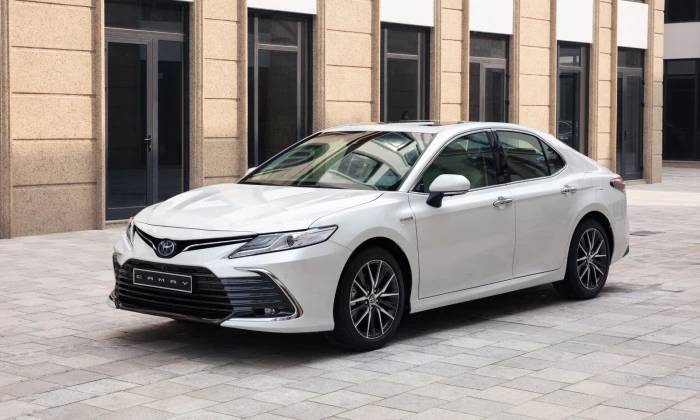
What Does Toyota P0500 Code Mean?
The Toyota P0500 code is a generic OBD2 trouble code that indicates a malfunction in the Vehicle Speed Sensor system. In simple terms, your vehicle’s computer is no longer receiving an accurate speed signal from the sensor responsible for monitoring how fast the car is moving.
Modern Toyota vehicles rely on speed data for far more than just displaying speed on the dashboard. The Engine Control Unit and Transmission Control Module use this information to manage automatic shifting, fuel delivery, ABS braking performance, traction control, and cruise control functions. When the signal becomes weak, inconsistent, or disappears completely, the system triggers the P0500 diagnostic code.
One common misconception is that the problem always comes from the speed sensor itself. In reality, Toyota vehicles often use data from ABS wheel speed sensors as part of the vehicle speed calculation. This means the issue could originate from several connected systems instead of a single failed component.
Drivers experiencing the Toyota P0500 code may notice several symptoms at the same time. The speedometer may stop working, transmission shifts may become harsh or delayed, and the Check Engine Light usually appears shortly afterward. Some vehicles may even enter limp mode to prevent additional drivetrain damage.
Understanding what the P0500 code actually means is important because replacing parts without proper diagnosis can quickly become expensive. Identifying the true source of the problem early can save both time and repair costs.
Faulty Vehicle Speed Sensor
One of the most common causes of the Toyota P0500 code is a faulty vehicle speed sensor. This component is responsible for monitoring wheel or transmission output speed and sending that information to the vehicle’s computer system. Once the sensor begins to fail, the ECU can no longer accurately calculate vehicle speed, triggering the P0500 error code.
Over time, the speed sensor can wear out due to heat, vibration, dirt buildup, moisture exposure, or internal electrical failure. In older Toyota models, the sensor may become contaminated with transmission fluid leaks or metal debris, causing inaccurate readings. Even a partially damaged sensor can create intermittent problems that are difficult to diagnose at first.
Drivers often notice several warning signs before complete failure occurs. The speedometer may fluctuate randomly or stop working entirely. Automatic transmission shifting may feel rough, delayed, or unpredictable because the transmission depends heavily on speed information to determine shift timing. Cruise control may also stop functioning because the system cannot confirm the vehicle’s speed safely.
Many drivers ignore these symptoms at first because the vehicle may still appear drivable. However, continuing to drive with a failing speed sensor can place additional stress on the transmission system. Poor shift timing can increase wear inside the gearbox and eventually lead to far more expensive repairs.
Fortunately, replacing a faulty speed sensor is usually one of the less expensive fixes associated with the Toyota P0500 code. Depending on the model, repair costs are often significantly lower than transmission or ECU repairs. This is why early diagnosis is critical before the issue develops into a larger mechanical problem.
Damaged or Corroded Wiring
Another extremely common cause of Toyota P0500 code is damaged wiring or corroded electrical connectors. In many cases, the speed sensor itself is still functioning correctly, but the signal cannot properly reach the ECU because the wiring harness has been compromised.
Toyota vehicles operate in harsh environments where wiring is constantly exposed to heat, water, road salt, dirt, and vibration. Over time, wires can become brittle, connectors may corrode internally, or insulation can wear through and create intermittent electrical shorts. Even a loose connector can cause the vehicle speed signal to disappear temporarily.
This type of issue is particularly frustrating because the symptoms often appear randomly. The Check Engine Light may come and go without warning. Some drivers notice the speedometer failing only during rainy weather or after driving over rough roads. Inconsistent electrical contact can make the vehicle seem normal one moment and malfunction the next.
Many car owners make the costly mistake of replacing the speed sensor immediately without inspecting the wiring first. Unfortunately, this often results in wasted money because the P0500 code returns shortly afterward. Professional mechanics typically inspect the wiring harness carefully before replacing any major components.
Corroded connectors are especially common in regions with high humidity or heavy winter road salt exposure. Green or white corrosion inside the connector can weaken the electrical signal significantly enough to trigger the code. In some cases, cleaning and repairing the connector solves the issue completely without requiring expensive replacement parts.
Because electrical problems can mimic serious transmission failures, proper diagnosis is essential. A simple damaged wire may create symptoms that feel severe enough to make drivers believe the entire transmission is failing. Identifying the real cause early can prevent unnecessary repairs and reduce overall repair costs dramatically.
ABS Wheel Speed Sensor Problems
In many modern Toyota vehicles, the ABS wheel speed sensors play a major role in calculating vehicle speed. When one of these sensors fails or sends inaccurate data, the ECU may trigger the Toyota P0500 code even if the primary vehicle speed sensor is still functioning properly.
ABS wheel speed sensors are mounted near each wheel and constantly monitor wheel rotation. The system uses this information for anti lock braking, traction control, stability control, and speed calculations. Because these sensors operate close to the road surface, they are highly vulnerable to dirt, water, road debris, and physical damage.
One common issue occurs when metal particles accumulate on the magnetic tip of the sensor. Over time, this buildup interferes with signal accuracy and causes irregular readings. Damaged tone rings can also create false speed signals. In some cases, the wiring connected to the ABS sensor becomes worn or cut due to suspension movement and road vibration.
Drivers often notice additional warning lights alongside the P0500 code when ABS sensors are involved. The ABS light and traction control light may appear at the same time. Some vehicles may experience reduced braking stability on slippery roads because the system cannot process wheel speed information correctly.
Many Toyota owners fear the transmission is failing when harsh shifting begins, but the actual problem may simply be a faulty ABS wheel speed sensor. Since the transmission relies heavily on accurate speed data, even a small sensor issue can affect overall drivability.
Diagnosing ABS related P0500 issues typically requires scanning live wheel speed data while driving. Mechanics compare readings from all four wheels to identify inconsistencies. Fortunately, replacing a damaged ABS sensor is usually far less expensive than repairing major drivetrain components.
Faulty Instrument Cluster
Although less common, a faulty instrument cluster can also trigger the Toyota P0500 code. The instrument cluster is responsible for displaying vehicle speed information on the dashboard, and communication problems within the cluster may interfere with how speed data is transmitted throughout the vehicle’s electronic systems.
When the cluster begins to fail, drivers may notice the speedometer behaving erratically. The needle might jump randomly, freeze at one speed, or stop functioning entirely. In digital dashboards, the speed display may flicker or disappear intermittently. These symptoms can easily be mistaken for a failing speed sensor, leading to incorrect repairs.
Electrical issues inside the cluster often develop gradually over time. Heat exposure, aging solder joints, moisture intrusion, or internal circuit board failure can all disrupt communication between the instrument panel and the ECU. In some Toyota models, this issue becomes more common as the vehicle ages.
One frustrating aspect of instrument cluster problems is their inconsistency. The dashboard may work perfectly during one drive and fail completely during the next. Some drivers report temporary fixes after restarting the vehicle, only for the problem to return later.
Because instrument cluster failures are relatively rare compared to sensor or wiring issues, they are often overlooked during diagnosis. However, experienced technicians usually consider the cluster after ruling out more common causes such as speed sensors, ABS components, and damaged wiring.
Repair costs vary depending on the severity of the issue. Minor electrical repairs may be inexpensive, while full instrument cluster replacement can become costly. In some cases, rebuilt or refurbished clusters provide a more affordable solution than purchasing brand new components from the dealership.
Transmission or ECU Issues
Transmission and ECU related problems are among the more serious causes of Toyota P0500 code. While these issues are less common than faulty sensors or wiring damage, they can lead to significant drivability problems and much higher repair costs if ignored.
The Engine Control Unit relies on accurate speed data to coordinate transmission behavior. If the ECU itself develops internal faults, it may incorrectly process or lose vehicle speed information entirely. Software glitches, damaged circuits, or communication failures inside the control module can all contribute to the P0500 code.
Transmission related issues may also interfere with speed signal generation. In some Toyota models, components inside the transmission help generate speed information used by the ECU. Internal wear, damaged gears, or sensor reluctor problems can disrupt these signals and trigger the code.
Drivers experiencing ECU or transmission related P0500 problems often notice more severe symptoms than those caused by a simple sensor failure. The vehicle may enter limp mode to protect the drivetrain from damage. Gear shifts can become extremely harsh, delayed, or unpredictable. Multiple warning lights and diagnostic trouble codes may appear simultaneously.
One major danger of ignoring these symptoms is the potential for escalating transmission damage. Driving too long with incorrect speed data can place additional stress on internal transmission components. What begins as a relatively minor electrical issue may eventually result in expensive transmission rebuilds or replacements costing thousands of dollars.
Diagnosing ECU and transmission faults usually requires advanced diagnostic equipment and professional expertise. Mechanics often test live data streams, inspect module communication, and perform detailed electrical analysis before confirming the root cause.
Although these repairs are typically more expensive, early diagnosis still plays a critical role in minimizing overall damage. Addressing the issue quickly may prevent complete transmission failure and significantly reduce long term repair costs.
Can You Drive with Toyota P0500 Code?
Technically, you may still be able to drive your Toyota after the P0500 code appears, but continuing to operate the vehicle for an extended period is not recommended. While the car might seem normal at first, the lack of accurate speed data can create serious performance and safety issues over time.
One of the biggest concerns involves transmission behavior. Automatic transmissions rely heavily on vehicle speed information to determine proper shift timing. Without reliable data, the transmission may shift too early, too late, or with excessive force. These harsh shifts increase wear on internal transmission components and may eventually lead to costly mechanical damage.
Another safety concern is the effect on the ABS and traction control systems. Since these systems depend on speed signals to function correctly, braking performance and vehicle stability may become compromised, especially during emergency maneuvers or slippery road conditions.
Drivers may also lose cruise control functionality because the system cannot maintain speed accurately without proper sensor data. In some vehicles, fuel efficiency may decrease because the ECU cannot optimize engine performance correctly.
The severity of symptoms varies depending on the underlying cause of the Toyota P0500 code. Some drivers experience only a non functioning speedometer, while others encounter severe transmission problems or limp mode activation almost immediately.
If the vehicle begins shifting aggressively, losing power, or displaying multiple warning lights, driving should be minimized until proper diagnosis is completed. Continuing to ignore the issue could transform a relatively affordable repair into a major transmission or ECU replacement.
The safest approach is to diagnose and repair the problem as soon as possible. Early action not only protects your Toyota from additional damage but also helps reduce overall repair costs significantly.
How Mechanics Diagnose Toyota P0500 Code
Diagnosing the Toyota P0500 code correctly is extremely important because several different components can trigger the same error. Professional mechanics follow a step by step diagnostic process to identify the true root cause before replacing any parts.
The first step usually involves connecting an OBD2 scanner to retrieve stored trouble codes and freeze frame data. This information helps technicians understand when the problem occurred and whether additional codes are present. In many cases, related ABS or transmission codes provide valuable clues.
After retrieving diagnostic data, mechanics monitor live vehicle speed readings using scan tools during a road test. If the speed signal disappears intermittently or behaves inconsistently, technicians can narrow down the source of the issue more effectively.
Next, the vehicle speed sensor itself is inspected for damage, contamination, or electrical failure. Technicians may test voltage output and resistance levels to confirm whether the sensor is operating within manufacturer specifications.
The wiring harness and connectors are then carefully examined. Corrosion, loose terminals, damaged insulation, or broken wires are all common causes of intermittent speed signal failures. Many experienced mechanics prioritize wiring inspection before replacing expensive components.
If the speed sensor and wiring appear normal, attention often shifts to the ABS wheel speed sensors. Live wheel speed data from all four wheels is compared to identify abnormal readings that may indicate sensor failure or tone ring damage.
In more complex cases, technicians may inspect the instrument cluster, ECU communication systems, or transmission control modules. Advanced diagnostic equipment is sometimes required to identify internal module failures or communication errors.
Accurate diagnosis saves both time and money. Replacing parts without confirming the actual problem often leads to repeated repairs and unnecessary expenses. A thorough diagnostic process ensures the correct component is repaired the first time.
Average Repair Cost for Toyota P0500
The repair cost for Toyota P0500 code can vary significantly depending on the exact cause of the problem. Some repairs are relatively inexpensive, while others may involve major electrical or transmission work.
If the issue is caused by a faulty vehicle speed sensor, repair costs are usually among the most affordable. Depending on the Toyota model and labor rates in your area, replacing the sensor typically ranges from $100 to $350. This includes both parts and labor in most cases.
Wiring repairs can vary widely in price because the severity of damage differs from vehicle to vehicle. Minor connector cleaning or wire repairs may cost as little as $50 to $150. However, replacing larger sections of damaged wiring harnesses can increase costs substantially.
ABS wheel speed sensor replacement usually falls between $150 and $400 depending on which wheel sensor is affected and how difficult the repair is on your specific Toyota model. Additional costs may arise if damaged tone rings or wheel hub components also require replacement.
Instrument cluster repairs can become more expensive because electronic dashboard components are often difficult to rebuild. Minor repairs may cost a few hundred dollars, while complete cluster replacement can exceed $1,000 on some newer Toyota vehicles.
The most expensive scenarios involve ECU or transmission related problems. ECU replacement and programming may range from $800 to over $2,000 depending on the model and software requirements. Transmission repairs or rebuilds can become even more costly if the issue has been ignored for too long.
One of the biggest mistakes vehicle owners make is replacing parts without proper diagnosis. Misdiagnosing the Toyota P0500 code can quickly double repair costs because unnecessary components are replaced while the actual problem remains unresolved.
Addressing the issue early is usually the best way to minimize expenses. A simple sensor or wiring repair today may prevent severe transmission damage and much larger repair bills in the future.
Conclusion
The Toyota P0500 code may seem like a minor warning at first, but it can quickly develop into a much more serious problem if ignored. Because modern Toyota vehicles rely heavily on accurate speed data, even a small issue within the speed sensor system can affect transmission performance, ABS functionality, traction control, cruise control, and overall driving safety.
In most cases, the problem is caused by a faulty vehicle speed sensor, damaged wiring, or failing ABS wheel speed sensors. However, more complex issues involving the instrument cluster, ECU, or transmission can also trigger the same code. This is why accurate diagnosis is essential before replacing any parts.
Many Toyota owners spend unnecessary money because they replace components without identifying the real source of the problem. A simple wiring issue can easily mimic serious transmission failure symptoms, leading drivers to fear the worst. Proper inspection and testing can often prevent expensive and unnecessary repairs.
If your Toyota is showing the P0500 code, do not ignore warning signs such as rough shifting, a non functioning speedometer, or multiple dashboard lights. Continuing to drive with inaccurate speed data may place additional stress on critical drivetrain systems and eventually increase repair costs dramatically.
The good news is that early diagnosis and repair can often solve the problem before major damage occurs. Whether the issue involves a sensor, wiring harness, ABS system, or control module, addressing it quickly is the best way to protect your vehicle and avoid larger repair bills in the future.
Have you experienced the Toyota P0500 code on your Camry, Corolla, Tacoma, RAV4, or another Toyota model? Share your experience and repair story in the comments below.