Seeing the ABS, Check Engine, or VSC warning light suddenly appear on your Toyota dashboard can be frustrating and even alarming. For many Toyota owners, one of the most confusing diagnostic trouble codes is the Toyota C1203 code. The vehicle may still drive normally at first, but ignoring this warning can eventually affect braking performance, traction control, and overall driving safety.
The Toyota C1203 code is commonly associated with communication issues between the engine control system and the ABS or Vehicle Stability Control system. While the problem may seem minor in the beginning, it can lead to expensive repairs if the root cause is not diagnosed properly. In many cases, drivers waste hundreds or even thousands of dollars replacing the wrong parts because the issue is often misdiagnosed.
Certain Toyota models are more likely to experience the C1203 code due to aging ABS components, faulty wheel speed sensors, wiring corrosion, or weak battery voltage. Popular models such as the Toyota Camry, Corolla, RAV4, Tacoma, Highlander, and Prius frequently appear in owner reports and repair forums.
In this guide, we will explore the most common Toyota models affected by the C1203 code, the symptoms you should never ignore, possible causes, repair costs, and the best ways to fix the issue before it becomes a serious safety concern.
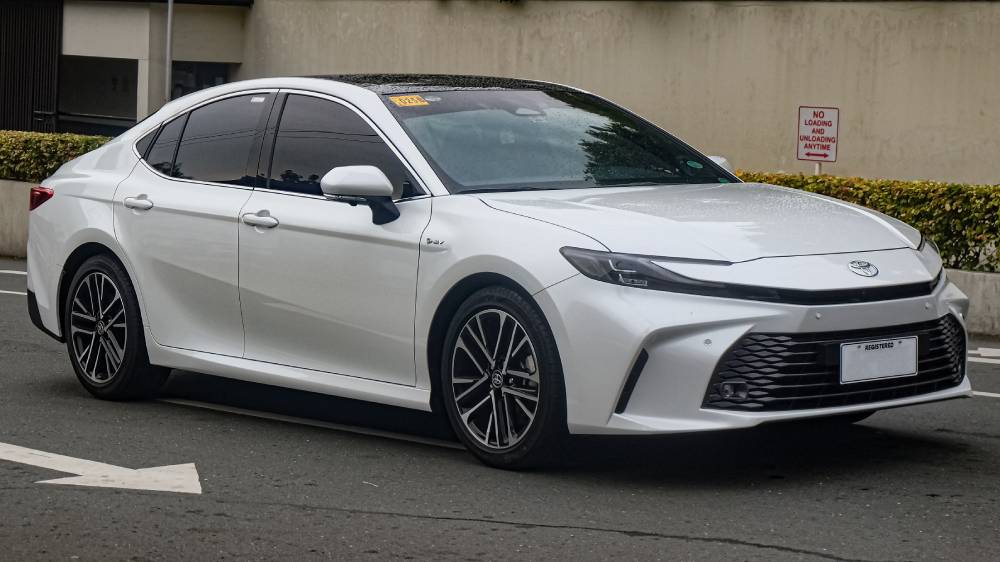
What Does Toyota C1203 Code Mean?
The Toyota C1203 code is an ABS and Vehicle Stability Control related trouble code that usually appears when the brake control system loses communication with the engine control module. In simple terms, the ABS system is not receiving the information it needs from the engine management system, which can cause several safety features to stop functioning properly.
Many Toyota owners assume the problem is directly caused by a failed ABS module, but that is not always true. In many cases, the issue originates from another component such as a weak battery, faulty wheel speed sensor, damaged wiring, or even an engine related trouble code that interrupts communication between systems.
When the C1203 code appears, the vehicle may disable important features including Anti Lock Braking System functionality, traction control, and electronic stability control. This is why drivers often notice multiple warning lights appearing at the same time, including ABS, VSC, TRAC OFF, and Check Engine indicators.
One of the biggest challenges with diagnosing the Toyota C1203 code is that the vehicle may still drive normally during everyday conditions. This creates a false sense of security for many drivers. However, emergency braking performance may be compromised without warning, especially during heavy rain, slippery roads, or sudden stops.
Understanding the true meaning of the C1203 code is the first step toward avoiding unnecessary repairs and identifying the real source of the problem quickly.
Common Symptoms of Toyota C1203 Code
The symptoms of the Toyota C1203 code can vary depending on the affected model and the underlying cause. Some drivers experience only a warning light, while others notice changes in braking performance or vehicle stability.
The most common symptom is the ABS warning light turning on. In many cases, the Check Engine light and VSC or TRAC OFF indicators also appear at the same time. This combination often confuses drivers because it makes the problem look more severe than it initially appears.
Another common symptom is unstable traction control operation. Drivers may notice the traction control system activating unexpectedly or failing to engage when driving on wet or slippery roads. Some Toyota owners also report that cruise control stops working after the code appears.
In more serious situations, the Anti Lock Braking System may become partially disabled. The brakes can still function during normal driving, but emergency stopping performance may decrease significantly. This can increase stopping distance and reduce vehicle stability during sudden braking.
Some drivers notice intermittent problems where the warning lights disappear temporarily before returning again later. This often happens when the issue is related to wiring corrosion, loose electrical connections, or battery voltage fluctuations.
One of the most dangerous aspects of the Toyota C1203 code is that the car can still feel completely normal during daily driving. Because of this, many owners delay repairs until the problem becomes more expensive or creates a genuine safety risk.
Common Toyota Models Affected by C1203
Toyota Camry
The Toyota Camry is one of the most frequently reported models associated with the C1203 code, particularly model years between 2007 and 2015. Hybrid versions tend to experience the issue more often because of their more complex electrical systems.
In many Camry cases, the problem is linked to faulty wheel speed sensors, low battery voltage, ABS actuator issues, or damaged wiring harnesses. Owners commonly report seeing multiple warning lights appear simultaneously, including ABS, Check Engine, and VSC indicators.
Another common issue with the Camry is that the C1203 code often appears together with additional trouble codes such as C1201, C1231, or C1241. This can make diagnosis more difficult and may lead inexperienced technicians to replace unnecessary components.
Toyota Corolla
The Toyota Corolla is another model commonly affected by the Toyota C1203 code, especially vehicles produced between 2009 and 2018. Since the Corolla is one of Toyota’s highest volume vehicles worldwide, reports of ABS related issues are very common in repair forums and owner communities.
One frequent cause involves damaged wheel speed sensor wiring caused by road debris, moisture, or corrosion near the wheel hubs. In colder or humid climates, water intrusion inside electrical connectors can also trigger communication errors between the ABS system and engine control module.
Many Corolla owners become frustrated because replacing a wheel speed sensor does not always permanently solve the problem. In some situations, the real issue comes from damaged connectors or deteriorating wiring hidden deeper inside the harness.
Toyota RAV4
The Toyota RAV4 is particularly vulnerable to C1203 related issues because many owners use the SUV in rough road conditions, snow, mud, or off road environments. Models from 2006 to 2017 appear most frequently in repair discussions.
Common causes include ABS module communication failures, wheel sensor contamination, and wiring corrosion underneath the vehicle. Dirt, moisture, and road salt can gradually damage connectors and interrupt electrical signals between systems.
Drivers often first notice the issue after driving in heavy rain or after winter conditions expose the underbody to excessive moisture and salt buildup. Ignoring early warning signs can eventually lead to complete ABS failure and significantly higher repair costs.
Toyota Tacoma
The Toyota Tacoma is another model frequently affected by the C1203 code, especially among drivers who regularly use their trucks for off road driving, construction work, or towing. Model years between 2005 and 2016 are commonly mentioned in repair databases and owner reports.
Unlike sedans that mostly operate on paved roads, the Tacoma is often exposed to mud, rocks, water crossings, and rough terrain. These conditions can damage wheel speed sensors or create buildup around the ABS sensor area. Over time, dirt and debris may interfere with sensor readings and trigger communication problems within the braking system.
Off road use can also place additional stress on wiring harnesses underneath the truck. In some cases, loose connectors or damaged ABS wiring become the true source of the C1203 code. Many owners mistakenly replace expensive ABS components before discovering that a damaged wire was responsible for the warning lights.
Another common complaint involves intermittent ABS and traction control lights that appear only during wet weather or after driving through mud. This usually points to moisture intrusion inside connectors or corrosion developing inside the electrical system.
Because many Tacoma owners continue driving despite warning lights, the issue can worsen over time and eventually lead to reduced braking performance during emergency situations.
Toyota Highlander
The Toyota Highlander is another SUV commonly associated with the Toyota C1203 code. Older models, especially between 2008 and 2017, tend to experience more ABS and stability control related issues as electrical components begin to age.
One of the most expensive problems linked to the Highlander involves brake actuator failure. When the actuator begins malfunctioning, the vehicle may trigger multiple warning lights simultaneously, including ABS, VSC, brake, and Check Engine indicators. Drivers sometimes report hearing unusual buzzing noises from the brake system before the warning lights appear.
Another common issue involves communication failures between the engine control module and the ABS control unit. Weak battery voltage or unstable charging system performance can also contribute to intermittent C1203 codes.
Many Highlander owners notice that steering feels heavier or less stable after the warning lights appear. This happens because stability control systems may become partially disabled when communication errors occur.
The biggest challenge with diagnosing Highlander ABS issues is that symptoms may appear inconsistently. Some drivers experience warning lights for several days before they suddenly disappear, making the problem difficult to reproduce during inspections.
Toyota Prius
The Toyota Prius deserves special attention because its hybrid braking system is far more complex than traditional gasoline powered Toyota models. As a result, diagnosing the C1203 code on a Prius can be more difficult and significantly more expensive.
Battery voltage fluctuations are one of the most common causes of C1203 related issues in the Prius. Since hybrid vehicles rely heavily on electrical communication between multiple control modules, even minor voltage irregularities can trigger warning lights and system errors.
Brake booster and brake actuator problems are also frequently reported among older Prius models. When these components begin failing, drivers may notice warning lights, unusual brake pedal feel, or increased braking noise.
Another challenge for Prius owners is that some repair shops lack experience working with hybrid brake systems. This often leads to incorrect diagnoses and unnecessary part replacements. In severe cases, owners spend thousands of dollars replacing components that were never defective in the first place.
Despite the higher repair costs, early diagnosis is extremely important for Prius models. Ignoring ABS and brake related warning lights can eventually affect regenerative braking performance and overall vehicle safety.
Main Causes Behind Toyota C1203 Code
Faulty Wheel Speed Sensor
A damaged or malfunctioning wheel speed sensor is one of the most common causes of the Toyota C1203 code. These sensors constantly monitor wheel rotation and send data to the ABS control module. If one sensor provides inconsistent or incorrect information, the system may trigger communication related trouble codes.
Wheel speed sensors can fail because of physical damage, dirt buildup, corrosion, or worn wiring. In many Toyota models, road debris and moisture gradually weaken sensor connections over time.
Weak or Failing Battery
Many drivers are surprised to learn that low battery voltage can trigger ABS communication problems. Modern Toyota vehicles rely heavily on stable electrical signals between multiple control modules. When battery voltage drops below normal levels, systems may lose communication temporarily and store codes such as C1203.
This issue is especially common during cold weather, after long periods without driving, or when the battery is approaching the end of its lifespan.
ABS Module Failure
Although less common than sensor related problems, ABS module failure can also cause the Toyota C1203 code. When the module begins malfunctioning, communication between braking systems and the engine control unit may become unstable.
ABS module replacement is often expensive, which is why proper diagnosis is critical before replacing major components.
Wiring and Connector Corrosion
Corroded wiring harnesses and damaged connectors are extremely common on older Toyota vehicles or SUVs exposed to wet and snowy environments. Even a small amount of corrosion can interrupt communication signals and create intermittent warning lights.
Many technicians overlook wiring problems during initial inspections, which leads to repeated repairs that never fully solve the issue.
Engine ECU Communication Problems
In some situations, the Toyota C1203 code appears because another engine related trouble code is interfering with communication between systems. When the engine control module detects serious faults, it may disable certain ABS or stability control functions as a protective measure.
This is why scanning the entire vehicle for additional codes is essential before replacing parts.
How to Diagnose Toyota C1203 Properly
Diagnosing the Toyota C1203 code correctly is extremely important because this issue is often misdiagnosed. Many vehicle owners replace expensive parts such as ABS modules or brake actuators without identifying the real source of the problem. A proper inspection process can save hundreds or even thousands of dollars in unnecessary repairs.
The first step is performing a complete system scan using a professional OBD2 scanner capable of reading ABS and stability control modules. Basic code readers may only display engine related trouble codes and completely miss important ABS communication errors.
After scanning the system, technicians should check for additional trouble codes stored in the engine control module, ABS module, and traction control system. The C1203 code often appears alongside other codes that help identify the root cause more accurately.
Battery voltage testing is another critical step. Weak batteries or charging system problems can create unstable communication between modules and trigger intermittent ABS warnings. Many Toyota owners are surprised to discover that replacing an aging battery solves the issue entirely.
The next step involves inspecting wheel speed sensors and their wiring. Technicians should look for damaged cables, loose connectors, corrosion, or debris buildup near the wheel hubs. In SUVs and trucks such as the RAV4 and Tacoma, mud and road salt frequently damage these components over time.
If no obvious problems are found, the ABS module and related wiring harnesses should be tested carefully for communication faults. Some issues only appear intermittently, making road testing and live sensor data analysis necessary.
One of the biggest mistakes drivers make is clearing the code without fixing the underlying problem. While the warning lights may temporarily disappear, the issue usually returns and can become more severe later.
Estimated Repair Costs for Toyota C1203
Repair costs for the Toyota C1203 code can vary significantly depending on the affected model, labor rates, and the exact component causing the issue. Some repairs are relatively inexpensive, while others can become major financial headaches if the problem is ignored for too long.
Replacing a faulty wheel speed sensor is usually the least expensive repair. Most Toyota owners can expect to pay between $120 and $350 depending on the vehicle model and labor costs. However, if wiring damage or corrosion is involved, the repair bill may increase.
Battery replacement costs typically range from $150 to $400. While this may seem unrelated to ABS problems, unstable battery voltage is a surprisingly common cause of communication related trouble codes.
Repairing damaged ABS wiring or corroded connectors usually costs between $80 and $250 if caught early. Unfortunately, many drivers continue operating the vehicle until corrosion spreads and damages additional components.
ABS module replacement is one of the most expensive scenarios. Depending on the Toyota model, repair costs can range from $800 to over $2,000. Hybrid vehicles such as the Prius may cost even more due to the complexity of their braking systems.
Brake actuator replacement is often the worst case scenario for models like the Highlander and Prius. In some situations, total repair costs can exceed $3,000 including labor.
Many Toyota owners become frustrated because incorrect diagnosis often leads to replacing perfectly functional parts. This is why choosing an experienced technician familiar with Toyota ABS systems is extremely important.
Can You Drive With Toyota C1203 Code?
Many drivers continue operating their Toyota after the C1203 code appears because the vehicle may still feel completely normal during regular driving. While the car can often still move and brake normally in mild conditions, driving for extended periods without repairs is not recommended.
The biggest concern is that important safety systems may no longer function correctly. Anti Lock Braking System performance, traction control, and electronic stability control can all become partially disabled when communication errors occur.
During normal dry weather driving, some drivers may not notice any immediate difference. However, emergency braking situations are where the risks become serious. On wet roads, icy surfaces, or during sudden stops, the loss of ABS and stability control can significantly reduce vehicle control and increase stopping distance.
Another danger is that the underlying problem may worsen over time. A small wiring issue or weak battery can eventually lead to larger electrical failures if ignored for too long.
If the Toyota C1203 code appears together with brake warning lights, unusual brake pedal feel, or steering instability, the vehicle should be inspected immediately. Continuing to drive under these conditions could create a serious safety hazard.
For short distances and temporary situations, driving may still be possible if braking performance feels normal. However, scheduling a professional inspection as soon as possible is always the safest decision.
Tips to Prevent Toyota C1203 Code
Preventing the Toyota C1203 code often comes down to maintaining the vehicle’s electrical and braking systems before problems develop. While some component failures are unavoidable with age, regular maintenance can dramatically reduce the chances of seeing ABS related warning lights.
One of the simplest preventive measures is checking battery condition regularly. Weak batteries create unstable voltage that can interfere with communication between vehicle control modules. Replacing an aging battery before failure occurs can prevent many electrical issues.
Keeping wheel speed sensors clean is also important, especially for SUVs and trucks frequently exposed to mud, snow, or off road conditions. Dirt buildup near wheel hubs can affect sensor readings and eventually trigger ABS trouble codes.
Drivers living in snowy or coastal regions should wash the underbody regularly to reduce corrosion caused by road salt and moisture. Wiring harness corrosion is one of the most overlooked causes of Toyota ABS communication problems.
Routine diagnostic scans can also help identify hidden issues before warning lights appear. Some communication faults begin intermittently and may only store temporary codes during early stages.
Most importantly, drivers should never ignore ABS, VSC, or traction control warning lights. Addressing small problems early is usually far less expensive than waiting until major components fail completely.
Frequently Asked Questions About Toyota C1203 Code
Is the Toyota C1203 code serious?
Yes, the Toyota C1203 code should be taken seriously because it can affect important safety systems such as ABS, traction control, and electronic stability control. Even if the vehicle appears to drive normally, emergency braking performance may be reduced during dangerous road conditions.
Can a weak battery cause the Toyota C1203 code?
Yes, a weak or failing battery is one of the surprisingly common causes of the Toyota C1203 code. Low voltage can interrupt communication between vehicle control modules and trigger ABS related warning lights.
How much does it cost to fix the Toyota C1203 code?
Repair costs depend on the underlying cause. Simple repairs such as replacing a wheel speed sensor may cost between $120 and $350, while ABS module or brake actuator replacement can exceed $2,000 or more on some Toyota models.
Can I reset the Toyota C1203 code myself?
You can clear the code using an OBD2 scanner, but resetting the code without fixing the actual problem usually only provides a temporary solution. In most cases, the warning lights will return if the root cause remains unresolved.
Which Toyota model experiences the C1203 code most often?
The Toyota Camry, Corolla, RAV4, Tacoma, Highlander, and Prius are among the most commonly reported models associated with the C1203 code. Older vehicles and high mileage models tend to experience the issue more frequently.
Can dirty wheel speed sensors trigger the C1203 code?
Yes, dirt, mud, snow, or metal debris around wheel speed sensors can interfere with sensor readings and create communication issues within the ABS system. This is especially common on SUVs and trucks used in rough environments.
Is it safe to drive with ABS and VSC warning lights on?
Driving short distances may still be possible if braking feels normal, but it is not considered fully safe. The loss of ABS and stability control can reduce vehicle control during emergency braking or slippery road conditions.
Conclusion
The Toyota C1203 code is a common ABS and stability control related issue that affects many popular Toyota models, including the Camry, Corolla, RAV4, Tacoma, Highlander, and Prius. Although the vehicle may continue operating normally at first, ignoring the warning signs can eventually lead to reduced braking performance, traction control failure, and expensive repairs.
One of the biggest challenges with the Toyota C1203 code is proper diagnosis. Many owners waste significant amounts of money replacing unnecessary parts because the root cause is often hidden within wiring, battery voltage issues, wheel speed sensors, or communication failures between control modules.
Early diagnosis is the best way to prevent larger and more expensive problems. Regular battery inspections, brake system maintenance, and prompt attention to ABS warning lights can help Toyota owners avoid major safety risks and unexpected repair bills.
If your Toyota is showing the C1203 code, do not ignore it. Scanning the vehicle early and identifying the exact cause can save both money and frustration in the long run.
Have you experienced the Toyota C1203 code on your vehicle? Share your experience, repair solution, or diagnostic tips to help other Toyota owners facing the same issue.