Buying a used midsize SUV should feel like a smart long term investment, not a financial gamble. Yet many buyers discover too late that not every Toyota Highlander delivers the same level of reliability. While the Highlander has earned a strong reputation for durability over the years, certain generations stand out for their exceptional dependability, lower maintenance costs, and better long term ownership experience.
For families searching for a safe and practical SUV, reliability matters more than flashy features. Nobody wants to deal with expensive transmission repairs, oil leaks, electrical failures, or rising maintenance bills shortly after buying a vehicle. The challenge is that many used SUV shoppers assume every Highlander model year performs equally well, which is simply not true.
Since its debut in 2001, the Toyota Highlander has evolved through multiple generations, each bringing improvements in comfort, technology, fuel efficiency, and safety. However, some generations proved significantly more reliable than others. Certain model years became known for bulletproof V6 engines and excellent resale value, while others developed reputations for mechanical issues that buyers should approach cautiously.
In this guide, we will rank the most reliable Toyota Highlander generations from best to worst based on long term durability, owner satisfaction, maintenance costs, common problems, and overall value. Whether you are searching for the best used family SUV, a dependable hybrid, or simply the safest Highlander generation to buy, this ranking will help you make a smarter decision.
1. First Generation Toyota Highlander (2001–2007)
Reliability Score: Good
The first generation Toyota Highlander laid the foundation for what would eventually become one of the most trusted midsize SUVs in America. Introduced in 2001, the Highlander arrived at a time when many families were shifting away from truck based SUVs and looking for something more comfortable, fuel efficient, and practical for daily driving. Toyota successfully filled that gap with a crossover that combined SUV versatility with sedan like comfort.
One of the biggest reasons the first generation Highlander remains respected today is its mechanical simplicity. Compared to modern SUVs packed with complicated electronics and turbocharged engines, these early Highlanders were relatively straightforward to maintain. Buyers could choose between a four cylinder engine and a dependable V6 powertrain, with the V6 becoming the preferred option for long term durability and better performance.
The 2006 and 2007 models are widely considered the best years of this generation because Toyota had already addressed many early production issues by then. These later models offered improved reliability, better build quality, and updated safety features. Owners frequently report that properly maintained examples can easily exceed 200,000 miles without major engine problems.
However, age is now the biggest challenge for first generation Highlanders. Even reliable vehicles eventually develop wear related issues. Suspension components, rubber seals, electronics, and interior materials may show significant aging after two decades on the road. Some early models also experienced transmission concerns, particularly when maintenance was neglected.
Despite these drawbacks, the first generation Highlander still appeals to budget conscious buyers searching for an affordable and dependable SUV. Maintenance costs remain relatively low compared to many rivals, and replacement parts are widely available. For buyers willing to prioritize reliability over modern technology, these Highlanders can still provide excellent value.
An interesting fact about the first generation Highlander is that it helped pioneer the modern crossover SUV segment long before crossovers became the dominant family vehicle category. Toyota recognized early that many drivers wanted SUV practicality without sacrificing ride comfort, and the Highlander quickly became one of the company’s biggest success stories.
2. Second Generation Toyota Highlander (2008–2013)
Reliability Score: Very Good
The second generation Toyota Highlander marked a major step forward in size, comfort, and refinement. Toyota redesigned the Highlander to better accommodate growing families, adding more passenger space, improved safety technology, and a more powerful V6 engine. As a result, this generation became one of the most practical family SUVs of its era.
One of the strongest aspects of the second generation Highlander is its comfortable driving experience. The suspension delivers a smooth ride quality that still feels impressive even by today’s standards. Families appreciated the quiet cabin, spacious seating, and improved third row accessibility. Long road trips became significantly more enjoyable thanks to the Highlander’s refined interior and reliable performance.
The 3.5 liter V6 engine found in many models earned a strong reputation for durability. When properly maintained, these engines are capable of lasting well beyond 250,000 miles. Toyota also improved crash safety ratings during this generation, making the Highlander an appealing option for parents prioritizing safety and dependability.
The best years from this generation are generally considered to be 2010, 2012, and 2013. By this point, Toyota had resolved several early production concerns, resulting in more reliable ownership experiences. These later models offer a strong balance between affordability, reliability, and modern features.
Still, buyers should be aware of a few common issues. Some early second generation models experienced oil line problems that eventually led to recalls. While many affected vehicles were repaired, buyers should always verify recall completion before purchasing a used Highlander. Aging suspension systems and interior wear are also common concerns on higher mileage examples.
Fuel economy is another area where this generation falls slightly behind newer competitors. While reliable, the V6 engine is not as efficient as modern hybrid systems. Rising fuel prices may discourage some buyers from choosing older gasoline only SUVs.
Even with these limitations, the second generation Highlander remains highly respected among used SUV buyers because of its long term durability and relatively low maintenance costs. Many owners continue driving these vehicles for well over a decade with minimal serious repairs, reinforcing Toyota’s reputation for reliability.
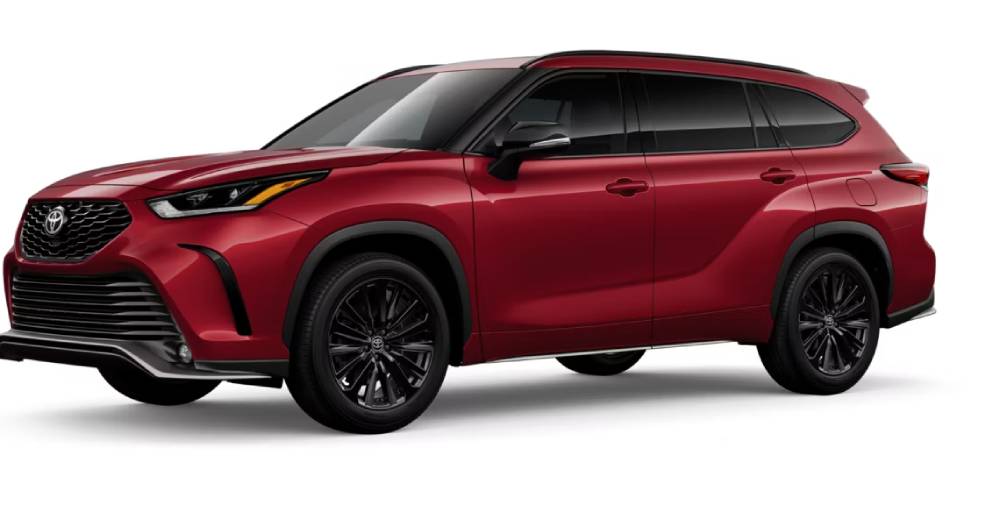
3. Fourth Generation Toyota Highlander (2020–Present)
Reliability Score: Excellent
The fourth generation Toyota Highlander represents the brand’s modern vision for the midsize family SUV segment. Built on Toyota’s TNGA platform, this generation introduced significant improvements in ride comfort, fuel efficiency, safety technology, and interior refinement. It quickly became one of the most competitive and reliable family SUVs available today.
One of the biggest reasons this generation ranks so highly is the success of the Highlander Hybrid models. Toyota’s hybrid technology has proven exceptionally dependable over the years, and the Highlander Hybrid combines impressive fuel economy with smooth daily drivability. Families looking to reduce fuel costs without sacrificing practicality often view this generation as an ideal long term investment.
The 2021, 2022, and 2023 model years stand out as some of the best options because they benefited from Toyota refining the platform after the initial redesign. These models deliver excellent reliability ratings, advanced driver assistance systems, and improved cabin technology. Features such as Toyota Safety Sense, adaptive cruise control, lane keeping assistance, and large infotainment displays make the Highlander feel significantly more modern than older generations.
Another major advantage is lower ownership stress. Compared to many competitors in the midsize SUV market, the Highlander continues to maintain relatively low repair frequency and strong resale value. Owners consistently praise the comfortable ride quality, spacious cabin, and predictable maintenance costs.
However, this generation is not perfect. One drawback is pricing. Used fourth generation Highlanders remain expensive because of strong demand and Toyota’s reputation for durability. Buyers on tighter budgets may struggle to justify the higher purchase cost compared to older generations.
Some enthusiasts also prefer the naturally aspirated V6 engine found in earlier Highlanders over the newer turbocharged powertrains introduced in recent trims. Although the turbo engines offer improved fuel efficiency, some long term buyers remain cautious about complexity and future maintenance expenses.
Still, for families wanting modern safety technology, hybrid efficiency, and long term dependability, the fourth generation Highlander stands out as one of the strongest choices in today’s SUV market. It successfully combines Toyota’s traditional reliability with the advanced features modern buyers expect.
4. Third Generation Toyota Highlander (2014–2019)
Reliability Score: Outstanding
The third generation Toyota Highlander is widely considered the sweet spot in the model’s history. For many buyers, it offers the perfect balance between modern technology, proven mechanical reliability, affordable ownership costs, and long term durability. This generation successfully refined nearly every aspect of the Highlander without introducing unnecessary complexity, which is a major reason why it consistently ranks as the most reliable Toyota Highlander generation.
Toyota redesigned the Highlander in 2014 with a more spacious interior, improved ride comfort, and better overall refinement. Families immediately appreciated the quieter cabin, smoother handling, and upgraded safety features. The SUV felt more premium than previous generations while still maintaining the durability Toyota buyers expected.
The biggest strength of this generation is the proven 3.5 liter V6 engine paired with a reliable six speed automatic transmission. This drivetrain combination earned an excellent reputation for longevity and minimal major repairs. Many owners report reaching 250,000 miles or more with only routine maintenance, making it one of the most dependable family SUVs on the used market.
The 2017, 2018, and 2019 models are especially desirable because Toyota had fully refined the platform by then. These years offer improved infotainment systems, better safety technology, and fewer reported mechanical complaints compared to earlier versions within the generation. Buyers looking for maximum reliability often target these specific model years.
Another major advantage is ownership cost. Compared to luxury SUVs or less reliable competitors, the third generation Highlander typically requires fewer expensive repairs over time. Maintenance is predictable, parts availability is excellent, and resale value remains remarkably strong even with higher mileage.
Families also appreciate the Highlander’s practicality. The cabin provides generous passenger space, comfortable seating, and enough cargo room for road trips, sports equipment, or daily errands. While the third row may feel tight for adults during longer trips, it remains useful for children and occasional use.
The only notable weakness is aging technology. Compared to newer SUVs, the infotainment system can feel outdated, and some buyers may want larger touchscreens or more advanced connectivity features. However, many shoppers are willing to accept slightly older technology in exchange for exceptional reliability and lower ownership stress.
The 2019 Toyota Highlander is often viewed as one of Toyota’s best midsize SUVs ever built. It represents the final and most refined version of the third generation before the company transitioned to newer platforms and more advanced electronics. For buyers prioritizing dependability above all else, this generation remains the benchmark.
Toyota Highlander Generations to Avoid
Although the Toyota Highlander has a strong reputation for reliability overall, not every model year deserves the same level of confidence. Certain years experienced mechanical problems that created frustration for owners and increased long term maintenance costs. Buyers searching for a dependable used SUV should approach these model years with additional caution.
The 2001 and 2003 Highlander models are among the most commonly criticized from the first generation. Some owners reported transmission problems, particularly harsh shifting and premature transmission failure. Electrical glitches and steering related complaints also appeared more frequently compared to later years. Since these vehicles are now over twenty years old, age related wear can make maintenance even more unpredictable.
The 2008 Highlander, which introduced the second generation redesign, also developed a mixed reputation. While many examples remain reliable, some early production models experienced oil line failures that could potentially lead to severe engine damage if left unresolved. Toyota eventually addressed the issue through recalls and service campaigns, but buyers should always confirm that recall repairs were completed properly.
High mileage examples from problem years may also suffer from neglected maintenance histories. Even a generally reliable Toyota can become expensive if previous owners ignored oil changes, transmission servicing, or suspension repairs. This is why vehicle history reports and maintenance records are critical when shopping for any used Highlander.
Buyers should always inspect for signs of fluid leaks, rough transmission behavior, unusual engine noise, and uneven tire wear during a test drive. A professional pre purchase inspection can often reveal hidden problems before they turn into costly repairs.
It is important to understand that no used SUV is completely risk free. However, choosing the right Highlander generation and carefully reviewing service history can dramatically improve the chances of owning a dependable vehicle for many years.
Best Toyota Highlander Generation Based on Buyer Needs
Different buyers prioritize different things when shopping for a used SUV. Some care most about reliability, while others focus on fuel economy, modern technology, or affordability. Fortunately, the Toyota Highlander lineup offers strong options for nearly every type of buyer.
For shoppers focused purely on long term reliability, the third generation Highlander remains the best overall choice. The 2017 to 2019 models provide a nearly perfect balance of durability, comfort, safety, and manageable ownership costs. These vehicles consistently earn high owner satisfaction ratings and maintain excellent resale value.
Budget conscious buyers may prefer the first generation Highlander, particularly the 2006 and 2007 models. While older and less refined, they still offer dependable transportation at a much lower purchase price. Buyers should simply prepare for normal aging related maintenance.
Families wanting the newest technology and advanced safety systems will likely prefer the fourth generation Highlander. Features such as adaptive cruise control, large infotainment displays, lane keeping assistance, and hybrid efficiency make these models especially attractive for modern family use.
Drivers concerned about fuel economy should strongly consider the fourth generation Highlander Hybrid. Toyota’s hybrid system has proven remarkably durable over time, and many owners enjoy substantial savings on fuel without sacrificing practicality or comfort.
For buyers wanting the best overall family SUV experience with the lowest ownership stress, the third and fourth generation Highlanders stand clearly above most competitors in the midsize SUV market. Their combination of reliability, safety, comfort, and long term value continues to make the Highlander one of the smartest used SUV purchases available today.
Frequently Asked Questions
What is the most reliable Toyota Highlander generation?
The third generation Toyota Highlander, produced from 2014 to 2019, is widely considered the most reliable generation overall. These models combine proven V6 performance, low maintenance costs, strong resale value, and excellent long term durability. The 2017, 2018, and 2019 model years are especially popular among used SUV buyers because Toyota had already refined the platform and resolved many earlier issues.
Which Toyota Highlander years should buyers avoid?
Buyers should be cautious with the 2001, 2003, and some early 2008 Highlander models. These years were associated with transmission concerns, oil line problems, and various early production issues. While not every vehicle from these years will experience serious problems, careful inspection and maintenance verification are extremely important before purchasing.
Is the Toyota Highlander Hybrid reliable?
Yes, the Toyota Highlander Hybrid has developed a strong reputation for reliability. Toyota’s hybrid technology has been tested for decades across multiple vehicle platforms. Modern Highlander Hybrid models deliver excellent fuel economy, smooth performance, and lower long term fuel costs while maintaining Toyota’s dependable reputation.
How long can a Toyota Highlander last?
A properly maintained Toyota Highlander can often last between 200,000 and 300,000 miles. Many owners report driving their Highlanders for more than fifteen years with only routine maintenance. Regular oil changes, transmission servicing, tire rotations, and preventive maintenance play a major role in maximizing vehicle lifespan.
Is a used Toyota Highlander worth buying?
For most families, a used Toyota Highlander is absolutely worth considering. The Highlander consistently ranks among the most reliable midsize SUVs on the market. Buyers benefit from strong safety ratings, spacious interiors, comfortable ride quality, and relatively low ownership costs compared to many competitors.
Conclusion
The Toyota Highlander has earned its reputation as one of the most dependable midsize SUVs ever produced, but some generations clearly stand above the rest. While nearly every Highlander offers solid practicality and family friendly comfort, the third generation models deliver the strongest overall combination of reliability, affordability, durability, and long term value.
For most buyers, the 2017 to 2019 Highlander models represent the smartest purchase. These vehicles provide a refined driving experience, excellent safety ratings, proven V6 reliability, and lower ownership stress compared to many competing SUVs. They strike an ideal balance between modern features and mechanical simplicity, which is exactly what many used SUV shoppers want.
Meanwhile, buyers looking for advanced technology and improved fuel economy may find the fourth generation Highlander Hybrid even more appealing. These newer models combine Toyota’s trusted engineering with modern driver assistance systems and impressive hybrid efficiency.
Regardless of which generation you choose, one factor remains critical: maintenance history. Even the most reliable SUV can become expensive if previous owners neglected proper servicing. Always review vehicle records carefully, inspect the SUV thoroughly, and consider a professional pre purchase inspection before making a final decision.
In the end, the Toyota Highlander continues to stand out as one of the safest and most dependable family SUV investments available today. Choosing the right generation can help you avoid costly repairs, reduce ownership stress, and enjoy years of reliable driving.