Hybrid vehicles have become increasingly popular among drivers who want better fuel economy without sacrificing reliability. However, one concern continues to stop many buyers from making the switch: battery life. A common question people ask is, “How long does a Toyota hybrid battery last?” Some drivers worry that the battery could fail after only a few years and lead to an expensive replacement bill.
In reality, Toyota hybrid battery life expectancy is far better than many people assume. Toyota has spent decades refining its hybrid technology, and models like the Prius, Camry Hybrid, and RAV4 Hybrid have proven themselves capable of lasting well beyond 200,000 miles with proper care. Many owners even report driving their vehicles for 10 to 15 years on the original battery pack.
Still, battery lifespan depends on several important factors, including driving habits, climate conditions, maintenance, and mileage. Understanding these factors can help drivers avoid costly mistakes and extend the life of their hybrid vehicle.
In this guide, you will learn how long a Toyota hybrid battery typically lasts, what warning signs to watch for, how much replacement costs can be, and what you can do to maximize battery longevity. Whether you already own a Toyota hybrid or are considering buying a used one, this article will help you make a smarter and more confident decision.
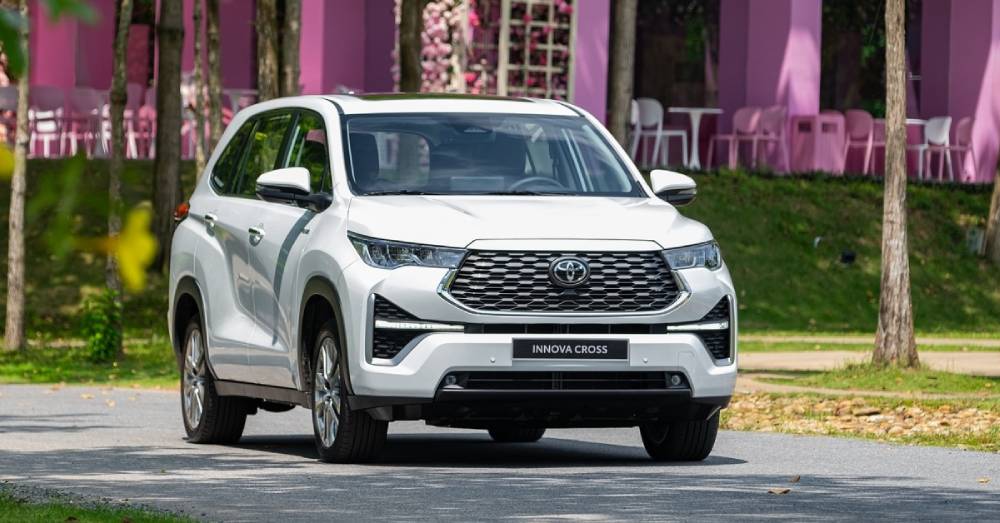
Average Toyota Hybrid Battery Life Expectancy
One of the biggest reasons Toyota hybrid vehicles have earned a strong reputation worldwide is their impressive long term reliability. When it comes to battery durability, Toyota continues to outperform the expectations of many drivers. On average, a Toyota hybrid battery can last between 8 and 15 years, depending on driving conditions, maintenance habits, and climate. In terms of mileage, most Toyota hybrid batteries comfortably reach between 150,000 and 300,000 miles before needing replacement.
Many Toyota Prius owners have shared stories of driving more than 200,000 miles on the original battery pack with minimal issues. Some high mileage hybrids have even crossed the 300,000 mile mark while still using factory installed batteries. This level of durability surprises many first time hybrid buyers who assume battery failure will happen much earlier.
Toyota’s advanced battery management system plays a major role in extending battery lifespan. Unlike traditional rechargeable batteries that can fully drain or overcharge, Toyota hybrid batteries operate within a controlled charge range. This system reduces stress on battery cells and slows down long term degradation. As a result, the battery experiences less wear during everyday driving.
Older Toyota hybrids commonly used Nickel Metal Hydride batteries, also known as NiMH batteries, which are known for reliability and heat resistance. Newer models increasingly use Lithium ion batteries that offer lighter weight, better efficiency, and improved energy density. Both battery types are designed for long term use, although lifespan can vary depending on environmental conditions and driving style.
For most drivers, the fear of replacing a hybrid battery too soon is often exaggerated. In reality, Toyota hybrid batteries are built to last much longer than many people expect.
Factors That Affect Toyota Hybrid Battery Lifespan
Although Toyota hybrid batteries are designed for durability, several factors can influence how long they actually last. Some owners enjoy over a decade of trouble free driving, while others may notice battery performance declining earlier due to driving conditions and maintenance habits.
Driving style is one of the most important factors affecting battery longevity. Frequent aggressive acceleration and sudden braking place additional strain on the hybrid system. Drivers who regularly take short trips may also reduce battery efficiency because the system does not have enough time to reach optimal operating conditions. In contrast, smooth driving habits and consistent daily use tend to help batteries last longer.
Climate also has a major impact on Toyota hybrid battery life expectancy. Excessive heat is especially harmful to battery health over time. Drivers living in extremely hot regions may experience faster battery degradation because heat accelerates chemical wear inside battery cells. Cold weather can temporarily reduce battery performance as well, although it usually does not cause permanent damage as quickly as high temperatures.
Another commonly overlooked factor is maintenance. Many hybrid owners forget that the battery cooling system requires attention. Dust and debris can block cooling vents and force the battery to operate at higher temperatures. Ignoring warning lights or delaying vehicle inspections can also allow small problems to become expensive repairs later.
Age and mileage both contribute to battery wear. Even if a hybrid vehicle is rarely driven, the battery naturally degrades over time. On the other hand, very high mileage vehicles experience repeated charge and discharge cycles that slowly reduce battery capacity. This is why a well maintained hybrid with regular use often performs better than a neglected low mileage vehicle.
Understanding these factors helps drivers avoid habits that shorten battery life and allows them to maximize the long term value of their Toyota hybrid.
Signs Your Toyota Hybrid Battery May Be Failing
Toyota hybrid batteries usually decline gradually rather than failing suddenly. Recognizing the early warning signs can help drivers avoid unexpected breakdowns and expensive repairs. In many cases, the battery gives clear indications that its performance is beginning to weaken.
One of the most common symptoms is reduced fuel economy. If your Toyota hybrid suddenly consumes more fuel than usual, the battery may no longer hold a charge efficiently. Since the hybrid system depends heavily on battery assistance to improve fuel efficiency, declining battery health often forces the gasoline engine to work harder.
Drivers may also notice rapid fluctuations in battery charge levels. The dashboard display might show the battery charging and draining unusually fast within short periods of driving. This behavior often indicates weakened battery cells struggling to maintain stable performance.
Another warning sign is the gasoline engine running more frequently than normal. A healthy hybrid battery allows the vehicle to operate in electric mode during low speed driving and stop and go traffic. When the battery weakens, the engine activates more often to compensate for lost electrical support.
Dashboard warning lights are another serious indicator. Messages related to the hybrid system, check engine light alerts, or battery warning icons should never be ignored. These warnings often appear before complete battery failure occurs.
Some drivers also experience weaker acceleration and reduced responsiveness. The vehicle may feel sluggish during uphill driving or while merging onto highways. In certain cases, loud cooling fan noises from the rear seat area may suggest the battery is overheating or struggling to regulate temperature properly.
Although these symptoms do not always mean immediate battery replacement is necessary, they should be inspected as soon as possible. Early diagnosis can sometimes prevent further damage and help drivers avoid much higher repair costs later.
Toyota Hybrid Battery Replacement Cost
One of the biggest fears surrounding hybrid ownership is the cost of replacing the battery. Many drivers assume a failed hybrid battery automatically means an extremely expensive repair bill. Fortunately, Toyota hybrid battery replacement costs have become far more affordable over the years, especially as hybrid technology has become more common.
On average, replacing a Toyota hybrid battery can cost between $2,000 and $8,000 depending on the model, battery type, labor charges, and whether the owner chooses a brand new or refurbished battery. Smaller hybrid models like older Toyota Prius vehicles often sit on the lower end of the price range, while larger and newer hybrid SUVs may cost more due to bigger battery packs and advanced systems.
A brand new OEM battery from Toyota is usually the most reliable option because it includes factory tested components and warranty protection. However, refurbished or rebuilt batteries are also available at significantly lower prices. These alternatives can reduce upfront costs, although lifespan and long term reliability may vary depending on the quality of refurbishment.
Labor expenses also contribute to the final bill. Hybrid battery replacement requires trained technicians familiar with high voltage systems, which can increase service costs compared to standard vehicle repairs. Even so, many Toyota owners discover that replacing the battery is still cheaper than purchasing a new vehicle.
It is also important to consider the long term fuel savings that hybrid vehicles provide. Over several years of ownership, reduced fuel consumption can offset a substantial portion of battery replacement expenses. Many drivers who initially fear hybrid repair costs later realize that overall ownership costs remain competitive compared to traditional gasoline vehicles.
For buyers considering a used Toyota hybrid, understanding replacement costs helps remove uncertainty and allows for more confident purchasing decisions.
Toyota Hybrid Battery Warranty Explained
Toyota has built strong confidence in its hybrid technology by offering extensive battery warranty coverage. For many buyers, this warranty helps reduce concerns about long term battery reliability and expensive repairs.
In the United States, most modern Toyota hybrid batteries are covered for up to 10 years or 150,000 miles in states that follow California emissions regulations. In other regions, warranty terms may vary slightly depending on local laws and vehicle model years. Older Toyota hybrid models often carried warranties ranging from 8 years or 100,000 miles, which was already considered generous compared to many competitors.
Toyota’s warranty typically covers defects in materials or workmanship related to the hybrid battery system. If the battery fails within the warranty period under normal usage conditions, Toyota usually repairs or replaces it at no additional cost to the owner. This level of protection has helped Toyota establish a strong reputation for hybrid reliability.
Many drivers shopping for used Toyota hybrids overlook the importance of checking remaining warranty coverage. A certified pre owned hybrid vehicle may still qualify for partial battery warranty protection, offering extra peace of mind for second hand buyers.
It is also important to understand what the warranty does not cover. Damage caused by accidents, improper maintenance, flooding, or unauthorized modifications may void warranty protection. Regular inspections and following Toyota’s maintenance recommendations remain essential for preserving coverage.
Toyota’s willingness to provide long term hybrid battery warranties demonstrates the company’s confidence in the durability of its technology. For many drivers, this warranty coverage removes much of the anxiety associated with owning a hybrid vehicle.
How to Make a Toyota Hybrid Battery Last Longer
Although Toyota hybrid batteries are engineered for durability, proper care can significantly extend their lifespan. Simple maintenance habits and smarter driving practices often make the difference between a battery lasting eight years and one lasting well over fifteen years.
One of the best ways to preserve battery health is to drive the vehicle regularly. Hybrid batteries perform better when they are used consistently because regular charging and discharging helps maintain stable battery chemistry. Vehicles left unused for long periods may experience faster battery deterioration.
Keeping the battery cool is another critical factor. Excessive heat is one of the biggest enemies of hybrid battery longevity. Parking in shaded areas, using a garage when possible, and avoiding prolonged exposure to extreme temperatures can help reduce thermal stress on battery cells.
Drivers should also pay attention to the battery cooling system. Many Toyota hybrids use cooling fans and ventilation systems to regulate battery temperature. Dust, pet hair, and debris can clog these vents over time, causing the battery to overheat. Cleaning the cooling vents regularly helps maintain proper airflow and improves long term battery performance.
Smooth driving habits can also extend battery life. Gentle acceleration and gradual braking place less strain on the hybrid system. Aggressive driving generates additional heat and forces the battery to cycle more intensely, which may accelerate wear over time.
Routine vehicle maintenance remains equally important. Maintaining proper tire pressure, keeping the engine in good condition, and following Toyota’s service schedule all contribute to overall hybrid efficiency. A well maintained vehicle reduces unnecessary stress on the battery system.
Many hybrid owners unknowingly shorten battery life through neglect or poor habits. Fortunately, small preventative steps can greatly improve battery durability and help owners avoid expensive replacement costs for many years.
Is Buying a Used Toyota Hybrid Worth It?
Many car buyers hesitate when considering a used hybrid vehicle because they fear expensive battery problems. However, Toyota hybrids have consistently proven to be among the most reliable used vehicles on the market. In many cases, buying a used Toyota hybrid can be a smart financial decision, especially for drivers looking to save money on fuel and long term maintenance costs.
One of the first questions buyers ask is how much mileage is too much for a used hybrid. Surprisingly, many Toyota hybrids remain dependable even after crossing 150,000 or 200,000 miles. Models like the Toyota Prius have earned a strong reputation for longevity, with countless owners reporting years of reliable performance on the original battery pack.
Before purchasing a used Toyota hybrid, checking battery health is essential. A professional hybrid inspection can reveal important information about battery condition, charging performance, and overall system health. Buyers should also review maintenance records to confirm that the vehicle has been properly serviced throughout its life.
Certain warning signs may indicate potential battery issues. Poor fuel economy, inconsistent battery charge levels, warning lights, or excessive engine activity during low speed driving can suggest declining battery performance. These issues should be carefully evaluated before making a purchase.
Some of the best used Toyota hybrid options include the Prius, Camry Hybrid, and RAV4 Hybrid because of their strong reliability history and widespread availability of replacement parts. These models also tend to hold their resale value well due to continued demand in the used car market.
For many buyers, the lower fuel costs and long term reliability of Toyota hybrids outweigh the risks associated with battery replacement. In reality, a well maintained used Toyota hybrid can continue delivering dependable performance for many years.
Toyota Hybrid Battery Life vs Competitors
Toyota has long been considered a leader in hybrid technology, but many buyers still wonder how its battery lifespan compares to competitors like Honda, Hyundai, and Tesla. While every manufacturer has improved battery durability over the years, Toyota continues to stand out for long term reliability and lower ownership stress.
Honda hybrid vehicles are known for strong fuel economy and comfortable driving experiences, but some older Honda hybrid systems experienced battery degradation earlier than comparable Toyota models. Although modern Honda hybrids have improved significantly, Toyota still maintains a stronger reputation for battery longevity among high mileage drivers.
Hyundai hybrids have become increasingly competitive due to attractive warranties and modern technology features. In some markets, Hyundai offers extended battery warranty coverage that rivals Toyota. However, Toyota’s decades of real world hybrid experience provide a level of trust that many newer competitors are still working to establish.
Tesla presents a different comparison because its vehicles rely entirely on large electric vehicle battery packs rather than smaller hybrid systems. Tesla batteries are designed for long range electric driving and can also last hundreds of thousands of miles. However, replacement costs for full electric vehicle batteries are often substantially higher than replacing a Toyota hybrid battery.
One of Toyota’s biggest advantages is consistency. Millions of Toyota hybrids have been driven worldwide under various climates and road conditions, giving the company extensive data to refine battery management systems and improve durability. This experience has helped Toyota minimize common battery issues and build strong consumer confidence.
For drivers prioritizing reliability, predictable ownership costs, and proven long term performance, Toyota hybrids continue to rank among the safest choices in the hybrid market.
Conclusion
Toyota hybrid vehicles have proven that hybrid battery technology is far more durable than many drivers initially expect. In most cases, a Toyota hybrid battery can last between 8 and 15 years or well beyond 150,000 miles with proper maintenance and responsible driving habits. Many owners continue driving their vehicles for over 200,000 miles without experiencing major battery problems.
Factors such as climate, driving style, maintenance, and overall vehicle care all play an important role in determining battery lifespan. Fortunately, Toyota’s advanced battery management systems and long standing engineering experience have helped create some of the most reliable hybrid vehicles available today.
Although battery replacement costs can appear intimidating at first, the long term fuel savings and reduced maintenance expenses often make Toyota hybrids financially worthwhile. Extensive warranty coverage also provides additional peace of mind for both new and used hybrid buyers.
Whether you currently own a Toyota hybrid or are considering purchasing one, understanding battery life expectancy can help you make smarter decisions and avoid unnecessary anxiety. With proper care, a Toyota hybrid battery can continue delivering dependable performance for many years.
Have you owned a Toyota hybrid before? Share your mileage experience and thoughts in the comments. Many drivers are surprised to learn just how long these hybrid batteries can actually last.