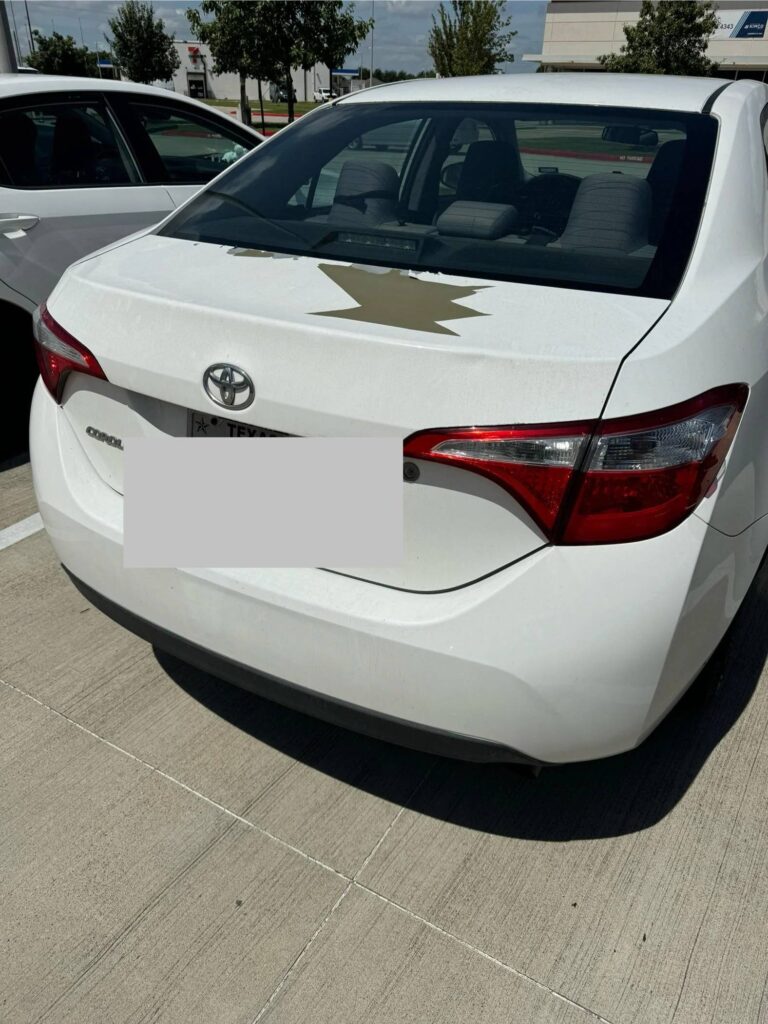
You take good care of your Toyota. You follow maintenance schedules, keep it clean, and trust the brand’s reputation for durability and long term reliability. Then one day, you notice something unexpected. A small section of white paint near the door edge, roof, hood, or pillar starts peeling away. At first, it may seem like a minor cosmetic issue. Over time, however, the affected area becomes larger and more noticeable.
This is the situation many owners experienced when searching for information about the Toyota White Paint Recall. The issue gained widespread attention across multiple markets because it affected not only the appearance of vehicles but also resale value, ownership satisfaction, and potentially expensive repair costs.
For many drivers, the frustration goes beyond appearance. A vehicle may still perform perfectly mechanically, yet visible paint damage can create disappointment and concern. After investing in a car expected to last for years, seeing paint peel unexpectedly is not something most owners anticipate.
In this guide, you will learn what Toyota White Paint Recall actually means, why the issue happened, which vehicles may be affected, and how to determine whether your vehicle could qualify for inspection or repair support.
What Is Toyota White Paint Recall?
The term Toyota White Paint Recall is commonly used by vehicle owners and automotive communities to describe Toyota’s response to a paint peeling issue found on certain vehicles painted in specific white colors. Although many people call it a “recall,” the situation was not always classified as a traditional safety recall. In many regions, Toyota handled it through customer support programs, warranty extensions, or service campaigns.
This distinction matters because a safety recall usually involves defects that may create risks for drivers or passengers, such as brake failures or airbag issues. Paint defects generally do not create immediate safety concerns. However, for owners, the impact can still feel significant because vehicle appearance plays a major role in ownership satisfaction and resale value.
Over time, reports began appearing from owners who noticed paint separating from metal body panels in unusual ways. Unlike normal wear and tear or paint fading caused by age, these cases often involved sections of paint peeling off in sheets or exposing the layer underneath.
The issue became widely discussed online because many owners experienced similar symptoms. As more cases surfaced, communities and media outlets began referring to the problem collectively as the Toyota White Paint Recall, even though Toyota’s official approach differed depending on country, model year, and market.
For consumers, understanding this distinction is important because support eligibility may vary. Some owners qualified for inspections and repairs, while others needed to verify whether their specific vehicle fell within the covered range.
What Actually Happened With Toyota’s White Paint Problem?
The core issue involved paint peeling from the vehicle body in areas where owners would not normally expect rapid deterioration. Instead of minor chips caused by road debris or scratches from daily use, some vehicles experienced sections of paint separating from the surface unexpectedly.
Owners often reported peeling in areas such as:
• Roof panels
• Hood surfaces
• A pillars
• Door frames
• Rear quarter panels
• Trunk areas
The early signs could be subtle. Some people noticed tiny bubbles, hairline cracks, or small edges where paint appeared slightly raised. Others first saw what looked like a rock chip, only to realize later that surrounding paint began lifting as well.
This created a frustrating experience because many owners initially believed they had caused accidental damage. Some paid for touch up work or partial repainting before discovering other owners had experienced the same issue.
A surprising aspect of the problem was that the vehicle could otherwise look almost brand new. The paint finish on most of the car often remained glossy and attractive while isolated areas began deteriorating unexpectedly.
That inconsistency made the issue difficult to identify early and caused many owners to miss warning signs until larger sections became affected.
Why Did Toyota White Paint Start Peeling?
Automotive paint systems involve multiple layers working together to create both protection and appearance. Beneath the visible color layer are primers, bonding layers, sealants, and protective coatings. If adhesion between these layers is compromised, paint may eventually separate from the vehicle body.
Industry discussions surrounding Toyota’s white paint issue frequently focused on the possibility of bonding problems between paint layers and the vehicle surface. Under certain conditions, adhesion may not perform as intended over long periods.
Environmental factors could further accelerate the problem. Continuous exposure to intense sunlight, heat, humidity, changing temperatures, and ultraviolet radiation can place additional stress on painted surfaces.
Some reports frequently referenced specific white paint formulations used during certain production periods. White colors can require unique pigment compositions and manufacturing processes compared with darker paint options. Small variations in application quality may create long term differences in durability.
For owners, this created an especially frustrating situation because paint problems often appeared years after purchase. By then, standard warranty periods may have ended, leaving drivers uncertain about repair costs and available support options.
One of the biggest concerns was financial. Complete repaint work can become expensive, and many owners feared paying large amounts out of pocket for a problem they believed should not occur on a well maintained vehicle.
Which Toyota Models Were Reported as Potentially Affected?
One of the first questions owners ask after hearing about the Toyota White Paint Recall is simple: Is my vehicle included? The answer is not always straightforward because affected models varied by production year, paint code, and geographic market.
Several Toyota vehicles were frequently mentioned in owner reports and service discussions over the years. Some of the most commonly referenced models included:
• Toyota Camry
• Toyota Corolla
• Toyota Avalon
• Toyota RAV4
• Toyota Prius
• Toyota Sienna
• Toyota Highlander
• Toyota Tacoma in certain markets
It is important to understand that not every vehicle from these model lines experienced paint issues. Even two cars from the same year could have different outcomes depending on manufacturing dates, assembly locations, and paint specifications.
This uncertainty created frustration among owners. Many people saw photos online of vehicles identical to theirs and immediately worried they would face the same problem. Others ignored early warning signs because they assumed their model had never been affected.
Another factor that caused confusion was regional variation. A model included in support programs in one country might not receive identical treatment elsewhere. Toyota policies often depended on local market evaluations and manufacturer decisions.
Because of these differences, relying solely on internet lists can be risky. The safest approach is verifying information directly through official channels rather than assuming eligibility based on model name alone.
How to Check Whether Your Vehicle Qualifies
Many owners only discovered potential support options after paying for repairs themselves. That is why checking your vehicle status early can save both time and money.
The first step is locating your Vehicle Identification Number, commonly called the VIN. This unique number acts like your vehicle’s fingerprint and allows manufacturers to identify specific production details.
You can usually find the VIN in several locations:
• Lower corner of the windshield on the driver side
• Driver side door frame sticker
• Registration paperwork
• Insurance documents
• Vehicle ownership records
After locating the VIN, visit Toyota’s recall or customer support portal in your country or contact an authorized dealership. Service representatives can often determine whether your vehicle falls under inspection programs, paint support campaigns, or extended coverage initiatives.
Before contacting a dealership, prepare relevant documents such as ownership information and photos of visible paint damage. Clear documentation may help simplify the review process.
Some owners delayed checking because they assumed cosmetic issues would never receive support. Others spent money repainting isolated sections only to later discover there had been available assistance.
Acting early may prevent unnecessary expenses and provide clarity before making repair decisions.
Does Toyota Repair the Issue for Free?
This is usually the question owners care about most. Paint repairs can become expensive very quickly, especially if multiple panels require repainting.
The answer depends on several factors. Coverage may vary according to vehicle year, market region, paint code, ownership status, and whether a customer support program was active at the time of inspection.
In some situations, Toyota provided inspections and repair assistance for qualifying vehicles. In others, support programs had specific time limits or eligibility requirements.
Repair procedures themselves could also differ. Some vehicles required repainting only certain panels while others needed more extensive work. The scope of repair often depended on how widespread the peeling had become.
Owners frequently worried about two things. First, whether they would have to pay thousands of dollars for repairs. Second, whether repaired areas would perfectly match the original factory finish.
These concerns are understandable because appearance significantly affects resale value and ownership satisfaction. A well maintained vehicle with visible paint damage can create negative impressions among potential buyers.
The most important step is not assuming either approval or rejection before verification. Contacting an authorized Toyota service center remains the fastest way to understand available options and avoid unnecessary out of pocket costs.
Does Toyota White Paint Recall Affect Resale Value?
For many owners, the concern goes beyond peeling paint itself. A larger question often follows: Will this affect my vehicle’s resale value? In many cases, the answer can be yes.
Vehicle appearance plays a major role in the used car market. Buyers often form opinions within seconds of seeing a car for the first time. Even if the engine runs perfectly and maintenance records are excellent, visible paint damage can immediately create doubt.
Peeling paint may lead potential buyers to ask difficult questions. Was the vehicle involved in an accident? Was it repaired improperly? Has it been exposed to extreme conditions? Even when the issue is unrelated to those concerns, visible exterior defects can create hesitation.
The impact may become greater if peeling areas expose primer or metal surfaces underneath. Over time, neglected damage could potentially contribute to additional cosmetic deterioration. Buyers usually interpret these visible signs as indicators of overall vehicle condition.
Another issue involves negotiating power. Dealers and private buyers often use cosmetic flaws as leverage to reduce offers. Even relatively small paint problems can influence pricing discussions.
This is one reason many owners prefer addressing paint concerns through official repair channels whenever possible. Documentation showing inspection records or manufacturer supported repairs may help reassure future buyers and preserve confidence in the vehicle’s condition.
For owners planning to keep their cars long term, appearance may feel like a personal satisfaction issue. For those considering resale within a few years, addressing paint defects early could become a financial decision as well.
Conclusion
The Toyota White Paint Recall became a widely discussed topic because it touched on something every vehicle owner values: long term quality and ownership confidence. While the issue did not involve engine failures or critical safety systems, it still created frustration because it affected appearance, resale value, and the overall ownership experience.
The challenge for many drivers was uncertainty. Paint problems often appeared years after purchase, making it difficult to know whether the damage resulted from normal aging or a larger manufacturing issue. That confusion caused some owners to spend money on repairs before realizing support programs or inspection options might exist.
If you own a Toyota with white paint and notice bubbling, cracking, or peeling, avoid assuming the problem is simply wear and tear. Taking a few minutes to verify your vehicle information and check eligibility may potentially save significant repair expenses later.
Most importantly, act early. Small signs are often easier to document and investigate before damage spreads further.
Have you experienced paint peeling on your Toyota? Share your model, production year, and experience in the comments. Your story could help other owners facing the same situation.
I currently own a 2013 Highlander and the paint did not begin peeling until the middle of 2025. The recall expired in 2024. After calling Toyota several times and being told they could not extend the recall and would not fix the peeling paint ( after spending $40,000 on this vehicle which currently only has 24,650 miles on it) I would NEVER buy another Toyota and will spread the word to everyone I know to also NEVER buy a Toyota. They are a terrible company who does not care about their customers.
Same here!!