If you own a Toyota Tacoma or are planning to buy a used one, understanding the Toyota Tacoma Leaf Spring Recall could save you from unexpected repair costs and potential safety risks. Many truck owners assume recalls only affect a small batch of vehicles, but that assumption can become expensive when suspension issues appear without warning.
For years, the Toyota Tacoma built a strong reputation for durability, off road capability, and long term reliability. Yet even dependable trucks can develop design or component problems. One issue that drew major attention involved rear leaf springs on certain Tacoma model years. Under specific conditions, corrosion could weaken the leaf springs and create a risk of fracture. In severe situations, broken spring components could damage nearby parts or create dangerous road hazards.
The concern for many owners becomes even bigger when purchasing a used Tacoma. You may not know whether the previous owner completed recall repairs, and visual inspection alone often does not tell the whole story. That uncertainty creates stress, especially for drivers who rely on their truck daily for work, towing, or family transportation.
In this guide, we will break down exactly which Tacoma model years were included, why those vehicles were affected, and how to determine whether your truck still needs recall service.
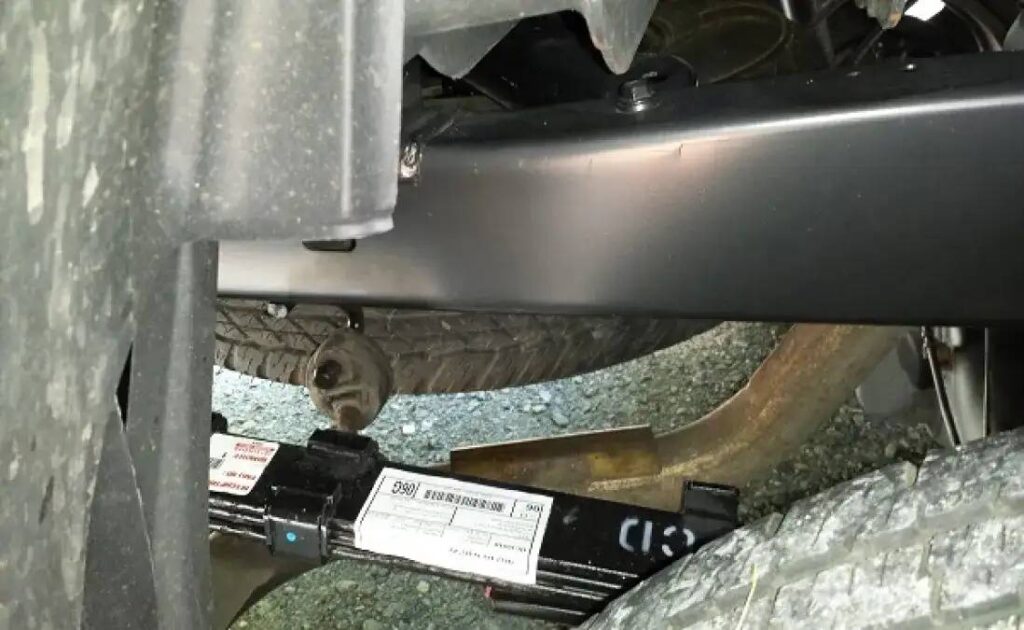
Overview of the Toyota Tacoma Leaf Spring Recall
Before identifying the affected years, it helps to understand what a leaf spring actually does and why this component matters. Leaf springs are a key part of the rear suspension system in many pickup trucks. Their job is to support vehicle weight, absorb impacts from rough roads, stabilize cargo loads, and help maintain ride balance.
In the Tacoma, the rear leaf spring assembly plays an especially important role because many owners use the truck for hauling equipment, towing trailers, or driving on uneven terrain. When the suspension system works properly, drivers rarely think about it. Problems begin when corrosion slowly weakens critical components over time.
The Toyota Tacoma Leaf Spring Recall focused on rear leaf springs that could experience severe corrosion. In areas with snow, road salt, moisture, and harsh winter conditions, repeated exposure accelerated rust development. As corrosion progressed, cracks could form in the spring structure.
The risk extended beyond an uncomfortable ride. A fractured spring could potentially puncture nearby components, damage fuel related parts, or create hazardous debris on the roadway. Some owners first noticed warning signs through strange noises or changes in handling. Others discovered the issue only after routine inspections.
This situation created a major concern because many Tacoma owners depend on their trucks for daily use. Unexpected suspension failure can quickly turn a reliable vehicle into a costly and stressful problem.
Which Toyota Tacoma Model Years Were Included in the Recall?
Many owners search one specific question: Which Tacoma years were affected by the recall? The answer is more detailed than many people expect.
The primary Toyota Tacoma Leaf Spring Recall largely involved Tacoma trucks from model years 2005 through 2011. However, not every vehicle from these years automatically qualified. Vehicle production location, manufacturing period, VIN identification, and operating region all influenced recall eligibility.
2005 Toyota Tacoma
The 2005 model year marked the beginning of the second generation Tacoma lineup. Trucks from this period represented a large portion of affected vehicles because they had more years of exposure to weather conditions and corrosion.
Owners commonly reported rust buildup around suspension components. In colder climates, years of road salt exposure increased the likelihood of corrosion related damage.
2006 Toyota Tacoma
The 2006 Tacoma also appeared among recall related vehicles. Although many trucks remained reliable, certain units operating in severe weather conditions experienced accelerated wear patterns.
Some owners noticed unusual noises from the rear suspension before identifying larger issues.
2007 Toyota Tacoma
For the 2007 model year, warning signs often developed gradually. Because suspension problems can progress slowly, many drivers initially dismissed small noises or ride quality changes.
Ignoring these symptoms sometimes allowed corrosion to worsen over time.
2008 Toyota Tacoma
By this point, environmental exposure became an increasingly important factor. Tacoma trucks operating in regions with heavy winter road treatment experienced greater risks than trucks in dry climates.
Vehicle condition often depended heavily on location and maintenance history.
2009 Through 2011 Toyota Tacoma Models and Why They Were Affected
2009 Toyota Tacoma
The 2009 Tacoma remained among model years associated with the recall campaign. Although newer than earlier trucks, exposure to moisture and road chemicals could still create long term corrosion concerns.
Owners purchasing used vehicles often faced uncertainty because prior maintenance records were not always complete.
2010 Toyota Tacoma
The 2010 model continued appearing in recall related searches because some vehicles met Toyota’s VIN criteria. Again, this did not mean every Tacoma built that year was affected.
This distinction matters because many buyers mistakenly assume model year alone determines recall status.
2011 Toyota Tacoma
The 2011 Tacoma represented one of the later years associated with the issue. Depending on production timing and VIN range, some vehicles qualified while others did not.
A surprising detail many owners miss is that two trucks built in the same year can have completely different recall status. Manufacturing details matter.
A useful fact for buyers and owners is that recall campaigns often rely more on VIN identification than broad model year classification. That means the safest approach is never assuming your truck is clear simply because someone online says a certain year was or was not included.
For owners considering a used Tacoma purchase, this uncertainty creates a common pain point. A truck may look clean, drive smoothly, and appear well maintained, while still carrying unresolved recall work from years earlier.
Why These Toyota Tacoma Model Years Were Affected
Many owners assume the issue came from a simple manufacturing defect, but the reality was more complex. The affected Tacoma years shared a combination of environmental exposure and component vulnerability that increased the likelihood of severe corrosion.
One major factor involved regions where winter weather required extensive use of road salt. In colder areas, transportation departments spread salt and chemical treatments to reduce ice buildup and improve driving safety. While effective for roads, these chemicals can become highly aggressive toward metal vehicle components over time.
When moisture, dirt, and salt repeatedly accumulate beneath a truck, corrosion can slowly develop around suspension parts. The rear leaf springs on certain Tacoma models became vulnerable after years of exposure. Small amounts of surface rust may not create immediate danger, but prolonged corrosion can weaken structural strength.
Climate also played a major role. Trucks operating in humid areas or regions with frequent rain often faced different wear patterns than vehicles in dry environments. A Tacoma driven in snowy northern states could age very differently from one operated in warm southern climates.
Maintenance habits created another layer of variation. Vehicles receiving regular underbody cleaning and inspections often showed less severe corrosion. Unfortunately, many owners rarely inspect suspension components because the signs usually remain hidden until symptoms begin affecting ride quality.
This explains why two Tacoma trucks from the same year can experience completely different outcomes. Vehicle history matters just as much as production year.
How To Check If Your Toyota Tacoma Was Included in the Recall
The biggest mistake owners make is assuming their truck qualifies or does not qualify based only on model year. The safest and most accurate method is checking the vehicle identification number.
Start by locating your VIN. Most Tacoma owners can find it on the dashboard near the windshield, inside the driver side door frame, vehicle registration documents, or insurance paperwork.
Next, visit Toyota’s official recall lookup system or contact an authorized dealership. The VIN allows service systems to identify open recall campaigns associated with that specific vehicle.
When checking your truck, follow these steps:
- Locate your VIN number
- Enter the VIN into Toyota recall lookup tools
- Review active recall information
- Contact a dealership if results show unresolved repairs
- Schedule inspection if needed
This process becomes especially important when buying a used Tacoma. A previous owner may have ignored recall notices or sold the truck before completing repairs.
Many buyers focus heavily on mileage, paint condition, tires, and maintenance records while forgetting recall history. That oversight can create unexpected expenses later.
Spending a few minutes verifying recall status can eliminate uncertainty and provide peace of mind before making a purchase decision.
Warning Signs Owners Should Never Ignore
Even if you have not confirmed recall status yet, your Tacoma may already be showing early warning signs that deserve attention.
One common symptom involves unusual sounds coming from the rear suspension area. Drivers sometimes describe clunking, squeaking, creaking, or metallic noises while driving over bumps or uneven roads.
Another sign involves changes in ride quality. If the truck feels unstable, sits unevenly, or handles differently than before, suspension issues may be developing.
Some owners notice increased vibration while carrying cargo or towing loads. Because Tacoma trucks often handle heavy work duties, suspension problems can become more obvious under additional weight.
Visual inspection can also reveal concerns. Rust buildup around suspension components, cracked metal surfaces, or visible deterioration should never be ignored.
Pay attention to these warning indicators:
• Unusual rear suspension noises
• Excessive rust underneath the truck
• Uneven vehicle height
• Rough or unstable handling
• Increased vibration under load
Ignoring these symptoms can create a bigger problem later. Many vehicle owners delay inspections because the truck still feels drivable. Unfortunately, suspension issues often progress gradually, making them easy to underestimate.
Early diagnosis usually costs less, reduces stress, and helps prevent more serious safety concerns.
What Happens During Toyota Tacoma Recall Repair
Many owners become anxious after discovering their truck falls under the Toyota Tacoma Leaf Spring Recall because they immediately expect expensive repairs or long service delays. Fortunately, recall repairs are generally much simpler than people imagine.
When you bring your Tacoma to an authorized Toyota service center, technicians usually begin with a detailed inspection. The goal is to evaluate the condition of the rear leaf spring assembly and determine whether excessive corrosion or damage exists.
The inspection process often includes:
• Examination of rear suspension components
• Inspection for rust severity
• Verification of VIN and recall eligibility
• Evaluation of nearby components that could be affected
Depending on vehicle condition, technicians may apply corrective actions outlined by Toyota. In some cases, components require replacement. In other situations, additional protective measures may be performed to reduce future corrosion risk.
Many owners worry about repair costs. Recall repairs approved under manufacturer campaigns are generally completed at no charge for qualifying vehicles. That can bring major relief because suspension repairs outside recall programs can become expensive.
Repair time varies depending on dealership workload, parts availability, and inspection findings. Some visits may be completed relatively quickly, while others require scheduling additional service appointments.
One concern among owners involves daily transportation needs. If the truck supports work responsibilities, towing duties, or family transportation, downtime becomes stressful. Scheduling service early often helps avoid delays and reduces disruption.
The good news is that completing recall repairs not only addresses safety concerns but can also preserve vehicle value and improve confidence for future buyers.
Conclusion
Understanding which Toyota Tacoma model years were included in the Leaf Spring Recall is important for both current owners and used truck shoppers. While the recall primarily involved Tacoma models from 2005 through 2011, year alone never tells the full story.
Many drivers make the mistake of assuming their truck automatically qualifies or automatically avoids recall status. The reality is far more specific. VIN information, production details, vehicle history, climate exposure, and previous repair records all influence eligibility.
That uncertainty creates a common challenge for buyers entering the used truck market. A Tacoma may appear clean, drive perfectly, and have a strong maintenance history while still carrying unresolved recall work. Missing that detail can lead to unexpected repairs and avoidable stress later.
The safest approach is simple. Verify the VIN, review recall history, and inspect suspension condition before assuming everything is fine.
If you currently own a Tacoma or are considering purchasing one, take a few extra minutes to investigate recall records today. A small amount of research now can help prevent larger repair costs, protect long term reliability, and provide greater confidence every time you get behind the wheel.