Luxury cars often deliver an unmatched blend of comfort, technology, and prestige. However, when it comes to long-term ownership, one question consistently arises: Are Mercedes-Benz C-Class reliable? For many buyers, the appeal of owning a Mercedes comes with concerns about maintenance costs, repair bills, and long-term durability.
As one of the brand’s best-selling luxury sedans, the Mercedes-Benz C-Class has earned a reputation for elegant design, refined driving dynamics, and cutting-edge features. From daily commuting to long highway trips, the C-Class offers a premium experience that attracts drivers worldwide. Yet, like many German luxury vehicles, its reliability has been the subject of ongoing debate among owners and automotive experts.
If you are considering buying a new or used C-Class, understanding its reliability is crucial. No one wants to face unexpected repair costs or discover common issues after making a significant investment. The good news is that not all C-Class models are created equal, and some generations have proven to be far more dependable than others.
In this comprehensive guide, we examine Mercedes C-Class reliability scores, common problems, maintenance costs, ownership experiences, and the best model years to buy so you can make an informed decision.
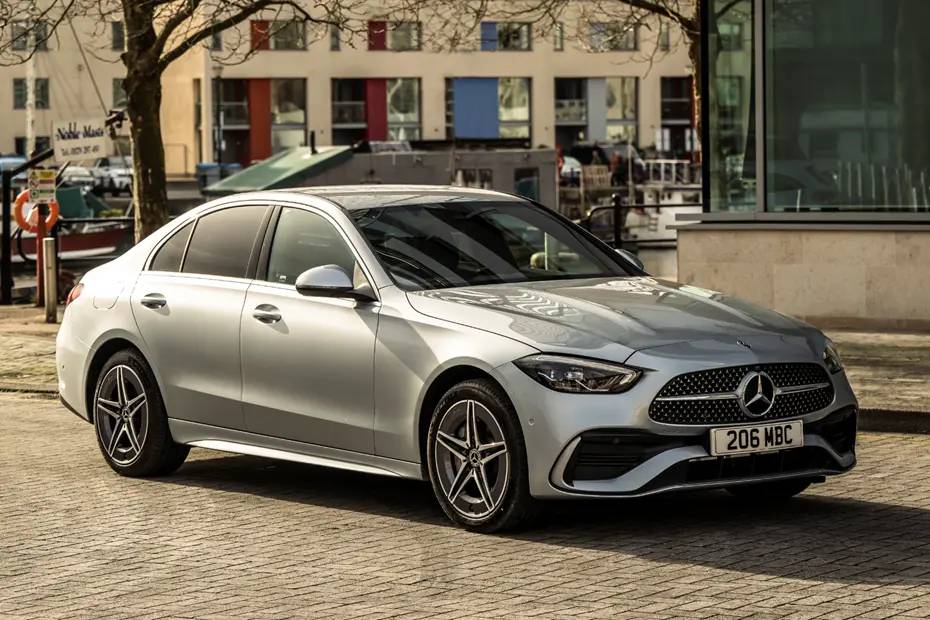
Mercedes-Benz C-Class Reliability Score Explained
When discussing luxury car ownership, reliability is often one of the most important factors buyers consider. So, how does the Mercedes-Benz C-Class perform in terms of reliability?
The answer depends on several factors, including the model year, maintenance history, and driving habits. Overall, the Mercedes-Benz C-Class generally earns average to above-average reliability ratings compared to other luxury sedans. While it may not be the undisputed leader in dependability, it remains a solid choice for drivers who prioritize comfort and premium features.
Industry organizations such as J.D. Power, Consumer Reports, and RepairPal regularly assess vehicle reliability using owner feedback, repair frequency, and long-term durability data. These studies often place the C-Class in the middle of the luxury sedan segment. Newer models tend to perform better thanks to improved engineering and updated technologies.
Compared to competitors, the C-Class offers mixed results. The BMW 3 Series delivers sporty handling but can face similar maintenance concerns. The Audi A4 is known for its refined interior but also carries potentially expensive repair costs. Meanwhile, the Lexus IS consistently ranks among the most reliable luxury sedans due to its Japanese engineering and lower maintenance expenses.
One important point to remember is that luxury vehicles require proactive care. A well-maintained Mercedes-Benz C-Class can remain dependable for many years, while neglected examples may become costly to own. Reliability is not solely determined by the badge on the hood but also by how the vehicle is maintained throughout its life.
For buyers seeking a balance of luxury, performance, and reasonable reliability, the Mercedes-Benz C-Class remains a competitive option in the premium sedan market.
How Long Does a Mercedes-Benz C-Class Last?
A common question among prospective buyers is: how long does a Mercedes-Benz C-Class last? The good news is that with proper maintenance, a C-Class can enjoy a remarkably long lifespan.
On average, a well-maintained Mercedes-Benz C-Class can last between 150,000 and 250,000 miles. Some owners have even reported surpassing 300,000 miles while maintaining good performance and comfort. These numbers place the C-Class among the more durable vehicles in the luxury sedan segment.
Several factors determine the lifespan of a C-Class. Routine maintenance is perhaps the most important. Regular oil changes, timely fluid replacements, and adherence to manufacturer service schedules can significantly extend the vehicle’s longevity. Ignoring maintenance, on the other hand, often leads to expensive repairs and reduced reliability.
Driving habits also play a major role. Aggressive acceleration, hard braking, and frequent short trips can accelerate wear on the engine, transmission, and suspension components. Drivers who practice smooth driving habits often enjoy lower ownership costs and better long-term reliability.
Climate and road conditions further influence durability. Vehicles operated in harsh environments with extreme temperatures or poor road surfaces may experience increased wear over time.
Interestingly, many enthusiasts praise the W204 generation, produced from 2008 to 2014, for its exceptional durability. It is not uncommon to find examples still running smoothly after more than a decade of ownership.
Ultimately, if cared for properly, a Mercedes-Benz C-Class can provide years of luxurious and enjoyable driving, making it a worthwhile investment for buyers seeking both prestige and longevity.
Common Mercedes-Benz C-Class Problems
Although the Mercedes-Benz C-Class is generally reliable, no vehicle is completely free from issues. Understanding common problems before buying can help owners avoid costly surprises and make informed decisions.
One frequently reported issue involves engine components. Certain model years have experienced oil leaks, timing chain wear, and turbocharger failures. While these problems do not affect every vehicle, repairs can become expensive if left unaddressed.
Electrical issues are another area owners occasionally encounter. Modern C-Class models rely heavily on advanced electronics, which means infotainment glitches, malfunctioning sensors, and battery drain can occur. These issues may seem minor at first but can lead to frustrating ownership experiences if not diagnosed promptly.
Suspension components can also wear over time. Some owners report worn control arms, bushings, and suspension noises, especially on higher-mileage vehicles. Repair costs vary depending on the severity of the issue and the specific model year.
Transmission concerns have been reported in certain generations as well. Symptoms may include rough shifting, delayed gear changes, or transmission control module issues. Early diagnosis is critical because transmission repairs are often among the most expensive maintenance expenses.
Perhaps the biggest concern for buyers is not necessarily the frequency of problems but the cost of fixing them. Luxury vehicles typically require specialized parts and skilled technicians, which can result in repair bills significantly higher than those of mainstream brands.
The key takeaway is simple: purchasing a Mercedes-Benz C-Class with a complete maintenance history and performing preventive maintenance can dramatically reduce the risk of major repairs and improve overall reliability.
Maintenance Costs and Ownership Expenses
One of the biggest concerns among luxury car buyers is ownership cost. While the Mercedes-Benz C-Class delivers a premium driving experience, it also comes with higher maintenance expenses than most mainstream vehicles.
On average, annual maintenance costs for a Mercedes-Benz C-Class can range from $700 to over $1,500 depending on the model year, mileage, and service requirements. Routine services such as oil changes, brake fluid replacement, and tire rotations are generally manageable. However, major repairs can quickly increase ownership costs.
Brake replacement is a common maintenance item. Premium brake components often cost more than those found on non-luxury vehicles. Tire replacement can also be expensive because many C-Class models use performance tires that wear faster and command higher prices.
As the vehicle ages, owners may encounter larger expenses involving suspension components, electronic systems, or engine repairs. These costs can surprise buyers who are accustomed to lower maintenance expenses associated with mainstream brands.
Compared with competitors, the Mercedes-Benz C-Class sits in a similar range to the BMW 3 Series and Audi A4 in terms of maintenance costs. However, brands such as Lexus generally offer lower repair frequency and reduced ownership expenses over the long term.
Fortunately, there are ways to control costs. Following the manufacturer’s maintenance schedule, addressing small problems early, and working with experienced technicians can significantly reduce the likelihood of expensive repairs.
For many owners, the luxurious cabin, refined ride quality, and prestigious badge justify the additional expense. However, buyers should enter ownership with realistic expectations and a budget for long-term maintenance.
Which Mercedes-Benz C-Class Years Are the Most Reliable?
Not every Mercedes-Benz C-Class model year offers the same level of reliability. Some years have earned praise for durability, while others are known for recurring issues.
Among enthusiasts and automotive experts, the W204 generation, particularly model years from 2012 to 2014, is often considered one of the most reliable C-Class generations ever produced. These vehicles benefited from years of engineering improvements and generally feature fewer electronic complications than newer models.
The later years of the W205 generation, especially from 2018 to 2021, also receive positive reviews for reliability. Mercedes refined many of the earlier issues found in initial W205 models and introduced updated technology and powertrains.
Buyers should exercise caution with first-year redesigns. New generations often introduce fresh technologies and components that may experience unexpected problems during their early production years. This is not unique to Mercedes but applies across the automotive industry.
Older high-mileage vehicles may still be excellent purchases if they have complete service records and evidence of proper maintenance. A well-cared-for C-Class can outperform a newer vehicle that has been neglected.
For buyers seeking the best balance between reliability, value, and ownership costs, the 2012 to 2014 W204 models and 2018 to 2021 W205 models are frequently regarded as the safest choices.
Choosing the right model year can significantly reduce repair risks and improve long-term satisfaction with ownership.
Mercedes-Benz C-Class Reliability by Generation
To fully understand Mercedes-Benz C-Class reliability, it is essential to examine each generation separately because reliability varies considerably across different eras.
The W204 generation, produced from 2008 to 2014, is widely viewed as one of the most dependable C-Class generations. Owners often praise its solid construction, relatively simple electronics, and durable engines. Many examples continue to operate reliably even after exceeding 150,000 miles.
The W205 generation, introduced in 2015, represented a major technological leap. It brought modern safety features, improved infotainment systems, and more efficient engines. While these advancements enhanced comfort and performance, they also increased complexity. Early W205 models experienced some electrical and software-related issues, though later years showed noticeable improvements.
The latest W206 generation, launched in 2022, offers advanced technology, hybrid powertrains, and a more luxurious interior than ever before. Because it is still relatively new, long-term reliability data remains limited. Early owner feedback has generally been positive, but only time will reveal how these vehicles perform after many years of ownership.
Each generation appeals to different buyers. Drivers prioritizing proven durability may prefer the W204. Those seeking a balance between modern features and reliability often choose the later W205 models. Buyers who value cutting-edge technology and the latest design may gravitate toward the W206 despite its shorter reliability history.
Understanding these differences allows buyers to select the generation that best matches their budget, driving needs, and long-term ownership goals.
Is a Used Mercedes-Benz C-Class Worth Buying?
Buying a used luxury car can be an excellent way to enjoy premium features at a fraction of the original price. For many shoppers, the Mercedes-Benz C-Class stands out as an attractive option due to its elegant styling, refined driving experience, and strong brand reputation. But is a used Mercedes-Benz C-Class really worth buying?
The answer is yes, provided you choose carefully. A well-maintained C-Class can deliver years of reliable service and luxury driving. However, purchasing the wrong vehicle without proper inspection can lead to expensive repairs and unexpected maintenance costs.
One of the most important factors when shopping for a used C-Class is service history. Vehicles with complete maintenance records are often better indicators of responsible ownership. Regular oil changes, scheduled services, and documented repairs can significantly improve long-term reliability.
Before purchasing, buyers should always arrange a pre-purchase inspection performed by a qualified mechanic familiar with Mercedes vehicles. This inspection can uncover hidden problems involving the engine, transmission, suspension, or electrical systems before money changes hands.
Potential buyers should also inspect for oil leaks, unusual noises, warning lights, and signs of neglected maintenance. These issues may seem minor initially but can become costly if ignored.
A used Mercedes-Benz C-Class may not be the cheapest luxury sedan to own, but it can offer tremendous value when purchased wisely. Buyers who prioritize condition and maintenance history over low price often enjoy the best ownership experience.
Ultimately, a carefully selected used C-Class can provide the comfort, prestige, and driving enjoyment expected from a luxury sedan while remaining reasonably reliable over the long term.
Conclusion
So, are Mercedes-Benz C-Class reliable? The answer depends largely on the specific model year and how well the vehicle has been maintained. Overall, the C-Class offers average to above-average reliability within the luxury sedan segment and can provide many years of dependable service when properly cared for.
While ownership costs are generally higher than those of mainstream vehicles, they are relatively competitive compared to other German luxury brands. Buyers should be prepared for premium maintenance expenses, but preventive care can significantly reduce the likelihood of major repairs.
Certain generations stand out for their dependability. The W204 models from 2012 to 2014 and later W205 models from 2018 to 2021 are often regarded as some of the best choices for reliability and value. Selecting the right model year can make a substantial difference in ownership satisfaction.
Like any luxury vehicle, the Mercedes-Benz C-Class rewards owners who stay proactive with maintenance. Neglect can quickly lead to expensive issues, while proper care can help these cars exceed 200,000 miles and continue delivering a premium driving experience.
If you are considering purchasing a Mercedes-Benz C-Class, focus on vehicles with complete service histories, obtain a professional inspection, and budget appropriately for maintenance. By doing so, you can enjoy the comfort, technology, and prestige of Mercedes ownership with greater peace of mind.
Have you owned a Mercedes-Benz C-Class? Share your experiences, reliability stories, and maintenance tips in the comments below. Your insights may help future buyers make a more informed decision.