The 6L90 transmission is a six-speed automatic gearbox built by General Motors. It is commonly used in trucks and SUVs that require strong towing capability and high torque performance. Many drivers choose vehicles with this transmission because it offers durability and smooth shifting under heavy load conditions.
Despite its strong design, the 6L90 transmission still develops problems over time. Drivers often report slipping gears, delayed shifting, and harsh gear changes. Some vehicles also experience overheating during long drives or towing situations. These issues usually start small but become more serious if ignored.
Most 6L90 transmission problems do not appear suddenly. They develop gradually as internal components wear down. Transmission fluid quality also plays a major role in system performance. When fluid breaks down or becomes contaminated, it reduces hydraulic pressure and affects gear operation. Heat buildup can also damage internal parts and speed up failure.
Early detection is important because it helps prevent expensive repairs. Many drivers only notice the problem when the transmission enters limp mode or loses normal driving function. At that stage, repair costs are often much higher.
This guide explains the most common 6L90 transmission problems in detail. It covers symptoms, root causes, diagnostic steps, and repair solutions. The goal is to help you understand how the system fails and what you can do to fix it before serious damage occurs.
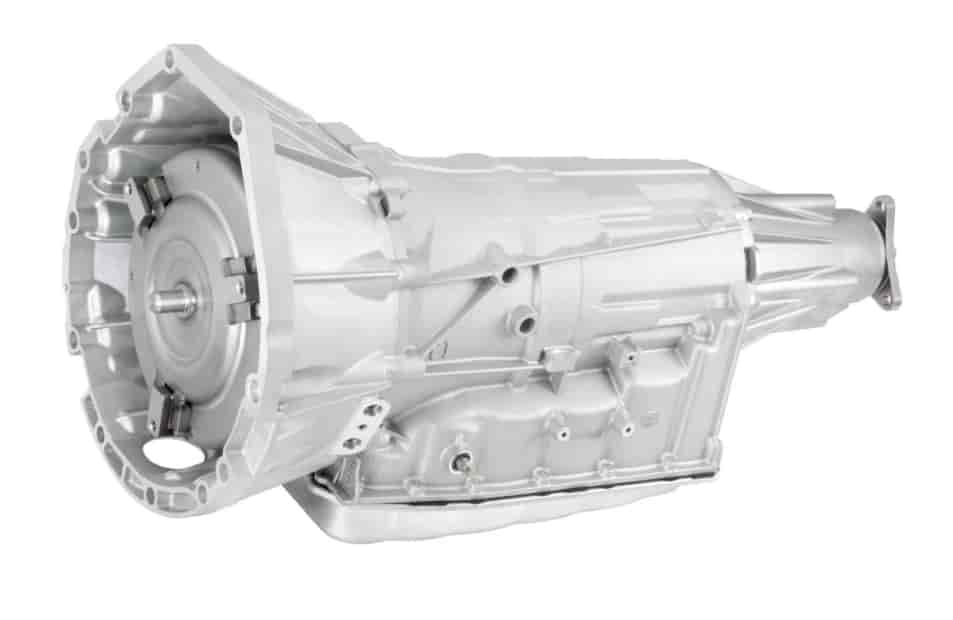
Overview of the 6L90 Transmission System
The 6L90 transmission is an automatic six-speed gearbox developed by General Motors. It is designed for vehicles that need strong torque handling and reliable performance under heavy load. You can find it in full-size trucks, SUVs, and some performance-oriented GM models.
This transmission builds on the earlier 6L80 design but uses stronger internal components. GM improved the torque capacity so the 6L90 can support more demanding driving conditions. It handles towing, hauling, and long-distance driving better than smaller transmissions in the same family.
The system uses an electronically controlled hydraulic design. The transmission control module manages gear shifts based on speed, throttle input, and engine load. This allows smoother shifting and better fuel efficiency compared to older automatic systems.
The 6L90 also uses a torque converter to transfer engine power to the drivetrain. This component improves low-speed performance and helps maintain smooth acceleration. When it works correctly, drivers experience stable and responsive gear changes.
Even though the 6L90 is built for durability, it still depends heavily on proper maintenance. Transmission fluid quality, cooling performance, and driving conditions all affect its lifespan. When these factors are ignored, the system becomes more vulnerable to wear and failure.
Understanding how the 6L90 transmission works is important before diagnosing problems. It helps identify which components fail first and why certain symptoms appear during operation.
Common 6L90 Transmission Problems
The 6L90 transmission develops several common problems over time, and most of them start with subtle changes in driving behavior. One of the most frequent issues is gear slipping, where the engine RPM increases but the vehicle does not accelerate properly. This usually happens when internal clutch packs wear down or when hydraulic pressure becomes unstable. Drivers often notice this issue during acceleration or when climbing hills.
Another common problem is harsh or delayed shifting. Some drivers feel a delay when shifting from Park to Drive or Reverse. Others experience sudden or rough gear changes while driving. These symptoms often point to worn solenoids or a failing valve body that cannot regulate hydraulic flow correctly.
Overheating is also a serious concern in the 6L90 transmission. It often occurs during towing, heavy load driving, or long highway trips. High temperatures break down transmission fluid and reduce its ability to lubricate internal components. As a result, the transmission begins to wear faster and shift less smoothly.
Torque converter problems also appear in many failing units. Drivers may feel vibration, shuddering, or unstable RPM at steady speeds. This usually happens when the lock-up clutch inside the torque converter begins to fail, causing inconsistent power transfer between the engine and transmission.
In severe cases, the transmission may enter limp mode. This is a protective state activated by the control system when it detects critical faults. The vehicle limits gear operation and reduces power to prevent further damage. These problems often appear together and worsen over time if the transmission is not repaired early.
Main Causes of 6L90 Transmission Failures
The 6L90 transmission fails for several predictable reasons, and most of them come from heat, fluid condition, and mechanical wear over time. One of the biggest causes is poor or degraded transmission fluid. When the fluid loses its properties, it cannot lubricate or cool internal components effectively. This leads to increased friction and unstable hydraulic pressure, which directly affects shifting performance.
Another major cause is excessive heat buildup. The 6L90 often works under heavy load in trucks and SUVs, especially during towing or long highway driving. When the cooling system cannot manage this heat, internal components begin to wear faster. High temperatures also break down transmission fluid, which accelerates the failure cycle.
Valve body and solenoid wear also play a significant role in transmission problems. These components control hydraulic flow inside the system. When they wear out or become contaminated, the transmission struggles to shift correctly. Drivers may notice delayed engagement, rough shifting, or inconsistent gear changes.
The torque converter is another weak point in long-term operation. Repeated stress and heat can damage the lock-up clutch inside the converter. This leads to vibration, shuddering, and poor power transfer between the engine and transmission.
In some cases, software or calibration issues in the transmission control module can also contribute to failure symptoms. Incorrect shift logic or outdated programming can make shifting feel unstable even when hardware is still functional.
Most 6L90 transmission failures do not come from a single cause. They usually result from a combination of fluid degradation, heat stress, and internal wear that builds up gradually over time.
Symptoms of a Failing 6L90 Transmission
A failing 6L90 transmission usually shows clear warning signs before it completely breaks down. One of the earliest symptoms is gear slipping. The engine speed increases, but the vehicle does not respond with the expected acceleration. This often becomes more noticeable during uphill driving or when the vehicle carries heavy loads.
Another common symptom is delayed or rough shifting. The transmission may hesitate when shifting from Park to Drive or Reverse. It can also shift harshly between gears while driving. These symptoms often indicate internal pressure issues or worn hydraulic components.
Drivers may also notice unusual vibrations or shuddering. This typically happens at steady speeds and is often linked to torque converter problems. The vehicle may feel unstable even when driving on a smooth road.
Overheating is another serious warning sign. When the transmission temperature rises too high, the fluid loses its protective properties. This can cause burning smells, reduced performance, and faster internal wear. In some cases, the system may enter limp mode to prevent further damage.
Warning lights on the dashboard are also a key indicator. When the transmission control module detects abnormal behavior, it triggers diagnostic codes. These codes often point to solenoid issues, pressure loss, or gear ratio errors.
In advanced stages, the vehicle may struggle to engage gears at all. This is a critical sign that internal damage has already occurred. At this point, continued driving can lead to complete transmission failure and much higher repair costs.
Diagnostic Methods for 6L90 Transmission Problems
Diagnosing 6L90 transmission problems requires a step-by-step approach because many symptoms overlap. The first and most common method is using an OBD-II scanner. This tool reads diagnostic trouble codes from the transmission control module. These codes help identify issues related to solenoids, pressure regulation, or gear ratio errors.
A road test also provides important information. During driving, technicians observe how the transmission shifts under different conditions. They check for slipping, delayed engagement, harsh shifting, and abnormal RPM changes. These real-world behaviors often reveal problems that do not appear during a static inspection.
Transmission fluid inspection is another critical step. The fluid condition shows a lot about internal health. Clean fluid with a normal red color indicates good condition. Dark, burnt-smelling fluid suggests overheating or internal friction. Contaminated fluid often points to worn components inside the system.
Hydraulic pressure testing helps confirm internal mechanical performance. Low or unstable pressure usually indicates valve body wear, solenoid failure, or internal leakage. This test is essential when symptoms are present but electronic diagnostics do not show clear faults.
In advanced cases, technicians use computerized transmission analysis tools. These systems monitor live data such as shift timing, pressure values, and temperature changes. This allows precise identification of failing components before full breakdown occurs.
Proper diagnosis is important because 6L90 transmission problems often share similar symptoms. Without accurate testing, repairs may target the wrong component and fail to fix the real issue.
Fixes and Repair Solutions
Fixing 6L90 transmission problems depends on how early the issue is detected and how severe the internal damage has become. In mild cases, basic maintenance can restore performance. A transmission fluid change is often the first and most effective solution. Fresh fluid restores lubrication, improves hydraulic pressure, and helps reduce slipping or rough shifting. Replacing the transmission filter at the same time also improves flow and system stability.
When problems are more advanced, intermediate repairs become necessary. One common repair involves replacing faulty solenoids. These components control gear shifting, and when they fail, the transmission loses accuracy in pressure regulation. Cleaning or rebuilding the valve body is another important repair step. This restores proper hydraulic control and improves shift quality.
In severe cases, major repairs are required. A torque converter replacement is often needed when shuddering, vibration, or RPM instability occurs. If internal damage is extensive, a full transmission rebuild becomes the only reliable solution. This process replaces worn clutches, seals, and damaged internal components to restore full function.
Software solutions can also help in some situations. A transmission control module reset or reprogramming can correct shift timing issues and improve overall behavior. However, this only works when hardware components are still in good condition.
The key to successful repair is accurate diagnosis. If the root cause is not identified correctly, replacing parts will not solve the problem. 6L90 transmission systems require a balanced approach that considers both mechanical wear and electronic control behavior.
Repair Cost Overview
The cost to repair 6L90 transmission problems varies widely depending on the severity of the damage and the type of repair required. In minor cases, such as fluid changes or filter replacements, the cost remains relatively low. These basic services usually help restore normal performance when issues are detected early.
When the problem involves solenoids or electrical components, the cost increases moderately. Replacing solenoids or repairing the valve body requires more labor and diagnostic time. These repairs often fall into a mid-range price level because they involve both parts and specialized labor.
In more serious cases, such as torque converter failure, the cost becomes significantly higher. Replacing a torque converter requires additional labor since the transmission must be partially disassembled. This type of repair is common when vibration, shuddering, or RPM instability has already developed.
The most expensive scenario involves a full transmission rebuild or replacement. A rebuild replaces all worn internal components, including clutches, seals, and damaged mechanical parts. A complete replacement may cost even more depending on whether a new, rebuilt, or used unit is installed.
Several factors influence the final repair cost. Vehicle usage, towing history, fluid condition, and how early the problem is diagnosed all play important roles. Labor rates also vary depending on location and workshop expertise.
Early diagnosis is the most effective way to reduce repair expenses. When 6L90 transmission problems are addressed quickly, most owners avoid major rebuild costs and extend the overall lifespan of the system.
How to Prevent 6L90 Transmission Problems
Preventing 6L90 transmission problems requires consistent maintenance and careful driving habits. One of the most important steps is maintaining clean transmission fluid. Regular fluid changes help protect internal components from heat and friction damage. Old or contaminated fluid reduces lubrication and increases wear over time.
Proper cooling management also plays a major role in preventing failure. The 6L90 transmission generates significant heat during towing or long-distance driving. When the cooling system cannot manage this heat effectively, internal parts degrade faster. Keeping the cooling system in good condition helps maintain stable operating temperatures.
Driving habits also influence transmission lifespan. Sudden acceleration, heavy towing beyond capacity, and aggressive shifting place extra stress on internal components. Smooth and controlled driving reduces pressure on the transmission and helps extend its durability.
Routine inspections are also important. Checking for early symptoms such as slipping, delayed shifting, or unusual vibrations allows problems to be detected before they become serious. Early intervention prevents small issues from turning into expensive repairs.
Software updates and transmission control recalibration can also improve long-term performance. In some cases, manufacturers release updates that improve shift behavior and system efficiency.
Overall, prevention depends on three key factors: clean fluid, controlled heat, and proper driving behavior. When these conditions are maintained, the 6L90 transmission can operate reliably for a long service life without major failures.
Conclusion
The 6L90 transmission is a strong and widely used automatic gearbox in many GM vehicles. It performs well under heavy loads, but it still develops problems over time. Most issues come from heat, fluid degradation, and internal wear that builds up gradually.
Drivers often notice early warning signs such as slipping gears, delayed shifting, or vibration during driving. These symptoms usually start small but become more serious if they are ignored. When the transmission reaches advanced failure stages, repair costs increase significantly and may require a full rebuild.
Understanding 6L90 transmission problems early is the key to avoiding major damage. Proper diagnosis helps identify the real cause instead of guessing the faulty part. In many cases, simple maintenance such as fluid changes or solenoid repair can restore normal performance if done in time.
Prevention also plays a major role in extending transmission life. Clean fluid, controlled driving habits, and proper cooling help reduce stress on internal components. Regular inspections allow drivers to catch problems before they turn into expensive failures.
Overall, the 6L90 transmission can remain reliable when it is properly maintained. However, neglecting early symptoms can quickly lead to serious mechanical issues. If you notice any warning signs, taking action early will always save time and repair costs in the long run.