The 8L90 transmission is an 8 speed automatic gearbox developed by General Motors. It appears in many GM vehicles, especially performance and luxury models. Engineers designed it to deliver smooth shifting, better fuel efficiency, and strong torque capacity.
However, many drivers report 8L90 transmission problems in real use. The most common issue is a shudder at low speeds. Drivers feel a vibration or hesitation during light acceleration. This problem often makes driving feel unstable in traffic.
Other common issues include delayed gear engagement, harsh shifting, and gear slipping. These symptoms reduce driving comfort and performance. In some cases, they also signal early internal wear inside the transmission system.
These problems matter because they can get worse over time. If drivers ignore early signs, the transmission may suffer serious damage. Repair costs can become very high, especially in advanced cases that require rebuild or replacement.
Many vehicle owners struggle with one key question. They want to know what causes these problems and how to detect them early before major failure happens.
In this guide, we explain the most important 8L90 transmission problems in a clear and practical way. You will learn the main causes, key symptoms, and effective fixes. The goal is to help you avoid expensive repairs and keep your vehicle running smoothly for a longer time.
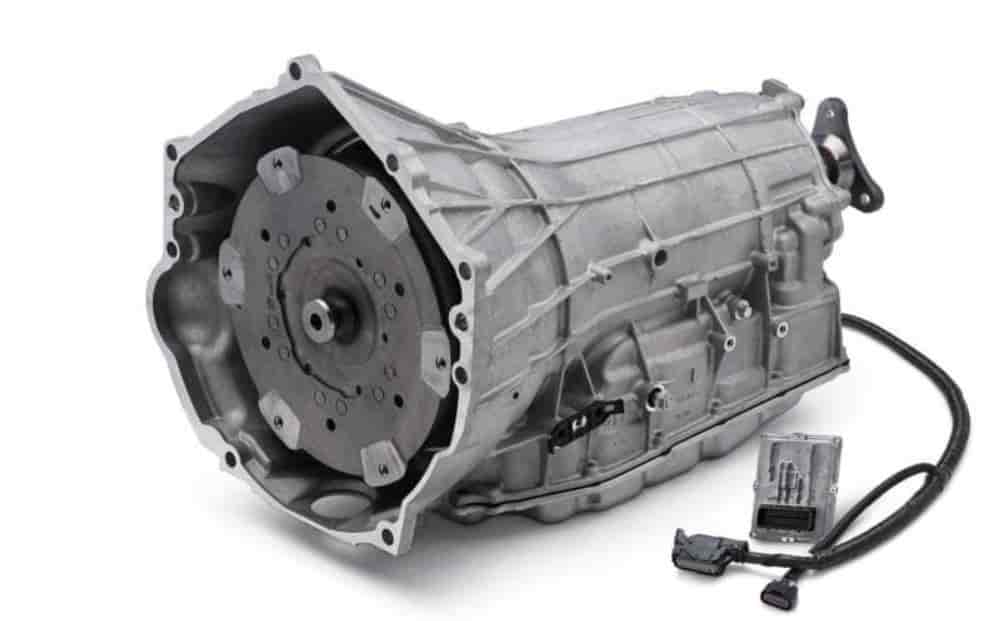
What Is the 8L90 Transmission?
The 8L90 transmission is an 8 speed automatic gearbox built by General Motors. It was designed to handle high torque while improving fuel efficiency. GM uses this transmission in several vehicles, including trucks, SUVs, and performance cars.
The system uses advanced electronic controls to manage gear shifts. It aims to deliver smooth acceleration and quick response in different driving conditions. On paper, it performs well and supports both daily driving and heavy load usage.
Many drivers choose vehicles with the 8L90 because it promises strong performance and modern shifting technology. It also improves fuel economy compared to older 6 speed transmissions from GM.
However, real world performance does not always match expectations. Over time, some drivers begin to notice 8L90 transmission problems. These issues often appear after normal wear or under specific driving conditions such as low speed traffic or heavy stop and go use.
The transmission depends heavily on fluid quality, software calibration, and internal torque converter behavior. When any of these components start to degrade or fall out of balance, the system shows clear symptoms. These symptoms include shudder, shifting delays, and inconsistent gear engagement.
Understanding how the 8L90 works is important before analyzing its problems. Once you know the structure and operating logic, it becomes easier to identify what causes failure and how to prevent it.
Common 8L90 Transmission Problems
The 8L90 transmission develops several common problems that affect driving performance and long term reliability. One of the most reported issues is torque converter shudder. Drivers often feel a vibration during light acceleration, especially at low speeds between 25 and 50 mph. The vehicle may hesitate or shake slightly, which creates an unstable driving experience. This issue usually comes from internal clutch slip inside the torque converter or degraded transmission fluid that can no longer maintain stable hydraulic pressure.
Another frequent problem is harsh or delayed shifting. The transmission may hesitate before changing gears or shift roughly between first and second gear. In some cases, downshifts also feel inconsistent. This problem often links to software calibration in the transmission control module, but internal wear and fluid pressure issues can also contribute.
Gear slipping is another serious symptom. The engine speed increases, but the vehicle does not accelerate as expected. This happens when clutch packs inside the transmission wear down or when hydraulic pressure becomes unstable. Over time, this condition can lead to more severe internal damage.
Some drivers also report transmission overheating, especially during stop and go traffic or under heavy load. High temperatures reduce fluid quality and increase internal friction, which accelerates wear inside key components. Fluid contamination is another hidden issue. When transmission fluid breaks down, it loses its ability to lubricate and control hydraulic pressure effectively. This leads to multiple symptoms such as shudder, slipping, and rough shifting.
These 8L90 transmission problems often start small but can worsen quickly if ignored, making early detection and maintenance very important.
Causes of 8L90 Transmission Problems
The 8L90 transmission develops problems due to a combination of mechanical, electronic, and fluid related factors. One of the main causes comes from the torque converter design. Inside the system, the torque converter uses a clutch that helps manage power delivery. Over time, this clutch can create instability, which leads to shudder during light acceleration. This issue becomes more noticeable when the transmission operates at low speeds or under partial load.
Transmission fluid also plays a critical role. The 8L90 relies on specific GM approved fluid to maintain proper hydraulic pressure and lubrication. When the fluid breaks down, it loses its ability to protect internal components. Heat, contamination, and normal wear can accelerate this process. As a result, drivers may experience slipping, harsh shifting, or delayed engagement.
Software calibration in the transmission control module also contributes to many issues. The system controls shift timing and pressure based on driving conditions. If the calibration is not optimal, the transmission may shift too early, too late, or with inconsistent pressure. This creates rough driving behavior that feels unpredictable.
Driving conditions further increase the risk of failure. Stop and go traffic, heavy towing, and frequent short trips generate excess heat inside the transmission. High temperatures reduce fluid efficiency and increase wear on internal clutch packs. Over time, this leads to performance degradation.
Mechanical wear is another natural cause. As mileage increases, clutch packs, seals, and internal components slowly degrade. When combined with heat and fluid issues, this wear accelerates. These factors together explain why 8L90 transmission problems often appear after a certain period of use, especially in demanding driving environments.
Symptoms You Should Never Ignore
The 8L90 transmission shows several warning signs before serious failure occurs. Drivers can identify these symptoms early if they pay attention to changes in vehicle behavior. One of the most common signs is shudder during light acceleration. The vehicle may vibrate or hesitate when driving at low speeds. This symptom often feels like uneven power delivery and usually appears between 25 and 50 mph.
Another important warning sign is delayed engagement. The transmission may take longer than normal to shift from Park to Drive or from Reverse to Drive. This delay often indicates pressure loss or internal wear inside the system. Drivers may also notice harsh shifting during gear changes. The vehicle can feel like it jerks or shifts abruptly instead of moving smoothly between gears.
Gear slipping is another serious symptom. The engine speed increases, but the vehicle does not respond with proper acceleration. This condition signals internal clutch wear or hydraulic pressure problems. If ignored, it can lead to complete transmission failure.
Some vehicles also show RPM flare during shifting. The engine revs up suddenly before the gear engages. This happens when the transmission struggles to maintain consistent pressure between gear changes.
Transmission overheating is another warning sign. Drivers may notice reduced performance after long drives or in heavy traffic. High temperature affects fluid quality and increases internal friction, which makes other symptoms worse over time.
In some cases, the check engine light appears with transmission related error codes. This indicates that the system has detected abnormal behavior and stored diagnostic data. These symptoms often start small but become more severe if the driver does not take action early.
How to Fix 8L90 Transmission Problems
Fixing 8L90 transmission problems depends on the severity of the issue and how early the driver detects it. In many cases, a simple transmission fluid service can improve performance. Mechanics often start by replacing old or degraded fluid with GM approved transmission fluid. Fresh fluid restores proper lubrication and helps stabilize hydraulic pressure. This step can reduce mild shudder and improve shifting quality.
If the problem continues, technicians often inspect the torque converter. The torque converter is a common source of shudder and vibration. When internal clutch components wear out, replacement becomes necessary. Installing a new torque converter can eliminate vibration and restore smooth acceleration.
Another effective solution involves updating or reprogramming the transmission control module. GM often releases software updates that improve shift timing and pressure control. A proper recalibration can fix harsh shifting and delayed engagement in many vehicles.
In more advanced cases, internal damage requires a transmission rebuild. This process replaces worn clutch packs, seals, and other internal components. A rebuild restores full mechanical function but comes at a higher cost.
Cooling system improvements also help prevent future problems. Adding or servicing the transmission cooler reduces heat buildup during heavy driving conditions. Lower temperatures extend fluid life and reduce internal wear.
Drivers should act early when symptoms appear. Small issues like light shudder or slight delay often indicate early-stage problems. Quick maintenance can prevent expensive repairs and extend transmission lifespan significantly. Regular fluid checks and proper driving habits also help reduce the risk of future 8L90 transmission problems.
Repair Cost Breakdown
The cost to repair 8L90 transmission problems varies depending on the type and severity of the issue. Simple maintenance such as a transmission fluid service is usually the most affordable option. This service replaces old or degraded fluid with GM approved fluid and helps restore normal performance. It often costs between low to moderate levels depending on location and labor rates.
If the problem involves the torque converter, the cost increases significantly. Replacing a faulty torque converter requires more labor and parts. This repair often falls into a mid to high cost range. It can resolve shudder and vibration issues, especially when fluid service alone is not enough.
A transmission control module reprogramming is a more affordable solution. This service updates software calibration and improves shift behavior. It usually costs less compared to mechanical repairs and can fix issues like harsh shifting or delayed engagement.
In severe cases, a full transmission rebuild becomes necessary. This process replaces internal clutch packs, seals, and worn components. A rebuild is one of the most expensive repair options but restores full transmission function. Costs can reach a high range depending on vehicle model and labor complexity.
Complete transmission replacement is the most expensive scenario. This usually happens when internal damage is too severe for rebuilding. In this case, replacing the entire unit becomes more practical than repairing it.
Early detection plays a major role in reducing repair costs. Drivers who address symptoms quickly often avoid expensive rebuilds or replacements. Regular maintenance and timely fluid changes help reduce the risk of major 8L90 transmission problems and keep long term costs under control.
Is the 8L90 a Design Flaw?
The 8L90 transmission delivers strong performance in many GM vehicles, but its long term reliability has raised concerns among drivers. Some users report consistent 8L90 transmission problems, especially related to shudder, shifting quality, and torque converter behavior. These issues create the impression that the system has a design weakness, but the reality is more complex.
From an engineering perspective, GM designed the 8L90 to balance performance, efficiency, and torque capacity. The transmission performs well under ideal conditions. However, real world driving introduces stress factors that affect long term durability. Stop and go traffic, heat buildup, and fluid degradation all increase wear on internal components.
Many reported problems come from torque converter behavior at low speeds. This condition creates vibration and inconsistent power delivery. Software calibration also influences how the transmission responds during gear changes. When calibration does not fully match driving conditions, shifting can feel harsh or delayed.
It is important to note that not every 8L90 unit develops serious problems. Many vehicles operate normally for long periods with proper maintenance. Regular fluid changes and updated software help reduce failure risk significantly.
The 8L90 is not considered a complete design flaw, but it does have known weak points. These weak points appear more often in specific driving environments and higher mileage vehicles. Understanding these limitations helps drivers manage expectations and reduce long term risk.
Overall, reliability depends heavily on maintenance, driving style, and early detection of symptoms. When owners take preventive action, the transmission can perform reliably for many years.
Prevention Tips to Avoid Future 8L90 Transmission Problems
Preventing 8L90 transmission problems depends on consistent maintenance and proper driving habits. One of the most important steps is regular transmission fluid service. Fresh GM approved fluid helps maintain proper lubrication and stable hydraulic pressure. Drivers should avoid delaying fluid changes because old fluid loses its effectiveness and increases internal wear.
Driving style also plays a major role in transmission health. Smooth acceleration and gradual braking reduce stress on the gearbox. Heavy stop and go driving increases heat inside the transmission, which accelerates fluid degradation and internal friction. When possible, drivers should avoid aggressive throttle input, especially during low speed driving.
Temperature control is another key factor. The 8L90 transmission performs better when operating within a stable temperature range. High heat reduces fluid quality and shortens component lifespan. Keeping the cooling system clean and functional helps prevent overheating issues.
Software updates also improve long term reliability. GM often releases transmission control module updates that refine shift timing and pressure control. Installing these updates helps reduce harsh shifting and improves overall driving smoothness.
Early detection of symptoms is essential. Small signs like light shudder or slight delay often indicate early stage issues. Addressing these symptoms quickly prevents more serious damage and expensive repairs later.
Regular inspection by a qualified technician also helps identify hidden problems before they worsen. A simple diagnostic scan can reveal transmission errors that are not yet visible during normal driving.
With proper maintenance, careful driving, and timely repairs, drivers can significantly reduce the risk of 8L90 transmission problems and extend the lifespan of the system.
Conclusion
The 8L90 transmission delivers strong performance when it operates under ideal conditions. It supports powerful acceleration, efficient gear ratios, and smooth driving in many GM vehicles. However, real world usage shows that 8L90 transmission problems can appear over time, especially in demanding driving environments.
Most issues start with small symptoms such as light shudder, delayed shifting, or slight vibration. These early signs often come from torque converter behavior, fluid degradation, software calibration, or normal mechanical wear. When drivers ignore these warnings, the problems can develop into more serious conditions like gear slipping, overheating, or internal clutch damage.
The good news is that most of these problems can be managed or prevented. Regular fluid maintenance, proper driving habits, and timely software updates play a major role in keeping the transmission stable. Early diagnosis also helps reduce repair costs and prevents major failures that require rebuild or full replacement.
Understanding how the 8L90 system works allows drivers to make better maintenance decisions. It also helps them recognize symptoms early and take action before damage becomes severe.
In the end, the 8L90 is not a completely unreliable system. It is a performance focused transmission with known weak points that require attention. With proper care and awareness, it can deliver long term reliability and consistent performance.
Shutter is a controls issue, part of adaptive learning and failure mode engagement.
If gm want’s to fix it just call. It’s easy.