The 4L80E transmission is a heavy duty automatic transmission from General Motors. It is widely used in trucks, SUVs, and towing vehicles. This transmission handles high torque and performs well under stress.
Even with strong durability, the 4L80E still develops problems over time. Many drivers face slipping gears and delayed shifting. Some vehicles lose reverse gear completely. Others show overheating or abnormal noise during operation.
These issues often start small. Drivers may ignore early signs. This leads to more serious damage inside the transmission. Small hydraulic or electrical faults can turn into major failures if not fixed early.
This guide helps you understand 4L80E transmission problems in a clear way. You will learn how to identify symptoms early. You will also understand the main causes behind each failure. The article explains repair options from simple fixes to full rebuild solutions.
Each section focuses on practical diagnostic steps. This helps you make faster and better decisions. You can reduce repair cost by identifying problems early and taking the right action.
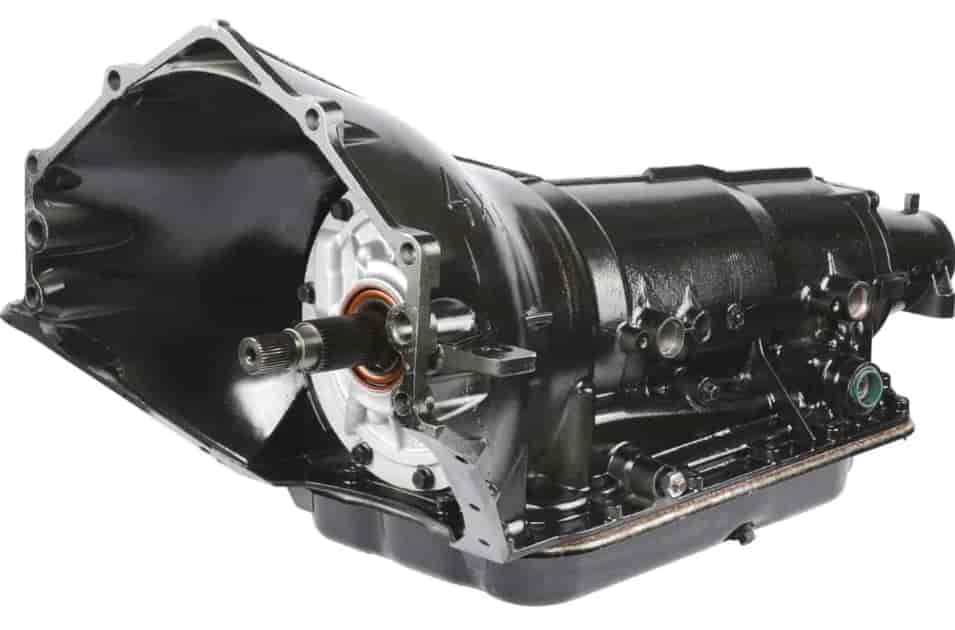
What Is the 4L80E Transmission?
The 4L80E is a heavy duty automatic transmission developed by General Motors. It was designed for vehicles that need strong towing capacity and long term durability. You often find it in trucks, large SUVs, and commercial vehicles.
GM built the 4L80E based on the older Turbo Hydramatic 400 transmission. It adds electronic control to improve shifting accuracy and efficiency. The transmission uses a four speed layout with overdrive for better fuel economy on highways.
This system relies on a transmission control module to manage shift timing. The module collects data from sensors and adjusts gear changes in real time. This electronic control improves performance compared to older hydraulic only systems.
The 4L80E handles high torque levels very well. It can support modified engines and heavy loads without immediate failure. This is why many performance builders still choose it for upgrades.
Even with its strong design, the transmission still depends on clean fluid, proper cooling, and correct electronic signals. When any of these systems fail, the transmission starts to show shifting problems, slipping, or overheating.
Understanding how the 4L80E works helps you diagnose problems more effectively. It gives you a clear base before moving into common failure symptoms and repair methods.
Common 4L80E Transmission Problems
The 4L80E transmission develops several common problems as it ages or operates under heavy load. Most issues come from wear inside internal components, fluid degradation, heat buildup, or electrical failures. These problems usually begin with small performance changes, but they can quickly turn into serious transmission damage if not addressed early.
One of the most frequent issues is slipping gears. This happens when the transmission cannot maintain proper clutch engagement. The engine may rev higher, but the vehicle does not gain speed as expected. This condition often comes from worn clutch packs or low hydraulic pressure. Old or contaminated transmission fluid also reduces friction and makes slipping more likely.
Another common problem is hard or delayed shifting. The transmission may hesitate before changing gears or shift in a rough way. This usually happens when shift solenoids start to fail or when the valve body becomes worn or restricted. When fluid cannot flow correctly through the hydraulic passages, gear changes lose precision and become inconsistent.
Some vehicles also lose reverse gear completely. This is often a sign of internal mechanical failure. A damaged sunshell is one of the most common causes. When this component breaks, the transmission can still move forward but reverse function stops working entirely.
Overheating is another serious issue in the 4L80E. It often appears during towing, heavy hauling, or long distance driving. A weak cooling system or clogged transmission cooler can raise operating temperature quickly. Excess heat breaks down transmission fluid and increases internal wear.
Electrical problems can also affect performance. The 4L80E depends on sensors, wiring, and a transmission control module to manage shifting. When these components fail, the transmission may shift incorrectly or behave unpredictably.
Symptoms and Early Warning Signs
The 4L80E transmission usually shows clear warning signs before a major failure happens. These symptoms often start mildly, so many drivers ignore them at first. However, early detection can prevent expensive repairs or full transmission rebuilds.
One of the first signs is delayed engagement when shifting into drive or reverse. The vehicle may pause for a few seconds before moving. This often indicates low hydraulic pressure or internal wear inside the transmission. In some cases, the delay becomes longer over time and signals deeper mechanical problems.
Another common symptom is slipping during acceleration. The engine speed increases, but the vehicle does not respond with proper power. This usually points to worn clutch packs or degraded transmission fluid. Slipping often becomes more noticeable under load, such as when towing or driving uphill.
Harsh or erratic shifting is also a key warning sign. The transmission may shift too hard or shift at the wrong time. This behavior often comes from failing shift solenoids or valve body issues. When electronic signals or hydraulic flow become unstable, gear changes lose smoothness.
Drivers may also notice unusual noises coming from the transmission. Whining, clunking, or humming sounds often indicate internal wear or fluid pressure problems. These noises usually become louder as the damage progresses.
In more serious cases, the check engine light may turn on. Diagnostic codes related to transmission performance can appear, especially codes linked to shift solenoids or gear ratio errors. Ignoring these codes can lead to complete transmission failure.
Burning smell from transmission fluid is another critical warning. It often means overheating or fluid breakdown, which reduces lubrication and increases internal friction.
Diagnostic Guide (Step by Step)
Diagnosing 4L80E transmission problems requires a structured approach. Most failures do not come from a single cause. They often result from a combination of mechanical wear, hydraulic pressure loss, and electrical faults. A clear diagnostic process helps you identify the root problem faster and avoid unnecessary repairs.
The first step is to check for trouble codes using an OBD2 scanner. The 4L80E often stores transmission related codes that point to solenoid issues, gear ratio errors, or sensor faults. These codes give an initial direction but should not be treated as the only evidence of failure.
Next, inspect the transmission fluid condition. Healthy fluid should appear red and clean. Dark or burnt fluid indicates overheating or internal friction. Low fluid levels can also cause slipping, delayed shifting, and pressure loss. Fluid condition often provides a quick overview of internal transmission health.
After that, perform a pressure test if possible. Hydraulic pressure determines how well the transmission engages gears. Low or unstable pressure usually points to a worn pump, internal leakage, or valve body issues. This step helps confirm whether the problem is mechanical or hydraulic.
The shift solenoids should also be tested. These components control gear changes electronically. A faulty solenoid can cause delayed shifts, harsh engagement, or incorrect gear selection. Electrical testing can quickly confirm if the issue comes from the control system.
Finally, inspect the valve body. This part controls fluid flow inside the transmission. Wear, clogging, or internal sticking can disrupt smooth shifting and cause multiple symptoms at the same time.
A complete diagnostic process helps avoid guesswork. It allows you to isolate the real cause and choose the correct repair method.
Repair Solutions
Repairing 4L80E transmission problems depends on the severity of the failure. Some issues can be fixed with simple maintenance, while others require major internal repairs. A correct diagnosis helps you choose the right solution and avoid unnecessary replacement costs.
The simplest repairs usually involve basic maintenance. Replacing old transmission fluid and installing a new filter can improve shifting performance if the problem is caused by contamination or low fluid quality. In some cases, replacing a faulty sensor can also restore normal operation. These small fixes often help when issues are detected early.
If the problem is more serious, intermediate repairs may be required. A failing shift solenoid can cause delayed or harsh shifting, so replacing the solenoid pack often restores proper gear changes. Valve body repair is another common solution. Cleaning or rebuilding the valve body can improve hydraulic flow and stabilize shifting performance.
For major failures, a full transmission rebuild becomes necessary. This process involves disassembling the entire 4L80E unit and replacing worn internal components such as clutch packs, seals, and gaskets. A rebuild kit is usually used to restore internal function. In severe cases, the torque converter may also need replacement to ensure proper power transfer.
Some vehicles reach a point where replacement is more practical than repair. If the transmission case or major internal parts are heavily damaged, replacing the entire unit can be more cost effective than rebuilding.
Choosing the right repair solution depends on early diagnosis and damage level. Addressing problems quickly always reduces repair cost and improves transmission lifespan.
Repair Cost and Replacement Decision
The cost of repairing a 4L80E transmission varies widely depending on the type of failure and the extent of internal damage. Small issues such as fluid replacement or sensor repair are relatively inexpensive. However, major internal damage can significantly increase repair costs and may even justify a full replacement.
Basic maintenance repairs usually include fluid and filter changes. These are the lowest cost solutions and often help when problems are detected early. Replacing a faulty sensor or electrical component also falls into this range and can restore normal shifting without major labor work.
Intermediate repairs such as solenoid replacement or valve body servicing cost more due to labor and parts. These repairs are common when shifting issues appear but the internal mechanical components are still in good condition. At this stage, repairing the transmission is usually more cost effective than replacing it.
A full rebuild is the most expensive repair option. It involves complete disassembly of the transmission and replacement of worn internal parts such as clutches, seals, and bands. Labor cost is high because of the complexity of the 4L80E system. However, a rebuild can extend the life of the transmission significantly if done correctly.
In some cases, replacing the transmission is a better decision. If the case is damaged or multiple internal components have failed, replacement may save both time and long term cost. A used or remanufactured unit can sometimes be more economical than a full rebuild.
The final decision depends on damage severity, vehicle value, and long term usage needs. Early diagnosis always gives you more options and helps reduce overall repair expenses.
Prevention and Maintenance Tips
Preventing 4L80E transmission problems is often easier and cheaper than repairing them. Most failures happen due to heat, poor maintenance, or delayed response to early warning signs. A consistent maintenance routine can significantly extend transmission life and improve performance over time.
One of the most important factors is transmission fluid quality. Clean fluid ensures proper hydraulic pressure and smooth gear engagement. Over time, fluid breaks down due to heat and friction. Regular fluid and filter changes help prevent contamination and reduce internal wear. Using the correct ATF specification is also critical for stable operation.
Heat management is another key factor. The 4L80E performs well under load, but excessive heat can damage internal components quickly. Vehicles used for towing or heavy driving should have an efficient transmission cooler. Keeping operating temperatures under control helps protect clutch packs and seals from premature failure.
Driving behavior also affects transmission lifespan. Aggressive acceleration and frequent heavy load stress can increase wear inside the system. Smooth shifting habits and avoiding unnecessary strain help maintain stable performance. Allowing the transmission to warm up before heavy use is also beneficial.
Regular inspection of early warning signs is equally important. Delayed shifting, slipping, or unusual noise should never be ignored. Early detection allows small issues to be repaired before they become major failures. Diagnostic scanning can also help identify hidden electronic faults before they affect performance.
A well maintained 4L80E transmission can operate reliably for many years. Consistency in fluid care, cooling, and early diagnostics is the key to long term durability.
Conclusion
The 4L80E transmission is known for its strength and durability, especially in heavy duty trucks and towing applications. However, it is not immune to wear and failure over time. Most 4L80E transmission problems develop gradually and start with small performance changes that many drivers overlook.
Common issues such as slipping gears, hard shifting, loss of reverse, overheating, and electrical faults often point to specific internal or system level failures. These problems usually come from worn clutch packs, solenoid issues, valve body restrictions, fluid degradation, or cooling system weaknesses. Understanding these root causes helps you avoid guesswork and choose the right repair direction.
Early diagnosis plays a critical role in reducing repair costs. Simple symptoms like delayed engagement or unusual noise can signal deeper internal damage if ignored. A structured diagnostic process, including fluid inspection, pressure testing, and electronic scanning, helps identify problems before they escalate.
Repair solutions range from basic maintenance to full transmission rebuilds. In some cases, replacing the unit is more practical than repairing it, especially when internal damage is severe. However, many issues can be resolved effectively if they are detected early and handled correctly.
Proper maintenance is the most reliable way to extend the life of the 4L80E transmission. Clean fluid, effective cooling, and regular inspections significantly reduce the risk of failure. When combined with careful driving habits, these practices help maintain stable performance over the long term.
A well maintained 4L80E can deliver strong and consistent performance for many years. The key is early awareness, correct diagnosis, and timely action.