Few vehicle problems are as frustrating as discovering that your Toyota RAV4 air conditioner is not working, especially during the hottest days of the year. Whether the AC is blowing warm air, producing weak airflow, making unusual noises, or failing to turn on altogether, a malfunctioning air conditioning system can quickly turn a comfortable drive into an unpleasant experience.
The good news is that not every AC problem requires an expensive repair. In many cases, the issue may be caused by something relatively simple, such as a clogged cabin air filter, a blown fuse, or low refrigerant levels. However, more serious problems involving the compressor, condenser, or refrigerant leaks can lead to costly repairs if left unaddressed.
Understanding the root cause of the problem is the first step toward restoring your vehicle’s cooling performance and avoiding unnecessary repair expenses. By identifying common symptoms early, you can often save time, money, and frustration while preventing additional damage to the air conditioning system.
In this guide, we will explore the 10 most common reasons why a Toyota RAV4 air conditioner stops working. You will learn how to recognize the warning signs, diagnose potential issues, estimate repair costs, and determine whether the problem can be fixed at home or requires professional attention.
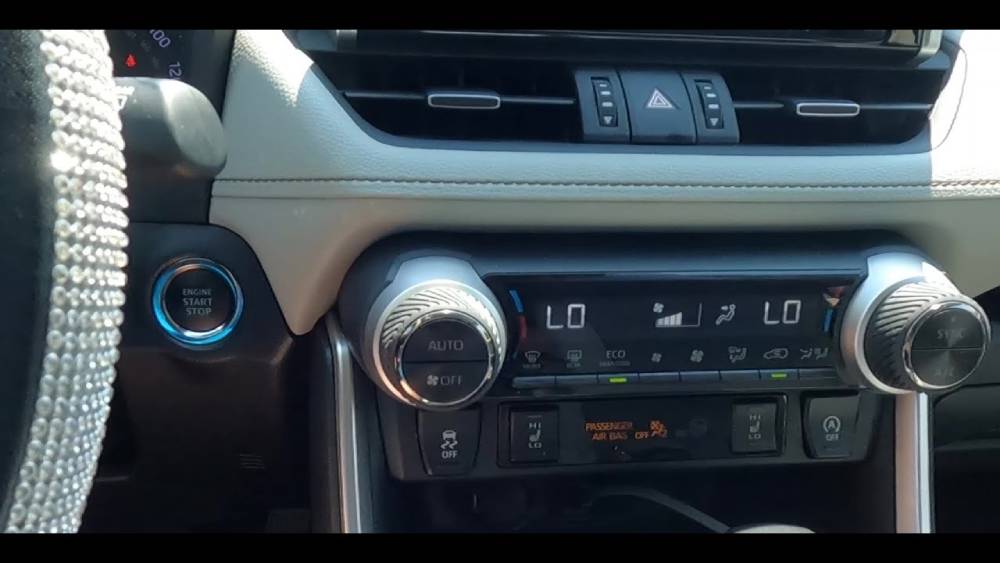
1. Low Refrigerant Level
One of the most common reasons a Toyota RAV4 air conditioner is not working properly is a low refrigerant level. Refrigerant is the substance responsible for absorbing heat from the cabin and releasing it outside the vehicle. Without an adequate amount of refrigerant, the air conditioning system cannot effectively cool the air entering the cabin.
Drivers often notice that the AC gradually loses its cooling power over time rather than failing suddenly. The air coming from the vents may feel cool at first but never reaches the cold temperatures expected from a properly functioning system. In some cases, the compressor may cycle on and off more frequently than normal as it struggles to maintain pressure.
While a small amount of refrigerant loss can occur naturally over many years of use, a significant drop usually indicates a leak somewhere in the system. Many vehicle owners make the mistake of simply recharging the refrigerant without identifying the source of the problem. This may temporarily restore cooling performance, but the issue often returns within weeks or months.
If your Toyota RAV4 air conditioner is blowing warm air, checking refrigerant levels should be one of the first diagnostic steps. A professional inspection can determine whether the system is merely low on refrigerant or if there is a leak that requires repair before recharging.
Repair costs typically range from $150 to $300 for a basic recharge, while leak diagnosis and repairs can significantly increase the total expense depending on the affected component.
2. Clogged Cabin Air Filter
A clogged cabin air filter is an often overlooked cause of poor air conditioning performance in the Toyota RAV4. Although the filter does not directly produce cold air, it plays a critical role in allowing air to flow efficiently through the ventilation system.
Over time, dust, pollen, leaves, dirt, and other contaminants accumulate inside the filter. As debris builds up, airflow becomes increasingly restricted. Drivers may notice that the air conditioner appears to be working, but very little air comes out of the vents. Even when the AC is set to its highest fan speed, the cabin may remain uncomfortably warm.
Another common symptom is the presence of musty or unpleasant odors when the air conditioning system is operating. This occurs because trapped moisture and contaminants inside the filter can create an environment where mold and bacteria thrive.
The good news is that replacing a cabin air filter is one of the easiest and most affordable maintenance tasks for any vehicle owner. In many Toyota RAV4 models, the filter is located behind the glove compartment and can be replaced in less than fifteen minutes with basic tools.
Regular replacement not only improves cooling performance but also enhances air quality inside the cabin. Many automotive experts recommend replacing the cabin air filter every 12,000 to 15,000 miles, although drivers in dusty environments may need more frequent replacements.
Compared with major AC repairs, a cabin air filter replacement is inexpensive, typically costing between $15 and $100 depending on whether the work is performed at home or by a repair shop.
3. Faulty AC Fuse or Relay
When a Toyota RAV4 air conditioner stops working suddenly with no warning signs, a faulty fuse or relay may be the culprit. These small electrical components are responsible for protecting and controlling various parts of the air conditioning system, including the compressor and blower motor.
A blown fuse occurs when excessive electrical current passes through the circuit. This safety mechanism prevents more expensive components from suffering damage. Unfortunately, once a fuse blows, power to the affected component is interrupted, causing the air conditioning system to malfunction.
Similarly, a defective relay can prevent electrical signals from reaching critical AC components. The compressor may fail to engage, resulting in warm air from the vents despite the system appearing to operate normally.
Drivers often assume that a major mechanical failure has occurred when the AC suddenly stops producing cold air. However, inspecting the fuse box is one of the quickest and simplest troubleshooting steps available. Most Toyota RAV4 models include detailed fuse diagrams in the owner’s manual, making it relatively easy to identify the relevant AC circuits.
If a blown fuse is discovered, replacing it may restore normal operation immediately. However, if the replacement fuse blows again shortly afterward, an underlying electrical problem may exist and further diagnosis will be necessary.
Fortunately, fuse and relay replacements are among the least expensive air conditioning repairs. In most cases, the total cost ranges from only a few dollars for a DIY repair to approximately $50 if performed by a professional technician.
4. Blower Motor Failure
If your Toyota RAV4 air conditioner seems to be producing cold air but little or no air is coming through the vents, the blower motor may be the source of the problem. The blower motor is responsible for pushing conditioned air from the HVAC system into the cabin. Without it, even a fully functional air conditioning system cannot keep passengers comfortable.
One of the first warning signs of blower motor failure is weak airflow. Drivers may notice that airflow decreases significantly even when the fan speed is set to the highest setting. In more advanced cases, no air will come from the vents at all. Some failing blower motors also produce unusual sounds such as squealing, rattling, or grinding noises, which often indicate worn bearings or internal damage.
Several factors can contribute to blower motor failure. Age and normal wear are the most common causes, particularly in older RAV4 models with high mileage. Electrical issues, moisture intrusion, and debris entering the ventilation system can also shorten the motor’s lifespan.
Diagnosing a blower motor problem typically involves checking power supply, inspecting wiring connections, and testing the motor itself. If the motor fails these tests, replacement is usually the only practical solution. While some experienced DIY enthusiasts may tackle this repair themselves, many vehicle owners prefer professional installation due to the location of the component behind dashboard panels.
Repair costs generally range from $250 to $700, depending on labor rates and the specific Toyota RAV4 model year. Although this repair is more expensive than replacing a filter or fuse, restoring proper airflow often dramatically improves cabin comfort.
5. Faulty Blower Motor Resistor
Another common reason a Toyota RAV4 air conditioner may not work correctly is a faulty blower motor resistor. This component controls the speed of the blower motor by regulating the amount of electrical current flowing to it. When the resistor begins to fail, airflow problems often appear before complete system failure occurs.
The most recognizable symptom is a fan that only works at certain speed settings. For example, the blower may operate on high speed but fail to respond when lower speeds are selected. In other situations, airflow may fluctuate unexpectedly without any changes to the controls.
Many drivers initially suspect the blower motor itself when experiencing inconsistent airflow. However, a malfunctioning resistor is frequently the true cause and is generally less expensive to repair. Because the resistor constantly handles electrical current, heat buildup and long-term wear can eventually damage its internal components.
Ignoring this issue can lead to further strain on the blower motor, potentially resulting in additional repairs later. For this reason, it is advisable to investigate unusual fan behavior as soon as symptoms appear.
Technicians typically diagnose the problem by testing voltage output and inspecting the resistor for signs of overheating or physical damage. Replacement is usually straightforward and can often be completed within a relatively short service appointment.
The average repair cost ranges from $100 to $300, making it one of the more affordable fixes on this list. Addressing the issue promptly can help restore consistent airflow and improve overall air conditioning performance.
6. Refrigerant Leak
A refrigerant leak is one of the most serious and frequently encountered air conditioning issues in the Toyota RAV4. Unlike normal refrigerant loss that occurs gradually over many years, a leak allows refrigerant to escape continuously, reducing the system’s ability to cool the cabin effectively.
One of the clearest signs of a refrigerant leak is an air conditioner that works temporarily after being recharged but quickly loses cooling performance again. Drivers may also notice oily residue around AC components because refrigerant often escapes along with compressor oil. In some cases, hissing sounds may be heard near damaged hoses or fittings.
Leaks can develop in several locations throughout the system. Common trouble spots include hose connections, compressor seals, condensers, evaporators, and refrigerant lines. Exposure to road debris, corrosion, vibration, and aging rubber seals can all contribute to leak formation over time.
Many vehicle owners attempt to solve cooling issues by repeatedly adding refrigerant. Unfortunately, this approach only masks the underlying problem. If the leak remains unrepaired, refrigerant will continue escaping, and cooling performance will deteriorate once again. Additionally, operating the system with insufficient refrigerant can place extra stress on the compressor, potentially leading to much more expensive repairs.
Professional diagnosis typically involves the use of UV dye, electronic leak detectors, or pressure testing equipment to pinpoint the exact source of the leak. Once identified, the damaged component must be repaired or replaced before the system is recharged.
Repair costs vary widely depending on the location and severity of the leak. Minor repairs may cost around $200, while major component replacements such as an evaporator or condenser can exceed $1,500. Despite the expense, addressing refrigerant leaks early can prevent compressor damage and significantly reduce long-term repair costs.
7. AC Condenser Damage
The AC condenser plays a critical role in your Toyota RAV4’s air conditioning system. After the compressor pressurizes the refrigerant, the condenser releases heat absorbed from inside the cabin and helps convert the refrigerant back into a liquid state. If the condenser becomes damaged, the entire cooling process can be disrupted, resulting in poor air conditioning performance or complete system failure.
Because the condenser is typically mounted near the front of the vehicle behind the grille, it is constantly exposed to road debris, rocks, dirt, and other environmental hazards. Even a small impact can bend cooling fins or puncture the condenser, leading to refrigerant leaks and reduced cooling efficiency. Corrosion can also develop over time, particularly in areas with harsh weather conditions or frequent road salt exposure.
One common symptom of condenser damage is warm air coming from the vents, especially when the vehicle is stopped or moving at low speeds. Drivers may also notice that the AC performs better while driving on the highway due to increased airflow through the condenser. Visible damage, leaking refrigerant, or oily residue near the front of the vehicle can further indicate a condenser problem.
Diagnosing condenser issues often requires a visual inspection along with pressure testing of the AC system. If significant damage is found, replacement is usually necessary because repairing a condenser is often impractical and unreliable.
Repair costs typically range from $400 to $1,200 depending on the model year, labor rates, and whether additional components have been affected. Addressing condenser damage promptly can help prevent refrigerant loss and reduce strain on other AC components.
8. Faulty AC Pressure Switch
Modern Toyota RAV4 air conditioning systems rely on pressure switches to monitor refrigerant pressure and protect the system from operating under unsafe conditions. These switches communicate with the vehicle’s control system and determine when the compressor should engage or disengage. When a pressure switch fails, the air conditioner may behave unpredictably or stop functioning altogether.
One of the most common symptoms is intermittent cooling. The AC may work normally for a short period before suddenly blowing warm air. In some cases, the compressor cycles on and off repeatedly, while in others it may fail to engage at all. These inconsistent behaviors often confuse drivers because the symptoms can appear and disappear without warning.
Pressure switches can fail due to age, internal electrical faults, contamination, or wiring problems. Since the switch plays a safety role, even a minor malfunction can prevent the compressor from operating to avoid potential system damage.
Diagnosing a faulty pressure switch typically requires specialized equipment capable of reading system pressures and electrical signals. Technicians may compare actual refrigerant pressures with sensor readings to determine whether the switch is reporting accurate information.
Although a pressure switch is a relatively small component, its failure can have a significant impact on cooling performance. Fortunately, replacement is usually straightforward once the problem has been identified. Most repairs cost between $150 and $400, making this issue far less expensive than major compressor or evaporator repairs.
If your Toyota RAV4 air conditioner works inconsistently and no obvious refrigerant leaks or electrical faults are present, the pressure switch should be included in the diagnostic process.
9. Compressor Clutch Failure
Before the compressor can begin circulating refrigerant, the compressor clutch must engage and connect the compressor to the engine’s drive system. When the clutch fails, the compressor cannot operate properly, even if the rest of the air conditioning system remains in good condition.
A failing compressor clutch often produces noticeable symptoms. Drivers may hear clicking sounds when the AC is turned on, only to discover that the compressor never fully engages. Warm air from the vents is another common sign. In some situations, the clutch may engage intermittently, causing inconsistent cooling performance that worsens over time.
Several factors can contribute to compressor clutch failure. Normal wear and tear are common causes, especially in older vehicles with high mileage. Electrical problems, damaged clutch bearings, excessive heat, and contamination within the AC system can also accelerate deterioration.
A technician will typically inspect the clutch assembly, test electrical connections, and verify whether the compressor is receiving the proper signals to engage. Depending on the design of the compressor and the extent of the damage, it may be possible to replace only the clutch assembly. However, many repair shops recommend replacing the entire compressor, particularly if internal compressor wear is also present.
Repair costs can vary considerably. Replacing only the clutch may cost a few hundred dollars, while installing a complete compressor assembly can push repair expenses well above $1,000. Although the repair may seem costly, addressing clutch problems early can prevent further damage to the compressor and other air conditioning components.
If you hear unusual clicking noises and your Toyota RAV4 air conditioner is not producing cold air, compressor clutch failure should be considered one of the leading possibilities.
10. AC Compressor Failure
When it comes to serious air conditioning problems, AC compressor failure is often the most expensive and disruptive issue a Toyota RAV4 owner can face. The compressor is commonly referred to as the heart of the air conditioning system because it circulates refrigerant throughout the entire HVAC system. Without a functioning compressor, cold air production stops completely.
A failing compressor can produce a variety of symptoms. The most obvious sign is the complete loss of cold air from the vents, even when all other climate control settings appear normal. Drivers may also hear grinding, squealing, rattling, or knocking noises coming from the engine compartment when the air conditioner is switched on. In severe cases, internal compressor components can break apart and contaminate the entire AC system with metal debris.
Several factors can contribute to compressor failure. Low refrigerant levels, refrigerant leaks, lack of lubrication, electrical issues, and normal wear over time are among the most common causes. Unfortunately, many compressor failures begin as minor problems that go unnoticed until significant damage has already occurred.
Diagnosing compressor failure usually involves checking refrigerant pressures, inspecting electrical connections, evaluating clutch operation, and listening for abnormal mechanical noises. If internal damage is confirmed, replacement is almost always required.
Because the compressor is such a critical component, repairs often involve more than simply installing a new unit. Technicians may also need to flush the system, replace contaminated parts, install a new receiver-drier, and recharge the refrigerant. As a result, total repair costs can range from $900 to more than $2,500 depending on the extent of the damage and the specific Toyota RAV4 model.
While compressor replacement represents a significant investment, delaying repairs can lead to even greater expenses and leave the vehicle without reliable cooling during hot weather.
Quick Troubleshooting Checklist
Before scheduling an expensive repair, Toyota RAV4 owners should perform a few basic checks that can help identify the source of the problem.
If the air conditioner is blowing warm air but airflow remains strong, low refrigerant levels, refrigerant leaks, compressor issues, or condenser damage may be responsible.
If there is little or no airflow from the vents, inspect the cabin air filter, blower motor, and blower motor resistor.
If the air conditioner suddenly stops working without warning, check the AC fuse and relay before assuming a major mechanical failure.
If cooling performance improves temporarily after adding refrigerant but quickly deteriorates again, a refrigerant leak is highly likely.
If unusual clicking noises occur when the AC is activated, the compressor clutch may not be engaging correctly.
If grinding or metallic noises are present, immediate inspection is recommended because compressor failure could be developing.
Taking a systematic approach to diagnosis can save both time and money while helping you avoid replacing parts unnecessarily.
Frequently Asked Questions
Why is my Toyota RAV4 AC blowing hot air?
The most common causes include low refrigerant levels, refrigerant leaks, a faulty compressor, condenser damage, or electrical problems affecting the compressor clutch or pressure switch. A professional diagnosis can help pinpoint the exact issue.
How much does it cost to fix a Toyota RAV4 air conditioner?
Repair costs vary significantly depending on the cause. A simple cabin air filter replacement may cost less than $50, while a complete compressor replacement can exceed $2,500. Early diagnosis often helps reduce overall repair expenses.
Can I recharge my Toyota RAV4 AC myself?
Yes, many vehicle owners use DIY recharge kits. However, if the refrigerant level is low because of a leak, recharging the system alone will only provide a temporary solution. Identifying and repairing leaks is essential for long-term performance.
How often should the air conditioning system be serviced?
Most manufacturers recommend periodic inspections during routine maintenance visits. Regular checks can identify leaks, worn components, and airflow restrictions before they become major problems.
What is the most common AC problem in a Toyota RAV4?
Low refrigerant levels and refrigerant leaks are among the most frequently reported issues. These problems often develop gradually and can eventually lead to compressor damage if ignored.
Conclusion
Discovering that your Toyota RAV4 air conditioner is not working can be frustrating, especially during the hottest months of the year. Fortunately, many AC problems begin with warning signs that can be identified long before a complete system failure occurs. Whether the issue is a clogged cabin air filter, a faulty fuse, a refrigerant leak, or a failing compressor, understanding the symptoms can help you make informed repair decisions and avoid unnecessary expenses.
The key to minimizing repair costs is early diagnosis. Small problems such as low refrigerant levels or airflow restrictions are generally much easier and less expensive to address than major component failures. Ignoring unusual noises, weak cooling performance, or intermittent operation can allow minor issues to develop into costly repairs involving the compressor or other critical components.
By following the troubleshooting steps outlined in this guide, Toyota RAV4 owners can narrow down potential causes and determine whether a simple DIY fix is possible or professional assistance is required. Regular maintenance, prompt attention to warning signs, and periodic inspections can help keep your air conditioning system operating efficiently for years to come.
If your Toyota RAV4 air conditioner is not working, taking action today may prevent a much larger repair bill tomorrow while ensuring a comfortable driving experience in every season.