Few things are more frustrating than stepping into your Toyota Corolla on a hot summer day, turning on the air conditioner, and realizing that warm air is blowing from the vents. Whether you rely on your Corolla for daily commuting, family trips, or long-distance travel, a malfunctioning air conditioning system can quickly turn a comfortable drive into an unpleasant experience.
If your Toyota Corolla air conditioning is not working, the problem could range from something simple, such as a clogged cabin air filter, to a more serious issue like a failed AC compressor or a refrigerant leak. Ignoring these warning signs can lead to reduced cooling performance, higher repair costs, and even additional damage to other components within the climate control system.
The good news is that many air conditioning problems can be diagnosed early before they become expensive repairs. Understanding the common causes of AC failure can help you identify symptoms, perform basic troubleshooting, and determine whether a quick fix is possible or professional service is required.
In this complete guide, we’ll explore the most common reasons why a Toyota Corolla AC stops working, how to diagnose the issue, potential repair solutions, and the typical costs you can expect in 2026. By the end, you’ll have a clearer understanding of how to get your Corolla’s air conditioning system blowing cold air again.
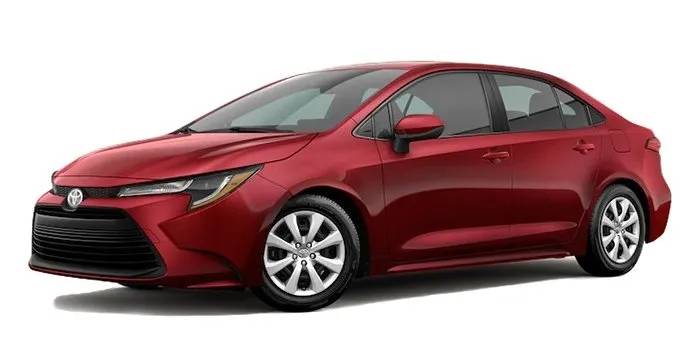
How the Toyota Corolla Air Conditioning System Works
Before diagnosing why your Toyota Corolla air conditioning is not working, it is important to understand how the system operates. The air conditioning system consists of several interconnected components that work together to remove heat from the cabin and deliver cool air through the vents.
The AC compressor is often referred to as the heart of the system. It compresses the refrigerant and circulates it throughout the air conditioning system. Once compressed, the refrigerant travels to the condenser, which is typically located near the front of the vehicle. The condenser releases heat absorbed from the cabin and converts the refrigerant into a high pressure liquid.
The refrigerant then passes through the expansion valve, where its pressure drops significantly. This process allows the refrigerant to cool rapidly before entering the evaporator. As warm air from the cabin passes over the evaporator, heat is absorbed and cool air is produced. The blower motor then pushes this cooled air through the dashboard vents and into the passenger compartment.
Another important component is the cabin air filter. Although it does not directly cool the air, a dirty or clogged filter can restrict airflow and make it seem as though the air conditioning system is not working properly.
Because each component depends on the others, a failure anywhere in the system can result in poor cooling performance. Understanding how these parts work together can make troubleshooting much easier and help prevent unnecessary repair expenses.
Common Signs Your Toyota Corolla AC Is Not Working
Air conditioning problems rarely appear without warning. In many cases, your Toyota Corolla will show several symptoms before the system completely fails. Recognizing these signs early can help you address minor issues before they turn into costly repairs.
One of the most common symptoms is warm air blowing from the vents even when the air conditioner is set to the coldest setting. This often indicates low refrigerant levels, a refrigerant leak, or compressor problems. Drivers may also notice weak airflow coming from the vents. In many cases, this is caused by a clogged cabin air filter, a failing blower motor, or blocked air ducts.
Unusual noises are another warning sign. Clicking, grinding, squealing, or rattling sounds when the AC is running may indicate compressor damage, worn bearings, or debris inside the blower motor assembly. Ignoring these sounds can lead to more extensive repairs later.
Some owners experience inconsistent cooling where the air conditioner works intermittently. The system may blow cold air for a few minutes and then suddenly switch to warm air. This behavior can be caused by faulty sensors, electrical problems, refrigerant pressure issues, or a failing compressor clutch.
Bad odors coming from the vents should not be ignored either. A musty smell often suggests mold or mildew buildup inside the evaporator core, while burning odors may point to electrical issues. Water leaking onto the passenger side floor can also indicate a clogged evaporator drain line.
By paying attention to these symptoms, you can identify AC problems earlier and potentially save hundreds of dollars in repair costs.
10 Common Causes of Toyota Corolla Air Conditioning Problems
1. Low Refrigerant Levels
Low refrigerant is one of the most common reasons a Toyota Corolla AC stops blowing cold air. Refrigerant is responsible for absorbing and transferring heat. When levels become too low, the system cannot cool effectively. This issue may occur naturally over time or as a result of a small leak. Typical repair costs range from $150 to $400 depending on the amount of refrigerant needed and whether leak testing is required.
2. Refrigerant Leaks
Leaks can occur in hoses, seals, O-rings, condensers, or evaporators. Even a small leak can gradually reduce cooling performance. Visible oily residue around AC components often indicates a refrigerant leak. Repair costs generally range from $200 to $1,500 depending on the leak location and labor requirements.
3. Faulty AC Compressor
The compressor is responsible for circulating refrigerant throughout the system. If it fails, cooling performance may stop entirely. Common symptoms include loud noises, warm air, and a compressor clutch that refuses to engage. Replacement costs typically range from $700 to $2,000.
4. Damaged Condenser
The condenser is exposed to road debris, dirt, and weather conditions. Damage can prevent proper heat dissipation, causing the AC to blow warm air. Repair or replacement usually costs between $400 and $1,200.
5. Failed Blower Motor
A failing blower motor may result in weak airflow or no airflow at all. Even if the air conditioning system is producing cold air, it cannot reach the cabin effectively without a functioning blower motor. Repairs generally cost between $250 and $800.
6. Clogged Cabin Air Filter
A dirty cabin air filter can significantly reduce airflow. Many drivers mistake this problem for a failing air conditioning system. Replacing the filter is inexpensive and typically costs between $20 and $80.
7. Faulty Cooling Fans
Cooling fans help remove heat from the condenser. If they stop working, the AC may cool properly at highway speeds but struggle during city driving or while idling. Repair costs usually range from $300 to $900.
8. Electrical Issues
Blown fuses, faulty relays, damaged wiring, or poor electrical connections can prevent various AC components from operating correctly. Electrical repairs vary widely, with costs ranging from $50 to $600.
9. Defective AC Pressure Switch
The pressure switch monitors refrigerant pressure and protects the system from damage. When it fails, the compressor may not activate even though the rest of the system appears functional. Typical replacement costs range from $150 to $450.
10. Climate Control Module Failure
Modern Toyota Corolla models rely on electronic climate control systems. A malfunctioning control module can cause incorrect temperature readings, inconsistent cooling, or complete system failure. Repair costs generally range from $300 to $1,200 depending on the model year and complexity of the repair.
DIY Toyota Corolla AC Troubleshooting Checklist
Before scheduling an appointment with a mechanic, there are several simple checks you can perform yourself. These steps may help identify the root cause of the problem and potentially save money on diagnostic fees.
Step 1: Verify the AC Settings
Start by ensuring the air conditioning system is set correctly. Confirm that the AC button is turned on, the temperature is set to the coldest setting, and the fan speed is adjusted appropriately. While this may seem obvious, incorrect settings can sometimes be mistaken for a mechanical issue.
Step 2: Inspect the Cabin Air Filter
A dirty cabin air filter is one of the easiest problems to fix. Remove the filter and inspect it for excessive dirt, dust, or debris. If it appears clogged, replacing it may significantly improve airflow and cooling performance.
Step 3: Listen for Compressor Engagement
With the engine running and the AC turned on, listen for a clicking sound from the compressor clutch. If the compressor does not engage, the issue may involve low refrigerant levels, a faulty pressure switch, an electrical problem, or compressor failure.
Step 4: Check the Cooling Fans
Open the hood and observe the cooling fans while the air conditioner is operating. The fans should activate to help dissipate heat from the condenser. If they remain off, further electrical diagnosis may be required.
Step 5: Inspect Fuses and Relays
Consult your owner’s manual to locate the air conditioning system fuses and relays. A blown fuse is an inexpensive repair that can completely disable the AC system. Replace any damaged fuses and test the system again.
Step 6: Look for Signs of Refrigerant Leaks
Inspect visible AC lines, hoses, and components for oily residue. Refrigerant often carries lubricating oil, so oily deposits may indicate a leak. Professional leak detection equipment may still be necessary to locate smaller leaks.
Step 7: Scan for Diagnostic Trouble Codes
Many modern Toyota Corolla models store fault codes when climate control components malfunction. Using an OBD-II scanner can reveal valuable information about sensors, modules, and electrical circuits that may be causing the issue.
By following this checklist, you can eliminate several common causes of AC failure and gain a better understanding of whether the repair is suitable for DIY troubleshooting or professional service.
Toyota Corolla AC Repair Costs by Problem
Repair costs can vary significantly depending on the model year, location, labor rates, and the severity of the issue. Understanding the typical price range for common repairs can help you budget accordingly and avoid unexpected expenses.
Replacing a cabin air filter is generally the least expensive repair. Most owners can expect to spend between $20 and $80, including parts and labor. Similarly, replacing a blown fuse usually costs less than $50 and may restore normal AC operation immediately.
A refrigerant recharge is often recommended when the system is low on refrigerant. This service typically costs between $150 and $400. However, if a leak is present, additional repairs will be required before recharging the system.
Blower motor replacement generally falls between $250 and $800 depending on accessibility and parts pricing. Cooling fan repairs are usually slightly more expensive, with costs ranging from $300 to $900.
When major components fail, repair costs increase substantially. Condenser replacement commonly ranges from $400 to $1,200, while compressor replacement can cost anywhere from $700 to $2,000. One of the most expensive repairs involves the evaporator core, which may require dashboard removal and can cost between $900 and $2,500.
Climate control modules, sensors, and electronic components can also contribute to repair bills. Depending on the complexity of the system, electronic repairs may range from $150 to well over $1,000.
Addressing air conditioning problems early often results in lower repair costs. Delaying repairs can allow minor issues to damage additional components, leading to significantly higher expenses.
Toyota Corolla Model Years Known for AC Issues
While Toyota Corolla models are generally known for reliability, certain generations have reported recurring air conditioning concerns. Understanding these patterns can help owners identify potential issues more quickly.
2009–2013 Toyota Corolla
Many owners of this generation have reported refrigerant leaks and compressor-related problems as the vehicles age. Seals and hoses may deteriorate over time, allowing refrigerant to escape gradually. Compressor wear is also more common in higher-mileage vehicles, particularly those that have experienced years of heavy use.
Drivers often notice reduced cooling performance before complete system failure. Early leak detection and regular maintenance can help extend the lifespan of the AC system and prevent costly compressor replacement.
2014–2019 Toyota Corolla
This generation introduced various updates to the climate control system, but some owners have reported blower motor failures and electrical issues. Symptoms often include inconsistent airflow, intermittent operation, or fan speeds that stop working altogether.
Electrical faults involving relays, wiring connections, and control circuits have also been reported in certain cases. Fortunately, many of these issues can be diagnosed relatively quickly using modern scan tools and electrical testing equipment.
2020–2026 Toyota Corolla
Newer Corolla models feature more advanced electronic climate control systems, sensors, and integrated vehicle networks. While these systems improve comfort and efficiency, they also introduce additional points of failure.
Some owners have reported issues involving temperature sensors, climate control modules, and electronic actuators. In certain cases, software updates or module recalibration may resolve the problem without requiring major component replacement.
Because modern systems are increasingly dependent on electronics, professional diagnosis is often recommended when cooling performance becomes inconsistent or warning lights appear.
Regardless of model year, routine maintenance remains the most effective way to prevent air conditioning problems. Regular inspections, cabin air filter replacement, and prompt attention to minor cooling issues can significantly extend the life of your Toyota Corolla’s AC system.
When Should You See a Mechanic?
While some air conditioning issues can be diagnosed and resolved at home, certain problems require professional expertise and specialized equipment. Knowing when to seek professional assistance can prevent further damage and reduce long-term repair costs.
If your Toyota Corolla AC is blowing warm air despite having the correct settings and a clean cabin air filter, a refrigerant leak may be present. Refrigerant systems operate under high pressure and require specialized tools to diagnose and repair safely. Attempting to recharge a leaking system without addressing the source of the leak will only provide a temporary solution.
You should also consult a mechanic if the compressor fails to engage, produces unusual noises, or shows signs of internal damage. Compressor replacement is a complex repair that often requires evacuating and recharging the entire AC system.
Electrical issues are another area where professional diagnosis is highly recommended. Modern Toyota Corolla models rely on sensors, relays, wiring harnesses, and electronic control modules that can be difficult to troubleshoot without proper equipment. A qualified technician can quickly identify faults using advanced diagnostic tools.
If you notice a persistent burning smell, visible refrigerant leaks, repeated fuse failures, or inconsistent cooling performance, scheduling a professional inspection is the safest course of action. Addressing these problems early can prevent additional component failures and save significant repair expenses.
Frequently Asked Questions
Why is my Toyota Corolla AC blowing hot air?
The most common causes include low refrigerant levels, refrigerant leaks, a faulty compressor, a damaged condenser, or electrical issues. A clogged cabin air filter may also reduce airflow and create the impression that the system is not cooling properly.
Can I recharge my Toyota Corolla AC myself?
Some vehicle owners choose to use DIY recharge kits, but this approach is only effective if low refrigerant is the sole issue. If a leak exists, the refrigerant will eventually escape again. Professional leak testing is often recommended before recharging the system.
How much does it cost to fix a Toyota Corolla air conditioning system?
Repair costs vary depending on the specific problem. Minor repairs such as replacing a cabin air filter may cost less than $80, while major repairs such as compressor or evaporator replacement can exceed $2,000.
How long does a Toyota Corolla AC compressor last?
Most AC compressors can last between 8 and 15 years, depending on driving conditions, maintenance practices, and climate. Regular AC use and routine maintenance can help extend compressor lifespan.
Is it safe to drive with a broken AC system?
In most cases, a malfunctioning air conditioner will not prevent the vehicle from operating. However, some AC problems can place additional strain on related components. Furthermore, driving in extreme heat without a functioning air conditioner may reduce comfort and increase driver fatigue.
How can I prevent future AC problems?
Regular maintenance is the best preventive measure. Replace the cabin air filter according to Toyota’s maintenance schedule, run the air conditioner periodically throughout the year, inspect for leaks, and address unusual noises or cooling issues as soon as they appear.
Conclusion
A Toyota Corolla air conditioning system is designed to provide reliable comfort for many years, but like any mechanical system, it can develop problems over time. When your Toyota Corolla air conditioning is not working, the underlying cause may be something simple such as a clogged cabin air filter or a blown fuse. In other situations, more serious issues such as refrigerant leaks, compressor failure, condenser damage, or electrical faults may be responsible.
The key to minimizing repair costs is early diagnosis. Paying attention to warning signs such as warm air, weak airflow, unusual noises, unpleasant odors, or inconsistent cooling can help you identify problems before they escalate into expensive repairs. Performing basic troubleshooting steps can also help narrow down the source of the issue and determine whether professional service is necessary.
While some repairs are suitable for DIY maintenance, complex refrigerant, compressor, and electrical problems should be handled by qualified technicians. Investing in timely repairs and routine maintenance not only restores comfort but also helps protect the long-term reliability of your vehicle.
If your Toyota Corolla AC is no longer blowing cold air, do not wait until the problem becomes worse. Inspect the system, address minor issues promptly, and consult a trusted automotive professional when needed. Taking action today can help keep your Corolla comfortable, efficient, and ready for every drive, regardless of the season.