For many car buyers, the term “CVT transmission” sparks mixed reactions. While continuously variable transmissions have become increasingly common due to their fuel efficiency and smooth driving characteristics, they have also developed a reputation for reliability concerns in some vehicles. Stories of expensive repairs and premature failures have left many drivers wondering whether a CVT-equipped car is a smart long-term investment.
Toyota, however, has taken a different path. As one of the world’s most trusted automakers, the company has spent years refining its CVT technology and integrating it into popular models such as the Corolla, Corolla Cross, C-HR, and various hybrid vehicles. This has led many prospective buyers to ask a critical question: Are Toyota CVT transmissions reliable?
The answer is generally yes. Toyota CVT transmissions are widely regarded as some of the most dependable CVTs on the market. With proper maintenance, many owners report exceeding 150,000 to 250,000 miles without major transmission issues. Toyota’s engineering approach, combined with innovations such as the Direct Shift CVT and highly durable hybrid eCVT systems, has helped the brand stand out from competitors that have struggled with transmission reliability.
In this complete owner’s guide, we will explore Toyota CVT reliability, common problems, expected lifespan, maintenance requirements, repair costs, and practical tips to help maximize transmission longevity.
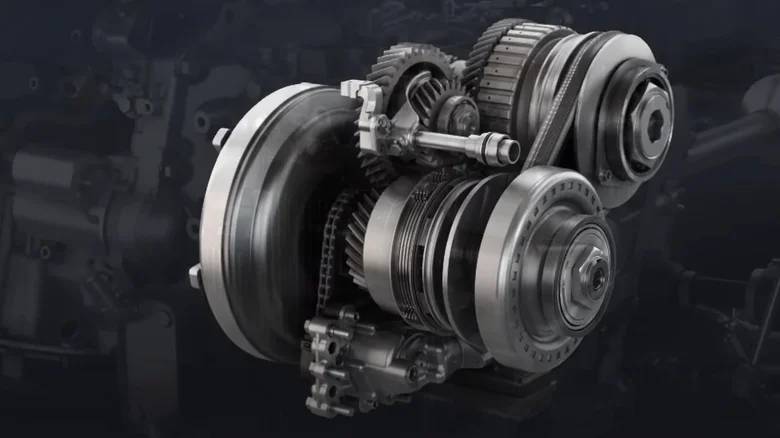
What Is a Toyota CVT Transmission?
A Continuously Variable Transmission, commonly known as a CVT, is a type of automatic transmission that operates differently from a traditional automatic gearbox. Instead of using a fixed number of gears, a CVT relies on a system of pulleys and a steel belt or chain to provide an almost infinite range of gear ratios. This design allows the engine to operate at its most efficient speed under various driving conditions.
One of the primary advantages of a CVT is its ability to deliver smooth and seamless acceleration. Because there are no noticeable gear shifts, drivers often experience a more comfortable ride, particularly in urban traffic. CVTs also contribute to improved fuel economy because they continuously adjust the transmission ratio to keep the engine running within its optimal efficiency range.
Toyota began introducing CVTs into many of its mainstream vehicles as part of its effort to improve fuel efficiency and reduce emissions. Over the years, the company has refined the technology to address concerns commonly associated with early CVT designs. Modern Toyota CVTs are engineered with durability, efficiency, and long-term reliability in mind.
In recent years, Toyota introduced the Direct Shift CVT, an advanced system designed to improve both performance and durability. This innovation incorporates a physical launch gear for initial acceleration, reducing stress on the belt and pulley system during one of the most demanding phases of driving. As a result, Toyota’s CVT technology has earned a stronger reputation than many competing systems.
Understanding how a Toyota CVT works is essential because it helps owners appreciate why proper maintenance and driving habits play a significant role in maximizing transmission life.
How Reliable Are Toyota CVT Transmissions?
When discussing transmission reliability, Toyota consistently ranks among the most trusted automotive brands. This reputation extends to its CVT-equipped vehicles. While no transmission is completely immune to wear and tear, Toyota CVTs are generally considered among the most reliable continuously variable transmissions available today.
Many Toyota owners report driving well beyond 150,000 miles without experiencing major transmission failures. With regular maintenance and proper care, it is not uncommon for a Toyota CVT to last between 200,000 and 250,000 miles. Factors such as driving habits, climate conditions, maintenance schedules, and vehicle usage all influence overall lifespan.
Several reasons contribute to Toyota’s strong reliability record. First, the company takes a conservative engineering approach, focusing on proven technologies rather than aggressive performance tuning. Second, Toyota subjects its transmissions to extensive testing before production. Third, ongoing improvements in materials, software calibration, and manufacturing quality have helped reduce many of the issues that affected earlier CVT designs across the industry.
Consumer satisfaction data also supports Toyota’s reputation. Owners frequently praise the smooth operation, fuel efficiency, and durability of Toyota CVTs. Unlike some manufacturers that faced widespread transmission-related complaints, Toyota has largely avoided major reliability controversies involving its CVT systems.
For buyers seeking a dependable daily driver, a Toyota equipped with a properly maintained CVT can provide years of reliable service while delivering excellent fuel economy and a comfortable driving experience.
Why Toyota CVTs Have a Better Reputation Than Many Competitors
Toyota’s success with CVT technology is not accidental. The company has invested heavily in engineering improvements that directly address the weaknesses often associated with continuously variable transmissions.
One of the most important factors is Toyota’s emphasis on durability over aggressive performance. Rather than pushing components to their limits, Toyota designs its transmissions with long-term reliability as a priority. This philosophy helps reduce wear on critical components and contributes to a longer service life.
Another advantage is Toyota’s strict manufacturing standards. Every transmission component is built to meet precise quality requirements, helping ensure consistency and reliability across the vehicle lineup. Improved materials and advanced production techniques have also increased resistance to heat, friction, and long-term wear.
Toyota’s software programming plays an equally important role. The transmission control system continuously monitors operating conditions and adjusts performance to minimize unnecessary stress. This intelligent management helps protect internal components while maintaining smooth operation.
The introduction of the Direct Shift CVT further strengthened Toyota’s position. By using a traditional launch gear during initial acceleration, the system reduces strain on the CVT belt, one of the areas where conventional CVTs often experience the greatest wear. This innovation not only improves acceleration response but also contributes to greater durability over time.
In addition, Toyota provides clear maintenance recommendations that help owners keep their transmissions operating efficiently. Regular fluid inspections, proper servicing, and early attention to warning signs can significantly extend transmission lifespan.
These combined factors explain why Toyota CVTs are frequently viewed as a safer choice than many competing CVT systems, particularly for drivers planning to keep their vehicles for many years.
Understanding Toyota Direct Shift CVT
Toyota introduced the Direct Shift CVT to address one of the most common criticisms of traditional CVT systems: sluggish acceleration and excessive stress on the belt during takeoff. Unlike a conventional CVT that relies entirely on pulleys and a belt across all driving situations, the Direct Shift CVT incorporates a physical first gear, often referred to as a launch gear.
When the vehicle starts moving from a standstill, the launch gear handles the initial acceleration. Once the vehicle reaches a certain speed, the transmission seamlessly transitions to the CVT mechanism. This approach reduces the workload placed on the belt and pulleys during one of the most demanding moments of vehicle operation.
The result is a transmission that feels more responsive while also improving durability. Drivers often notice quicker acceleration from a stop, reduced engine noise, and a more natural driving experience. Since the belt is not subjected to maximum stress during every launch, long-term wear can be significantly reduced.
Another benefit of the Direct Shift CVT is improved efficiency. The system can achieve a wider range of gear ratios than many conventional CVTs, allowing the engine to operate more efficiently under varying driving conditions. This contributes to better fuel economy without sacrificing performance.
Toyota has implemented the Direct Shift CVT in several modern models, including newer generations of the Corolla and Corolla Cross. The technology represents an important step forward in CVT development and demonstrates Toyota’s commitment to continuously improving reliability and driver satisfaction.
For owners concerned about CVT longevity, the Direct Shift CVT offers additional reassurance by addressing some of the traditional weaknesses associated with continuously variable transmissions.
Common Toyota CVT Problems Owners Should Know
Although Toyota CVTs are generally reliable, no mechanical system is completely free from potential issues. Understanding common problems can help owners identify warning signs early and avoid expensive repairs.
One of the most common concerns involves transmission fluid degradation. CVT fluid plays a critical role in lubrication, cooling, and maintaining proper operation. Over time, fluid can break down due to heat and contamination. When this occurs, drivers may notice rough acceleration, delayed response, or unusual noises. Regular fluid inspections and timely replacement can help prevent these issues.
Overheating can also affect CVT performance. While Toyota transmissions are designed to operate efficiently, excessive heat generated by heavy traffic, steep terrain, or prolonged high-load driving can accelerate wear. Drivers who frequently encounter these conditions should pay close attention to maintenance schedules.
Some owners report delayed acceleration or hesitation during certain driving situations. In many cases, this behavior is related to transmission programming rather than a mechanical defect. Software updates issued by dealerships can sometimes improve responsiveness and overall driving feel.
Unusual sounds such as whining, humming, or vibration may indicate developing transmission issues. While minor noises do not always signal a major problem, they should never be ignored. Early diagnosis can prevent small concerns from becoming costly repairs.
Drivers should also watch for dashboard warning lights, transmission slipping, jerking movements, or sudden changes in performance. These symptoms may indicate a more serious issue that requires professional inspection.
Fortunately, widespread catastrophic failures are relatively uncommon in Toyota CVTs compared to some competing brands. Consistent maintenance remains the most effective way to minimize risk and maximize reliability.
Toyota Models Known for Reliable CVT Performance
Toyota has equipped numerous vehicles with CVT technology, but several models stand out for their strong reliability records and positive owner feedback.
The Toyota Corolla is often considered one of the best examples of successful CVT implementation. As one of the world’s best-selling vehicles, the Corolla has accumulated millions of miles of real-world testing. Owners frequently praise its smooth operation, fuel efficiency, and long-term durability. Newer Corolla models equipped with the Direct Shift CVT have further strengthened the vehicle’s reputation.
The Toyota Corolla Cross also benefits from Toyota’s latest transmission technology. Combining practicality, fuel efficiency, and dependable engineering, the Corolla Cross has quickly become a popular choice among drivers seeking a compact crossover with low ownership costs.
The Toyota C-HR offers another example of a reliable CVT-equipped vehicle. Although production has ended in some markets, many owners continue to report positive experiences with transmission performance and overall dependability.
In regions where it is available, the Toyota Yaris has earned a reputation for durability and affordability. Its lightweight design places relatively low stress on transmission components, contributing to excellent longevity.
Toyota hybrid models deserve special recognition. Vehicles such as the Prius, Corolla Hybrid, Camry Hybrid, and RAV4 Hybrid use an electronic continuously variable transmission known as an eCVT. Unlike traditional belt-driven CVTs, Toyota’s eCVT relies on a planetary gear system and electric motors. This design contains fewer wear-prone components and has demonstrated exceptional reliability over hundreds of thousands of miles in many vehicles.
For buyers prioritizing reliability, these Toyota models consistently rank among the strongest choices in their respective segments and showcase the company’s ability to build durable transmission systems for long-term ownership.
Toyota eCVT Reliability Explained
When discussing Toyota transmission reliability, it is important to distinguish between a traditional CVT and Toyota’s eCVT system. Although both technologies share similar names, they operate in very different ways.
A conventional CVT uses a belt and pulley arrangement to continuously adjust gear ratios. Toyota’s eCVT, on the other hand, is found primarily in hybrid vehicles and uses a planetary gear set combined with electric motors. Because there is no traditional belt, chain, or pulley system, many of the wear-related concerns associated with conventional CVTs simply do not exist.
This unique design has become one of the biggest reasons Toyota hybrids are known for exceptional long-term reliability. The eCVT contains fewer moving parts than many traditional automatic transmissions, reducing the number of components that can potentially fail. The system also distributes power efficiently between the gasoline engine and electric motors, minimizing stress on individual components.
Real-world examples provide strong evidence of the eCVT’s durability. Many Toyota Prius vehicles have surpassed 200,000 miles, 300,000 miles, and even higher mileage figures while still using their original transmission. Similar success stories can be found among owners of the Corolla Hybrid, Camry Hybrid, and RAV4 Hybrid.
Maintenance requirements are also relatively straightforward. Since the eCVT experiences less mechanical friction than conventional transmissions, wear rates tend to be lower. However, periodic inspections and fluid servicing remain important for maintaining peak performance.
For buyers seeking maximum reliability, Toyota’s hybrid eCVT systems are often considered among the most durable transmissions available in the modern automotive industry. Their proven track record has helped establish Toyota hybrids as some of the most trusted vehicles for long-term ownership.
Toyota CVT vs Traditional Automatic Transmission
Many buyers wonder whether a Toyota CVT can match the durability of a conventional automatic transmission. While both systems have strengths and weaknesses, the answer depends largely on maintenance habits and driving conditions.
Traditional automatic transmissions rely on multiple fixed gears and complex hydraulic systems. These transmissions have been refined over decades and are known for their durability when properly maintained. Many drivers also prefer the familiar feeling of gear changes during acceleration.
A Toyota CVT takes a different approach. By continuously adjusting gear ratios, it allows the engine to remain within its most efficient operating range. This often results in improved fuel economy and smoother acceleration. Drivers who spend significant time in city traffic frequently appreciate the seamless driving experience.
From a reliability standpoint, modern Toyota CVTs have proven capable of delivering impressive longevity. While older CVTs from various manufacturers sometimes developed reliability concerns, Toyota’s latest designs have significantly improved durability. In many cases, a properly maintained Toyota CVT can achieve mileage figures comparable to those of traditional automatic transmissions.
Maintenance costs may vary depending on the vehicle and driving conditions. CVTs generally require specialized transmission fluid, and neglecting fluid service can accelerate wear. Conventional automatics also require maintenance but may have different service intervals and procedures.
For drivers focused on fuel efficiency, a Toyota CVT often represents the better choice. For those who prefer a more traditional driving feel, a conventional automatic may remain appealing. Ultimately, both systems can provide excellent service life when maintained according to manufacturer recommendations.
Toyota CVT vs Nissan CVT vs Honda CVT
The reliability of CVT transmissions is often judged by comparing major automotive manufacturers. Toyota, Nissan, and Honda have all invested heavily in CVT technology, but their reputations differ significantly.
Toyota is generally regarded as the benchmark for CVT reliability. The company’s conservative engineering philosophy, continuous refinement, and focus on durability have helped create some of the most dependable CVT systems available today. Models equipped with Direct Shift CVT technology have further strengthened Toyota’s standing among consumers and industry experts.
Honda also maintains a strong reputation for reliable CVTs. Many Honda vehicles deliver excellent long-term performance, and the company has successfully integrated CVT technology across much of its lineup. However, some drivers report occasional concerns related to driving feel and responsiveness, though serious reliability issues remain relatively uncommon.
Nissan’s experience with CVTs has been more controversial. Earlier generations of Nissan CVT systems experienced a higher number of reported failures, including overheating, slipping, shuddering, and premature wear. These issues led to warranty extensions and legal challenges in some markets. Although Nissan has introduced improvements in newer models, the brand’s CVT reputation continues to be influenced by its earlier problems.
When comparing ownership costs, Toyota often stands out due to lower rates of major transmission repairs and strong long-term dependability. Honda remains a close competitor, while Nissan has worked to rebuild consumer confidence through updated designs and enhanced quality control.
For buyers who prioritize transmission reliability above all else, Toyota frequently emerges as the safest choice. Honda follows closely behind, while Nissan may require more careful research into specific model years and transmission generations before making a purchasing decision.
How Long Do Toyota CVT Transmissions Last?
One of the most common questions among car buyers is how long a Toyota CVT transmission can realistically last. While there is no exact mileage limit that applies to every vehicle, Toyota CVTs have demonstrated impressive longevity when maintained properly.
In general, a well-maintained Toyota CVT can last between 150,000 and 250,000 miles. Some owners have reported exceeding these figures without major transmission repairs, particularly when the vehicle receives regular servicing and is driven responsibly. Longevity depends on several factors, including maintenance history, driving style, environmental conditions, and overall vehicle care.
Driving habits play a significant role in transmission lifespan. Aggressive acceleration, frequent hard braking, and carrying excessive loads can increase stress on transmission components. Drivers who adopt smoother driving habits often experience fewer mechanical issues and longer transmission life.
The type of driving also matters. Vehicles used primarily for highway travel tend to accumulate mileage under relatively stable conditions, which can reduce wear. In contrast, constant stop-and-go city driving creates more heat and places additional strain on transmission components.
Climate conditions should not be overlooked. Extremely hot environments can accelerate fluid degradation, while harsh weather conditions may increase stress on various vehicle systems. Following recommended maintenance schedules becomes even more important in challenging climates.
Ultimately, Toyota CVTs are capable of delivering many years of reliable service. Owners who prioritize preventive maintenance often enjoy transmission performance that remains smooth and dependable well beyond the average lifespan of many vehicles.
How Much Does Toyota CVT Maintenance Cost?
One reason Toyota CVTs are attractive to many drivers is their relatively manageable maintenance costs. While transmission repairs can be expensive if problems are ignored, routine maintenance is generally affordable and can help prevent major failures.
The most important service item is transmission fluid maintenance. Depending on the model and driving conditions, fluid replacement may be recommended at intervals that vary from vehicle to vehicle. A professional CVT fluid service typically costs significantly less than repairing internal transmission damage caused by neglected maintenance.
Routine inspections can also help identify potential issues before they become serious. Technicians may check fluid condition, inspect for leaks, evaluate transmission performance, and verify that electronic control systems are functioning correctly. These inspections are usually inexpensive compared to the cost of major repairs.
Minor repairs, such as sensor replacement or software updates, generally represent a modest expense. However, if a transmission develops significant internal damage, repair costs can rise substantially. Complete transmission replacement is often the most expensive scenario and may cost several thousand dollars depending on the vehicle model and labor rates.
Fortunately, Toyota owners experience fewer major transmission failures than drivers of some competing brands. This contributes to lower long-term ownership costs and helps explain why Toyota consistently ranks highly in reliability surveys.
From a financial perspective, spending a relatively small amount on preventive maintenance is one of the smartest investments an owner can make. Regular servicing can dramatically reduce the likelihood of facing costly repairs later in the vehicle’s life.
Tips to Make Your Toyota CVT Last Longer
Although Toyota CVTs are engineered for durability, proper care can significantly extend their lifespan and maintain optimal performance. A few simple habits can make a substantial difference over the life of the vehicle.
Following the manufacturer’s maintenance schedule is the most important step. Regular inspections and timely fluid servicing help ensure that internal components remain properly lubricated and protected from excessive wear.
Using the correct transmission fluid is equally critical. Toyota engineers design their CVTs to operate with specific fluid formulations that provide the necessary lubrication and cooling properties. Using the wrong fluid can negatively affect performance and accelerate component wear.
Driving smoothly can also improve transmission longevity. Rapid acceleration, aggressive driving, and sudden speed changes place additional stress on the transmission. Gentle throttle inputs and gradual acceleration help reduce unnecessary strain on internal components.
Managing heat is another key factor. Excessive heat is one of the leading causes of transmission wear. Drivers who frequently encounter heavy traffic, mountainous terrain, or demanding driving conditions should pay extra attention to maintenance and cooling system performance.
It is also important to address unusual symptoms immediately. Strange noises, vibrations, hesitation, warning lights, or changes in driving behavior should never be ignored. Early diagnosis often allows minor issues to be corrected before they develop into major repairs.
Finally, maintaining the entire vehicle contributes to transmission health. Engine performance, cooling systems, and electronic controls all work together to support efficient transmission operation. A well-maintained vehicle creates the best environment for long-term CVT reliability.
By combining proper maintenance with responsible driving habits, many Toyota owners successfully achieve hundreds of thousands of miles from their original CVT transmission.
Should You Buy a Used Toyota with a CVT?
For many shoppers, buying a used vehicle is a practical way to save money while still enjoying dependable transportation. If the vehicle in question is a Toyota equipped with a CVT, the good news is that these transmissions generally have a strong reputation for reliability when properly maintained.
Before purchasing any used Toyota with a CVT, reviewing the vehicle’s service history should be a top priority. Records showing regular maintenance, fluid inspections, and timely servicing can provide valuable insight into how well the vehicle has been cared for throughout its life.
A thorough test drive is equally important. During the drive, pay attention to how the transmission responds during acceleration, cruising, and low-speed maneuvers. The vehicle should accelerate smoothly without excessive hesitation, slipping, vibration, or unusual noises. Any warning lights or noticeable performance issues should be investigated before completing the purchase.
Potential buyers should also inspect the vehicle for signs of neglect. Evidence of poor maintenance, fluid leaks, inconsistent service records, or previous transmission repairs may indicate increased risk. A pre-purchase inspection performed by a qualified technician can provide additional peace of mind.
Certain Toyota models have developed particularly strong reputations for CVT reliability. The Corolla, Corolla Cross, and many Toyota hybrid vehicles are often recommended due to their proven track records and lower rates of transmission-related complaints.
For buyers seeking an affordable and dependable used vehicle, a well-maintained Toyota with a CVT can be an excellent choice. The key is to focus on condition, maintenance history, and overall vehicle care rather than mileage alone.
Frequently Asked Questions
Are Toyota CVT transmissions reliable?
Yes. Toyota CVT transmissions are widely regarded as some of the most reliable continuously variable transmissions available today. Proper maintenance and responsible driving habits can help them provide many years of dependable service.
Can a Toyota CVT last over 200,000 miles?
Absolutely. Many Toyota owners have reported reaching 200,000 miles or more with their original CVT transmission. Consistent maintenance and timely fluid servicing are major factors in achieving this level of longevity.
How often should Toyota CVT fluid be serviced?
Service intervals vary depending on the model, driving conditions, and manufacturer recommendations. Owners should consult their vehicle’s owner’s manual and follow Toyota’s maintenance guidelines for the best results.
Is Toyota’s Direct Shift CVT more reliable?
The Direct Shift CVT was designed to improve both performance and durability. By using a physical launch gear during initial acceleration, the system reduces stress on the belt and pulley mechanism, which may contribute to longer service life.
Are Toyota hybrid eCVTs more reliable than conventional CVTs?
In many cases, yes. Toyota’s eCVT uses a different design that eliminates many of the components found in traditional CVTs. This simpler and highly durable system has demonstrated exceptional reliability in numerous hybrid models.
What are the warning signs of a failing Toyota CVT?
Common warning signs may include unusual noises, vibration, delayed acceleration, slipping, warning lights, fluid leaks, or sudden changes in transmission performance. Early diagnosis can often prevent more expensive repairs.
Conclusion
So, are Toyota CVT transmissions reliable? For most drivers, the answer is a confident yes. Toyota has spent decades refining its transmission technology, resulting in CVT systems that consistently rank among the most dependable in the automotive industry. Through careful engineering, high manufacturing standards, and continuous innovation, Toyota has successfully addressed many of the concerns that have affected CVT systems from other manufacturers.
Modern Toyota CVTs offer an excellent balance of fuel efficiency, smooth operation, and long-term durability. Innovations such as the Direct Shift CVT have further improved reliability by reducing stress on critical components, while Toyota’s hybrid eCVT systems have established an outstanding reputation for longevity and low maintenance requirements.
Like any mechanical component, a CVT requires proper care to achieve its full lifespan. Regular maintenance, timely fluid servicing, and attention to early warning signs can significantly reduce the likelihood of costly repairs. Owners who follow recommended maintenance schedules often enjoy well over 200,000 miles of reliable performance.
For buyers considering a new or used Toyota, concerns about CVT reliability should not be a major obstacle. With a proven track record, strong owner satisfaction, and some of the most durable transmission designs on the market, Toyota remains one of the safest and most trusted choices for drivers seeking long-term dependability.