The L99 engine is one of the most discussed V8 powertrains within the modern GM small-block family, and searches for L99 Engine Specs continue to attract both automotive enthusiasts and technical researchers. Built by General Motors, this 6.2L V8 engine represents a balance between performance capability and fuel efficiency through its integration of Active Fuel Management technology. However, understanding the L99 engine goes far beyond simple horsepower figures or displacement numbers. Many users searching for L99 Engine Specs are trying to solve a deeper problem which is whether this engine is truly reliable, how it performs in real driving conditions, and how it compares to other LS based engines in the same ecosystem.
In automotive communities, the L99 often appears alongside discussions of LS3 variants, but confusion remains due to overlapping architecture and different tuning strategies. This creates a clear informational gap where users are not just looking for specifications but also for meaningful interpretation of those specifications. Questions such as how the engine behaves under load, whether cylinder deactivation affects long term durability, and how it performs in real world acceleration scenarios are central to user intent.
This article provides a complete breakdown of L99 Engine Specs including technical architecture, performance behavior, reliability factors, and modification potential. The goal is to build a clear topical understanding of the engine rather than presenting isolated data points. By combining engineering detail with real world context, this guide helps bridge the gap between raw specifications and practical automotive insight.
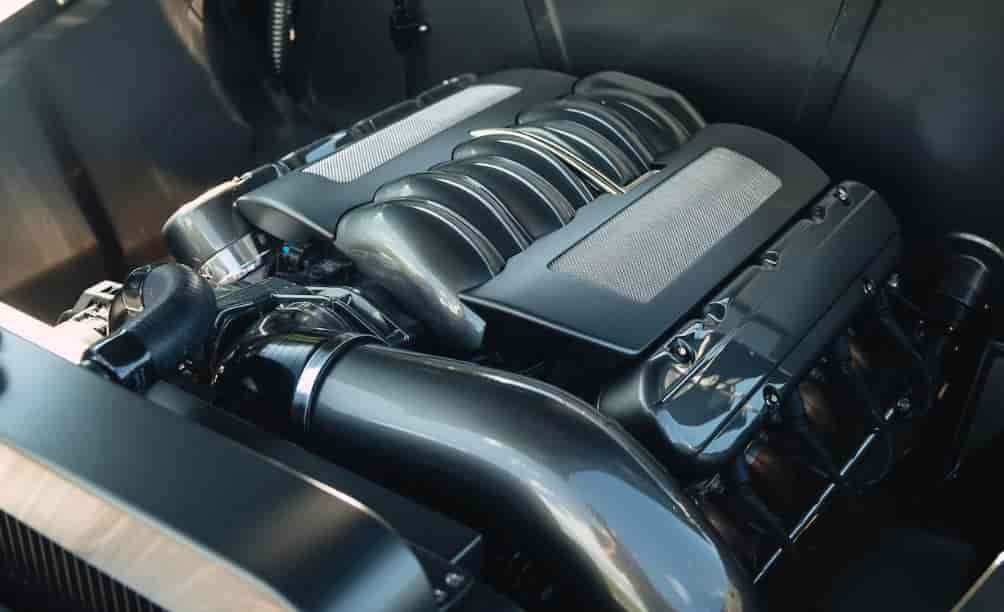
What Is the L99 Engine
The L99 engine is a 6.2 liter V8 small block developed by General Motors. It belongs to the LS engine family. GM designed it for both performance and fuel efficiency. This balance makes it different from pure performance V8 engines.
The engine uses an aluminum block and a pushrod V8 layout. It follows a traditional overhead valve design. Engineers built it to deliver strong torque at low and mid RPM. This improves daily driving performance.
A key feature of the L99 is Active Fuel Management. This system shuts down four cylinders during light load conditions. The engine switches back to full V8 power when needed. This improves fuel economy during highway driving.
The L99 shares its core design with the LS3 engine. Both engines use the same displacement and similar hardware. However, GM added AFM only to the L99. This creates a clear difference in driving behavior.
The LS3 focuses on pure performance. The L99 focuses on a balance of power and efficiency. This difference affects tuning potential and long term usage.
Many enthusiasts study L99 Engine Specs to understand this balance. They want to know how AFM impacts performance and reliability. They also compare it with other LS based engines.
The L99 plays an important role in GM’s V8 lineup. It supports daily driving while still delivering strong V8 performance when required.
L99 Engine Specs Technical Breakdown
The L99 engine uses a 6.2 liter displacement V8 configuration. General Motors built it on the small block LS architecture. The engine delivers a factory rated output of around 400 horsepower and 410 lb-ft of torque. These figures vary slightly depending on vehicle tuning and application.
The engine uses an aluminum block and aluminum cylinder heads. This reduces overall weight and improves vehicle balance. The design follows a pushrod overhead valve system. This layout keeps the engine compact and mechanically simple.
The L99 uses a 10.4:1 compression ratio. This ratio supports strong combustion efficiency. It also helps the engine produce strong mid range torque. Drivers feel this torque during normal acceleration and highway passing.
The fuel system uses sequential fuel injection. This system delivers fuel directly to each cylinder in a controlled sequence. It improves combustion stability and efficiency under different load conditions.
One defining part of L99 Engine Specs is Active Fuel Management. This system disables four cylinders during low demand driving. It improves fuel economy during cruising. The engine returns to full V8 mode when power demand increases.
The valvetrain uses hydraulic roller lifters. It supports smoother operation and reduces maintenance needs. The camshaft profile focuses on balanced performance rather than aggressive high RPM power.
The L99 shares most of its internal structure with the LS3 engine. However, GM modified the camshaft and added AFM hardware. These changes create a different power delivery character.
The engine operates with a focus on balance. It delivers strong performance when needed and reduces fuel consumption during light driving. This dual behavior defines the core identity of the L99 within the GM V8 lineup.
L99 Engine Performance Analysis
The L99 engine delivers a strong balance between power and drivability. General Motors tuned it to work well in both performance and daily driving conditions. The engine produces around 400 horsepower and 410 lb-ft of torque in stock form. These numbers place it in the upper range of modern naturally aspirated V8 engines.
On the road, the L99 responds quickly at low and mid RPM. Drivers feel strong torque during normal acceleration. This makes city driving and highway merging smooth and predictable. The engine does not need high RPM to deliver usable power.
The Active Fuel Management system changes how the engine behaves under light load. It improves fuel efficiency during cruising. However, it can also slightly affect throttle response when the system switches between cylinder modes. This behavior is normal for AFM equipped engines.
Compared to performance focused LS engines like the LS3, the L99 feels slightly less aggressive. The LS3 delivers a more direct and linear power curve. The L99 prioritizes efficiency alongside performance. This trade off creates a different driving character.
In real world use, the L99 performs well in heavy vehicles and performance coupes. It provides enough power for spirited driving without sacrificing comfort. Many drivers appreciate this balance for daily use.
At higher RPM, the engine maintains stable power delivery. It does not drop off sharply, but it is not designed for extreme high RPM racing use. The tuning favors mid range strength rather than top end peak power.
Overall, L99 Engine Specs reflect an engine designed for versatility. It delivers reliable performance in most driving conditions while maintaining reasonable fuel efficiency for a V8 platform.
L99 Engine Reliability and Common Issues
The L99 engine shows solid durability when it stays in stock condition. General Motors designed it for long term daily use rather than extreme racing stress. Many owners report high mileage performance when maintenance stays consistent and oil quality remains stable.
However, the Active Fuel Management system introduces known reliability concerns. AFM switches the engine between V8 and V4 mode. This constant transition creates additional stress on valvetrain components. Over time, this can increase wear on lifters.
One of the most discussed issues in L99 Engine Specs is lifter failure. AFM lifters can collapse or stick under high mileage conditions. When this happens, the engine may produce ticking noise or misfire symptoms. Repair costs can become high because internal engine work is required.
Oil consumption also appears in some L99 engines. The system may increase oil usage under certain driving conditions. This issue often relates to AFM operation and long term wear patterns.
Another concern involves carbon buildup. Direct usage patterns and cylinder deactivation can lead to uneven combustion deposits. This can affect long term engine smoothness if not cleaned periodically.
Despite these issues, the L99 remains reliable when properly maintained. Regular oil changes help reduce AFM related wear. Many owners also choose AFM delete modifications to improve long term stability.
In comparison to other LS based engines, the L99 trades some mechanical simplicity for fuel efficiency. This design choice creates both advantages and tradeoffs. The engine delivers strong performance but requires more attention to long term maintenance strategy.
Overall, L99 Engine Specs show a durable engine with predictable weak points. Understanding these issues helps owners manage reliability and extend engine lifespan effectively.
L99 Engine Tuning and Modification Potential
The L99 engine attracts strong interest from performance enthusiasts because it responds well to modifications. General Motors built it on the LS platform, which already has a large aftermarket ecosystem. This gives owners many upgrade options without major engine redesign.
One of the most common upgrades is improving airflow. Many owners install a cold air intake system. This modification helps the engine draw cooler and denser air. It can improve throttle response and slightly increase horsepower.
Exhaust system upgrades are also popular. A performance exhaust reduces back pressure and improves engine sound. It also helps the engine breathe more efficiently at higher RPM ranges.
ECU tuning plays a major role in L99 performance upgrades. Tuners adjust fuel mapping and ignition timing. This can unlock additional horsepower and improve throttle response. Proper tuning also helps optimize performance after other modifications.
A major discussion point in L99 Engine Specs is Active Fuel Management removal. Many enthusiasts choose an AFM delete. This modification disables cylinder deactivation. It improves long term reliability and stabilizes engine behavior under load.
Camshaft upgrades are another strong performance path. A performance camshaft increases airflow and improves high RPM power. However, it often requires supporting modifications such as upgraded valve springs.
Forced induction is also possible. Turbocharger and supercharger kits significantly increase power output. These setups push the engine far beyond factory specifications but require strong internal support.
Overall, the L99 engine offers a flexible tuning platform. It supports mild bolt on upgrades and full performance builds. This versatility makes it popular among LS based engine enthusiasts.
L99 Engine Specs in Modern Context
The L99 engine remains relevant in discussions about modern V8 performance even in today’s evolving automotive landscape. General Motors has since introduced newer engine families such as the LT series, but the L99 still holds value for enthusiasts and researchers studying LS based architecture.
When comparing the L99 to modern GM engines, the main difference appears in efficiency technology and emissions control systems. Newer engines use more advanced direct injection strategies and improved cylinder management systems. The L99 relies on an earlier generation Active Fuel Management setup, which feels less refined by modern standards.
In terms of performance, the L99 still delivers competitive horsepower for a naturally aspirated 6.2 liter V8. However, modern LT engines often produce higher output with better fuel efficiency. This shows how engine development has shifted toward combining power with stricter efficiency targets.
The L99 also remains important because it represents a transitional stage in GM V8 evolution. It bridges older LS performance characteristics with newer fuel saving technologies. This makes it a useful reference point when analyzing how V8 engines have changed over time.
Many enthusiasts still search L99 Engine Specs because the engine appears in used performance cars at attractive price points. It offers a strong balance of power and affordability compared to newer platforms. This keeps demand alive in the second hand market.
From an engineering perspective, the L99 demonstrates how manufacturers adapted high performance engines to meet efficiency regulations without fully abandoning traditional V8 layouts. This balance defines its long term significance in GM’s engine history.
Conclusion
The L99 engine remains an important part of the modern V8 landscape within General Motors engine development history. It combines a 6.2 liter LS based architecture with Active Fuel Management technology to balance performance and fuel efficiency. This combination defines the core identity behind L99 Engine Specs and explains why the engine continues to attract attention from enthusiasts, mechanics, and automotive researchers.
Across all technical areas, the L99 shows consistent strengths in torque delivery, daily drivability, and flexible performance potential. It performs well in real world driving and maintains strong V8 character under load. At the same time, it introduces efficiency focused engineering that slightly changes its behavior compared to more traditional LS engines.
Reliability analysis shows that the engine can last a long time when maintained properly. However, AFM related components create known weak points that owners should understand. These tradeoffs are essential when evaluating long term ownership.
From a modification perspective, the L99 offers a wide tuning platform. It supports basic bolt on upgrades as well as advanced forced induction builds. This flexibility keeps it relevant in the performance aftermarket community.
In a modern context, the L99 represents a transitional engine design. It bridges older LS performance philosophy with newer efficiency requirements. This makes it a key reference point when studying the evolution of GM V8 engines.
Understanding L99 Engine Specs is not only about numbers. It is about understanding how engineering decisions shape real driving behavior, reliability outcomes, and tuning potential. This is why the engine continues to be widely searched and discussed today.