A sunroof that will not close can quickly become a serious problem for any driver of the Kia Sorento. The issue often appears at the worst time, such as during heavy rain or while driving on the highway. This situation creates discomfort, noise, and safety risks. It can also allow water to enter the cabin and damage interior parts if you do not fix it soon.
Modern sunroof systems are complex. They combine electric motors, control switches, sensors, and electronic modules. These parts work together to open and close the sunroof smoothly. When one part fails, the entire system can stop working. A small issue like dirt in the track can block movement. A deeper issue like motor failure or sensor error can also stop the sunroof from closing.
Many drivers try random repairs without proper diagnosis. This often leads to higher repair costs and does not solve the real problem. Some cases only need a simple reset or cleaning. Other cases require electrical testing or mechanical repair.
This guide explains the main causes of the problem. It also shows a clear diagnostic process and proven repair methods. You will learn how to identify the real issue and choose the right fix step by step.
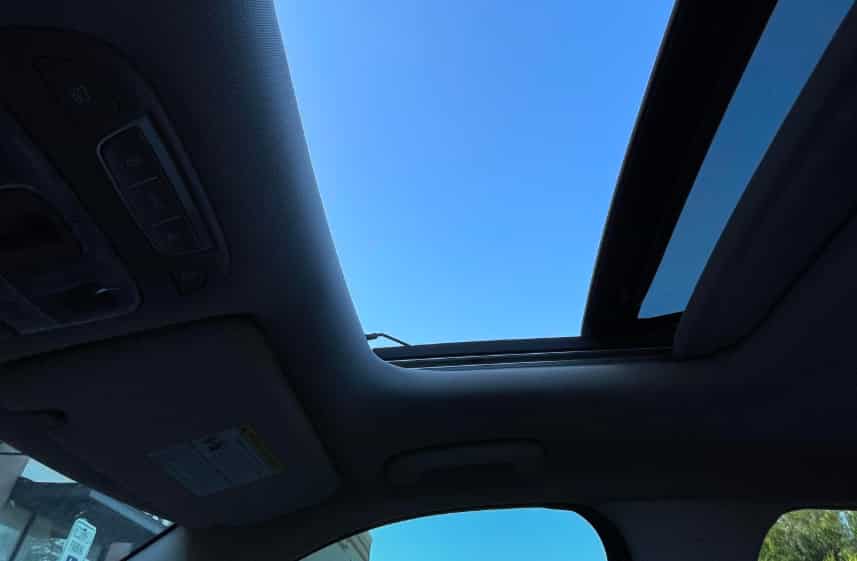
How the Kia Sorento Sunroof System Works
The sunroof system in the Kia Sorento works as an integrated electronic and mechanical unit. It does not rely on a single part. Instead, it depends on multiple components working together in real time. When one component fails, the sunroof can stop responding or get stuck during closing.
The electric motor drives the sunroof movement. It converts electrical energy into mechanical force. This motor pushes or pulls the sunroof along a set of metal rails. These rails control the direction and stability of movement. If the rails collect dirt or debris, the sunroof can slow down or jam completely.
The control switch inside the cabin sends signals to the system. When you press the switch, it sends an electrical command to the control module. The Body Control Module processes this command and activates the motor. If the switch fails or sends weak signals, the sunroof may not respond at all.
Position sensors also play an important role. These sensors track the exact location of the sunroof. They help the system know when to stop closing or opening. If the system loses calibration, the sunroof may stop at the wrong position or refuse to close fully.
The entire system depends on accurate communication between electrical and mechanical parts. Even a small interruption in power, signal, or alignment can cause a full failure in sunroof operation.
Common Causes Why Kia Sorento Sunroof Won’t Close
A sunroof problem in the Kia Sorento usually comes from a few predictable groups of issues. Most cases fall into mechanical faults, electrical failures, or calibration errors. Each group affects the system in a different way, so correct identification is important before any repair begins.
Mechanical issues are the most common cause. Dirt, dust, and small debris often build up inside the sunroof tracks. This buildup increases friction and blocks smooth movement. The sunroof may slow down, tilt unevenly, or stop halfway during closing. In some situations, the guide rails shift out of alignment after long-term use. This creates resistance and prevents the panel from sealing properly. Rubber seals can also deform or stick to the glass, which further restricts movement.
Electrical issues can also stop the sunroof from closing. The motor may weaken over time and lose enough torque to complete the closing cycle. The control switch inside the cabin may fail and send weak or inconsistent signals. Wiring problems can interrupt power delivery between components. When this happens, the sunroof may stop responding completely or behave unpredictably without warning.
Calibration and system errors often appear after a battery replacement or power interruption. The system can lose its reference position and fail to recognize the fully closed state. The Body Control Module may also store incorrect position data, which prevents normal operation. In this case, the sunroof may stop early or refuse to complete its closing cycle even when no mechanical damage exists.
Most failures come from a combination of these factors. A structured diagnosis helps identify the exact cause and prevents unnecessary part replacement.
Symptoms to Identify the Root Cause
When the sunroof on a Kia Sorento stops closing, the system usually shows clear symptoms before it completely fails. These signs help you understand whether the problem comes from mechanical, electrical, or calibration issues. Identifying the correct symptom early helps you avoid unnecessary repairs and reduces diagnostic time.
One common symptom is a sunroof that does not respond at all when you press the control switch. This usually points to an electrical issue such as a faulty switch, blown fuse, or wiring interruption. Another frequent sign is a sunroof that makes a motor sound but does not move. This often indicates a mechanical blockage inside the track or a motor that has lost power under load.
In some cases, the sunroof starts closing but stops halfway. This behavior often happens when the rails contain debris or when the system detects resistance. It can also occur when the sunroof loses calibration after a power reset. Another symptom is uneven movement, where one side moves faster than the other. This usually indicates rail misalignment or internal guide wear.
You may also notice intermittent operation, where the sunroof works sometimes and fails at other times. This pattern often suggests a weak electrical connection or a failing motor that still works under light load. After a battery change, the sunroof may refuse to complete the closing cycle. This usually points to a lost calibration state in the control module.
Each symptom gives a strong clue about the root cause. Careful observation helps narrow down the issue and guides the next diagnostic step.
Step-by-Step Diagnosis Process
When the sunroof on a Kia Sorento refuses to close, you need a structured diagnosis before replacing any parts. A clear process helps you identify whether the issue comes from mechanical blockage, electrical failure, or calibration loss. This approach also prevents unnecessary repair costs and reduces guesswork.
Start with a quick visual inspection. Check the sunroof track for dirt, leaves, or small objects. Even a small obstruction can stop the panel from closing fully. Inspect the rubber seals and edges of the glass to make sure nothing blocks movement. If you notice debris, clean the area carefully and test the system again.
Next, check the electrical basics. Inspect the sunroof fuse and make sure it has not blown. Test the control switch by pressing it multiple times and observing any response. Listen for motor sound when you activate the switch. If you hear no sound at all, the issue likely comes from power supply, wiring, or the switch itself.
After that, perform a reset procedure. Many sunroof systems lose position memory after a battery change or voltage drop. Hold the sunroof switch in the close position for several seconds to trigger recalibration. In some cases, the system will re-learn its full range of motion and restore normal operation.
If the problem still continues, move to advanced diagnosis. Use an OBD scanner to check for Body Control Module errors. Look for communication faults or position sensor errors. These codes help you confirm whether the issue comes from electronic control or mechanical resistance.
This step-by-step process helps you isolate the root cause with accuracy and avoid unnecessary part replacement.
Proven Fix Methods (DIY Solutions)
When the sunroof on a Kia Sorento fails to close, you can often fix the issue with a few practical DIY methods. These solutions work best when the problem comes from dirt buildup, minor electrical glitches, or lost calibration. You should always follow a step-by-step approach to avoid causing additional damage.
Start with cleaning and lubricating the sunroof tracks. Dirt and debris often create friction that blocks smooth movement. Use a soft cloth to remove visible dust from the rails. Apply a light automotive lubricant designed for sunroof systems. Avoid heavy grease because it attracts more dirt and can worsen the problem over time. After cleaning, test the sunroof to see if movement improves.
If cleaning does not solve the issue, perform a full sunroof reset. Many systems lose their reference position after a battery change or voltage drop. Hold the close button for 10 to 20 seconds until you hear a click or see movement. This process helps the system relearn its full range and restore normal operation.
If the sunroof still does not close, try a manual closing method. Some models allow emergency override using a hex key or manual drive access point. Carefully rotate the mechanism to bring the sunroof into the fully closed position. Make sure you do this slowly to avoid damaging the gears.
After completing any fix, test the sunroof several times. Check for smooth movement, correct alignment, and full sealing. If the system still fails, the issue likely involves a motor or control module problem that requires professional repair.
When You Need Professional Repair
Not every sunroof problem can be fixed with cleaning or reset. In some cases, the sunroof on a Kia Sorento requires professional diagnosis and repair. You should recognize these situations early to avoid making the damage worse or increasing repair costs.
One clear sign is a completely dead sunroof system. If the sunroof does not respond, makes no sound, and shows no movement even after checking the fuse and switch, the issue likely involves the motor or wiring system. These components require specialized testing tools and replacement procedures that go beyond basic DIY repair.
Another serious issue is mechanical damage inside the track system. If the sunroof is visibly misaligned, stuck at an angle, or jammed tightly, forcing it can break the guide rails or glass. In this case, a technician needs to inspect the full rail assembly and correct the alignment using proper calibration tools.
You also need professional help when the Body Control Module shows persistent errors. If an OBD scan reveals repeated communication faults or sensor failures, the system may require reprogramming or module replacement. These tasks need dealer-level diagnostic equipment.
Unusual noises during operation also signal deeper problems. Grinding, clicking, or snapping sounds often indicate worn gears or internal motor failure. Continuing to operate the sunroof in this condition can lead to complete system breakdown.
Professional repair ensures accurate diagnosis and prevents unnecessary part replacement. It also restores factory-level calibration and ensures the sunroof operates safely and smoothly.
Repair Cost Overview (Dealer vs DIY)
Repair costs for a sunroof issue on a Kia Sorento can vary widely depending on the root cause and repair method. The total cost depends on whether you choose a DIY approach, a local repair shop, or an official dealer service. Understanding these differences helps you make a more informed decision and avoid unnecessary spending.
DIY repair usually costs the least. Basic fixes like cleaning the tracks, applying lubricant, or performing a reset often cost almost nothing. You may only spend a small amount on cleaning tools or sunroof-safe lubricant. Manual closing tools, if needed, also remain relatively inexpensive. However, DIY repair only works when the issue is minor and does not involve internal component failure.
Local repair shops offer a mid-range option. They can handle motor replacement, track realignment, and wiring repairs. The cost usually increases depending on labor time and parts availability. In many cases, independent garages provide a balance between price and service quality, especially for common sunroof issues.
Dealer service is the most expensive option. It includes official diagnostics, software calibration, and original part replacement. This option is often necessary when the Body Control Module fails or when advanced recalibration is required. While the cost is higher, dealer repair ensures factory-level accuracy and long-term reliability.
The final cost depends on the severity of the issue. Simple problems stay low in price, while motor or module failures increase the total significantly. Choosing the right repair method early helps you control costs and avoid repeated breakdowns.
Prevention Tips
Preventing sunroof issues on a Kia Sorento is easier and cheaper than repairing a failure after it happens. Most sunroof problems develop slowly due to dirt buildup, lack of maintenance, or repeated electrical resets. A few simple habits can significantly reduce the risk of the sunroof getting stuck or refusing to close.
Start by cleaning the sunroof tracks on a regular basis. Dust, leaves, and small debris often accumulate in the rails and create friction over time. When this buildup becomes heavy, the sunroof motor works harder and eventually struggles to close the panel. Regular cleaning helps maintain smooth movement and reduces stress on mechanical parts.
You should also lubricate the moving components with a sunroof-safe lubricant. This helps reduce wear on the rails and keeps the mechanism operating smoothly. Avoid using heavy grease because it attracts more dirt and can create long-term blockages.
It is also important to avoid operating the sunroof in extreme conditions. Heavy rain, snow, or dusty environments can introduce moisture and debris into the system. This increases the chance of track blockage or electrical faults.
After any battery change, always reset the sunroof system. This ensures the control module correctly recognizes the fully closed and open positions. Skipping this step often leads to calibration errors and partial movement issues.
Finally, inspect the rubber seals regularly. Damaged or dry seals can affect alignment and allow water to enter the system. Replacing worn seals early helps protect the entire sunroof mechanism.
Consistent maintenance keeps the sunroof stable, reduces repair costs, and extends system lifespan.
Conclusion
A sunroof that will not close on a Kia Sorento often comes from a mix of mechanical, electrical, and calibration problems. Most cases start with simple issues such as dirt in the track or a temporary system error. Other cases involve deeper faults like a weak motor, wiring interruption, or control module malfunction. Understanding these differences helps you avoid random repairs and focus on the real cause.
A structured diagnosis always delivers better results. You should start with visual inspection, then move to electrical checks, and finally test system calibration. This step-by-step approach helps you isolate the problem quickly and reduces unnecessary part replacement. Many sunroof failures do not require expensive repairs when you identify the issue early and apply the correct fix.
Regular maintenance also plays a key role in preventing future problems. Cleaning the tracks, lubricating moving parts, and resetting the system after a battery change all help maintain stable performance. Small actions like these can extend the lifespan of the sunroof system and reduce the risk of sudden failure.
If the problem continues after basic troubleshooting, professional repair becomes the safest option. Advanced issues involving the motor or control module require proper diagnostic tools and technical expertise. Ignoring these signs can lead to more serious damage and higher repair costs.
By following the right process, you can keep your sunroof operating smoothly, avoid unnecessary expenses, and ensure long-term reliability.