Modern vehicles from Kia use advanced infotainment systems. These systems combine radio, Bluetooth, navigation, and media control into one interface. They are designed to improve driving comfort and user experience. However, this complexity also increases the chance of system failures.
A common issue reported by drivers is that the Kia radio stops working or produces no sound. The screen may still turn on. Bluetooth may still connect. Other functions can also appear normal. Yet the audio system becomes completely silent. This situation often confuses drivers because the problem is not always visible.
Several factors can cause this issue. A simple electrical fault such as a blown fuse can stop the radio. Low or unstable battery voltage can also trigger system failure. Software glitches inside the infotainment system may freeze audio functions. In some cases, hardware problems in the head unit or amplifier can cause a complete loss of sound.
Many drivers try random fixes without a clear diagnosis. This approach often wastes time and money. It can also lead to unnecessary part replacement without solving the real problem.
This guide shows a structured way to diagnose Kia radio failures. It focuses on step by step troubleshooting instead of guesswork. You will learn how to check electrical systems, test software behavior, and evaluate hardware condition. This method helps identify the real cause faster and more accurately.
By the end of this guide, you will understand whether the issue comes from a simple reset problem or a deeper system failure that needs professional repair.
Understanding Kia Infotainment System Architecture
Modern infotainment systems in Kia vehicles are built as integrated electronic networks. They do not rely on a single unit. Instead, multiple components work together to deliver audio and digital functions.
The head unit acts as the central control module. It processes radio signals, manages media playback, and controls the user interface. If the head unit fails or experiences a software error, the entire audio system can stop working.
The audio amplifier handles sound output. It increases the signal strength before sending it to the speakers. When the amplifier fails, the system may still appear active, but no sound is produced.
Speakers and wiring distribute audio throughout the cabin. Any damaged wire, loose connection, or grounding issue can interrupt sound delivery. This often leads to partial or complete audio loss.
The fuse system protects electrical circuits. Each fuse controls a specific power line. If the radio fuse blows, the infotainment system loses power immediately. This is one of the simplest causes to check during diagnosis.
The software system controls digital functions. It manages Bluetooth, radio tuning, and media settings. Software errors or corrupted updates can freeze the system or disable audio output.
All these components depend on stable power and communication. When one part fails, it can affect the entire system. This is why a structured diagnostic approach is necessary instead of random part replacement.
Most Common Causes of Kia Radio Not Working
A non working radio in Kia vehicles usually comes from a few repeated root causes. These causes are often simple, but they are easy to misdiagnose if there is no structured approach.
One of the most common causes is a blown fuse in the audio circuit. The fuse protects the radio system from electrical overload. When it blows, the radio loses power completely or stops responding. This issue is simple, but many drivers overlook it during early checks.
Software glitches also cause frequent failures. The infotainment system can freeze due to temporary bugs or system conflicts. In these cases, the screen may still work while the audio system stops responding. A soft reset often restores normal function.
Battery related issues are another major cause. A weak or recently disconnected battery can interrupt system calibration. After a battery change, the infotainment system may reset incorrectly and disable audio output until it reinitializes.
Head unit failure is a more serious cause. The head unit controls all audio processing. When it develops internal faults, the radio may stop working completely or behave unpredictably. This issue usually requires professional repair or replacement.
The audio amplifier can also fail. Overheating or electrical stress can damage it. When this happens, the system still appears active, but no sound reaches the speakers.
Wiring and grounding issues complete the list. A loose connector or damaged wire can break the audio signal path. These faults are harder to detect and often require detailed inspection.
Electrical System Failures Behind Kia Radio Issues
Electrical stability plays a key role in the infotainment performance of Kia vehicles. The radio system depends on consistent voltage and proper circuit protection to function correctly. When the electrical system becomes unstable, the audio system is often the first to fail.
A weak or aging car battery is a common trigger. When voltage drops below the required level, the infotainment system may shut down non essential functions. The radio can stop working even if the dashboard and lights still operate normally. This happens because the system prioritizes critical vehicle functions over entertainment features.
The fuse box also plays an important role in protecting the radio circuit. Each fuse controls a specific electrical path. When the audio fuse blows, power to the head unit is completely cut off. This results in a sudden and total loss of radio function. Checking fuses is a basic but essential diagnostic step.
Ignition related power delivery can also affect the system. In some cases, accessory mode does not supply stable voltage to the head unit. This can cause partial operation or intermittent audio failure. The system may turn on but fail to produce sound consistently.
Grounding problems are another hidden issue. A poor ground connection creates unstable current flow. This instability can lead to audio distortion, system resets, or complete failure. Ground issues are often difficult to detect without proper electrical testing tools.
Electrical faults may appear minor at first, but they can directly impact the entire infotainment system. A structured inspection helps isolate whether the issue comes from power supply, protection circuits, or grounding instability.
Software and System Glitches in Kia Infotainment
Software issues are a frequent reason for radio failure in Kia vehicles. Modern infotainment systems rely heavily on software to control audio, navigation, and connectivity. When the software becomes unstable, the radio can stop working even if the hardware is still functional.
A common symptom is a frozen or unresponsive screen. The system may still power on, but the audio stops completely. In some cases, Bluetooth and other functions continue to work, which makes the issue harder to understand.
Temporary software crashes often happen due to system overload or background errors. These crashes interrupt the audio processing functions. A soft reset can often restore normal operation by clearing temporary system memory.
Another common issue is audio routing failure. The system may incorrectly route sound output to another channel. This results in no sound from the radio even though media is playing in the background.
Software updates can also introduce bugs. After an update, the infotainment system may behave abnormally or lose audio functionality. In some cases, a factory reset is required to restore stable performance.
Bluetooth working while radio fails is another typical sign of software inconsistency. This indicates that the media system is partially functional but the radio module is not properly initialized.
Most software related problems do not require hardware replacement. They are usually resolved through resets, reinitialization, or system updates. However, repeated failures may indicate deeper system corruption that needs professional diagnosis.
Kia Radio Not Working After Battery Change
A radio failure after a battery replacement is a common issue in Kia vehicles. Many drivers notice that the infotainment system stops working or loses sound immediately after the battery is disconnected or replaced.
This happens because the infotainment system loses its stored power state. When the battery is removed, the system resets. It may not reinitialize correctly when power is restored. This can cause temporary loss of radio and audio functions.
In some cases, the system enters a protection mode. This mode activates when the vehicle detects a sudden voltage interruption. The system limits certain functions to prevent electrical damage. The radio is often affected during this state.
Another possible cause is system reconfiguration failure. The infotainment unit may need time to re-sync with the vehicle’s electronic control modules. Until this process completes, audio output may remain disabled.
Settings and presets can also reset after a battery change. The system may lose saved configurations such as audio balance, source selection, or output routing. This can create the impression that the radio is not working even though it is only misconfigured.
A simple soft reset often resolves the issue. In more persistent cases, a full system reset or reinitialization may be required. If the problem continues, a diagnostic scan may be needed to check for hidden electrical or software errors.
Battery related radio issues are usually temporary. They rarely indicate permanent damage. However, repeated voltage drops can increase the risk of long term infotainment instability.
Step by Step Diagnostic Process for Kia Radio Issues
When the radio stops working in Kia vehicles, a structured diagnostic process helps identify the real cause quickly. This method reduces guesswork and avoids unnecessary part replacement.
The first step is to check basic audio settings. The system may be muted or set to an incorrect output source. Volume level, balance, and media mode should be reviewed carefully before moving to technical checks.
The second step is to perform a soft reset of the infotainment system. This clears temporary software errors and restarts system functions. Many minor glitches are resolved at this stage without further intervention.
The third step is to inspect the fuse box. A blown audio fuse will completely stop radio function. This is one of the fastest and most reliable checks in the diagnostic process.
The fourth step is to test alternative audio sources. USB, Bluetooth, and AUX input can help determine whether the issue is limited to the radio module or affects the entire audio system. If other sources work, the problem is likely radio specific.
The fifth step is to evaluate the audio amplifier. If the system is powered but no sound is produced, the amplifier may be faulty. This requires further electrical testing.
The sixth step is to check for wiring or grounding issues. Loose connectors or damaged wires can interrupt signal flow. These faults often require physical inspection behind panels or near the head unit.
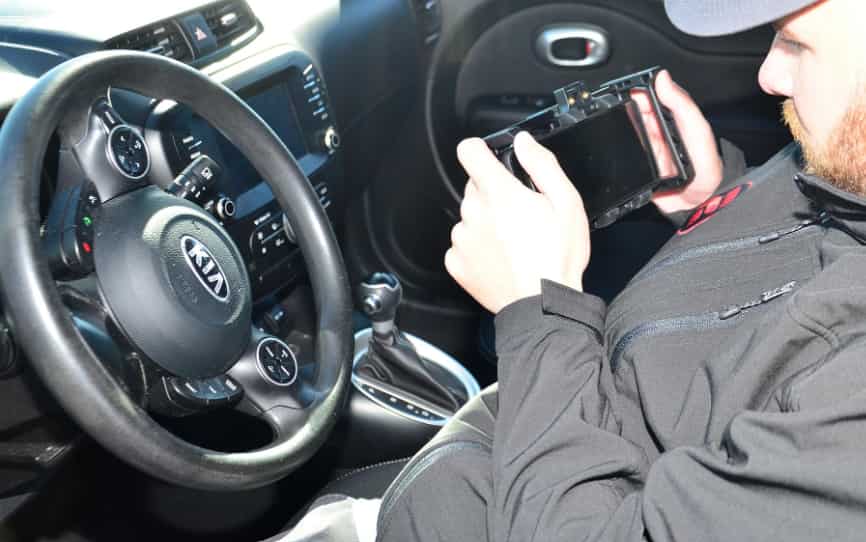
The final step is to use an OBD diagnostic scan tool. This helps detect hidden error codes in the infotainment system. These codes can point to software corruption or communication failures between modules.
Following this sequence allows accurate isolation of the problem. It ensures that simple issues are solved first before moving to complex repairs.
DIY Fixes vs Professional Repairs for Kia Radio Issues
When dealing with radio problems in Kia vehicles, it is important to understand which fixes can be done at home and which require professional support. Choosing the wrong approach can waste time or even cause further damage to the infotainment system.
Some issues are safe for DIY repair. A soft reset is the simplest and most effective first step. It clears temporary software errors and often restores audio function immediately. Checking the audio settings is also safe. Many cases occur because the system is muted or switched to the wrong input source.
Fuse replacement is another task that can be done at home if the owner has basic knowledge of the fuse box layout. A blown fuse is easy to identify and replace. However, it is important to use the correct fuse rating to avoid electrical risk.
Basic inspections such as checking visible wiring connections or testing Bluetooth and USB audio are also suitable for DIY troubleshooting. These steps help confirm whether the issue is isolated or system wide.
Professional repair becomes necessary when the problem involves the head unit, amplifier, or internal circuit faults. These components require specialized diagnostic tools and technical expertise. Attempting repair without proper equipment can worsen the damage.
Software corruption that does not respond to resets may also require dealership level reprogramming. In some cases, a full system update or module replacement is needed to restore functionality.
The general rule is simple. If the issue is related to settings, fuses, or resets, it can be handled at home. If it involves internal hardware or persistent system failure, professional diagnosis is the safer option.
Conclusion
Radio and infotainment issues in Kia vehicles can come from multiple sources. These include electrical faults, software glitches, and hardware failures. In many cases, the problem looks complex at first but follows a clear diagnostic pattern.
Most issues start from simple causes such as blown fuses, incorrect audio settings, or temporary software errors. These problems are often easy to fix with basic checks or a system reset. Battery related interruptions can also trigger temporary failures, especially after replacement or voltage drops.
More serious cases involve the head unit, audio amplifier, or wiring system. These components require deeper inspection and professional tools. When the issue persists after resets and basic troubleshooting, professional diagnosis becomes necessary to avoid further system damage.
A structured approach is the most effective way to handle Kia radio problems. Starting from simple checks and gradually moving to advanced diagnostics helps identify the root cause accurately. This method reduces repair costs and prevents unnecessary part replacement.
By understanding how the system works and following a logical troubleshooting process, drivers can resolve many infotainment issues more efficiently. It also helps distinguish between minor glitches and serious system failures that require expert support.
Ultimately, most Kia radio problems are solvable when diagnosed correctly. The key is to avoid guesswork and follow a step by step method that isolates the true source of the issue.