A car horn is one of the simplest yet most important safety features on any vehicle. It allows you to warn other drivers, alert pedestrians, and avoid dangerous situations within seconds. When your Kia horn stops working, even a short trip can become more stressful and potentially unsafe. Many drivers do not realize there is a problem until they press the horn in an emergency and hear nothing at all.
If your Kia horn is not working, the good news is that the problem is often easier to diagnose than you might expect. In many cases, a blown fuse, a faulty relay, a damaged horn unit, or a worn clock spring is responsible for the failure. Electrical wiring issues, steering wheel switch problems, and battery related faults can also prevent the horn from functioning properly. Identifying the exact cause before replacing parts can save both time and money while preventing unnecessary repairs.
This comprehensive guide explains the most common reasons why a Kia horn stops working and provides practical troubleshooting steps that anyone can follow. You will learn how the horn system operates, how to inspect the most common failure points, and when a professional repair may be necessary. Whether you own a Kia Sportage, Sorento, Forte, Optima, Soul, Telluride, or another Kia model, this guide will help you diagnose the issue with confidence and restore your vehicle’s horn to proper working condition.
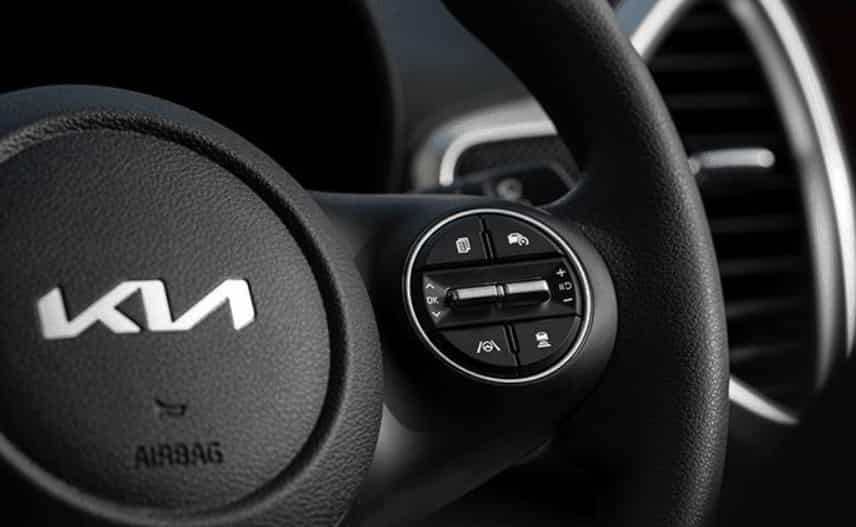
Why Is Your Kia Horn Not Working?
A working horn is essential for safe driving. It helps you warn other drivers, alert pedestrians, and avoid accidents. When your Kia horn stops working, you lose an important safety feature. Fortunately, most horn problems have a clear cause and can be diagnosed without advanced tools. Understanding how the horn system works is the first step toward finding the fault. It also helps you avoid replacing parts that still work properly.
Your Kia horn relies on several electrical components. When you press the horn button, the switch sends a signal through the clock spring to the horn relay. The relay then delivers power from the battery to the horn through the fuse and wiring. Every component must work correctly for the horn to sound. A single faulty part can interrupt the circuit and prevent the horn from operating. In some models, the horn system also shares electrical connections with the steering wheel controls and the airbag system. Because of this design, one electrical fault may cause several symptoms at the same time.
The symptoms often point to the source of the problem. A completely silent horn usually indicates a blown fuse, a faulty relay, or a damaged horn unit. A weak horn sound may result from corrosion or low battery voltage. An intermittent horn often suggests loose wiring or a worn clock spring. Some drivers notice that the horn works only while turning the steering wheel. This symptom strongly suggests a failing clock spring. In rare cases, the horn sounds continuously because the relay sticks or a short circuit develops. Recognizing these warning signs makes troubleshooting easier and helps you repair the problem more efficiently.
Common Causes of a Kia Horn Not Working
A Kia horn can stop working for several reasons, but most problems involve the electrical system. Finding the exact cause is important because replacing the wrong part wastes both time and money. A careful inspection often reveals the fault before any repairs begin. In many cases, the issue starts with a simple component that costs very little to replace.
A blown fuse is one of the most common reasons a Kia horn stops working. The fuse protects the horn circuit from excessive current. When it blows, power can no longer reach the horn. You should always inspect the fuse before testing other components. If the replacement fuse fails again, another electrical problem may exist somewhere in the circuit.
A faulty horn relay can also prevent the horn from operating. The relay acts as an electrical switch that sends battery power to the horn. Over time, the internal contacts may wear out or become stuck. When this happens, the relay cannot complete the circuit. Testing the relay with a known working replacement is often the quickest way to confirm the problem.
The horn itself may also fail after years of use. Moisture, dirt, and road debris can damage the internal diaphragm or electrical contacts. As the damage increases, the horn may sound weak, become intermittent, or stop working completely. Replacing the horn is usually a simple repair once you confirm that power reaches the unit.
Other common causes include a damaged clock spring, a faulty horn switch, broken wiring, poor ground connections, or low battery voltage. Modern Kia models may also experience problems with the Body Control Module if the electrical system detects an internal fault. Checking each component in a logical order helps identify the real cause and prevents unnecessary repairs.
How to Diagnose a Kia Horn That Is Not Working
Diagnosing a Kia horn that is not working does not have to be complicated. A systematic inspection helps you find the problem quickly and reduces the chance of replacing parts that still work. Start with the simplest checks before moving to more advanced electrical tests. This approach saves time and makes the repair process much more efficient.
Begin by inspecting the horn fuse in the fuse box. Remove the fuse and check whether the metal strip inside has broken. Replace the fuse with one that has the same amperage if you find any damage. If the new fuse blows immediately, the horn circuit likely has a short that requires further inspection. Next, test the horn relay. You can swap it with another relay that has the same part number if your vehicle uses identical relays. If the horn starts working, the original relay has failed and should be replaced.
If both the fuse and relay are in good condition, test the horn itself. Disconnect the electrical connector and apply battery power directly to the horn. A working horn should produce a loud and clear sound. If it remains silent, the horn assembly has reached the end of its service life. If the horn works during the direct power test, inspect the wiring for loose connectors, damaged insulation, or corrosion that could interrupt the electrical circuit.
The next step is to check the steering wheel components. A worn clock spring or a faulty horn switch can prevent the electrical signal from reaching the relay. These faults may also affect the steering wheel controls or trigger an airbag warning light. Finally, use an OBD scanner to check for diagnostic trouble codes if your Kia has a Body Control Module that manages the horn circuit. Following these steps in order makes it much easier to identify the exact cause and complete the repair with confidence.
How to Fix a Kia Horn That Is Not Working
Once you identify the cause of the problem, repairing a Kia horn is usually straightforward. Many horn issues require only basic tools and inexpensive replacement parts. Completing the repair as soon as possible improves road safety and helps prevent additional electrical problems from developing.
If the horn fuse has blown, replace it with a new fuse that matches the original amperage rating. Never install a higher rated fuse because it can damage the electrical system. After replacing the fuse, test the horn several times. If the new fuse fails again, inspect the wiring for a short circuit before installing another one.
A faulty horn relay is another simple repair. Remove the old relay and install a new one with the correct specifications. Once the new relay is in place, press the horn button to confirm the repair. If the horn still does not work, continue checking the remaining components instead of replacing additional parts at random.
When the horn unit has failed, replacing it is often the best solution. Disconnect the battery before removing the old horn to avoid accidental electrical contact. Install the new horn, reconnect the wiring, and tighten the mounting hardware securely. After reconnecting the battery, test the horn to ensure it produces a loud and consistent sound.
Some repairs require more attention. Damaged wiring should be repaired or replaced if you find broken insulation, loose connectors, or corrosion. A faulty clock spring also needs replacement because it cannot be repaired safely. If the horn switch inside the steering wheel has worn out, replace the switch according to the manufacturer’s service procedure. For vehicles with Body Control Module faults, a professional technician may need to perform software updates or advanced electrical diagnostics. Fixing the correct component restores normal horn operation and helps ensure your Kia remains safe to drive.
How Much Does It Cost to Fix a Kia Horn?
The cost to fix a Kia horn depends on the failed component and the type of repair. Some problems require only a low cost replacement part, while others involve more labor because technicians must remove steering wheel components or diagnose complex electrical faults. Understanding the expected repair cost helps you decide whether a simple repair is worth doing yourself or if professional service is the better option.
Replacing a horn fuse is the least expensive repair. A new fuse costs only a few dollars and takes just a few minutes to install. A horn relay is also affordable and usually requires very little labor. These two components are often the first items technicians inspect because they fail more frequently than other parts and are easy to replace.
A new horn assembly costs more than a fuse or relay, but it is still considered an affordable repair. The final price depends on whether you choose an original equipment part or a high quality aftermarket replacement. Labor charges remain reasonable because the horn is usually mounted behind the front bumper or grille, making it accessible on most Kia models.
Repairs involving the clock spring, steering wheel switch, or Body Control Module are typically more expensive. These components require additional diagnostic work and careful installation. The steering wheel and airbag assembly must often be removed before technicians can replace the clock spring. Because these systems affect vehicle safety, professional repair is strongly recommended.
If you have the necessary tools and experience, replacing a fuse, relay, or horn can reduce repair costs significantly. However, electrical faults involving damaged wiring or control modules require specialized equipment and technical knowledge. A proper diagnosis prevents unnecessary part replacement and ensures you spend money only on the repair your Kia actually needs.
Can You Drive With a Kia Horn That Is Not Working?
You can still drive a Kia with a horn that is not working, but doing so is not recommended. The horn is an important safety device that allows you to warn other drivers, cyclists, and pedestrians of potential danger. Without a functioning horn, your ability to respond to unexpected situations becomes more limited. This increases the risk of accidents, especially in heavy traffic or crowded parking areas.
A faulty horn can also create legal problems. Many countries and states require every vehicle to have a working horn as part of basic road safety regulations. If your horn does not operate during a vehicle inspection, your Kia may fail the inspection until the problem is repaired. In some areas, driving with a defective horn may even result in a warning or traffic citation, depending on local laws.
The level of risk depends on the cause of the failure. A blown fuse or faulty relay usually affects only the horn and can often be repaired quickly. However, a damaged clock spring or an electrical fault may indicate a more serious issue. These problems can also affect the steering wheel controls, cruise control, or airbag system. Ignoring these warning signs could lead to more expensive repairs in the future.
If your Kia horn suddenly stops working, schedule the repair as soon as possible. Avoid delaying the inspection, even if the vehicle appears to drive normally. Restoring the horn improves your safety, helps you comply with road regulations, and ensures you can react effectively during emergency situations. A fully functioning horn provides peace of mind every time you get behind the wheel.
Frequently Asked Questions
Why did my Kia horn stop working suddenly?
A Kia horn can stop working without warning for several reasons. The most common causes include a blown fuse, a faulty horn relay, a failed horn assembly, or a damaged clock spring. Loose wiring and poor electrical connections can also interrupt the horn circuit. Inspecting these components in order is the fastest way to identify the problem.
Can a bad battery cause the horn to stop working?
Yes. A weak or failing battery can reduce the voltage supplied to the horn. Low voltage may cause the horn to sound weak or stop working completely. If you notice other electrical issues, test the battery and charging system before replacing the horn.
How do I know if the horn relay is bad?
A faulty relay often prevents power from reaching the horn. You can test the relay by swapping it with another relay that has the same specifications. If the horn works after the swap, the original relay should be replaced.
Can a blown fuse disable only the horn?
Yes. Many Kia models use a dedicated fuse for the horn circuit. When this fuse blows, the horn stops working while most other electrical systems continue to operate normally. Always replace the fuse with one that matches the original amperage rating.
What are the signs of a bad clock spring?
A worn clock spring may prevent the horn from working and can also affect the steering wheel controls. Some drivers notice that the horn works only when turning the steering wheel. An airbag warning light may also appear on the dashboard, indicating that the clock spring requires inspection.
How much does it cost to replace a Kia horn?
The repair cost depends on the failed component. Replacing a fuse or relay is usually inexpensive, while a new horn assembly costs more. Repairs involving the clock spring or Body Control Module are typically the most expensive because they require additional labor and specialized diagnostic equipment.
Can I replace a Kia horn myself?
Yes. Most drivers with basic mechanical skills can replace a horn fuse, relay, or horn assembly using common hand tools. However, repairs involving the steering wheel, airbag system, or Body Control Module should be completed by a qualified technician to ensure safe operation.
How can I prevent future horn problems?
Regular vehicle maintenance helps reduce the risk of horn failure. Inspect the fuse box for corrosion, keep electrical connectors clean, and repair damaged wiring as soon as possible. Maintaining a healthy battery and charging system also helps protect the horn circuit from unnecessary electrical stress.
Conclusion
A Kia horn not working is more than a minor inconvenience. It is a safety issue that deserves immediate attention. The good news is that most horn problems have a straightforward solution. A blown fuse, a faulty relay, a damaged horn, or a worn clock spring accounts for many cases. By following a logical inspection process, you can identify the root cause and avoid replacing parts that still function correctly.
Start with the simplest components, such as the fuse and relay, before moving on to the horn assembly, wiring, and steering wheel controls. This step by step approach saves time, reduces repair costs, and increases the chances of fixing the problem on your first attempt. If you discover signs of a more complex electrical fault, such as a damaged clock spring or a Body Control Module issue, seeking professional assistance is the safest option.
Keeping your horn in proper working condition is essential for everyday driving. A reliable horn helps you communicate with other road users, avoid accidents, and comply with traffic regulations. Regular inspections of your vehicle’s electrical system can also prevent small issues from becoming expensive repairs.
We hope this guide has helped you understand the most common causes of a Kia horn not working and the best ways to diagnose and fix the issue. If you have experienced a similar problem with your Kia, share your experience or repair tips in the comments. Your advice may help other drivers solve the same issue more quickly and confidently.