Vehicle theft has affected thousands of Kia owners across the United States. Criminals targeted certain Kia models after discovering a method that made them easier to steal. As theft reports increased, many owners faced expensive repairs, higher insurance premiums, lost transportation, and unexpected financial stress. These problems eventually led to the Kia Theft Settlement, which offers compensation and other benefits to eligible owners and lessees.
If you own or previously owned an affected Kia vehicle, you may have questions about the settlement. You may wonder whether your vehicle qualifies, how much compensation you can receive, or what documents you need. Many people also want to understand the claims process and learn whether they still have options after the official filing deadline.
This guide answers the most common questions about the Kia Theft Settlement. It explains who qualifies, which Kia models are included, and what types of compensation may be available. You will also learn about the claims process, important deadlines, and the documents that support a claim. By the end of this article, you will have a clear understanding of the settlement and the steps that may help you protect your rights and financial interests.
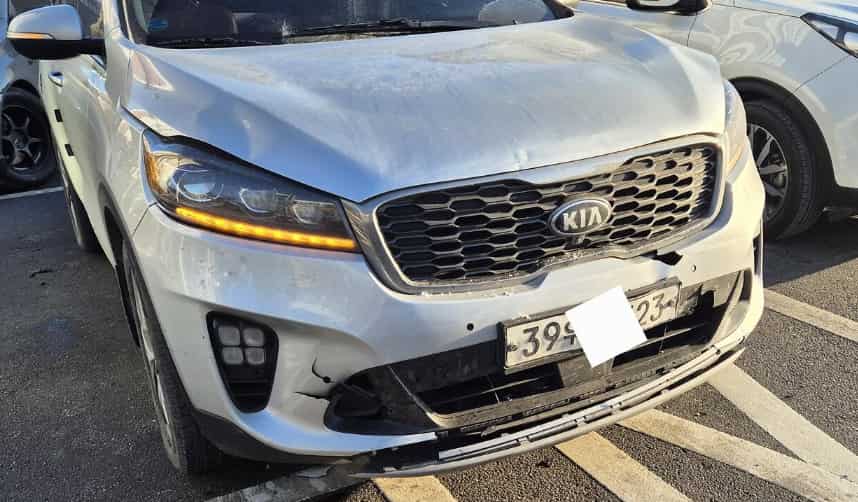
What Is the Kia Theft Settlement?
The Kia Theft Settlement is a nationwide class action settlement that addresses claims related to the theft of certain Kia vehicles. The lawsuit focuses on vehicles that lacked engine immobilizers, a security feature that helps prevent unauthorized access and theft. As reports of vehicle theft increased, many owners experienced financial losses and unexpected expenses.
The settlement aims to resolve these claims without requiring every owner to file an individual lawsuit. Instead, eligible owners and lessees may receive compensation for specific losses if they meet the settlement requirements. The agreement also supports programs that help reduce future theft risks through approved security measures.
The settlement covers several types of losses. Eligible claimants may receive reimbursement for theft related damage, insurance deductibles, towing costs, rental vehicle expenses, and other qualified out of pocket costs. Some owners may also qualify for reimbursement after purchasing approved anti theft devices or completing eligible security upgrades. The available benefits depend on the facts of each claim and the supporting documents submitted.
Not every Kia vehicle qualifies for the settlement. Eligibility depends on several factors, including the model year, the vehicle model, the ignition system, and whether the vehicle was included in the settlement. Owners should review the official eligibility requirements before assuming they qualify for compensation.
The Kia Theft Settlement also follows a formal review process. The settlement administrator evaluates each claim and reviews the required documents before approving any payment. This process helps ensure that compensation goes to eligible claimants who can verify their losses with appropriate records.
Understanding how the settlement works makes it easier to determine your next steps. The following sections explain who qualifies, which Kia models are included, and how the compensation process works in greater detail.
Who Is Eligible for the Kia Theft Settlement?
Many Kia owners ask the same question before anything else. They want to know whether they qualify for compensation. The answer depends on several factors, not just the vehicle itself.
In general, the settlement applies to current and former owners or lessees of certain Kia vehicles sold or leased in the United States. The vehicle must meet the eligibility requirements established by the settlement. In most cases, this includes specific model years equipped with a traditional key ignition system instead of a push button start. Many eligible vehicles also lacked an engine immobilizer when they left the factory.
Your claim must also relate to a covered loss. For example, you may qualify if your vehicle was stolen, damaged during an attempted theft, or caused you to pay eligible expenses because of a theft related incident. Some claims may include repair costs, insurance deductibles, towing fees, rental vehicle expenses, transportation costs, or approved anti theft devices. The type of compensation depends on your individual situation and the documents you provide.
Supporting documents play an important role during the review process. The settlement administrator may request proof of ownership or lease, repair invoices, insurance records, police reports, payment receipts, or other documents that verify your losses. Clear and complete records help the administrator review your claim more efficiently.
Some vehicle owners may not qualify even if they own a Kia. The settlement only covers certain vehicles identified in the agreement. Newer models, vehicles equipped with factory installed engine immobilizers, or vehicles outside the listed model years may not qualify for settlement benefits.
If you are unsure about your eligibility, the easiest step is to locate your Vehicle Identification Number and compare your vehicle with the official list of covered models. This simple check can help you determine whether you should gather documents and review the available settlement benefits before taking any further action.
Which Kia Models Are Included in the Kia Theft Settlement?
Not every Kia vehicle qualifies for the settlement. The agreement only covers specific models and model years that meet the eligibility requirements. Most qualifying vehicles use a traditional key ignition system and did not include a factory installed engine immobilizer.
The following table lists many of the Kia models commonly associated with the settlement. However, eligibility depends on your exact model year and vehicle identification number. Owners should always verify their vehicle before assuming they qualify for compensation.
| Kia Model | Common Model Years |
|---|---|
| Kia Forte | 2011 to 2021 |
| Kia K5 | 2021 to 2022 |
| Kia Optima | 2011 to 2020 |
| Kia Rio | 2011 to 2021 |
| Kia Sedona | 2015 to 2021 |
| Kia Seltos | 2021 to 2022 |
| Kia Sorento | 2011 to 2020 |
| Kia Soul | 2011 to 2021 |
| Kia Sportage | 2011 to 2022 |
Although this table provides a helpful overview, it does not guarantee eligibility. Some vehicles within these model years include different security systems or production specifications. As a result, two vehicles from the same model year may not qualify in the same way.
The easiest way to confirm eligibility is to use your Vehicle Identification Number, often called the VIN. The VIN identifies your vehicle and allows you to determine whether it appears on the list of covered vehicles. This step takes only a few minutes and can prevent unnecessary confusion later in the claims process.
If your Kia qualifies, gather all available records before reviewing the settlement benefits. Ownership documents, repair invoices, insurance records, towing receipts, and police reports can strengthen your claim. Keeping these documents organized also helps reduce delays during the review process.
Even if your vehicle appears on the list above, remember that compensation depends on more than eligibility alone. You must also demonstrate a covered loss and provide documents that support your claim. Understanding both requirements will help you prepare for the next step, which involves learning about the compensation available through the Kia Theft Settlement.
What Compensation Can Kia Owners Receive?
The Kia Theft Settlement offers compensation for several types of losses. The exact amount depends on your situation, the type of claim, and the documents you submit. Each claim receives an individual review before the settlement administrator makes a decision.
Owners whose vehicles were stolen may qualify for reimbursement if they experienced financial losses that meet the settlement requirements. In many cases, eligible expenses include repair costs, insurance deductibles, towing charges, rental vehicle costs, transportation expenses, and other reasonable out of pocket losses connected to the theft.
Vehicle owners may also qualify if someone attempted to steal the vehicle but failed. Even when thieves do not take the vehicle, they often damage windows, steering columns, door locks, or the ignition system. These repairs can become expensive, especially when replacement parts or labor costs increase.
Some owners purchased anti theft devices to reduce the risk of future theft. Depending on the settlement terms, approved security devices may qualify for reimbursement if the purchase meets the required conditions. Owners should keep receipts and any supporting records because these documents help verify eligible expenses during the review process.
Insurance deductibles represent another common source of compensation. Many owners paid significant deductibles before their insurance company covered vehicle repairs or theft related losses. The settlement may reimburse some or all of these costs if the claim satisfies the eligibility requirements.
Rental vehicles and alternative transportation may also qualify for reimbursement. Many owners relied on rental cars, rideshare services, taxis, or public transportation while their vehicles remained in the repair shop. These expenses can add up quickly after a theft related incident. Keeping detailed receipts makes it easier to demonstrate these losses.
The following table summarizes the most common categories of compensation.
| Type of Compensation | Examples |
|---|---|
| Vehicle repair costs | Damage caused during theft or attempted theft |
| Insurance deductible | Deductible paid after an approved insurance claim |
| Towing expenses | Vehicle towing after a theft related incident |
| Rental transportation | Rental vehicle or other temporary transportation costs |
| Anti theft devices | Approved security products purchased by the owner |
| Other eligible expenses | Qualified out of pocket costs supported by documentation |
Submitting complete documentation gives your claim the best chance of success. Repair invoices, police reports, insurance records, payment receipts, and proof of ownership help verify your losses. Missing documents may delay the review process or reduce the amount of compensation available.
Although the settlement provides meaningful financial relief for many owners, every claim receives a separate evaluation. Meeting the eligibility requirements does not guarantee the maximum compensation. The final amount depends on the documented losses, the settlement rules, and the evidence provided with the claim.
How to File a Kia Theft Settlement Claim
Filing a Kia Theft Settlement claim requires accurate information and complete documentation. Although the original claims period has closed for the main settlement, understanding the process remains valuable. Many owners still want to review their previous submissions, check their claim status, or understand how the settlement worked.
The first step was to confirm whether the vehicle met the settlement requirements. Owners needed to verify that their Kia model and model year appeared on the list of eligible vehicles. The Vehicle Identification Number served as the primary method for confirming eligibility.
After confirming eligibility, claimants gathered the documents needed to support their claims. Complete records helped the settlement administrator review each case more efficiently. Missing information often delayed the review process and sometimes required additional documentation.
Most successful claims included several important documents.
- Proof of vehicle ownership or lease.
- Vehicle Identification Number.
- Police report for the theft or attempted theft.
- Insurance claim documents.
- Repair invoices.
- Receipts for towing services.
- Rental vehicle receipts.
- Receipts for approved anti theft devices.
- Any other records that verified eligible expenses.
Once the documents were ready, claimants completed the official claim form and submitted the required evidence. The settlement administrator reviewed every submission before determining whether the claim met the settlement requirements. If additional information was necessary, the administrator could request more documentation before making a final decision.
Many owners asked how long the review process would take. The answer depended on several factors. Claims with complete documentation usually moved through the process more smoothly. However, complex claims or missing records often required additional review before a decision could be made.
Claimants also benefited from keeping copies of every document they submitted. Organized records made it easier to respond to follow up requests and verify information if questions arose during the review process.
Even though the primary filing period has ended, owners should continue to keep all theft related records in a safe place. These documents may remain useful for claim status inquiries, insurance matters, or any future programs that become available. Understanding the original claims process also helps owners recognize the documentation required for similar settlements in the future.
Kia Theft Settlement Deadline and Payment Timeline
Many owners continue to search for updates about the Kia Theft Settlement deadline and payment timeline. These topics remain popular because thousands of claimants want to know when they can expect a decision or payment.
The deadline for submitting most claims under the main Kia Theft Settlement has already passed. Owners who submitted their claims before the deadline should keep copies of all supporting documents and monitor the status of their claims. If the settlement administrator requests additional information, responding quickly can help avoid unnecessary delays.
The payment timeline varies from one claim to another. Several factors affect how long the review process takes. These factors include the number of claims received, the complexity of each case, the quality of the supporting documents, and the time required to verify the reported losses. As a result, some claims move through the process faster than others.
The table below explains the typical stages of the settlement process.
| Stage | What Happens |
|---|---|
| Claim submission | The claimant submits the completed claim form and supporting documents. |
| Initial review | The settlement administrator reviews the information for completeness. |
| Document verification | Supporting records are checked to confirm eligibility and claimed losses. |
| Additional review | The administrator may request more information if necessary. |
| Final decision | The claim receives an approval or denial based on the settlement terms. |
| Payment processing | Approved claims move to the payment stage according to the settlement procedures. |
Claimants should remember that approval does not always result in immediate payment. Administrative processing, payment verification, and claim volume can all affect the final timeline. For this reason, patience is often necessary while the settlement administrator completes the review.
If you already submitted a claim, avoid submitting duplicate requests unless the administrator specifically asks for additional information. Duplicate submissions may create unnecessary confusion and slow the review process.
Owners who missed the original filing deadline may no longer qualify for benefits under the primary settlement. However, they should continue to monitor official settlement announcements because future updates, separate legal actions, or additional consumer programs may become available depending on changing circumstances.
Keeping your contact information current is also important. If your mailing address, email address, or telephone number changes, update your information with the settlement administrator whenever possible. Accurate contact details help ensure that you receive important notices without unnecessary delays.
What If You Missed the Kia Theft Settlement Deadline?
Missing the Kia Theft Settlement deadline can be frustrating, especially if your vehicle was stolen or damaged after you learned about the settlement. Although the primary filing period has ended, there are still a few important steps you can take to understand your options.
Start by reviewing the official settlement information. Confirm whether the deadline applies to your situation and check for any updates that may affect your eligibility. Settlement administrators occasionally publish important announcements, answers to common questions, or additional guidance for claimants.
If you believe you qualified but did not submit a claim on time, gather all of your records anyway. Keep copies of your proof of ownership, police reports, insurance documents, repair invoices, towing receipts, and any other records related to the theft. Organized documentation may prove valuable if new legal developments or consumer programs become available in the future.
You should also continue to protect your vehicle from future theft. If your Kia qualifies for a security upgrade or an approved anti theft solution, contact an authorized Kia dealership to learn about available options. Improving your vehicle’s security can reduce the risk of another theft and may lower future repair expenses.
Some owners may also have questions about insurance coverage after missing the settlement deadline. Your insurance policy remains an important source of financial protection if your vehicle is stolen or damaged. Contact your insurance provider if you need clarification about deductibles, repair coverage, rental transportation, or claim procedures.
It is also important to understand that the class action settlement is not the only source of consumer assistance. Depending on your location and individual circumstances, other programs, manufacturer initiatives, or legal developments may provide additional support. These opportunities vary, so it is worth checking reliable sources for the latest information.
Missing the filing deadline does not change the importance of keeping accurate records. Store all theft related documents in a safe place and update them whenever new expenses occur. Complete documentation can save time and reduce stress if you need to respond to future requests or explore other forms of assistance.
The next section compares the Kia Theft Settlement with the Hyundai Theft Settlement. Understanding the similarities and differences can help owners better understand why these settlements developed and how they address vehicle theft concerns.
Kia Theft Settlement vs Hyundai Theft Settlement
Many people compare the Kia Theft Settlement with the Hyundai Theft Settlement because the two cases share a similar background. Both settlements arose after a sharp increase in vehicle thefts involving certain models equipped with traditional key ignition systems. Although the lawsuits developed separately, they address many of the same consumer concerns.
The most important similarity is the security issue. Certain Kia and Hyundai vehicles did not include a factory installed engine immobilizer. This made some vehicles easier to steal than others. As theft reports increased across the United States, many owners faced repair costs, higher insurance premiums, and significant financial losses.
Both settlements provide benefits for eligible owners and lessees. Depending on the circumstances, compensation may include repair expenses, insurance deductibles, towing costs, rental transportation, and approved anti theft devices. Each settlement also outlines specific eligibility requirements and requires supporting documentation before approving a claim.
Despite these similarities, the two settlements are not identical. Each settlement has its own eligibility rules, covered vehicle models, claim procedures, and administrative process. A vehicle that qualifies under one settlement does not automatically qualify under the other. Owners should always review the requirements that apply to their specific vehicle.
The table below highlights several key differences.
| Category | Kia Theft Settlement | Hyundai Theft Settlement |
|---|---|---|
| Manufacturer | Kia | Hyundai |
| Covered vehicles | Selected Kia models | Selected Hyundai models |
| Eligibility | Based on covered model, model year, and settlement requirements | Based on covered model, model year, and settlement requirements |
| Compensation | Eligible theft related losses and approved expenses | Eligible theft related losses and approved expenses |
| Claim review | Individual review of each submitted claim | Individual review of each submitted claim |
| Required documents | Ownership records, repair invoices, police reports, insurance documents, and receipts | Similar supporting documentation based on the settlement requirements |
Owners should avoid assuming that the same rules apply to both settlements. Even if the claims process appears similar, each settlement follows its own legal agreement and administrative procedures. Taking a few minutes to review the correct requirements can prevent confusion and improve the accuracy of your claim.
Understanding the differences between these settlements also helps owners find the right information more quickly. Instead of relying on general advice, focus on the settlement that matches your vehicle. This approach reduces mistakes and ensures that you review the guidance that applies to your specific situation.
Common Mistakes That Can Delay a Claim
Submitting a claim may seem simple, but small mistakes can slow the review process. Many delays occur because claimants forget important documents or provide incomplete information. Taking time to review every detail before submission can help prevent unnecessary problems.
One of the most common mistakes is entering incorrect vehicle information. A missing digit in the Vehicle Identification Number or an incorrect model year can create confusion during the verification process. Always compare the information on your claim form with your vehicle registration before submitting your documents.
Incomplete documentation is another frequent issue. Every claim should include records that support the reported losses. Depending on the situation, these records may include proof of ownership, police reports, insurance claim documents, repair invoices, towing receipts, rental transportation receipts, and payment records. Missing documents often lead to additional requests from the settlement administrator.
Some claimants also submit poor quality copies of important documents. Blurry photographs, cut off receipts, or unreadable invoices make it difficult to verify a claim. Clear and complete copies improve the review process and reduce the chance of unnecessary delays.
Another mistake involves reporting expenses without supporting evidence. The settlement administrator must verify every eligible loss before approving compensation. Receipts, invoices, bank statements, and insurance records provide the evidence needed to confirm each expense.
Keeping inconsistent information across multiple documents can also create problems. The owner’s name, vehicle information, dates, and reported expenses should remain consistent throughout the claim. Even small differences may require additional review before a decision can be made.
The table below summarizes the most common mistakes and simple ways to avoid them.
| Common Mistake | How to Avoid It |
|---|---|
| Incorrect Vehicle Identification Number | Verify the number before submitting the claim |
| Missing supporting documents | Gather every required record before filing |
| Unclear copies of documents | Submit clear and readable copies |
| Missing receipts or invoices | Keep copies of every eligible expense |
| Inconsistent information | Review all documents for accuracy |
| Waiting until the last minute | Prepare documents as early as possible |
Careful preparation gives your claim the best opportunity for a smooth review. Organized records, accurate information, and complete documentation help reduce delays and allow the settlement administrator to evaluate your claim more efficiently.
Frequently Asked Questions About the Kia Theft Settlement
Is the Kia Theft Settlement still accepting claims?
The primary claims period for the main settlement has ended. Owners who submitted claims before the deadline should continue to monitor their claim status and respond promptly if additional information is requested.
How can I check my Kia Theft Settlement claim status?
Claimants should use the contact information or claim tracking options provided by the settlement administrator. Keeping your claim number and supporting documents available makes the process easier.
Which Kia models qualify for the settlement?
Only certain Kia models and model years qualify. Eligibility depends on the vehicle, the ignition system, and the settlement requirements. The Vehicle Identification Number is the most reliable way to confirm eligibility.
How much compensation can I receive?
Compensation varies for every claim. The final amount depends on the documented losses, the type of expenses, and the evidence submitted with the claim.
What documents should I keep?
You should keep proof of ownership, police reports, insurance records, repair invoices, towing receipts, rental transportation receipts, and receipts for approved anti theft devices. Complete records help support your claim and reduce review delays.
What happens if my claim requires additional information?
The settlement administrator may contact you if more documents or clarification are needed. Responding quickly helps move the review process forward.
Can I submit more than one claim?
Each situation depends on the settlement rules and the losses involved. Review the official requirements before submitting additional information to avoid duplicate or incomplete claims.
Do I need a lawyer to receive compensation?
Most eligible claimants do not need to hire a lawyer to participate in the settlement. However, owners with unique legal questions may choose to seek independent legal advice.
Conclusion
The Kia Theft Settlement provides an opportunity for eligible owners and lessees to recover certain financial losses related to vehicle theft and attempted theft. Although every claim receives an individual review, understanding the eligibility requirements, covered vehicles, and available compensation can help you make informed decisions.
If you have already submitted a claim, keep your documents organized and monitor your claim status for any updates or requests from the settlement administrator. Prompt responses and accurate records can help prevent unnecessary delays during the review process.
If you are still researching the settlement, take time to confirm whether your vehicle qualifies. Review your Vehicle Identification Number, gather supporting documents, and learn which benefits may apply to your situation. A few minutes of preparation can save valuable time and reduce confusion later.
Vehicle security also remains important. Following recommended security measures, keeping your records up to date, and staying informed about official announcements can help protect both your vehicle and your financial interests.
We hope this guide has answered your questions about the Kia Theft Settlement, including eligibility, claims, compensation, deadlines, and the overall review process. As new information becomes available, continue to rely on official settlement resources for the most accurate updates. Staying informed is the best way to protect your rights and make confident decisions throughout the process.