Few automotive problems are as frustrating as a vehicle that starts perfectly one day and refuses to cooperate the next. A Honda CR V intermittent starting problem often leaves drivers feeling confused because the issue can disappear before reaching a repair shop. One morning the engine starts immediately, while later the same day it may crank slowly, click once, or fail to respond at all. This unpredictable behavior makes the problem difficult to reproduce and even harder to diagnose without a systematic approach.
Unlike a complete starting failure, an intermittent issue usually develops over time. Small electrical faults, worn mechanical components, aging batteries, or failing sensors may only act up under specific conditions such as high engine temperatures, cold weather, or extended periods of parking. As a result, replacing parts without proper testing often leads to unnecessary expenses while the real cause remains unresolved.
A Honda CR V relies on several interconnected systems before the engine can start successfully. The battery must deliver sufficient voltage, the starter motor must engage correctly, the ignition and fuel systems must operate as expected, and multiple sensors must provide accurate information to the engine control module. If just one component performs inconsistently, the entire starting process can become unreliable.
This comprehensive guide explains the most common causes of a Honda CR V intermittent starting problem, the warning signs that should never be ignored, and the diagnostic steps professionals use to identify the root cause. You will also learn practical repair solutions, estimated repair costs, and preventive maintenance tips that can help restore reliable starting performance while avoiding unnecessary replacement of perfectly functional components.
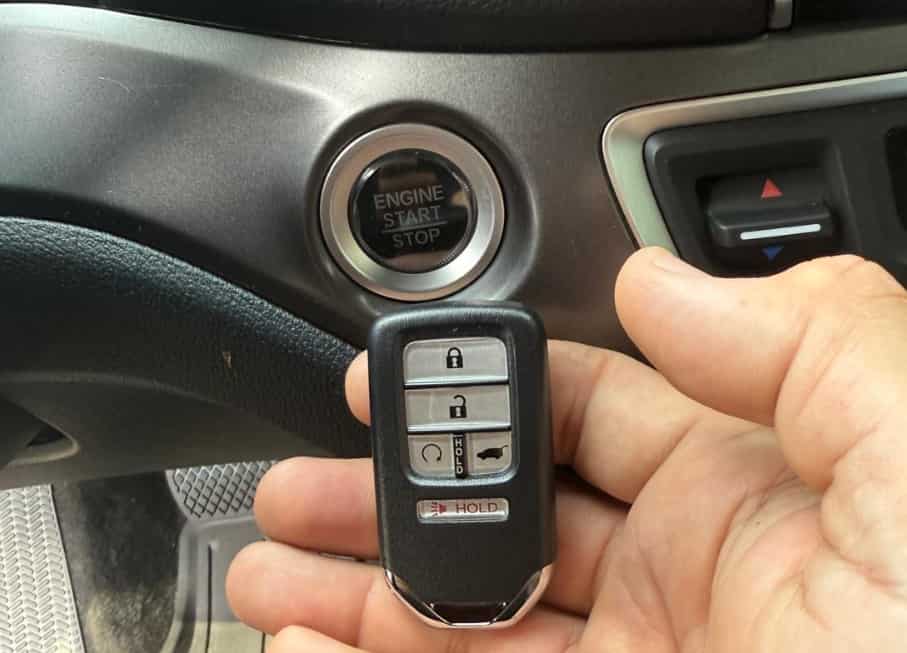
What Does a Honda CR V Intermittent Starting Problem Mean?
A Honda CR V intermittent starting problem describes a condition in which the vehicle fails to start consistently even though it may operate normally at other times. Unlike a permanent starting failure, this issue appears without a predictable pattern, making it one of the most challenging problems for vehicle owners and technicians alike. The engine may start immediately several times in a row and then suddenly refuse to respond minutes or days later. Because the failure is inconsistent, identifying the root cause requires careful observation of what happens each time the driver attempts to start the vehicle.
The first step in diagnosing any intermittent starting issue is determining exactly how the vehicle behaves. Every symptom points toward a different system, which helps narrow the list of possible causes before any parts are tested or replaced.
Intermittent No Crank Condition
An intermittent no crank condition occurs when the driver turns the key or presses the Start button, but the engine does not rotate. In many cases, the dashboard lights, infotainment system, and climate controls continue to function normally, creating the impression that the battery is healthy. However, the starter motor never engages, and the engine remains completely still.
This type of failure often indicates a problem within the electrical starting circuit rather than the engine itself. A weak battery, corroded battery terminals, a failing starter motor, a defective starter relay, a worn ignition switch, or a faulty brake pedal switch on push button models can all interrupt the electrical signal needed to activate the starter. In some situations, the vehicle may start successfully after several attempts because the failing component temporarily regains electrical contact.
Drivers should also pay attention to any sounds during a no crank event. A single click, repeated clicking, or complete silence can each provide valuable clues that significantly reduce diagnostic time.
Intermittent Crank but No Start Condition
In this situation, the starter motor rotates the engine normally, but combustion never begins. The engine appears ready to start, yet it continues cranking without firing. After waiting a few minutes, the vehicle may suddenly start as if nothing happened.
This symptom usually shifts the focus away from the starter system and toward fuel delivery, ignition, engine timing, or electronic engine management. An aging fuel pump, a failing crankshaft position sensor, an intermittent camshaft position sensor, or an immobilizer communication issue can all prevent the engine control module from allowing the engine to run. Because these components may fail only under certain temperatures or operating conditions, the problem often disappears before diagnostic testing begins.
Monitoring whether the engine cranks at normal speed is important because a healthy cranking speed confirms that the battery and starter are likely performing their primary functions.
Delayed or Weak Starting
Some Honda CR V owners notice that the engine eventually starts, but only after cranking longer than usual or making multiple attempts. The vehicle may hesitate for several seconds before firing, especially after sitting overnight or during cold weather. Although the engine ultimately starts, this delayed response often indicates that one or more components are beginning to deteriorate.
A battery with reduced capacity, loose battery connections, excessive resistance in the starter circuit, declining fuel pressure, or worn starter contacts can all contribute to extended cranking times. As these components continue to wear, the intervals between successful starts typically become shorter, and the problem gradually progresses into a complete starting failure if left unaddressed.
Addressing delayed starting early is often less expensive than waiting until the affected component fails completely.
Starting Problems After the Engine Is Warm
Some intermittent starting problems appear only after the vehicle has been driven and the engine reaches normal operating temperature. The Honda CR V may start normally when cold, complete an entire trip without difficulty, and then refuse to restart after a brief stop for fuel or shopping. Once the engine cools down, it starts normally again.
Heat related failures commonly affect electrical components whose internal resistance increases with temperature. A worn starter motor, a deteriorating starter solenoid, a failing crankshaft position sensor, or an aging fuel pump may function correctly while cold but become unreliable after prolonged exposure to engine heat. Electrical connectors with loose terminals can also expand slightly as temperatures rise, creating intermittent interruptions that disappear after cooling.
Recognizing whether the problem occurs only with a cold engine, only with a warm engine, or under all conditions provides valuable diagnostic information. This simple observation often eliminates several possible causes before any advanced testing begins, saving both time and repair costs.
Common Symptoms of a Honda CR V Intermittent Starting Problem
Recognizing the symptoms of a Honda CR V intermittent starting problem is one of the fastest ways to narrow down the possible causes. Although the vehicle may fail to start in different ways, every symptom provides important clues about which system is no longer working consistently. Paying close attention to sounds, dashboard behavior, and engine response can prevent unnecessary repairs and significantly reduce diagnostic time.
Many drivers assume that every starting problem is caused by a weak battery. While the battery is certainly a common culprit, intermittent failures can also originate from the starter motor, ignition system, fuel delivery system, electronic sensors, or even the vehicle’s security system. Understanding the differences between these symptoms helps identify the affected component before replacing expensive parts.
A Single Click When Starting
Hearing a single click after turning the key or pressing the Start button usually indicates that the starter solenoid receives an electrical signal but cannot engage the starter motor properly. In some cases, the engine may start normally after several attempts, making the problem appear random even though the underlying fault continues to worsen.
A worn starter motor is one of the most common causes of this symptom. However, insufficient battery voltage, loose battery terminals, corroded electrical connections, or excessive resistance within the starter circuit can produce nearly identical behavior. As electrical components age, internal contacts wear down and may only function when they happen to make proper contact.
If the single click becomes more frequent, the vehicle should be inspected promptly because complete starter failure often follows without much warning.
Rapid Clicking From the Engine Bay
Rapid clicking usually indicates that the starter relay repeatedly engages and disengages because the battery cannot supply enough stable voltage. The starter attempts to operate, but the available electrical power drops below the required level each time the circuit closes. This cycle repeats several times within seconds, producing the familiar clicking sound.
Although a discharged battery is the most common explanation, other conditions can create the same symptom. Corroded battery terminals, damaged battery cables, poor engine ground connections, or excessive voltage loss within the electrical system may prevent the starter from receiving adequate current. Therefore, measuring battery voltage alone is not enough. A proper load test and voltage drop test provide a much more accurate assessment of the entire starting circuit.
Ignoring rapid clicking often leads to complete no start conditions because the electrical system continues to deteriorate over time.
Dashboard Lights Turn On but the Engine Does Not Crank
One of the most confusing situations occurs when every accessory appears to function normally, yet the engine does not crank at all. The headlights, dashboard display, and infotainment system may operate without any noticeable issues, giving the impression that the battery is healthy. Despite this, pressing the Start button or turning the ignition key produces little or no response from the engine.
This symptom often points toward a problem within the starter activation circuit. A failing starter relay, defective ignition switch, worn starter motor, faulty brake pedal switch, damaged wiring, or an issue with the transmission range sensor may interrupt the signal needed to activate the starter. On push button models, the vehicle may also refuse to crank if it cannot confirm that the brake pedal is fully depressed or if the key fob is not recognized correctly.
Because several electrical components interact during the starting process, professional diagnosis usually focuses on tracing voltage through the starter circuit rather than replacing individual parts based on guesswork.
The Engine Cranks but Does Not Start
If the starter motor rotates the engine normally but combustion never begins, the problem shifts away from the starter system and toward engine management. This symptom generally indicates that the engine is missing fuel, ignition spark, accurate sensor input, or proper immobilizer authorization.
An aging fuel pump may fail to maintain adequate fuel pressure, especially after the engine has warmed up. Likewise, an intermittent crankshaft position sensor can stop sending engine speed information to the engine control module, preventing ignition timing and fuel injection from operating correctly. In some cases, a malfunctioning immobilizer system blocks engine starting even though every mechanical component appears to function normally.
Drivers often notice that the engine starts successfully after waiting several minutes. This temporary recovery is common when electronic components begin failing due to heat or internal electrical resistance.
The Vehicle Starts After Several Attempts
Some Honda CR V owners experience a situation where the vehicle eventually starts after pressing the Start button multiple times or turning the key repeatedly. Although the engine finally runs, this behavior should never be considered normal because it usually indicates an intermittent failure that will continue to progress.
Starter contacts that have become worn over thousands of starting cycles may occasionally complete the electrical circuit after several attempts. Similarly, a weak relay, loose battery connection, failing ignition switch, or inconsistent key recognition system can operate unpredictably before failing completely. Each successful restart simply delays the inevitable repair rather than resolving the underlying problem.
Addressing this symptom early often prevents unexpected breakdowns and reduces the likelihood of additional damage to related electrical components.
The Problem Appears Only in Cold or Hot Weather
Environmental temperature often plays a significant role in intermittent starting problems. Some vehicles struggle only during cold mornings, while others refuse to restart after reaching normal operating temperature. Observing this pattern provides valuable diagnostic information because many components react differently as temperatures change.
Cold weather reduces battery performance and increases the amount of current required to crank the engine. Even a battery that performs adequately during warm conditions may struggle when temperatures fall. On the other hand, excessive engine heat can expose weaknesses within the starter motor, starter solenoid, crankshaft position sensor, fuel pump, or electrical connectors. These components may function normally while cool but become unreliable after absorbing heat from the engine compartment.
Recording when the problem occurs, including outside temperature, engine temperature, and driving conditions, can greatly improve diagnostic accuracy. This information helps technicians reproduce the fault more efficiently and identify the failing component without unnecessary part replacement.
Most Common Causes of Honda CR V Intermittent Starting Problems
Finding the exact cause of a Honda CR V intermittent starting problem is often more difficult than diagnosing a vehicle that never starts at all. Because the failure appears only under certain conditions, many components may test normally while the vehicle is operating correctly. For this reason, technicians focus on identifying patterns rather than replacing parts based on assumptions. Understanding how each component contributes to the starting process makes it much easier to isolate the real source of the problem.
Although dozens of faults can interfere with engine starting, several components account for the majority of intermittent failures reported by Honda CR V owners. These problems usually begin gradually before becoming more frequent over time.
Weak or Failing 12 Volt Battery
The battery is the foundation of the entire starting system. Even though modern Honda CR V models use sophisticated electronic control modules, every starting sequence still depends on a stable supply of electrical power. When battery performance begins to decline, intermittent starting problems often become the first noticeable symptom.
Battery deterioration rarely happens overnight. Instead, the battery gradually loses its ability to deliver sufficient current, especially during cold weather or after sitting unused for several hours. A battery may still have enough voltage to illuminate the dashboard and power electronic accessories while lacking the current required to operate the starter motor.
Battery age is another important consideration. Most automotive batteries provide reliable service for three to five years under normal driving conditions. After this period, internal chemical degradation reduces capacity even if the battery appears normal during a basic voltage check.
Parasitic electrical drain can also create intermittent starting issues. An accessory that continues drawing power after the vehicle is turned off slowly discharges the battery overnight. As a result, the Honda CR V may struggle to start in the morning but operate normally after the alternator recharges the battery during driving.
A professional load test is far more reliable than measuring battery voltage alone because it evaluates how the battery performs under actual starting conditions. This test often reveals weaknesses that a simple voltmeter cannot detect.
Loose or Corroded Battery Terminals
A healthy battery cannot perform properly if electrical current cannot flow efficiently through its connections. Corrosion and loose battery terminals are among the simplest yet most frequently overlooked causes of intermittent starting problems.
Over time, moisture, vibration, and chemical reactions create corrosion around the battery posts. White, blue, or green deposits increase electrical resistance, reducing the amount of current reaching the starter motor. Initially, the vehicle may fail to start only occasionally. However, as corrosion becomes more severe, the problem gradually becomes more frequent.
Loose battery clamps create similar symptoms. Even slight movement between the terminal and battery post can interrupt electrical flow during engine cranking. Because the connection may shift as the vehicle vibrates, the Honda CR V might start perfectly several times before suddenly refusing to crank.
Routine inspection of battery terminals should always include checking for corrosion, damaged cables, loose clamps, and signs of overheating. Cleaning the terminals and ensuring a secure connection often restores reliable starting performance without replacing any components.
Faulty Starter Motor or Starter Solenoid
The starter motor is responsible for rotating the engine until combustion begins. Since it operates every time the vehicle starts, internal wear gradually develops after thousands of starting cycles. Eventually, this wear can produce intermittent failures that become increasingly difficult to ignore.
One common symptom is hearing a single click without engine rotation. This usually indicates that the starter solenoid receives power but cannot engage the motor properly. Worn electrical contacts inside the starter may occasionally complete the circuit, allowing the engine to start after several attempts.
Heat related starter failure is another common issue. After driving for an extended period, internal electrical resistance increases as temperatures rise. Consequently, the starter may refuse to operate while the engine remains hot but function normally once everything cools down.
Some drivers report temporary success after lightly tapping the starter housing. While this may briefly restore electrical contact inside a worn starter, it should never be considered a permanent repair. Once internal components begin wearing out, replacement is typically the most reliable solution.
Defective Starter Relay or Fuse
The starter relay acts as an electrical switch that transfers power from the battery to the starter motor. Although the relay itself is relatively small and inexpensive, its failure can completely interrupt the starting process.
Relay contacts gradually wear after repeated operation. In the early stages of failure, the contacts may occasionally close correctly, causing the vehicle to start normally. At other times, the electrical connection remains incomplete, preventing the starter from receiving sufficient current.
Because starter relays often share the same design as other relays inside the fuse box, technicians sometimes perform a relay swap using another identical relay for diagnostic purposes. If the problem disappears after the swap, the original relay is likely defective.
Fuse inspection is equally important. Although blown starter fuses are less common than relay failures, loose fuse connections or damaged fuse terminals can also create intermittent electrical interruptions.
Worn Ignition Switch
On Honda CR V models equipped with a traditional key ignition system, the ignition switch controls multiple electrical circuits that become active during engine starting. Years of repeated use gradually wear the internal contacts, reducing their ability to deliver consistent electrical power.
Drivers may notice that the engine starts only after turning the key several times or applying slight pressure while rotating the ignition cylinder. Initially, these symptoms occur infrequently. Eventually, however, the ignition switch may fail to complete the starting circuit altogether.
Push button start systems use a different design, but they still rely on electronic switches and communication between multiple control modules. Although the components differ, intermittent electrical failures within the starting control system can produce nearly identical symptoms.
Because ignition switch problems closely resemble starter or battery failures, proper electrical testing is essential before replacing any components.
Additional Causes of Honda CR V Intermittent Starting Problems
Although battery and starter issues are responsible for many cases, several other components can also cause a Honda CR V intermittent starting problem. Because the starting system relies on multiple electrical and mechanical parts working together, even a single faulty component can interrupt the process and make the problem appear random.
A defective brake pedal switch may prevent push button start models from recognizing that the brake pedal is pressed, while a worn park neutral safety switch can stop the engine from cranking even when the transmission is in Park. Likewise, a weak key fob battery or communication problem between the smart key and the vehicle may cause inconsistent starting until the key is detected correctly.
Fuel and engine management components also play an important role. A failing fuel pump may lose pressure after the engine warms up, causing the engine to crank without starting. Similarly, a faulty crankshaft position sensor or camshaft position sensor can interrupt ignition timing and fuel injection, making the engine difficult or impossible to start under certain conditions.
Electrical issues should not be overlooked. Corroded ground connections, damaged wiring, or loose connectors can create intermittent power loss that is difficult to reproduce during routine inspections. In addition, an alternator that cannot fully recharge the battery may gradually reduce available starting power, especially after several short trips.
Although uncommon, engine control module faults can also interfere with the starting sequence. However, this possibility should only be considered after the battery, starter, sensors, wiring, and charging system have been thoroughly tested because electronic control module replacement is both expensive and requires programming.
How to Diagnose a Honda CR V Intermittent Starting Problem
Diagnosing a Honda CR V intermittent starting problem requires a systematic approach because the failure may not occur every time the engine is started. Instead of replacing parts based on assumptions, begin by observing exactly what happens during each failed starting attempt. Determine whether the engine does not crank at all, cranks slowly, or cranks normally without starting. This information significantly narrows the list of possible causes.
Next, inspect the battery and its connections. Check for corrosion, loose terminals, or damaged cables that could interrupt electrical current. Even if the battery appears to have sufficient voltage, a professional load test is recommended because voltage alone cannot accurately measure the battery’s ability to deliver starting power.
If the battery passes inspection, continue by testing the starter system. Listen for clicking sounds, monitor starter operation, and verify that the starter relay is functioning correctly. Vehicles equipped with a push button start system should also have the brake pedal switch and key fob battery inspected to ensure the required starting signals are reaching the control module.
When the engine cranks but does not start, diagnostic attention should shift to the fuel and ignition systems. Measuring fuel pressure, scanning for diagnostic trouble codes, and monitoring live sensor data can quickly identify problems with the fuel pump, crankshaft position sensor, camshaft position sensor, or immobilizer system. Finally, inspect wiring, ground connections, and charging system performance to eliminate hidden electrical faults. Following this step by step process improves diagnostic accuracy, reduces unnecessary repairs, and helps identify the true cause of the intermittent starting problem more efficiently.
Proven Fixes for a Honda CR V Intermittent Starting Problem
Once the root cause has been identified, the appropriate repair becomes much more straightforward. Replacing parts without proper diagnosis often increases repair costs and may fail to resolve the Honda CR V intermittent starting problem. For this reason, every repair should be based on confirmed test results rather than symptoms alone.
If the battery fails a load test or no longer holds a full charge, replacing it is the most effective solution. Battery terminals and cables should also be cleaned and tightened to ensure a reliable electrical connection. In many cases, removing corrosion from the battery posts restores normal starting performance without additional repairs.
When testing confirms a worn starter motor or defective starter relay, replacing the faulty component usually eliminates intermittent no crank conditions. Likewise, a damaged ignition switch, brake pedal switch, or park neutral safety switch should be replaced if it fails to send a consistent starting signal.
Vehicles that crank but do not start may require a new fuel pump, crankshaft position sensor, or camshaft position sensor, depending on the diagnostic results. If the issue is related to the smart key system, replacing the key fob battery or repairing the immobilizer communication can restore reliable operation.
Finally, inspect and repair damaged wiring, loose ground connections, or charging system problems that may reduce electrical performance. After completing the repair, test the vehicle through multiple cold and warm starts to confirm that the intermittent starting problem has been fully resolved and does not return under different operating conditions.
How Much Does It Cost to Fix a Honda CR V Intermittent Starting Problem?
The cost of repairing a Honda CR V intermittent starting problem depends entirely on the component causing the failure. Some repairs are inexpensive and require only a few minutes, while others involve replacing major electrical or fuel system components. An accurate diagnosis before replacing parts is the best way to avoid unnecessary expenses.
A battery replacement is typically one of the most affordable repairs, especially if the existing battery has reached the end of its service life. Cleaning corroded battery terminals or tightening loose electrical connections may cost very little and can sometimes solve the problem without replacing any parts.
Starter related repairs generally cost more because they involve both parts and labor. Replacing a starter motor, starter relay, or ignition switch is a common solution when the engine fails to crank consistently. If diagnostic testing identifies a faulty fuel pump, crankshaft position sensor, or camshaft position sensor, repair costs will vary depending on the model year and the complexity of the installation.
Electrical faults such as damaged wiring or poor ground connections can be more difficult to estimate because technicians must first locate the exact source of the problem. Although engine control module failures are uncommon, they are usually among the most expensive repairs due to programming requirements after installation.
Investing in a professional diagnosis before authorizing repairs can save both time and money. Identifying the correct fault the first time reduces the risk of replacing working components and helps restore reliable starting performance as quickly as possible.
Can You Drive a Honda CR V With an Intermittent Starting Problem?
Although a Honda CR V intermittent starting problem may seem like a minor inconvenience at first, it should never be ignored. A vehicle that starts inconsistently today can fail to start completely without warning, leaving you stranded at home, in a parking lot, or far from assistance. Because intermittent faults often become more frequent over time, addressing the issue early is the safest and most cost effective approach.
If the engine runs smoothly after starting and no warning lights appear, short trips may still be possible. However, every time the engine is turned off, there is a risk that it may not restart. This can become especially problematic during long journeys, extreme weather conditions, or emergency situations where reliable transportation is essential.
In some cases, the underlying cause may involve a weak battery or failing alternator. Continuing to drive under these conditions can place additional stress on the charging system and eventually result in a complete electrical failure. Likewise, a worn starter motor, failing fuel pump, or malfunctioning crankshaft position sensor may deteriorate further and increase the likelihood of an unexpected breakdown.
The safest solution is to diagnose and repair the problem as soon as possible. Prompt maintenance not only improves vehicle reliability but also helps prevent secondary damage to related components. By resolving the issue early, Honda CR V owners can avoid higher repair costs and restore confidence that the vehicle will start consistently whenever it is needed.
How to Prevent Honda CR V Intermittent Starting Problems
Preventive maintenance is the most effective way to reduce the risk of a Honda CR V intermittent starting problem. Although some components naturally wear out over time, regular inspections and timely repairs can identify potential issues before they develop into unexpected starting failures.
Begin by checking the battery at least once a year, especially if it is more than three years old. A professional battery test can reveal declining performance long before the battery fails completely. Keeping the battery terminals clean and ensuring all cable connections remain tight also helps maintain a reliable electrical supply to the starter system.
The charging system should be inspected during routine maintenance to confirm that the alternator is producing the correct output voltage. In addition, pay attention to any changes in starting behavior, such as slower cranking, occasional clicking sounds, or longer starting times. These early warning signs often indicate that a component is beginning to fail and should be investigated before it causes a complete no start condition.
Following the recommended maintenance schedule is equally important. Replacing worn ignition components, inspecting wiring and ground connections, and addressing diagnostic trouble codes as soon as they appear can prevent small electrical problems from becoming major repairs. Drivers of push button start models should also replace the key fob battery periodically to maintain reliable communication with the vehicle.
Finally, avoid ignoring intermittent symptoms simply because the vehicle starts normally the next day. Addressing the problem at the earliest stage not only improves reliability but also reduces repair costs and helps ensure that your Honda CR V starts consistently in every driving condition.
Frequently Asked Questions
Why does my Honda CR V start sometimes but not others?
The most common causes include a weak battery, a failing starter motor, corroded battery terminals, a faulty starter relay, or an intermittent crankshaft position sensor. A professional diagnosis is recommended because several different components can produce similar symptoms.
Can a weak battery cause intermittent starting problems?
Yes. A battery may have enough power to operate lights and accessories but still lack the current required to crank the engine. A load test is the most reliable way to determine whether the battery is still in good condition.
Can a bad starter work intermittently?
Yes. Worn starter contacts or an aging starter solenoid may work occasionally before failing completely. This often causes the engine to start after several attempts or only under certain conditions.
Why does my Honda CR V only have trouble starting when the engine is hot?
Heat can affect components such as the starter motor, fuel pump, and crankshaft position sensor. As temperatures increase, these parts may stop functioning correctly and return to normal after cooling down.
Should I continue driving with an intermittent starting problem?
Although the vehicle may still operate normally after it starts, there is always a risk that it will not restart after being turned off. Diagnosing and repairing the problem as soon as possible is the safest way to avoid unexpected breakdowns.
Conclusion
A Honda CR V intermittent starting problem can be frustrating because the symptoms often appear without warning and disappear before the vehicle reaches a repair shop. However, intermittent failures usually leave valuable clues that can help identify the underlying cause. Paying attention to whether the engine fails to crank, cranks slowly, or cranks without starting provides important information that simplifies the diagnostic process.
Most starting problems are related to the battery, starter motor, electrical connections, or charging system. However, components such as the fuel pump, crankshaft position sensor, immobilizer system, and ignition controls can also contribute to inconsistent starting performance. Rather than replacing parts based on guesswork, following a structured diagnostic process ensures that the correct repair is made the first time.
Regular maintenance, routine battery testing, and prompt attention to early warning signs can significantly reduce the likelihood of future starting problems. By addressing small issues before they become major failures, you can improve vehicle reliability, avoid unnecessary repair costs, and ensure that your Honda CR V starts confidently whenever you need it.