When a vehicle begins to overheat unexpectedly or the temperature gauge behaves inconsistently, many drivers immediately think about major engine failure. In reality, one of the most common and often overlooked causes is a faulty thermostat inside the engine cooling system. For owners of the Hyundai Sonata, this small component plays a critical role in regulating engine temperature and maintaining optimal performance under all driving conditions.
The thermostat in a Hyundai Sonata controls the flow of coolant between the engine and the radiator. When it works properly, it opens and closes at precise temperature thresholds to keep the engine within a safe operating range. However, when it becomes stuck or begins to fail, it can lead to serious issues such as overheating, reduced fuel efficiency, or even long-term engine damage. This is why understanding Hyundai Sonata Thermostat Replacement is essential for both maintenance planning and cost control.
In this guide, we will explore everything you need to know about Hyundai Sonata Thermostat Replacement Cost, Symptoms, and Step-by-Step Repair Guide. You will learn how to identify early warning signs, understand the real cost of replacement including parts and labor, and follow a structured repair process that can help you decide whether to perform a DIY fix or visit a professional mechanic.
By the end of this article, you will have a complete understanding of how the thermostat affects the Hyundai Sonata engine cooling system, what happens when it fails, and how to handle replacement in the most efficient and cost-effective way possible.
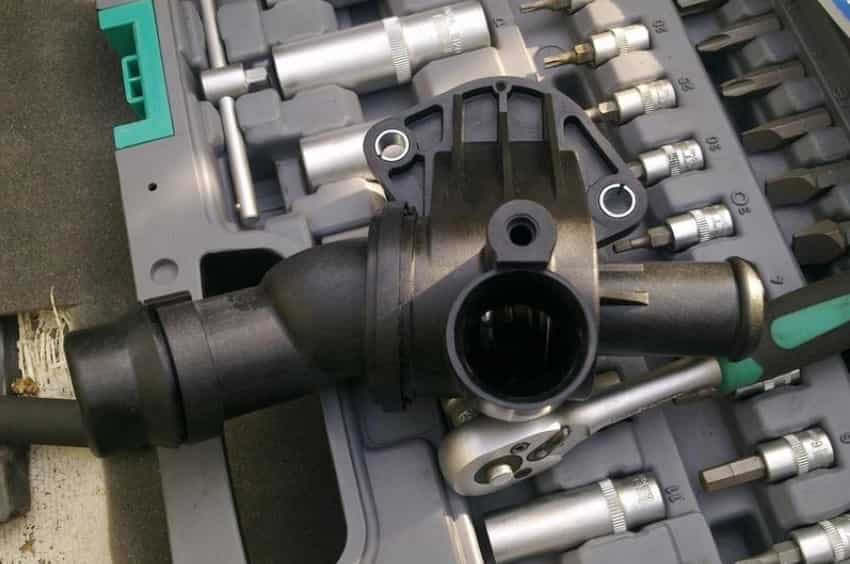
Symptoms of a Bad Thermostat in Hyundai Sonata
When the thermostat in a Hyundai Sonata begins to fail, the symptoms are usually related to unstable engine temperature control. Because this component directly regulates coolant flow in the engine cooling system, even a small malfunction can quickly affect overall performance and drivability.
One of the most common symptoms is engine overheating. When the thermostat gets stuck in a closed position, coolant cannot circulate properly to the radiator, causing the engine temperature to rise rapidly. In some cases, the temperature gauge on the dashboard will move into the red zone within a short driving period, especially in traffic or hot weather conditions.
Another warning sign is an engine that takes too long to warm up. If the thermostat is stuck open, coolant flows continuously through the system, preventing the engine from reaching its optimal operating temperature. This can lead to poor fuel efficiency, weak heater performance inside the cabin, and increased engine wear over time.
Drivers may also notice inconsistent temperature readings. The gauge may fluctuate unexpectedly, rising and falling without a clear pattern. This instability often indicates that the thermostat is no longer responding accurately to temperature changes in the coolant system.
In some cases, a failing thermostat can trigger a check engine light. This happens when the engine control unit detects abnormal temperature behavior or inefficient combustion conditions caused by improper thermal regulation.
Other symptoms include reduced heater performance, coolant leakage around the thermostat housing, and unusual pressure changes within the cooling system. While these signs may seem minor at first, they often indicate that a Hyundai Sonata Thermostat Replacement is necessary to prevent more serious engine damage.
Hyundai Sonata Thermostat Replacement Cost Breakdown in 2026
Understanding the real cost of Hyundai Sonata Thermostat Replacement is important because the total expense depends on parts, labor, and the condition of the engine cooling system. The thermostat itself is usually a small and affordable component, but the final repair cost can still vary quite a lot.
For parts cost, a thermostat for a Hyundai Sonata typically comes in two main options. Aftermarket parts are cheaper and easy to find. They can work well, but quality depends on the brand. OEM thermostats designed for Hyundai Sonata cost more, but they usually offer better durability and more stable temperature control.
Labor cost often makes up the larger part of the total price if you go to a workshop. A mechanic must drain the coolant, remove the thermostat housing, replace the part, and refill the system correctly. This process takes time and careful handling. Dealerships usually charge more, while independent garages offer lower rates.
On average, the total Hyundai Sonata Thermostat Replacement Cost stays in a moderate range compared to other cooling system repairs. However, the price can increase if the mechanic finds related issues such as old coolant, radiator problems, or a weak water pump.
If you choose DIY replacement, you can reduce the cost significantly. You mainly pay for the thermostat, gasket, and coolant. However, you must work carefully. Air trapped inside the cooling system can cause overheating even after a correct installation.
Overall, this repair is not expensive if you handle it early. Delaying the repair can lead to engine overheating and much higher repair bills.
Step by Step Hyundai Sonata Thermostat Replacement Guide
Replacing the thermostat on a Hyundai Sonata requires careful work because it is directly connected to the engine cooling system. If you follow the correct process, you can complete the job safely and avoid overheating issues after installation.
Before starting, make sure the engine is completely cool. Never open the cooling system when the engine is hot because the pressure inside can cause serious injury. Park the vehicle on a flat surface and prepare a drain pan for coolant removal.
The first step is to drain the coolant from the radiator. Open the drain valve and allow the coolant to flow out completely. This prevents spillage when you remove the thermostat housing later.
Next, locate the thermostat housing on the engine. On most versions of Hyundai Sonata, it is connected to the upper radiator hose. Remove the hose clamp and carefully detach the hose from the housing.
After that, remove the bolts securing the thermostat housing. Take note of their position so you can reinstall them correctly. Once the housing is removed, you will see the thermostat inside. Remove the old thermostat and inspect the sealing surface for dirt or corrosion.
Install the new thermostat in the correct orientation. Make sure the gasket is properly seated to prevent coolant leaks. Reattach the housing and tighten the bolts evenly. Do not overtighten because it can damage the housing or gasket.
Reconnect the radiator hose and secure the clamp firmly. After everything is assembled, refill the cooling system with fresh coolant. Start the engine and let it idle. Check for leaks and monitor the temperature gauge closely.
Finally, bleed the air from the system. Air pockets can cause overheating even after a correct installation, so this step is very important for stable engine performance.
Risks and Common Mistakes During Hyundai Sonata Thermostat Replacement
Even though Hyundai Sonata Thermostat Replacement is a relatively straightforward repair, small mistakes can lead to serious engine problems. Most issues come from incorrect installation or incomplete cooling system handling, especially when air remains trapped inside the system.
One of the biggest risks is engine overheating after installation. This usually happens when the thermostat is installed in the wrong orientation or when the cooling system is not fully bled. If air pockets remain inside, coolant cannot circulate properly and engine temperature can rise quickly even with a new thermostat installed.
Another common mistake is reusing an old gasket or installing a poor quality seal. A weak gasket can cause coolant leakage around the thermostat housing. Even a small leak can reduce system pressure and affect cooling performance over time.
Some users also overtighten the housing bolts. This can crack the housing or damage the sealing surface. Once this happens, coolant leakage becomes unavoidable and the entire unit may need replacement again.
Using incorrect coolant is another frequent issue. The engine cooling system in Hyundai Sonata requires the right coolant type to maintain proper temperature balance and corrosion protection. Mixing different coolant types can reduce efficiency and damage internal components.
A more serious risk appears when the actual problem is not the thermostat. If the water pump or radiator is already failing, replacing the thermostat alone will not solve overheating issues. In this case, the engine may continue to overheat even after a successful installation.
Finally, skipping a proper system check after installation is a major mistake. The engine should be tested at idle and under light load to confirm stable temperature behavior and ensure there are no leaks or pressure issues.
Conclusion
Hyundai Sonata Thermostat Replacement is a small repair that plays a very important role in protecting the entire engine cooling system. Although the thermostat is not an expensive part, its failure can quickly lead to overheating, poor engine performance, and in severe cases, long term engine damage.
In most situations, the warning signs appear early. Drivers may notice rising engine temperature, unstable gauge readings, weak heater performance, or slow engine warm up. These symptoms should not be ignored because they often indicate that the thermostat is no longer regulating coolant flow correctly inside Hyundai Sonata.
The overall replacement cost is usually reasonable, especially if the issue is detected early. Choosing between OEM and aftermarket parts, along with labor costs, will determine the final price. A proper repair also requires attention to detail during installation, especially when bleeding air from the cooling system.
What makes this repair important is not only cost savings but also engine protection. A properly working thermostat helps maintain stable engine temperature, improves fuel efficiency, and prevents unnecessary strain on other components like the radiator and water pump.
If you understand the symptoms, act early, and follow the correct replacement process, you can avoid most serious engine problems. Whether you choose DIY repair or professional service, the key is ensuring the cooling system is restored to stable and reliable operation.