Hyundai Oil Consumption Problems have become one of the most discussed concerns among car owners in recent years, especially for drivers of models equipped with GDI and Theta engines. Many users report that engine oil levels drop faster than expected, even without visible leaks or obvious external issues. This situation often creates confusion, frustration, and concern about whether the engine is functioning normally or showing early signs of mechanical failure.
In real-world driving conditions, oil consumption is sometimes considered normal within a small range. However, when the oil level decreases rapidly between oil changes, it may indicate deeper issues inside the engine system. These issues can affect performance, fuel efficiency, and long-term reliability. Drivers may also notice symptoms such as engine noise, reduced acceleration, or even warning lights appearing on the dashboard.
This article explains Hyundai Oil Consumption Problems in a clear and structured way, focusing on the main causes, warning symptoms, affected engines and models, and practical repair solutions. The goal is to help car owners understand what is happening inside the engine and how to respond effectively before the problem becomes more serious.
By the end of this guide, you will have a complete overview of Hyundai Oil Consumption Problems and know when it is necessary to seek professional inspection or repair.
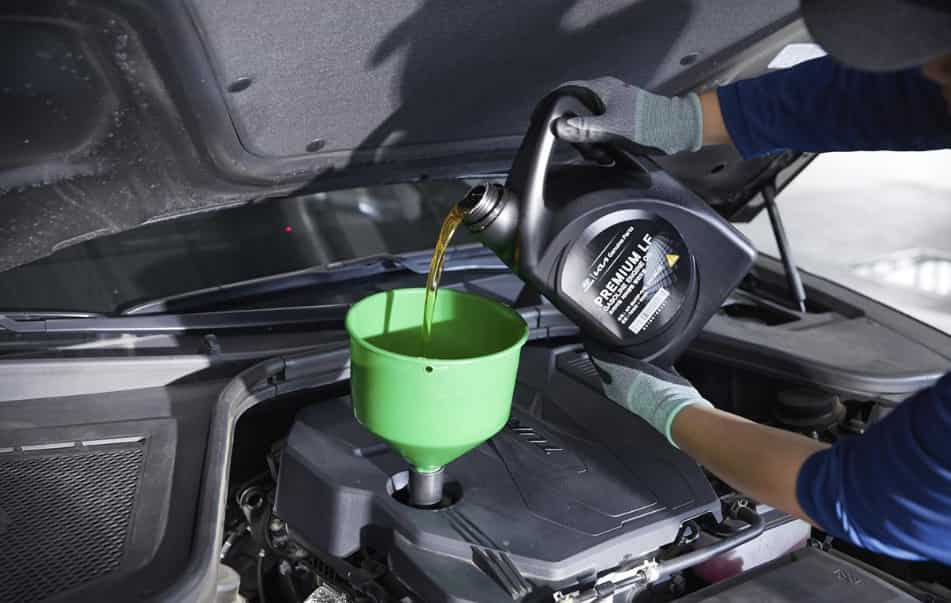
Causes of Hyundai Oil Consumption
Hyundai Oil Consumption Problems often come from a mix of engine wear, design limits, and carbon buildup inside the combustion system. Each cause affects the engine in a different way, so understanding them helps identify the right solution.
One of the main causes is piston ring wear. When piston rings wear down, they lose sealing strength. Engine oil can then enter the combustion chamber and burn with fuel. This leads to steady oil loss without any external leak. Over time, this also reduces engine compression and performance.
Carbon buildup in GDI engines is another common factor. Gasoline Direct Injection systems run at high pressure. They tend to create carbon deposits on intake valves and combustion areas. These deposits restrict airflow and disrupt proper oil control. As a result, oil consumption increases and engine efficiency drops.
Valve seal damage also contributes to the problem. Worn or hardened valve seals allow oil to leak into the cylinders. This can happen during engine operation or after the engine is turned off. Drivers often notice it during cold starts or after long parking periods.
Incorrect oil viscosity can make the situation worse. If the oil is too thin, it flows more easily into areas where it should not go. Long oil change intervals also increase wear because the engine runs with degraded lubrication for too long.
Some Hyundai engines, especially certain Theta engine variants, show higher oil consumption due to long-term durability limits under heat and pressure stress. This issue becomes more visible as the engine mileage increases.
These causes often work together. That is why Hyundai Oil Consumption Problems can differ widely between vehicles, driving styles, and maintenance history.
Symptoms of Excessive Oil Consumption
Hyundai Oil Consumption Problems often show clear warning signs before the issue becomes severe. Recognizing these symptoms early helps prevent costly engine damage and improves long-term reliability.
One of the most common signs is a consistently low engine oil level. Drivers may notice that the oil dipstick shows a drop in oil even shortly after an oil change. This usually happens without any visible oil leak under the vehicle.
Another important symptom is blue or gray smoke coming from the exhaust. This smoke appears when engine oil burns inside the combustion chamber. It is often more noticeable during acceleration or cold starts.
Engine knocking or unusual noise can also indicate oil-related issues. When oil levels drop, engine parts lose proper lubrication. This increases friction and creates knocking or ticking sounds, especially during startup or heavy acceleration.
Reduced fuel efficiency is another indirect symptom. When the engine does not operate efficiently due to poor lubrication or carbon buildup, it requires more fuel to produce the same power output. Drivers may notice more frequent visits to the fuel station.
In some cases, the check engine light may appear on the dashboard. While this warning light can be triggered by many issues, it may also relate to abnormal combustion or sensor readings caused by oil burning.
Finally, drivers may feel a gradual loss of engine performance. The car may accelerate more slowly or feel less responsive compared to normal driving conditions.
These symptoms often appear gradually. That is why regular oil checks and maintenance are essential for detecting Hyundai Oil Consumption Problems early before they develop into serious engine damage.
Affected Hyundai Engines and Models
Hyundai Oil Consumption Problems do not affect only one engine type. Drivers most often report the issue in specific engine families and vehicle models. Knowing these engines helps owners identify risks early and take preventive action.
One of the most commonly discussed engine families is the Theta engine, especially the Theta II variants. Hyundai used these engines widely in mid size sedans and SUVs. Over time, many drivers have reported higher oil consumption in these engines, particularly at high mileage or under heavy driving conditions.
Hyundai GDI engines also play a major role in this issue. Gasoline Direct Injection systems improve fuel efficiency and performance. However, they also create more carbon buildup inside the intake system. This buildup affects airflow and reduces oil control, which increases oil consumption over time.
Several Hyundai models show frequent reports of oil consumption issues. The Hyundai Sonata stands out because it uses Theta engines in many versions. The Hyundai Santa Fe also appears often in owner reports, especially in older model years. The Hyundai Elantra shows similar complaints in certain engine configurations. In the SUV segment, the Hyundai Tucson also shows oil consumption symptoms in some variants.
Not every vehicle in these model lines develops the problem. Maintenance history, driving habits, and production year strongly influence engine condition. Vehicles that receive regular oil changes and proper servicing tend to maintain better engine health, even with the same engine type.
These affected engines and models show that Hyundai Oil Consumption Problems do not come from a single cause. Instead, engine design, usage environment, and long term wear all combine to influence how the problem develops.
Hyundai Oil Consumption Repair Solutions
Hyundai Oil Consumption Problems require a structured approach to repair because the root cause can vary between vehicles. A proper diagnosis always comes first before any repair decision is made.
One of the most effective solutions is piston ring replacement or engine rebuild. When piston rings lose sealing ability, oil enters the combustion chamber and burns during operation. A mechanic may need to open the engine and replace worn components to restore proper compression and reduce oil loss.
In more severe cases, engine replacement becomes necessary. This option usually applies when internal damage is extensive or when repair costs approach the value of a rebuilt engine. A replacement engine can restore full performance and stabilize oil consumption.
Some vehicles may benefit from software updates or technical service procedures provided by Hyundai. These updates help adjust engine behavior or improve oil management in specific conditions. However, they do not solve mechanical wear issues.
Regular oil maintenance also plays a major role in controlling the problem. Using the correct oil viscosity helps maintain proper lubrication and reduces unnecessary oil burning. Many Hyundai engines perform better with high quality full synthetic oil such as 5W-30, depending on manufacturer recommendations.
Shortening oil change intervals also helps reduce engine wear. Fresh oil maintains better protection and reduces carbon buildup over time. This simple step can slow down the progression of oil consumption issues.
Carbon cleaning services can also improve engine performance in GDI engines. Removing carbon deposits helps restore airflow and combustion efficiency. This reduces stress on engine components and improves overall oil control.
Finally, early inspection remains the most important step. Drivers who notice symptoms early can avoid major repairs and reduce long term costs. Ignoring oil consumption problems often leads to more serious engine damage over time.
Prevention Methods
Preventing Hyundai Oil Consumption Problems requires consistent maintenance and careful driving habits. While some engine wear is unavoidable over time, proper care can significantly slow down oil loss and extend engine life.
Regular oil checks play the most important role. Drivers should check the engine oil level at least once every few weeks. This helps detect early drops in oil before the level becomes critically low. Early detection reduces the risk of engine damage.
Using the correct oil type also improves engine protection. High quality full synthetic oil provides better stability under heat and pressure. It also reduces friction between engine parts. Choosing the correct viscosity recommended for the engine helps maintain proper oil flow and combustion balance.
Shortening oil change intervals is another effective prevention method. Fresh oil keeps the engine cleaner and reduces carbon buildup inside the combustion chamber. This is especially important for GDI engines, which tend to accumulate deposits faster.
Driving behavior also affects oil consumption. Smooth acceleration and avoiding high RPM driving reduce stress on engine components. Harsh driving increases heat and wear, which can accelerate oil loss over time.
Carbon cleaning services help maintain intake system efficiency. Removing deposits improves airflow and combustion quality. This reduces strain on the engine and supports more stable oil usage.
Finally, scheduled maintenance at certified service centers ensures early detection of engine issues. Professional inspections can identify problems such as seal wear or internal leakage before they become serious.
With these preventive steps, drivers can reduce the risk and severity of Hyundai Oil Consumption Problems and maintain more stable engine performance over time.
Warranty & Recall Information
Hyundai Oil Consumption Problems often raise questions about warranty coverage and recall eligibility. Understanding these policies helps owners know when they can receive support from the manufacturer and when they need to cover repair costs themselves.
Hyundai offers warranty coverage on engine components for a specific period or mileage, depending on the market and vehicle model. If oil consumption results from a manufacturing defect or internal engine failure within the warranty period, Hyundai may repair or replace the affected components at no cost to the owner. However, regular maintenance records play an important role in determining eligibility.
In some cases, Hyundai has issued service campaigns or technical service bulletins related to engine performance and oil consumption concerns. These actions do not always qualify as official recalls, but they allow dealers to inspect and repair specific engine conditions under defined criteria.
A recall program, when issued, typically covers severe manufacturing defects that affect engine safety or long term reliability. If a vehicle qualifies, Hyundai may replace the engine or perform major repairs free of charge. Owners should check their VIN status to confirm whether their vehicle is included in any recall or service action.
It is also important to note that warranty claims may be denied if the vehicle shows signs of poor maintenance, such as missed oil changes or use of incorrect oil types. Keeping proper service records strengthens the case for warranty support.
For drivers experiencing Hyundai Oil Consumption Problems, contacting an authorized Hyundai service center is the most reliable way to confirm coverage and available repair options.
Conclusion
Hyundai Oil Consumption Problems represent a complex issue that comes from multiple technical and operational factors rather than a single cause. In many cases, the problem starts quietly with small changes in oil level, but it can gradually develop into serious engine performance issues if drivers do not pay attention early.
Throughout this guide, we explored the main causes, including piston ring wear, carbon buildup in GDI engines, valve seal degradation, and the impact of long term engine wear in certain engine families such as the Theta series. We also looked at common symptoms like frequent oil level drops, exhaust smoke, engine noise, reduced fuel efficiency, and warning lights on the dashboard.
Repair solutions vary depending on severity. Some cases only require improved maintenance practices, oil changes, and carbon cleaning. More serious cases may need engine repair or full replacement. Prevention remains the most effective strategy, especially through regular oil checks, correct oil usage, and proper driving habits.
Hyundai Oil Consumption Problems should never be ignored, even if the symptoms seem minor at first. Early detection helps reduce repair costs and protects long term engine health. Drivers who stay proactive with maintenance and inspections can significantly reduce the risk of major engine damage.
If your vehicle shows signs of oil consumption, a professional inspection at an authorized service center is always the safest next step.