Hyundai transmission problems have become one of the most discussed concerns among modern car owners, especially as vehicle technology continues to evolve. Many drivers of vehicles produced by Hyundai Motor Company report issues related to shifting performance, hesitation during acceleration, and inconsistent gearbox behavior that can affect driving comfort and long term reliability.
For most drivers, the transmission system is not something they think about until problems appear. However, when issues start showing up, they often create stress because repair costs can be high and symptoms can be confusing. Some drivers notice small changes like delayed gear shifts, while others experience more serious issues such as sudden power loss or warning lights on the dashboard.
This article will explain Hyundai transmission problems in a clear and structured way so that readers can understand what is happening inside the system. We will focus on real causes, common symptoms, and practical repair solutions based on how modern transmission systems actually work. The goal is to help you identify early warning signs and make better maintenance or repair decisions before the problem becomes more serious.
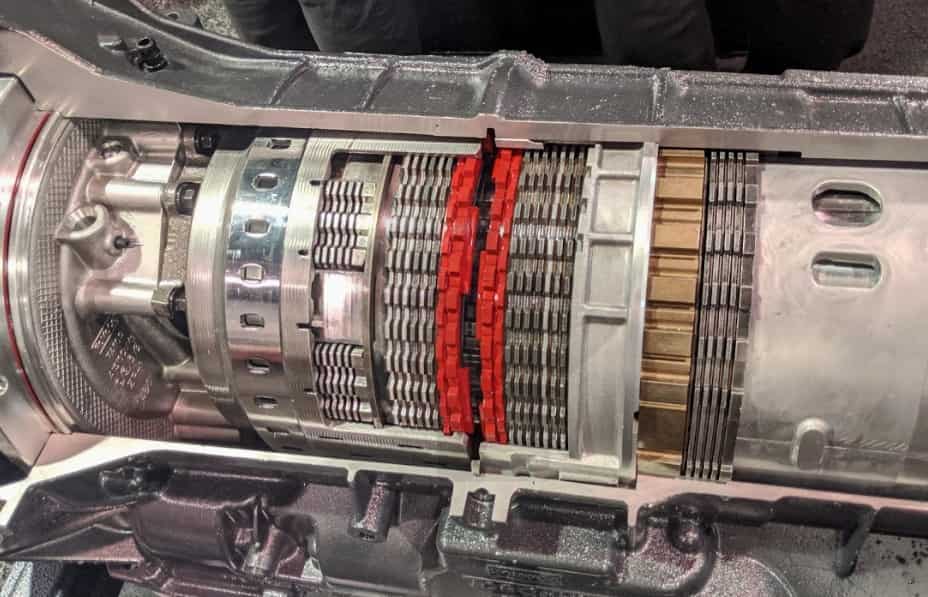
Understanding Hyundai Transmission Systems
Modern Hyundai vehicles use several types of transmission systems. Each system serves a different purpose. These systems aim to balance performance, fuel efficiency, and driving comfort in different conditions.
Many models from Hyundai Motor Company use automatic transmission systems. These systems shift gears using hydraulic pressure and electronic signals. The system selects the best gear based on speed and engine load. This process helps drivers enjoy smoother acceleration without manual input.
Some Hyundai vehicles use dual clutch transmission systems, also known as DCT. These systems use two separate clutches for odd and even gears. One clutch prepares the next gear while the other stays active. This design improves shift speed and fuel efficiency. However, it can also create issues in low speed traffic. Heat can build up faster in these conditions and affect performance.
Other Hyundai models use continuously variable transmission systems. These systems do not use fixed gears. Instead, they adjust pulley ratios to create a smooth driving experience. This design helps improve fuel economy in city driving.
All transmission systems rely on a Transmission Control Module. This module acts as the control center of the gearbox. It reads signals from sensors and decides when to shift gears. It also adjusts shifting behavior based on driving style.
Software plays an important role in modern transmission systems. Engineers design the software to improve efficiency and comfort. When software does not match real driving conditions, drivers may notice delays or rough shifting.
Understanding these systems helps explain why transmission problems happen. It also helps drivers recognize early signs of failure and take action before damage becomes serious.
Main Causes of Hyundai Transmission Problems
Hyundai transmission problems often come from multiple factors. These factors usually build up over time instead of appearing suddenly. Drivers of vehicles from Hyundai Motor Company often notice issues after long periods of use or under heavy driving conditions.
Heat is one of the most common causes. Transmission systems generate heat during normal operation. When the temperature rises too much, internal components start to wear faster. Clutches and seals lose performance under constant heat stress.
Clutch wear also plays a major role, especially in dual clutch systems. These systems rely on friction to engage gears. Stop and go traffic increases clutch activity. This creates extra wear and leads to jerking or hesitation during acceleration.
Transmission fluid condition also affects performance. Clean fluid helps cool and lubricate internal parts. Old or contaminated fluid reduces efficiency. This increases friction and may cause overheating. Many drivers ignore fluid maintenance until problems appear.
Software issues can also trigger transmission problems. The Transmission Control Module controls gear shifting behavior. If the software has poor calibration, the system may shift at the wrong time. This creates delays or rough transitions between gears.
Driving habits influence transmission health as well. Aggressive acceleration increases stress on the gearbox. Frequent short trips prevent the transmission from reaching optimal temperature. Heavy traffic also forces constant gear changes, which adds more strain.
Some issues come from manufacturing differences between model years. Certain versions may respond differently to similar driving conditions. This is why some drivers experience problems earlier than others.
Understanding these causes helps drivers prevent serious damage. Early maintenance and careful driving can reduce most transmission risks.
Symptoms of Hyundai Transmission Problems
Hyundai transmission problems often show early warning signs before serious failure happens. Drivers of vehicles from Hyundai Motor Company can usually notice changes in driving behavior if they pay attention to performance.
One of the most common symptoms is delayed shifting. The car takes longer than usual to change gears. This often feels like hesitation during acceleration. The engine may rev higher before the gear engages.
Jerking or rough shifting is another clear sign. The vehicle may shake when it changes gears. This usually happens at low speeds or during stop and go driving. The discomfort becomes more noticeable over time.
Gear slipping can also occur. The transmission may unexpectedly change gears or lose power during driving. This creates a feeling that the engine is not fully connected to the wheels. It can reduce safety, especially during highway driving.
Some drivers notice a burning smell coming from the vehicle. This smell often comes from overheated transmission fluid. Heat damage inside the system usually causes this condition. It indicates that internal components are under stress.
Warning lights on the dashboard also signal transmission issues. The check engine light or transmission warning light may turn on. These alerts indicate that the system has detected abnormal behavior.
In more serious cases, the vehicle may enter limp mode. This mode limits engine power to protect the transmission. The car may only operate in one or two gears. This helps prevent further damage but reduces driving performance.
Unusual noises can also appear. Drivers may hear whining, buzzing, or clunking sounds during gear changes. These sounds often indicate internal wear or mechanical stress.
Recognizing these symptoms early helps prevent expensive repairs. Quick diagnosis can reduce damage and improve long term reliability.
Hyundai Models Commonly Affected
Transmission problems do not affect all Hyundai vehicles equally. Some models show higher reports of issues due to design, usage patterns, and transmission type. Owners of vehicles from Hyundai Motor Company often compare reliability across different models to understand risk levels.
The Hyundai Elantra is one of the most frequently discussed models. Many drivers report shifting hesitation and rough gear changes in certain model years. These issues often appear in urban driving conditions where traffic is heavy and frequent stopping is required.
The Hyundai Tucson also shows transmission related concerns in some versions. Drivers sometimes experience delayed acceleration or uneven shifting. These symptoms often become more noticeable during low speed driving or uphill movement.
The Hyundai Santa Fe has also been mentioned in discussions about transmission behavior. Some owners report inconsistent shifting performance, especially when the vehicle carries heavy loads or travels long distances. Heat buildup can increase under these conditions.
The Hyundai Sonata is another model that appears in reliability discussions. Some versions experience occasional jerking or delayed response during gear changes. These issues are often linked to driving style and software calibration.
Different model years can show different behavior even within the same vehicle name. Updates in transmission design and software can improve performance in newer versions. Older models may show more frequent issues due to earlier engineering designs.
Regional differences also play a role. Vehicles sold in different markets may use different transmission setups or software tuning. This can lead to variation in how problems appear across locations.
Understanding which models are more affected helps drivers make better buying decisions. It also helps current owners monitor their vehicles more closely and act early when symptoms appear.
Real Repair Solutions for Hyundai Transmission Problems
When Hyundai transmission problems appear, early action can reduce repair costs and prevent serious damage. Owners of vehicles from Hyundai Motor Company should always start with proper diagnosis before choosing any repair method.
One of the simplest solutions is transmission fluid replacement. Fresh fluid improves lubrication and cooling inside the system. This can reduce friction and improve shifting smoothness. Many minor issues improve after a full fluid service.
Software updates also play an important role. Modern transmission systems rely on electronic control. A Transmission Control Module update can fix shifting delays or incorrect gear behavior. Dealerships often release updates to improve performance and stability.
Clutch replacement is necessary in dual clutch systems when wear becomes severe. Worn clutches cause jerking, hesitation, and slipping. Replacing them restores proper engagement between gears and improves driving comfort.
Valve body repair is another common solution. The valve body controls hydraulic flow inside the transmission. If it becomes damaged or clogged, shifting performance drops. Cleaning or replacing this component can restore proper function.
In severe cases, a full transmission rebuild or replacement may be required. This happens when internal damage is too extensive. Mechanics replace or repair major components to restore full operation.
Choosing between a dealership and an independent mechanic depends on the situation. Dealerships offer software access and official parts. Independent workshops may provide lower cost options for mechanical repairs.
Regular diagnostic checks help prevent major failures. Early detection allows small issues to be fixed before they grow. This reduces long term repair costs and improves vehicle reliability.
Repair Costs and Ownership Impact
Repair costs for Hyundai transmission problems vary widely depending on severity and model. Owners of vehicles from Hyundai Motor Company often face different cost levels based on whether the issue is minor or requires major replacement.
Minor repairs such as fluid change or software update are usually the most affordable. These services focus on restoring proper transmission behavior without replacing internal parts. Many drivers solve early symptoms with these basic interventions.
Moderate repairs often involve clutch replacement or valve body work. These repairs require more labor and specialized parts. Costs increase because mechanics must open part of the transmission system to fix the issue.
Severe cases involve full transmission rebuild or complete replacement. This is the most expensive scenario. It happens when internal components suffer extensive damage. In these cases, labor time and parts cost increase significantly.
Warranty coverage can reduce financial burden. Some vehicles still fall under manufacturer warranty depending on age and mileage. When covered, repair costs may be partially or fully supported by the manufacturer.
Repair costs also depend on transmission type. Dual clutch systems often cost more to repair due to complex design. Automatic transmissions may be less expensive in some cases, depending on the damage level.
Ownership cost is an important factor for long term drivers. Transmission issues can increase maintenance expenses over time. Drivers who follow regular maintenance schedules usually spend less on major repairs.
Driving conditions also influence total cost. Vehicles used in heavy traffic or harsh environments often experience faster wear. This increases the likelihood of expensive repairs over the vehicle lifespan.
Understanding these cost factors helps owners make better decisions about repair or replacement. It also helps potential buyers evaluate long term financial risk before purchasing a vehicle.
Conclusion
Hyundai transmission problems can appear in different forms, from small shifting delays to serious mechanical failures. Most issues develop gradually, which means drivers can often detect early warning signs before major damage occurs. Understanding these signals is the key to avoiding expensive repairs and long downtime.
Vehicles produced by Hyundai Motor Company use modern transmission systems designed for performance and efficiency. However, these systems also rely heavily on electronic control, driving conditions, and regular maintenance. When one of these factors becomes unbalanced, transmission performance can decline.
The most important takeaway is early detection. Symptoms such as jerking, slipping, unusual noises, or warning lights should never be ignored. Quick diagnosis allows small issues to be fixed before they become serious failures.
Proper maintenance also plays a major role in long term reliability. Regular fluid changes, timely software updates, and careful driving habits can significantly extend transmission lifespan. These simple actions reduce stress on internal components and improve overall performance.
For current owners and potential buyers, awareness is essential. Understanding how transmission systems work and what causes problems helps you make better decisions. It also reduces the risk of unexpected repair costs and improves vehicle ownership experience over time.
In the end, transmission problems are not always unavoidable, but they are manageable. With the right knowledge and timely action, most issues can be controlled before they turn into major failures.