The Hyundai Check AEB System warning often appears suddenly on the dashboard. Many drivers feel confused when they see it. The message relates to an important safety feature in the car. Most people do not know if they can continue driving or if the car has a serious problem.
The AEB system stands for Automatic Emergency Braking. Hyundai designs this system to improve driving safety. It detects objects in front of the car and helps apply the brakes when a collision risk appears. The system works as part of Hyundai’s advanced driver assistance technology.
When the warning appears, the system usually stops working or performs with limited function. A sensor or software issue often triggers this situation. Weather conditions or a blocked camera can also cause the warning.
This issue creates concern because drivers depend on AEB for safety in traffic and on highways. Many drivers want to know if the problem comes from a simple sensor error or a deeper system failure.
This article explains what the Hyundai Check AEB System warning means. It also shows the main causes and provides clear steps to fix it. You will learn how to handle the issue safely and decide when you need professional help.
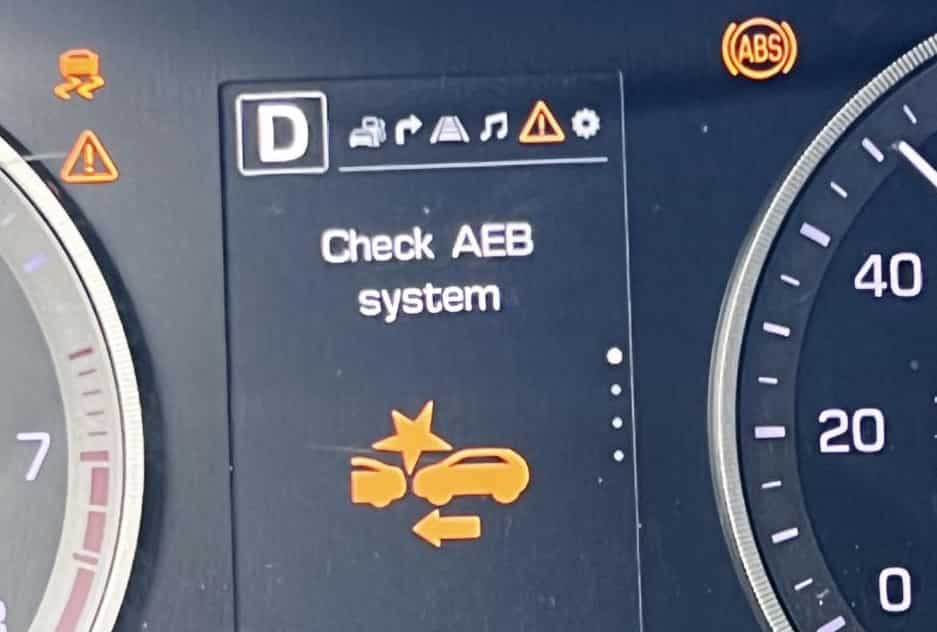
What Does “Check AEB System” Mean in Hyundai Vehicles
The Hyundai Check AEB System message means the Automatic Emergency Braking system has detected a malfunction or limitation. When this message appears, the vehicle informs the driver that the system cannot operate at full capacity. In some cases, it may stop working completely until the issue is resolved.
The AEB system plays a key role in Hyundai safety technology. It monitors the road ahead and helps reduce collision risk. It uses sensors and cameras to detect vehicles, pedestrians, or obstacles in front of the car. When the system detects a possible impact, it prepares or applies braking automatically.
Hyundai integrates AEB into a wider safety platform called Advanced Driver Assistance Systems. This platform also includes Forward Collision Avoidance Assist, lane assistance, and stability control systems. These systems work together to improve driving safety and reduce human error.
When the warning appears, the system usually loses access to accurate sensor data. The vehicle then disables the function to prevent incorrect braking actions. This is a safety measure rather than a direct mechanical failure in many cases.
In simple terms, the message does not always mean the car is broken. It often means the system cannot trust the data it receives from sensors or cameras. The cause may be temporary or environmental, but it still requires attention from the driver.
How Hyundai AE B System Works
The Hyundai AEB system works by constantly monitoring the road ahead of the vehicle. It uses a combination of radar sensors and a front camera to detect potential obstacles. These components collect real time data and send it to the vehicle control unit for analysis.
The front radar measures the distance and speed of objects in front of the car. The camera identifies shapes such as vehicles, pedestrians, and road barriers. The system then compares this information with the car’s speed and direction. If it detects a risk of collision, it prepares a response immediately.
In normal situations, the system only alerts the driver with warnings. If the driver does not react in time, the system can apply the brakes automatically to reduce impact or avoid the collision completely. This reaction happens within fractions of a second, which helps improve safety in unexpected situations.
Hyundai integrates the AEB system into its broader Advanced Driver Assistance Systems platform. This includes technologies like Forward Collision Avoidance Assist, Electronic Stability Control, and Anti lock Braking System. These systems work together to maintain vehicle stability and reduce accident risk.
The system also depends heavily on accurate sensor input. If the camera or radar cannot read the environment correctly, the system will reduce its function or shut down temporarily. This is why even small obstructions or weather conditions can affect performance.
Common Causes of “Check AEB System” Warning
The Hyundai Check AEB System warning appears when the vehicle detects a problem with sensor input or system performance. This issue usually comes from external conditions, sensor obstruction, or internal system errors. Understanding the main causes helps you identify the problem faster and avoid unnecessary repairs.
One of the most common causes is a dirty or blocked front sensor. The radar unit sits behind the front bumper, and it easily collects dirt, mud, or snow. When this happens, the system cannot measure distance accurately, so it triggers a warning.
Another frequent cause is obstruction of the windshield camera. The camera is usually located near the rearview mirror. If the windshield is dirty, foggy, or covered with stickers, the camera cannot detect road conditions properly. Even small cracks in the glass can affect performance.
Weather conditions can also interfere with the system. Heavy rain, fog, or snow reduces visibility for both radar and camera. In these situations, the system may temporarily disable itself to prevent incorrect braking decisions.
Software issues can also trigger the warning. The control unit that manages the AEB system may experience glitches after updates or long use. In some cases, the system needs recalibration or a software reset.
Low battery voltage is another possible reason. When the car battery is weak, electronic systems may not receive stable power. This can affect sensor communication and trigger warning messages on the dashboard.
In rare cases, physical damage after a minor accident can misalign sensors. Even a small bump on the front bumper can affect radar positioning and cause system errors.
Is It Safe to Drive With AEB Warning On
When the Hyundai Check AEB System warning appears, the vehicle can still operate normally in most cases. The engine, steering, and braking system continue to function. However, the automatic emergency braking feature may stop working or work with limited capability.
This situation reduces the overall safety level of the vehicle. The AEB system plays an important role in preventing collisions, especially in sudden traffic situations. When it is disabled, the driver must rely completely on manual reaction and braking.
Driving with this warning active does not usually cause immediate danger. However, it increases risk in specific conditions such as highway driving, heavy traffic, or situations where sudden braking is required. The system normally reacts faster than human response time, so losing this function can affect safety margins.
Many drivers underestimate this warning because the car still feels normal to drive. In reality, the system has already disabled an important layer of protection. This makes the vehicle less capable of handling unexpected obstacles.
It is recommended to treat this warning seriously. You can drive the car for a short distance if necessary, but you should avoid delaying diagnosis or repair. A quick inspection can help confirm whether the issue comes from a temporary sensor blockage or a deeper system fault.
In summary, the vehicle remains drivable, but safety is reduced. The longer the warning stays active, the higher the risk becomes, especially in complex driving environments.
How to Fix Hyundai Check AEB System Warning
The Hyundai Check AEB System warning can come from simple issues or more complex system faults. You can start with basic checks before moving to professional repairs. Many cases come from temporary sensor problems that you can fix quickly.
Basic fixes you can do at home
The first step is to clean the front radar area. Dirt, mud, or insects on the bumper can block the sensor. A clean surface helps the system read distance correctly again.
Next, you should check the windshield camera area. The camera sits behind the rearview mirror and needs a clear view. You should clean the windshield carefully and remove any stickers or objects that block the view.
You can also restart the vehicle to reset temporary system errors. Turn off the engine, wait a few minutes, and start the car again. In some cases, the warning disappears after a restart.
Another important step is checking the battery condition. A weak battery can cause unstable voltage. This affects electronic systems, including AEB. If the battery is old or weak, replacing it may solve the issue.
Advanced fixes that require a workshop
If the warning remains active, the system may need recalibration. Hyundai service centers can recalibrate radar and camera alignment to restore accuracy.
A diagnostic scan using an OBD2 tool can help detect hidden error codes. These codes show whether the issue comes from sensors, software, or control modules.
In some cases, the system may require a software update. Hyundai often releases updates to improve ADAS performance and fix known bugs.
If the vehicle has experienced a minor accident, even without visible damage, sensor misalignment can occur. In this case, professional calibration becomes necessary.
When to Go to a Professional Workshop
Not every Hyundai Check AEB System warning can be solved at home. In some cases, the problem goes beyond simple cleaning or reset steps. You need to recognize when professional inspection becomes necessary to avoid safety risks.
You should go to a workshop when the warning stays active even after basic troubleshooting. If you have already cleaned the sensors, restarted the vehicle, and checked the battery but the message still appears, the issue is likely deeper in the system.
Another clear sign is repeated system failure. If the warning disappears and then comes back frequently, the system may have unstable sensor readings or software issues that require diagnostic tools.
You also need professional help if the vehicle has been involved in a minor collision. Even a small impact can change the position of radar sensors or cameras. These components require precise alignment, and only specialized equipment can restore correct calibration.
If the Forward Collision Avoidance Assist or other ADAS features are disabled at the same time, this indicates a broader system issue. In this case, multiple safety systems may be affected, and a full diagnostic scan is necessary.
Professional technicians can perform deep system checks using manufacturer tools. They can identify error codes, recalibrate sensors, and update software if needed. This ensures the AEB system returns to proper working condition.
Delaying repair in these situations increases risk because the vehicle loses an important safety layer. A quick inspection at an authorized Hyundai service center is the safest option.
How to Prevent AEB System Errors in Hyundai Vehicles
Preventing the Hyundai Check AEB System warning is easier than fixing it after it appears. Most issues come from sensor blockage, poor maintenance, or environmental factors. With regular care, you can reduce the risk of system errors significantly.
One of the most important steps is keeping the front radar area clean. Dirt, mud, and insects can easily block the sensor and reduce its accuracy. You should clean this area regularly, especially after driving in heavy rain or on dirty roads.
The windshield camera also needs a clear view to function properly. You should avoid placing stickers, dash accessories, or any objects near the camera area. A clean windshield helps the system detect road conditions more accurately.
Regular vehicle maintenance is also important. During servicing, technicians can check the ADAS system, including radar alignment and camera calibration. This helps detect small issues before they become serious problems.
Software updates also play a key role. Hyundai often improves system performance through updates. Keeping the vehicle software up to date helps reduce unexpected errors in the AEB system.
You should also avoid minor front-end impacts. Even small bumps can affect sensor positioning. These sensors require precise alignment to work correctly, so physical protection is important.
Conclusion
The Hyundai Check AEB System warning indicates that the automatic emergency braking system is not working properly or has limited functionality. This system plays a critical role in vehicle safety by helping prevent collisions through radar and camera detection.
Most causes come from simple issues such as dirty sensors, blocked cameras, weather conditions, or temporary software glitches. In some cases, low battery voltage or sensor misalignment can also trigger the warning.
You can often fix the problem with basic steps like cleaning sensors, restarting the vehicle, or checking the battery. However, if the warning continues, professional diagnosis and calibration are necessary to restore full system performance.
It is important not to ignore this warning. Even though the car still drives normally, the loss of AEB function reduces overall safety, especially in high traffic or emergency situations.
Understanding this system helps you react correctly and maintain your vehicle in safe operating condition. Regular maintenance and careful driving conditions will help prevent this warning from appearing in the future.