An engine depends on stable temperature control to run efficiently. In the Hyundai Elantra, the thermostat controls how coolant flows between the engine and radiator. It opens and closes based on temperature to keep the engine within the correct operating range.
When the thermostat fails, the engine can overheat or run too cold. Both conditions reduce performance and can damage internal parts over time. Drivers often notice rising temperature on the dashboard or weak heater performance first. Some also see fuel consumption increase without any clear reason.
Many people confuse thermostat problems with radiator or coolant issues. This mistake leads to incorrect repairs and higher costs. A faulty thermostat can also create uneven coolant circulation inside the engine cooling system. This affects how the engine manages heat under different driving conditions.
Understanding Hyundai Elantra thermostat replacement helps you avoid these problems. It allows you to identify early symptoms and choose the right repair method. This guide explains the main signs of failure, cost factors, and the correct replacement process in a clear and practical way. It also helps you decide whether to repair the part yourself or use a professional mechanic.
What Is a Thermostat in Hyundai Elantra?
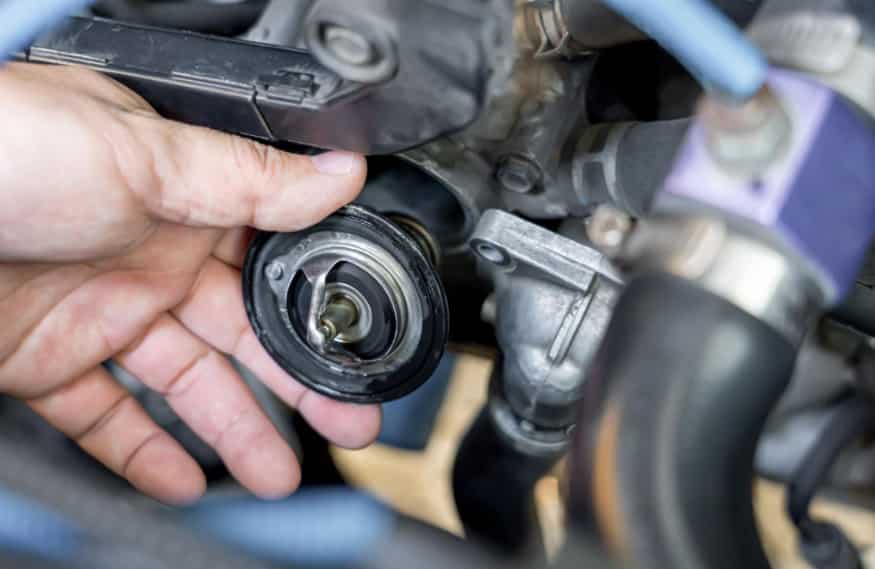
A thermostat is a small mechanical valve inside the engine cooling system. In the Hyundai Elantra, it controls the flow of coolant between the engine and radiator. It helps the engine reach the correct operating temperature and keeps it stable during driving.
The thermostat stays closed when the engine is cold. This allows the engine to warm up faster. Once the coolant reaches a specific temperature, the thermostat opens. It then allows coolant to flow into the radiator for cooling. This cycle repeats continuously while the engine runs.
The thermostat works closely with coolant, radiator, and engine block. These parts form the main structure of the engine cooling system. When all components work correctly, the engine maintains stable heat and avoids thermal stress.
A stuck thermostat creates serious problems. If it stays closed, coolant cannot flow to the radiator. This leads to overheating. If it stays open, the engine cannot reach proper temperature. This reduces fuel efficiency and engine performance.
Modern Hyundai engines rely on precise temperature control. Even a small failure in the thermostat can affect combustion efficiency and long term engine health. That is why early diagnosis plays an important role in preventing larger cooling system damage.
Symptoms of a Bad Thermostat in Hyundai Elantra
A failing thermostat can create several cooling system problems in the Hyundai Elantra. The most common symptom is engine overheating. When the thermostat gets stuck in the closed position, coolant cannot circulate properly between the engine and radiator. Heat then builds quickly inside the engine, especially during traffic or long drives. Drivers often notice the temperature gauge rising above normal levels or steam coming from the hood in severe situations.
Some vehicles show unstable temperature readings before overheating becomes serious. The temperature gauge may move up and down because the thermostat no longer regulates coolant flow correctly. In other cases, the engine may run too cold if the thermostat stays open. This condition reduces fuel efficiency because the engine cannot reach the ideal operating temperature. Drivers may also notice slow engine warm up and weak acceleration during cold starts.
Cabin heater performance can also reveal thermostat problems. The heater depends on hot coolant flowing through the system. If the thermostat fails, the heater may blow cold or weak air even after several minutes of driving. Some drivers also experience coolant leaks or bubbling sounds from the overflow reservoir due to increased pressure inside the cooling system.
A faulty thermostat may eventually trigger the check engine light on some Hyundai Elantra models. Early diagnosis is important because continuous overheating can damage the head gasket, radiator, and other engine components.
Causes of Thermostat Failure in Hyundai Elantra
Several factors can cause thermostat failure in the Hyundai Elantra. One of the most common causes is old or contaminated coolant. Over time, coolant loses its protective properties and allows rust or debris to build inside the engine cooling system. These particles can block thermostat movement and prevent it from opening or closing correctly.
High engine temperature also increases wear on internal thermostat components. The spring and sealing materials weaken after years of constant heat cycles. Once these parts lose tension, the thermostat may become stuck in either the open or closed position. A stuck closed thermostat usually causes overheating, while a stuck open thermostat reduces engine efficiency and fuel economy.
Poor cooling system maintenance creates additional risk. Many drivers ignore coolant flush intervals or continue driving with low coolant levels. This places extra stress on the radiator, water pump, and thermostat housing. Corrosion inside the cooling system can also damage nearby seals and create coolant leaks around the thermostat area.
Low quality aftermarket parts may fail earlier than OEM components. Some cheaper thermostats cannot maintain accurate temperature control under different driving conditions. Incorrect installation can also shorten thermostat lifespan. Dirt on the sealing surface or improper bolt tightening may lead to coolant leakage and unstable engine temperature.
Understanding these causes helps drivers prevent future cooling system problems. Regular coolant maintenance and early inspection reduce the risk of expensive engine repairs.
Hyundai Elantra Thermostat Replacement Cost
The cost of Hyundai Elantra thermostat replacement depends on several factors, including engine type, labor rates, and the quality of replacement parts. In most cases, the thermostat itself is relatively affordable, but total repair cost can increase when coolant service or additional cooling system repairs become necessary.
OEM thermostats usually cost more than aftermarket options because they match factory specifications and provide more reliable temperature control. Many drivers choose OEM parts to avoid premature failure and maintain long term cooling system stability. Aftermarket thermostats often cost less, but low quality parts may not regulate coolant flow accurately under different driving conditions.
Labor cost also varies by repair shop and vehicle model year. Some Hyundai Elantra engines provide easier access to the thermostat housing, while others require more disassembly around the engine bay. Mechanics may also recommend replacing the thermostat gasket and refilling coolant during the repair process. These additional services increase the final repair bill but help prevent future leaks and overheating problems.
Drivers who choose DIY thermostat replacement can reduce labor expenses significantly. However, improper installation may create air pockets inside the cooling system or lead to coolant leaks around the housing. These mistakes often cause repeated overheating and additional repair costs later.
Although thermostat replacement is considered a relatively small repair, delaying the service can become expensive. Continuous overheating may damage the radiator, water pump, or head gasket. Early replacement helps protect the engine and prevents larger cooling system failures.
Tools and Parts Needed for Hyundai Elantra Thermostat Replacement
Preparing the correct tools and parts before starting the repair makes the Hyundai Elantra thermostat replacement process safer and more efficient. Most thermostat repairs require basic hand tools, but using the proper equipment helps prevent coolant leaks and installation mistakes inside the engine cooling system.
A socket set is necessary for removing the thermostat housing bolts and nearby engine components. Screwdrivers help loosen hose clamps and detach coolant hoses connected to the radiator area. Many mechanics also use a torque wrench to tighten bolts according to factory specifications. Proper bolt tension protects the thermostat housing and prevents gasket damage after installation.
Drivers should also prepare a coolant drain pan before opening the cooling system. Coolant must drain safely to avoid spills around the engine bay. Safety gloves and protective eyewear help reduce contact with hot coolant and engine surfaces during the repair process.
The replacement thermostat should match the exact engine specifications of the Hyundai Elantra. Many technicians recommend replacing the thermostat gasket at the same time because old seals can create leaks after reassembly. Fresh engine coolant is also important because some coolant may become contaminated or lost during removal.
Organizing tools and replacement parts in advance reduces repair time and lowers the risk of installation errors. A clean working area also helps mechanics identify leaks or loose connections more easily after the cooling system is reassembled.
Step by Step Hyundai Elantra Thermostat Replacement Guide
Before starting the repair, the engine should cool down completely to prevent burns from hot coolant or engine components. Many mechanics also disconnect the battery to improve safety while working around the engine bay. After the engine cools, place a drain pan underneath the radiator and carefully drain the coolant from the cooling system. This step reduces pressure and prevents coolant from spilling when the thermostat housing is removed.
The thermostat housing is usually located near the engine block where the upper radiator hose connects to the engine. Remove the mounting bolts carefully and disconnect any attached hoses if necessary. Once the housing is open, take out the old thermostat and inspect the surrounding area for corrosion, dirt, or gasket residue. Cleaning the sealing surface is important because uneven surfaces often cause coolant leaks after installation.
Install the new thermostat in the correct orientation based on the factory design. The thermostat spring normally faces the engine side to allow accurate temperature regulation. Replace the gasket with a new seal before reinstalling the thermostat housing. Tighten the bolts evenly to avoid cracking the housing or damaging the gasket.
After reassembly, refill the cooling system with the correct coolant type for the Hyundai Elantra. Start the engine and allow it to reach operating temperature while monitoring coolant circulation and temperature gauge behavior. Bleeding trapped air from the cooling system is essential because air pockets can cause unstable temperature readings and repeated overheating problems.
Common Mistakes After Thermostat Replacement
Many cooling system problems appear after installation because drivers overlook small but important details during Hyundai Elantra thermostat replacement. One of the most common mistakes is installing the thermostat in the wrong direction. Incorrect positioning blocks normal coolant circulation and quickly leads to overheating. The thermostat spring should face the engine side to ensure proper temperature control.
Another common issue involves poor sealing around the thermostat housing. Some people reuse old gaskets or fail to clean the sealing surface before reassembly. Dirt, corrosion, or uneven surfaces often create coolant leaks after the engine reaches operating temperature. Over tightening the housing bolts can also damage the gasket or crack the housing itself.
Air trapped inside the cooling system creates additional problems after replacement. Many drivers refill coolant without bleeding the system properly. Air pockets interrupt coolant flow and cause unstable engine temperature. In some cases, the temperature gauge fluctuates even though the new thermostat functions correctly. Bubbling sounds inside the overflow reservoir often indicate trapped air inside the cooling system.
Using the wrong coolant type can also reduce cooling efficiency and increase corrosion inside the radiator and engine passages. Different coolant formulas react differently under high temperature conditions, especially in modern Hyundai engines. Mixing incompatible coolant types may damage seals and shorten thermostat lifespan.
Careful installation and proper cooling system bleeding help prevent these issues. Small mistakes during thermostat replacement often lead to repeated overheating, coolant leaks, and unnecessary repair costs later.
How to Test the Cooling System After Thermostat Replacement
Testing the cooling system after Hyundai Elantra thermostat replacement helps confirm that the new thermostat operates correctly. After refilling the coolant, start the engine and allow it to idle until it reaches normal operating temperature. The temperature gauge should rise gradually and remain stable once the engine warms up. Sudden fluctuations may indicate trapped air or incorrect thermostat installation.
Drivers should also inspect coolant circulation during the warm up process. The upper radiator hose usually stays cool at first because the thermostat remains closed while the engine heats up. Once the coolant reaches operating temperature, the thermostat opens and the hose becomes noticeably warmer. This change confirms that coolant flows correctly between the engine and radiator.
The cabin heater should also produce consistent hot air after several minutes of driving. Weak heater performance may suggest air pockets inside the cooling system or poor coolant circulation. Drivers should monitor the coolant reservoir level during the first few driving cycles because trapped air may escape and slightly lower coolant volume.
It is also important to inspect the thermostat housing and nearby hose connections for leaks. Even small coolant leaks can reduce cooling efficiency over time. A clean and dry housing area usually confirms proper gasket sealing after installation.
Proper testing helps identify problems early before they become serious engine issues. Stable engine temperature, strong heater performance, and normal coolant circulation indicate that the thermostat replacement was completed successfully in the Hyundai Elantra.
Conclusion
The thermostat plays a major role in maintaining stable engine temperature and proper coolant circulation inside the Hyundai Elantra. Although it is a relatively small component, thermostat failure can quickly create serious cooling system problems if drivers ignore the warning signs. Engine overheating, unstable temperature readings, weak heater performance, and coolant leaks often indicate that the thermostat no longer functions correctly.
Understanding Hyundai Elantra thermostat replacement helps drivers identify problems early and avoid expensive engine repairs. Replacing a faulty thermostat at the right time protects important components such as the radiator, water pump, and head gasket. It also improves fuel efficiency and supports stable engine performance during daily driving.
A successful thermostat replacement depends on proper installation, correct coolant usage, and complete air bleeding within the cooling system. Small installation mistakes can create repeated overheating problems even when a new thermostat is installed. Careful inspection after the repair helps ensure stable coolant flow and reliable temperature control.
Regular cooling system maintenance remains the best way to prevent thermostat failure in the future. Routine coolant service and early diagnosis reduce long term repair costs and improve engine reliability. Drivers who pay attention to early symptoms can protect their Hyundai Elantra from severe overheating damage and maintain consistent performance for many years.