Kia and Hyundai are often mentioned together when discussing modern car reliability, yet many buyers still struggle to understand how different they really are in long-term ownership. Both brands come from the same parent company, share platforms, engines, and technologies, but real-world reliability experiences can vary depending on model, generation, and driving conditions.
Over the past decade, both Kia and Hyundai have significantly improved their engineering quality, moving away from earlier perceptions of inconsistent build quality. However, questions remain in the minds of car buyers. Are Kia cars as durable as Hyundai models over time. Which brand has fewer engine problems. And more importantly, which one offers a more stable ownership experience after five to ten years of use.
This comparison becomes even more important when considering rising repair costs, complex electronic systems, and the long-term value of modern vehicles. Reliability is no longer just about whether a car starts every morning, but also about how well it maintains performance, avoids costly repairs, and holds value over time.
In this article, we will break down Kia vs Hyundai reliability using data from industry studies, real-world ownership reports, engine performance history, maintenance costs, and warranty coverage to give you a clear and practical understanding of which brand performs better in the long run.
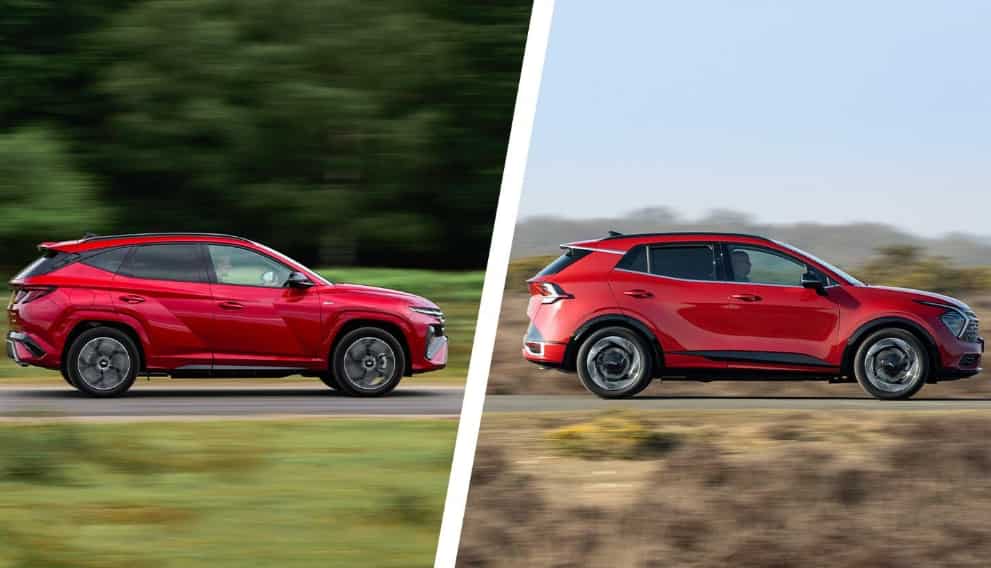
Kia vs Hyundai Reliability Overview
Kia and Hyundai belong to the Hyundai Motor Group, so both brands share many core technologies. They often use the same platforms, engines, transmissions, and safety systems. Because of this connection, many buyers assume the two brands offer identical reliability. In reality, their long-term ownership experience can feel quite different.
Hyundai usually focuses on ride comfort, refinement, and stability. Kia targets buyers who want bold styling, modern features, and strong value for the price. These different priorities influence tuning, material choices, and overall driving feel.
Many drivers see Hyundai as slightly more consistent over long periods of ownership. Older Hyundai models often show fewer complaints related to cabin wear, transmission behavior, and ride quality. Kia has improved rapidly during the last decade and now competes closely with Hyundai in overall dependability.
Buyers should also avoid judging reliability only by brand name. Reliability changes depending on the model, engine type, production year, and maintenance history. Some Kia models perform exceptionally well over time, while others have experienced engine or electrical concerns. The same pattern applies to Hyundai vehicles.
Modern Kia and Hyundai vehicles are far more reliable than older generations. Both brands now compete directly with major mainstream manufacturers in quality, technology, and ownership satisfaction. Still, small differences in engineering priorities continue to shape how drivers experience long-term durability.
Reliability Rankings from Consumer Reports and JD Power
Reliability rankings play a major role in how buyers compare Kia and Hyundai. Many consumers trust organizations like Consumer Reports and JD Power because these studies collect data from thousands of vehicle owners across different driving conditions and ownership periods.
In recent years, both Kia and Hyundai have improved their positions in industry reliability rankings. Their progress shows how much Korean automotive engineering has evolved during the last decade. Older stereotypes about poor durability no longer reflect the reality of most modern models.
Hyundai often performs slightly better in long-term dependability studies. Many reports highlight its stable powertrain performance, smoother driving behavior, and lower frequency of major mechanical complaints. Hyundai vehicles also tend to maintain a more consistent ownership experience after several years of daily use.
Kia has also achieved strong results in multiple quality studies. In some years, Kia even ranked above several Japanese and American competitors in initial quality surveys. The brand gained attention for offering advanced technology, attractive interiors, and competitive warranties at lower price points.
However, there is an important difference between initial quality and long-term reliability. Initial quality measures problems during the first months of ownership, while long-term reliability focuses on durability after years of use. This distinction matters because some vehicles perform well early on but develop expensive issues later.
Current data suggests that the reliability gap between Kia and Hyundai has become very small. In many segments, the difference depends more on the specific model than the brand itself. Vehicles like the Hyundai Tucson and Kia Sportage may share similar engineering, yet owner satisfaction can still vary because of tuning, maintenance habits, and driving environments.
For most buyers today, both brands offer reliability levels that exceed expectations compared to older generations. The decision often comes down to personal preference, ownership priorities, and confidence in long-term durability.
Engine Reliability and Common Mechanical Problems
Engine reliability remains one of the biggest concerns for buyers comparing Kia and Hyundai. A vehicle may look modern and feature rich, but long-term ownership becomes frustrating when engine problems appear after the warranty period ends. For many drivers, engine durability determines whether a car feels dependable or financially risky.
Both Kia and Hyundai have faced major criticism in the past because of issues linked to the Theta II engine family. Some owners reported engine knocking, excessive oil consumption, power loss, and in severe cases complete engine failure. These problems affected the reputation of both brands and led to large recalls across multiple markets.
Although the two companies shared many affected powertrains, Hyundai generally managed to maintain a slightly stronger reliability image. Many owners believed Hyundai vehicles delivered smoother engine performance and fewer long-term complications in daily driving conditions.
Kia models also experienced reliability concerns, especially in certain older SUVs and sedans equipped with turbocharged or direct injection engines. Some drivers reported carbon buildup, overheating issues, and premature wear in heavily used urban environments. These concerns created hesitation among buyers who planned to keep their vehicles for many years.
In response, both brands invested heavily in updated engine technology and stricter quality control processes. Newer Smartstream engines show noticeable improvements in fuel efficiency, thermal management, and long-term durability. Many recent models now perform much better in owner satisfaction studies compared to previous generations.
Maintenance habits also play a major role in engine reliability. Drivers who follow oil change schedules, use high quality fluids, and address warning signs early often experience far fewer mechanical problems. Poor maintenance can damage even reliable engines over time.
Today, most modern Kia and Hyundai vehicles offer solid engine reliability for average consumers. However, buyers should still research specific models and production years carefully before making a final decision. Some engines have stronger long-term track records than others, even within the same brand lineup.
Transmission Durability and Driving Experience
Transmission performance affects reliability more than many buyers realize. A smooth and durable transmission improves daily comfort, reduces repair risks, and helps a vehicle maintain stable performance over time. When transmission problems appear, repair costs can quickly become expensive, especially after the factory warranty expires.
Both Kia and Hyundai use several transmission types across their vehicle lineups. These include traditional automatic transmissions, continuously variable systems, and dual clutch transmissions in some turbocharged models. Since the two brands share many mechanical components, their transmission reliability often follows similar patterns.
Hyundai generally focuses on smoother tuning and predictable driving behavior. Many drivers describe Hyundai transmissions as refined and comfortable during city commuting and highway cruising. This setup appeals to owners who prioritize stability and low stress daily driving.
Kia often delivers a sportier driving feel. Some Kia models use more aggressive transmission calibration to improve responsiveness and acceleration. While this creates a more engaging experience, it can also lead to rougher low speed behavior in certain dual clutch systems.
In heavy traffic conditions, some Kia dual clutch transmissions may feel jerky or hesitant during stop and go driving. Long periods of heat buildup can also increase wear over time. Hyundai models equipped with similar systems sometimes show fewer complaints because of different tuning strategies.
Traditional automatic transmissions from both brands usually provide better long-term reliability than older dual clutch setups. Many owners who follow regular fluid maintenance schedules report stable performance even after years of daily use.
Driving habits also influence transmission durability. Aggressive acceleration, towing heavy loads, and constant urban traffic can increase stress on transmission components. Gentle driving and regular maintenance often help extend transmission lifespan significantly.
For most modern buyers, both Kia and Hyundai now offer dependable transmission performance. However, buyers who value maximum long-term comfort and smoother operation may slightly prefer Hyundai, while drivers who enjoy sharper responsiveness may lean toward Kia.
Maintenance Cost and Long Term Ownership Expenses
Maintenance cost plays a major role in overall vehicle reliability. A car may perform well mechanically, but ownership becomes stressful when repair bills increase year after year. Many buyers compare Kia and Hyundai because both brands promise affordable long-term ownership with lower operating costs than many competitors.
In general, Kia and Hyundai offer relatively low maintenance expenses compared to European brands and some larger SUVs from Japanese manufacturers. Parts availability remains strong in many markets, and independent repair shops can usually service both brands without difficulty. This helps owners reduce labor costs and avoid expensive dealership repairs.
Kia often attracts budget focused buyers because routine service costs tend to stay slightly lower in some regions. Oil changes, brake replacement, and standard maintenance procedures usually remain affordable throughout the ownership cycle. Kia also positions many of its vehicles as value driven options with high feature content at competitive prices.
Hyundai vehicles may cost slightly more to maintain in certain markets, but many owners believe the brand delivers better long-term consistency. Some Hyundai models experience fewer interior quality issues and lower levels of cabin wear after several years of daily driving. This can improve ownership satisfaction even when maintenance costs appear similar on paper.
Unexpected repairs create the biggest financial concern for long-term owners. Engine failures, transmission repairs, electronic malfunctions, and sensor replacements can quickly increase ownership expenses. Earlier generations of both brands experienced criticism for these problems, especially in vehicles with known engine recall histories.
Modern models show significant improvement in build quality and durability. Better engineering standards and improved manufacturing processes have helped reduce many major reliability concerns. Owners who follow scheduled maintenance intervals often report positive long-term experiences with both brands.
Driving conditions also affect ownership cost. Vehicles used in dense urban traffic, extreme temperatures, or poor road conditions usually require more frequent maintenance. Careful driving habits and preventive service remain essential for reducing repair risks over time.
For buyers focused on affordability, both Kia and Hyundai offer strong value in the modern automotive market. The difference in long-term cost often depends more on the specific model and maintenance history than the badge on the vehicle.
Warranty Coverage and Its Impact on Reliability Perception
Warranty coverage strongly influences how buyers view vehicle reliability. Many consumers feel more confident purchasing a car when the manufacturer offers long protection periods and extensive powertrain coverage. Kia and Hyundai have used this strategy successfully for years, especially in markets where buyers remain cautious about long-term durability.
Both brands became well known for offering generous warranty programs compared to many competitors. In several regions, they provide up to a 10 year or 100,000 mile powertrain warranty. This level of coverage helped change public perception and encouraged more buyers to consider Korean vehicles as serious long-term ownership options.
A strong warranty does not automatically guarantee perfect reliability, but it reduces financial risk for owners. Buyers often feel less worried about major engine or transmission repairs during the early years of ownership. This confidence plays an important role in overall customer satisfaction.
Hyundai often receives positive feedback for dealership experience and service network consistency. Some owners report smoother warranty claim processes and better communication during repairs. A reliable service experience can improve brand trust even when mechanical issues occur.
Kia also provides competitive warranty protection and has improved customer support significantly in recent years. However, service quality may vary more depending on dealership location and regional support infrastructure. For some buyers, this difference influences their perception of long-term reliability.
Warranty coverage also affects resale value and buyer confidence in the used car market. Vehicles with transferable warranty protection often attract more attention because future owners feel protected against expensive repairs. This can make both Kia and Hyundai more appealing compared to brands with shorter coverage periods.
Despite strong warranty programs, proper maintenance still remains essential. Ignoring scheduled service intervals or delaying repairs can create problems that warranty coverage may not fully protect. Owners who maintain their vehicles carefully usually experience better reliability and lower long-term repair costs.
Today, the warranty advantage remains one of the strongest selling points for both Kia and Hyundai. It provides reassurance for buyers who want modern technology and affordable ownership without taking unnecessary financial risks.
Real World Ownership Experience and Model Based Reliability Comparison
Real world ownership experience often reveals details that reliability rankings cannot fully explain. Two vehicles may share similar reliability scores, yet owners can report very different experiences after several years of daily use. Factors such as comfort, electronic durability, resale value, and driving consistency all shape long-term satisfaction.
Many Hyundai owners describe their vehicles as stable and predictable over time. Models like the Hyundai Tucson, Sonata, and Elantra often receive positive feedback for smooth driving behavior and comfortable cabin quality after years of use. Drivers who prioritize long highway travel and family commuting frequently appreciate this sense of refinement.
Kia owners often highlight design, technology features, and value for money as major strengths. Vehicles such as the Kia Sportage, K5, and Seltos attract buyers who want modern styling and advanced features at competitive prices. In recent years, Kia has improved significantly in cabin quality and overall durability.
However, ownership experience can still vary depending on the model and production year. Some older Kia vehicles developed electronic issues and faster interior wear after extended use. Certain Hyundai models also experienced engine related complaints despite strong overall reliability ratings. This is why researching specific vehicles remains more important than relying only on brand reputation.
SUV comparisons provide a clear example of these differences. The Kia Sportage and Hyundai Tucson share many core components, but drivers may prefer one over the other because of suspension tuning, cabin layout, or driving feel. The same pattern appears in sedan comparisons such as the Kia K5 and Hyundai Sonata.
Resale value also affects ownership satisfaction. Hyundai vehicles sometimes maintain slightly stronger resale performance because buyers perceive them as safer long-term choices. Kia continues to improve in this area as brand reputation grows globally.
At this stage, both brands deliver much stronger reliability than they did a decade ago. Modern engineering improvements, better manufacturing quality, and longer warranty coverage have helped both Kia and Hyundai compete directly with established global manufacturers.
For most buyers, the final decision depends less on which brand is universally more reliable and more on which specific model best matches their driving needs, budget, and long-term expectations.
Conclusion
Choosing between Kia and Hyundai ultimately depends on what you expect from long term vehicle ownership. Both brands have evolved dramatically over the past decade and now offer reliability levels that compete with many mainstream automotive manufacturers. Modern models from both companies deliver better engineering quality, improved safety technology, and stronger ownership value than older generations.
Hyundai generally stands out for its refined driving experience, smoother long term performance, and slightly more consistent reliability reputation. Many buyers appreciate its balanced approach to comfort, durability, and ownership stability. Kia, on the other hand, attracts drivers who want bold styling, advanced features, and strong value for the price. The brand has also made major improvements in reliability and overall build quality.
Despite their similarities, no single answer applies to every buyer. Reliability can vary depending on the model, engine type, maintenance history, and driving conditions. A well maintained Kia may easily outperform a neglected Hyundai, while some Hyundai models may provide a more stable ownership experience over time.
The most important step is researching the exact model and production year you plan to buy. Understanding common issues, maintenance requirements, and long term ownership costs can help prevent expensive surprises later.
For buyers searching for affordable, modern, and dependable vehicles, both Kia and Hyundai remain strong choices in today’s market. The better option depends on whether you value refinement and consistency or design, technology, and aggressive pricing.
Do you prioritize long term stability or the best possible value for your money?