Many people think the newest Hyundai Elantra is always the best choice. This is not always true. Some model years are very reliable and cheap to maintain. Other years can cause expensive repair problems. Choosing the wrong year can lead to unexpected costs and frustration.
The Hyundai Elantra is a popular compact sedan. It offers good fuel efficiency, modern features, and comfortable driving. Many drivers choose it as an affordable used car. However, reliability is not the same across all model years. Some generations perform better than others.
This makes the best year for Hyundai Elantra an important topic for used car buyers. A good choice can save money and reduce repair risks. A bad choice can create long term ownership problems.
In this guide, we explain the most reliable Hyundai Elantra model years based on real ownership experience, maintenance cost, and long term durability. We also highlight the years you should avoid. This will help you make a safer and smarter buying decision.
By the end, you will know which Hyundai Elantra years offer the best balance of price, reliability, and long term value.
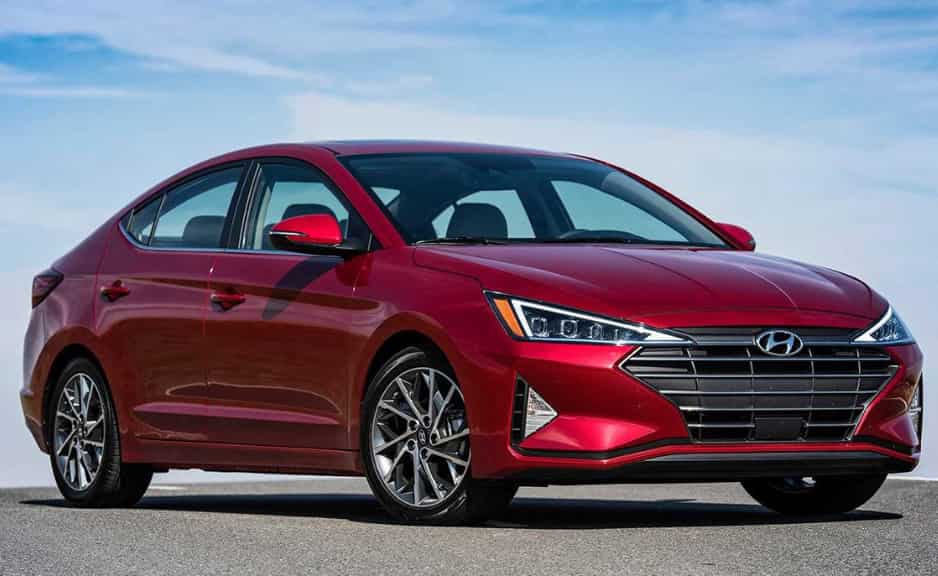
BEST HYUNDAI ELANTRA YEARS RANKED
When it comes to the best year for Hyundai Elantra, a few model years clearly stand out in terms of reliability, ownership satisfaction, and long term durability. These years tend to have fewer mechanical issues and lower maintenance costs compared to others. They also offer a better balance between price and performance in the used car market.
2018 Hyundai Elantra
The 2018 model is one of the most balanced choices. It offers solid reliability and improved safety features compared to earlier years. Many owners report low maintenance needs during normal use. The engine performs consistently and does not show major widespread issues. This year is often recommended for buyers who want a safe and affordable used sedan.
2020 Hyundai Elantra
The 2020 model improves comfort and technology while maintaining strong reliability. It includes updated infotainment features and better fuel efficiency. Most users report stable engine performance and fewer complaints compared to older generations. This model works well for buyers who want modern features without high risk.
2017 Hyundai Elantra
The 2017 model marks a turning point in design and engineering improvements. It delivers better ride quality and improved fuel economy. Many long term owners report good durability when the car is properly maintained. It is often considered a smart value choice in the used market.
2021 Hyundai Elantra
The 2021 model introduces a new generation design with advanced styling and upgraded safety systems. It feels more modern and refined. Reliability is generally strong in early reports, although long term data is still developing. This year is a good option for buyers who prefer newer design and technology.
Summary of Best Years
The strongest overall choices are 2018 and 2020 due to their balance of reliability and cost efficiency. The 2017 model is a good budget option, while the 2021 model is better for those who want modern features and design.
HYUNDAI ELANTRA GENERATIONS AND RELIABILITY
Understanding the best year for Hyundai Elantra becomes much easier when you look at each generation. Every generation has different strengths and weaknesses. Reliability also changes based on engine design, transmission type, and build quality improvements over time.
Fifth Generation 2011 to 2016
This generation offers affordable prices in the used car market. However, it also has mixed reliability depending on the year. Some models show engine noise issues and higher maintenance costs over time. The interior design feels outdated compared to newer models. Fuel economy is acceptable but not the best in the lineup. This generation is only a good choice if the price is very low and the vehicle has a full service history.
Sixth Generation 2017 to 2020
This is the most important generation for used car buyers. It improves reliability, comfort, and fuel efficiency. Engine performance is more stable compared to older models. Many drivers report fewer major repair problems. Interior quality also feels more modern and comfortable. This generation is often considered the sweet spot for value and reliability. If you are searching for the best year for Hyundai Elantra, this generation offers the safest options overall.
Seventh Generation 2021 to Present
This is the newest generation with a completely redesigned exterior and interior. It focuses more on technology and safety features. The driving experience feels more advanced and refined. Early reliability reports are generally positive, but long term durability data is still limited. Maintenance costs are slightly higher due to newer technology systems. This generation is best for buyers who want modern design and features rather than long term proven reliability.
Key Insight
The sixth generation stands out as the most balanced option for most used car buyers. It offers strong reliability without high purchase cost. Older generations are cheaper but carry more risk. Newer generations offer better technology but less long term data.
MOST RELIABLE HYUNDAI ELANTRA YEARS RANKED BY RELIABILITY
The reliability of the Hyundai Elantra varies significantly across different model years, and this makes it important to identify which versions offer the most dependable long term performance. Among all available years, the 2020 Hyundai Elantra stands out as the most reliable option. It delivers stable engine performance, smooth transmission behavior, and a low rate of reported mechanical issues. Many owners also highlight its reasonable maintenance cost, which makes it a strong choice for used car buyers who want both modern features and long term durability.
The 2018 Hyundai Elantra also ranks very high in reliability. It offers a balanced combination of efficiency and mechanical stability. The engine performs consistently under daily driving conditions, and serious repair problems are relatively rare compared to older models. This makes it a popular option for buyers who want a dependable compact sedan without paying a high price.
The 2017 Hyundai Elantra is another solid choice, especially for budget focused buyers. It shows clear improvements in engineering quality compared to earlier generations. While it may not be as refined as newer models, it still provides good long term durability when properly maintained. The 2021 model also performs well in terms of early reliability, but it is still a relatively new generation, so long term data is limited. The 2019 model remains acceptable as a mid level option, although it does not stand out as strongly as the top ranked years.
Overall, the most reliable Hyundai Elantra years are concentrated within the late sixth generation, where Hyundai achieved a better balance between performance, durability, and ownership cost.
HYUNDAI ELANTRA YEARS TO AVOID
While many Hyundai Elantra models offer good value and reliability, some years have developed a weaker reputation due to recurring mechanical and electrical problems. Buyers who ignore these issues may face expensive repairs and long term frustration. Understanding which Hyundai Elantra years to avoid can help reduce ownership risk and prevent costly mistakes in the used car market.
The 2013 Hyundai Elantra is one of the most criticized model years. Many owners reported engine ticking noises, poor ride quality, and steering problems. Some vehicles also experienced excessive oil consumption after higher mileage. These issues often increased maintenance costs and reduced long term reliability. Although the car remains affordable, repair risks make it less attractive for many used car buyers.
The 2011 Hyundai Elantra also received a large number of complaints related to engine performance and transmission behavior. Drivers frequently mentioned rough shifting, engine knocking, and electronic issues. In some cases, repairs became expensive compared to the vehicle’s market value. This year may appear budget friendly at first, but ownership costs can rise quickly over time.
Another model that buyers should inspect carefully is the 2014 Hyundai Elantra. This year showed mixed reliability results. Some owners reported few problems, while others experienced suspension noise, steering concerns, and engine reliability issues. Maintenance history becomes extremely important when considering this model year.
Not every vehicle from these years will develop major problems, especially if previous owners followed proper maintenance schedules. However, these model years generally carry more risk than the higher ranked Hyundai Elantra models. Buyers looking for better long term value should focus on later sixth generation models with stronger reliability records.
COST OF OWNERSHIP AND MAINTENANCE
The cost of ownership plays a major role when choosing the best year for Hyundai Elantra. A lower purchase price may look attractive at first, but repair expenses and maintenance costs can quickly change the overall value of the vehicle. This is why many used car buyers focus not only on reliability, but also on long term affordability.
One reason the Hyundai Elantra remains popular is its relatively low maintenance cost compared to many other compact sedans. Routine services such as oil changes, brake replacements, and tire maintenance are usually affordable. Fuel economy is also strong across most model years, which helps drivers save money during daily commuting and long distance travel.
However, ownership costs can vary depending on the model year. Older Hyundai Elantra models, especially those with known engine or transmission issues, often require more repairs as mileage increases. Suspension wear, electrical faults, and excessive oil consumption can raise expenses over time. Buyers who choose a cheaper but less reliable year may end up spending more on repairs than expected.
The late sixth generation models, especially the 2017 through 2020 Hyundai Elantra, offer the best balance between maintenance cost and reliability. These vehicles generally show fewer serious mechanical problems while still remaining affordable in the used car market. Insurance costs also tend to stay reasonable due to the Elantra’s strong safety ratings and compact sedan classification.
Newer models provide more technology and comfort features, but repair costs may become higher once warranty coverage expires. Advanced safety systems and electronic components can increase maintenance complexity in the long term. For many buyers, this makes the 2018 or 2020 Hyundai Elantra the most practical choice for overall ownership value.
WHICH HYUNDAI ELANTRA YEAR SHOULD YOU BUY?
The best year for Hyundai Elantra ultimately depends on your budget, driving habits, and long term expectations. Some buyers prioritize low purchase cost, while others focus more on reliability, fuel economy, or modern technology. Choosing the right model year becomes easier when you match the vehicle to your specific needs instead of simply buying the cheapest option available.
For budget focused buyers, the 2017 Hyundai Elantra is often the smartest choice. It offers improved reliability compared to older generations while remaining affordable in the used car market. Maintenance costs are generally manageable, and many examples still provide good long term durability when properly maintained. This model works well for students, commuters, and first time car owners who want dependable transportation without a high monthly payment.
Buyers who prioritize reliability and low ownership risk should strongly consider the 2018 or 2020 Hyundai Elantra. These years consistently receive positive owner feedback for engine stability, fuel efficiency, and reduced repair frequency. They also offer a more refined driving experience and updated safety features. Many experts consider these model years the safest overall investment for long term ownership.
Drivers who want newer technology and modern styling may prefer the 2021 Hyundai Elantra. It introduces a redesigned exterior, upgraded infotainment systems, and advanced driver assistance features. While long term reliability data is still limited, early reports remain encouraging.
In general, the best strategy is to focus on vehicle condition rather than mileage alone. A well maintained Hyundai Elantra with a complete service history will often deliver better reliability than a newer vehicle with poor maintenance records. Careful inspection and proper research remain essential before making a final purchase decision.
CONCLUSION
Finding the best year for Hyundai Elantra requires more than simply comparing prices or choosing the newest model available. Reliability, maintenance cost, long term durability, and ownership experience all play an important role in determining which model year delivers the best value. While the Hyundai Elantra has remained one of the most popular compact sedans for years, some versions clearly perform better than others in real world driving conditions.
Among all model years, the 2018 and 2020 Hyundai Elantra stand out as the strongest overall choices for most used car buyers. These models offer a reliable engine, lower repair risk, good fuel economy, and a comfortable driving experience. The 2017 Hyundai Elantra also remains an excellent option for buyers with a smaller budget who still want dependable long term performance. On the other hand, older models such as the 2011 and 2013 versions may carry higher repair risks and should be inspected carefully before purchase.
No used car is completely risk free, and vehicle condition will always matter more than model year alone. Buyers should review maintenance records, inspect the vehicle thoroughly, and complete a professional pre purchase inspection whenever possible. Taking these steps can help prevent unexpected repair costs and improve long term ownership satisfaction.
By choosing the right Hyundai Elantra model year, buyers can enjoy an affordable sedan that delivers strong value, efficiency, and dependable daily transportation for years to come.