Many buyers ask a simple question. What is the best year for Hyundai Tucson. This question matters a lot when you want to buy a used SUV. Price is important, but reliability matters more. A good model year can save you from expensive repairs and stress later.
The Hyundai Tucson has many model years from 2005 to 2025. Each generation brings changes in design, engine, and technology. Some years perform very well over time. They offer stable engines and lower repair costs. Other years create problems for owners. These issues often include transmission faults or higher maintenance needs.
Choosing the right year can change your ownership experience. Two Tucson vehicles may look the same, but their reliability can be very different. This is why research is important before you buy.
In this guide, you will learn which Hyundai Tucson model years perform the best. We base the ranking on expert opinions, owner reports, and long term reliability data. You will also see which years you should avoid to reduce risk and repair costs.
This article helps you make a clear decision. You will understand which Tucson years offer the best balance between price, reliability, and long term value. This is important whether you buy your first SUV or upgrade from an older car.
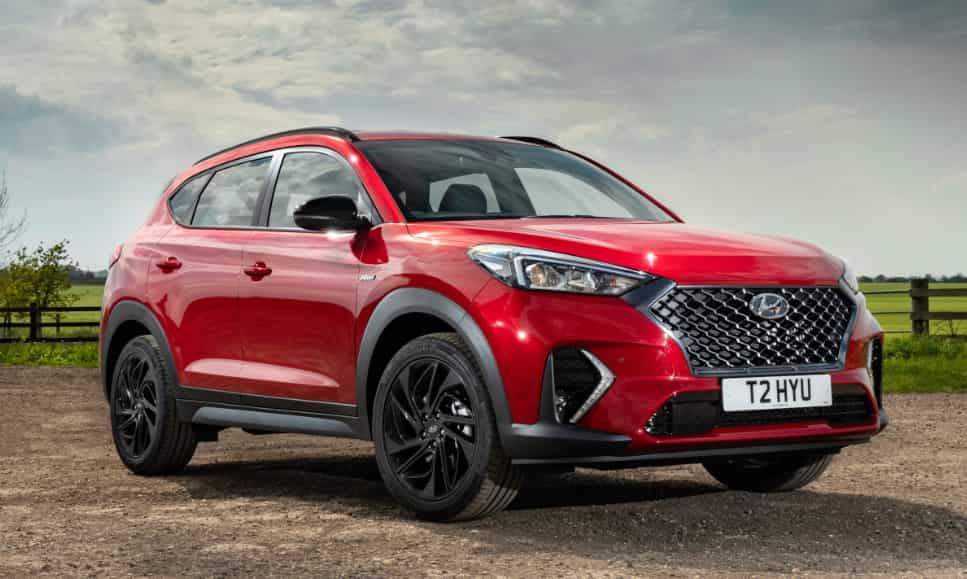
Hyundai Tucson Generations Overview
The Hyundai Tucson has gone through several major generations from 2005 to 2025. Each generation shows clear changes in design, engine technology, and long term reliability. Understanding these differences helps you identify the best year for Hyundai Tucson more accurately.
First Generation 2005 to 2009
The first generation introduced the Tucson as a compact SUV with simple engineering. It used basic engines and focused more on affordability than performance. Many owners liked its low price and easy maintenance. However, the technology feels outdated today. Safety features are limited compared to modern standards. This generation works best for buyers with a very tight budget, but it does not offer strong long term refinement.
Second Generation 2010 to 2015
The second generation improved comfort and design quality. It introduced better interior materials and smoother driving experience. Some engine options still show issues with oil consumption and long term wear. This generation sits in a middle position. It offers better value than the first generation, but it does not reach top reliability levels.
Third Generation 2016 to 2020
The third generation marks a major improvement for the Hyundai Tucson. The design becomes more modern and the driving performance feels more stable. Many reliability issues from older models reduce significantly. Owners report fewer engine complaints and better overall durability. This generation often appears in discussions about the best year for Hyundai Tucson because it balances price and reliability very well.
Fourth Generation 2021 to 2025
The fourth generation brings a complete redesign. It introduces hybrid options, new safety systems, and advanced infotainment. The driving experience becomes more refined and efficient. Early models show some minor software related issues, but overall reliability remains strong. This generation focuses more on technology and fuel efficiency compared to earlier versions.
Best Years for Hyundai Tucson
Choosing the best year for Hyundai Tucson depends on reliability, maintenance cost, and long term performance. Based on expert reviews and owner feedback, some model years clearly perform better than others. These years offer fewer mechanical issues and better overall ownership experience.
2019 Hyundai Tucson
The 2019 model stands out as one of the most reliable choices. It delivers stable engine performance and avoids many problems seen in earlier years. Owners report low maintenance costs and smooth daily driving. This model also benefits from improved safety systems and refined transmission behavior. It fits well for buyers who want a balance between price and reliability in the used car market.
2020 Hyundai Tucson
The 2020 model continues the improvements from the previous year. It offers a more refined driving experience and better interior quality. Reliability remains strong with fewer reports of major engine issues. This year also improves fuel efficiency slightly. Many experts consider it one of the safest choices for long term ownership.
2022 Hyundai Tucson
The 2022 model introduces a complete redesign and modern technology upgrades. It includes hybrid options and advanced safety features. The engine performance feels more efficient and stable. While it is newer and more expensive, it offers strong long term value for buyers who want modern features and reliability together.
Honorable Mentions 2018, 2021, 2023
The 2018 model performs well as a budget friendly option with decent reliability. The 2021 model marks the transition into the new generation with improved design and technology. The 2023 model continues to refine software and safety systems, making it a solid modern choice.
Hyundai Tucson Years to Avoid and Common Problems
Not every model year of the Hyundai Tucson offers good reliability. Some years show repeated issues that can lead to high repair costs and frustration. Understanding these years helps you avoid mistakes when choosing a used SUV.
2011 to 2013 Models
These model years often receive mixed feedback from owners. Many drivers report engine related issues, including oil consumption and reduced long term durability. Some vehicles also show early transmission wear. While the price is attractive, the risk of repairs can be higher compared to newer generations.
2016 Model
The 2016 model marks an early phase of the third generation. Although the design improves, some owners report transmission hesitation and software related driving issues. These problems do not appear in every vehicle, but they happen often enough to affect reliability perception.
Early 2021 Models
The early production of the fourth generation introduces major redesign changes. Some users experience minor electronic system bugs and infotainment glitches. These issues are usually not severe, but they affect driving comfort and user experience during the first production batches.
Why These Years Matter
These weaker years often share similar patterns. They may include less refined engines, early production design flaws, or incomplete system updates. Over time, Hyundai improves these issues in later production years, which is why later models tend to perform better.
When you evaluate the best year for Hyundai Tucson, it is important to compare not only design but also long term reliability history. Avoiding problematic years can save you from unexpected maintenance costs and improve your ownership experience significantly.
Reliability Factors Behind Hyundai Tucson Model Years
Understanding the best year for Hyundai Tucson requires more than comparing rankings. You need to understand what actually creates differences in reliability across model years. Several technical and production factors directly affect long term durability, repair frequency, and overall ownership experience.
Engine design is one of the most important factors. Earlier Tucson generations use simpler engines that are easier to maintain but not always efficient over time. Some older engines show higher oil consumption and faster wear under long term use. Newer engine designs improve combustion control and reduce internal stress. Hybrid systems in recent models also help the engine work less, which improves durability and long term stability.
Transmission quality also plays a major role in reliability. Early models often use basic automatic transmissions that can feel less smooth. Some mid generation vehicles experience shifting hesitation or inconsistent performance. Newer Hyundai Tucson models improve transmission tuning and create smoother gear changes. This reduces mechanical strain and improves driving comfort over time.
Software and electronic systems also influence reliability. Modern Tucson models rely heavily on electronic control systems for safety and driving features. Early versions of new generations sometimes show small software bugs or infotainment issues. However, manufacturers usually fix these problems through updates, which improves stability in later production years.
Manufacturing quality also improves over time. The first years of a new generation often contain minor design flaws. Later production years benefit from updates and improved quality control processes. This is why mid cycle or facelift models often perform better in long term ownership studies.
Finally, maintenance behavior strongly affects reliability outcomes. Regular servicing, oil changes, and proper driving habits can extend vehicle life significantly. Even a strong model year can develop problems if it is poorly maintained, while a weaker year can perform better with good care.
Cost of Ownership by Model Year for Hyundai Tucson
The best year for Hyundai Tucson is not only about reliability. It is also about how much you need to spend during ownership. Costs such as maintenance, repairs, fuel consumption, and insurance can change significantly between different model years. Understanding these differences helps you choose a more practical long term option.
Older Tucson models from 2005 to 2013 usually have lower purchase prices. However, they often require more frequent repairs. Parts may wear out faster due to age and higher mileage. Owners of these models often spend more on maintenance over time even though the initial cost is low. Fuel efficiency is also lower compared to newer generations, which increases long term running cost.
Models from 2014 to 2020 offer a better balance between cost and reliability. Maintenance costs are more predictable and major repairs are less common. Fuel efficiency improves due to better engine technology and transmission updates. Insurance costs also remain reasonable because these models are still widely available and easy to service. This range is often considered the most cost effective for used SUV buyers.
Newer models from 2021 to 2025 have higher purchase prices. However, they offer lower maintenance needs in the early years. Hybrid versions reduce fuel consumption significantly, which helps offset higher upfront costs. Insurance may be slightly higher due to vehicle value, but repair frequency is generally low in the first years of ownership.
Overall, ownership cost depends on how you balance purchase price and long term expenses. If you want the lowest upfront cost, older models may seem attractive. If you want the best long term value, mid generation Tucson models often provide the most stable financial balance.
Expert and Owner Feedback Summary on Hyundai Tucson Reliability
The best year for Hyundai Tucson is often determined not only by technical data but also by real world experience from owners and expert reviews. When combining both perspectives, a clearer picture of reliability starts to appear across different model years.
Experts generally agree that later models within each generation perform better than early production years. This happens because manufacturers often fix early design issues through updates and improved quality control. Automotive reviewers also highlight that mid cycle refresh models tend to offer better reliability compared to first release versions.
Owner feedback provides another important layer of insight. Many drivers report that newer Tucson models feel more stable in daily use, especially from 2018 onward. These vehicles tend to have fewer unexpected repairs and smoother driving performance. Owners of older models, especially from early 2010s, more frequently mention engine wear and higher maintenance needs over time.
Another common pattern in user feedback is the difference in driving experience between generations. Older models are often described as simple and durable but less refined. Newer models receive praise for comfort, safety features, and improved fuel efficiency. However, some owners of early new generation vehicles report minor electronic or software issues during the first years of release.
Long term ownership reviews also show that maintenance habits strongly influence satisfaction. Vehicles that receive regular servicing tend to perform well regardless of model year. However, when comparing identical maintenance conditions, mid to late generation Tucson models consistently receive higher reliability ratings.
Overall, both experts and owners point toward the same conclusion. The most reliable Tucson years are usually found in the middle to later stages of each generation, where design maturity and real world performance are more stable.
Final Verdict on the Best Year for Hyundai Tucson
After reviewing all generations, reliability data, owner feedback, and cost of ownership, we can now clearly identify the best year for Hyundai Tucson. The goal is to find models that offer the best balance between reliability, comfort, and long term value.
The strongest overall choices are found in the third generation, especially from 2018 to 2020. These model years offer stable engine performance, fewer reported mechanical issues, and reasonable maintenance costs. They also benefit from improved safety systems and better driving comfort compared to older generations. For most used car buyers, this range provides the safest balance between price and reliability.
The 2022 model also stands out as a strong modern option. It introduces a complete redesign with better technology, hybrid availability, and improved fuel efficiency. While the purchase price is higher, it delivers strong long term value for buyers who prefer newer features and lower early maintenance needs.
For budget focused buyers, some mid generation models from 2017 to 2018 can still be a good choice if they have a clean service history. These models often offer good durability at a lower entry price, making them attractive in the used SUV market.
At the same time, it is important to avoid early problematic years such as 2011 to 2013 and early production units of new generations. These models carry a higher risk of engine wear, transmission concerns, or early electronic issues.
In conclusion, the best year for Hyundai Tucson depends on your budget and needs. However, most experts agree that late third generation models and well maintained newer models provide the most reliable ownership experience. Choosing carefully within these years can significantly reduce long term costs and improve overall satisfaction.
Conclusion
Choosing the best year for Hyundai Tucson is one of the most important decisions when buying a used compact SUV. Each generation from 2005 to 2025 offers different levels of reliability, performance, and ownership cost. Some model years deliver strong long term value, while others may create higher maintenance risks over time.
Based on expert analysis and owner feedback, the most reliable Hyundai Tucson models are mainly found in the later part of the third generation, especially from 2018 to 2020. These years offer a strong balance between durability, comfort, and affordability. They also show fewer mechanical issues compared to earlier production years. The 2022 model also stands out as a modern option with improved technology, safety features, and fuel efficiency.
At the same time, older models from early 2010s and early production units of newer generations may carry more risks. These vehicles can still be useful in budget segments, but they require more careful inspection and maintenance history checks before purchase.
In the end, there is no single perfect answer for every buyer. The best choice depends on your budget, driving needs, and long term expectations. However, selecting a well reviewed model year can significantly reduce repair costs and improve your ownership experience.
If you are considering a Hyundai Tucson, take time to compare different years carefully before making a decision. A smart choice today can save you thousands in future maintenance and give you a more reliable driving experience for many years.