Imagine owning a full size pickup truck known for durability, reliability, and long term value, only to discover that a major recall could potentially reduce what buyers are willing to pay for it. That concern became very real for many owners after the Toyota Tundra Frame Recall drew widespread attention.
For truck owners, resale value is not just a number. It represents years of investment, maintenance costs, and confidence in the vehicle’s future. When a recall involves something as critical as the frame, concerns become much more serious. Unlike software updates or minor mechanical fixes, frame related issues raise questions about structural integrity, safety, corrosion, and long term reliability.
Many Toyota Tundra owners began asking difficult questions. Will buyers avoid trucks with recall histories? Does a completed repair fully restore value? Is a used Toyota Tundra still worth buying after the frame recall?
These concerns become even more important in the used truck market, where trust heavily influences pricing decisions. Buyers are often willing to pay a premium for peace of mind, and uncertainty surrounding a vehicle’s history can quickly shift negotiations.
In this article, we will explore how the Toyota Tundra Frame Recall affects resale value, buyer psychology, market perception, and whether a repaired truck can still maintain its strong reputation.
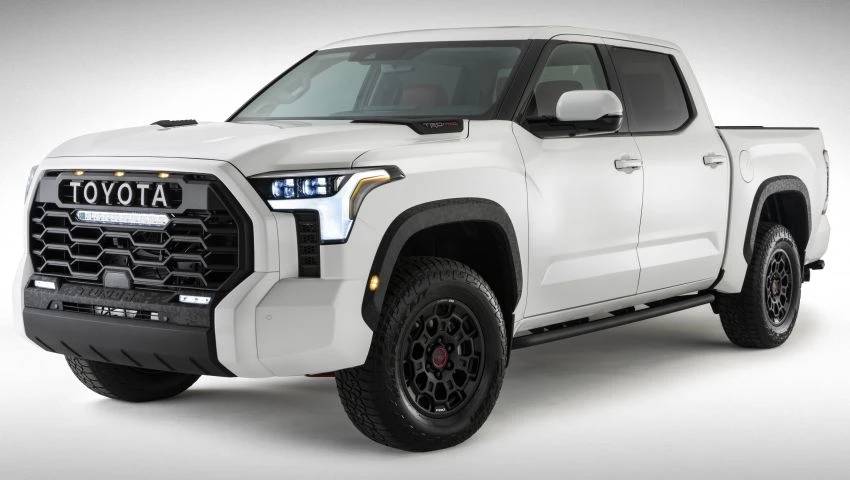
What Is the Toyota Tundra Frame Recall and Why Are Used Truck Buyers Concerned?
To understand the impact on resale value, it is important to first understand why the Toyota Tundra Frame Recall became such a major issue. The recall centered around excessive frame corrosion and rust formation on certain Toyota Tundra model years. In some cases, the corrosion became severe enough to weaken structural components underneath the truck.
For pickup trucks, the frame is far more than just a support structure. It acts as the backbone of the entire vehicle. It supports payload capacity, towing performance, suspension components, and crash protection. When buyers hear that a truck has experienced frame related concerns, many immediately assume the worst.
Unlike minor recalls involving electronics, software updates, or interior features, frame recalls trigger a stronger emotional response. Structural issues create fear because they raise questions that buyers cannot easily answer.
People often wonder whether hidden damage still exists beneath the surface. They worry that repairs may not fully restore factory integrity. Others fear that rust could continue spreading over time even after recall work has been completed.
Interestingly, consumers often forgive engine recalls, infotainment glitches, or sensor failures. Structural defects are viewed differently because they affect confidence at a deeper level. A buyer shopping for a used truck wants reliability and security, especially if the vehicle will be used for towing, off road driving, or family transportation.
This creates an immediate challenge for sellers because perception alone can influence market value even before mechanical condition enters the discussion.
How Buyer Psychology Directly Influences Toyota Tundra Resale Prices
Resale value is not determined only by mileage, age, and maintenance history. Human psychology plays a major role in used vehicle pricing.
The phrase “major recall history” can instantly change how potential buyers view a truck. Even when a vehicle has been professionally repaired, buyers frequently become more cautious.
Imagine two used Toyota Tundra trucks sitting side by side at a dealership.
Truck A has complete documentation showing that all frame recall work was performed by an authorized dealer. Service records are organized and transparent.
Truck B has vague maintenance history and little information regarding recall repairs.
Even if both trucks drive similarly and have identical mileage, many buyers will immediately trust Truck A more. At the same time, they may attempt to negotiate a lower price for Truck B because uncertainty creates leverage.
Fear creates hesitation.
Hesitation creates additional inspections.
Additional inspections often create price negotiations.
This cycle becomes one of the biggest reasons resale values can shift after highly publicized recalls.
Many truck buyers are not engineers or mechanics. They rely heavily on emotions and assumptions when making purchase decisions. A simple internet search exposing major recall headlines can influence perception before the buyer even sees the truck in person.
This becomes especially important because today’s used car shoppers often spend hours researching vehicle history reports before contacting sellers.
Trust has become part of a vehicle’s market value.
Does a Repaired Toyota Tundra Lose the Same Value as an Unrepaired One?
The answer is usually no.
A repaired truck and an unrepaired truck are rarely viewed equally in the used market.
When recall work has been completed properly through authorized channels, owners gain several advantages. Documentation shows accountability and reduces uncertainty. Buyers appreciate transparency because it lowers perceived risk.
A completed repair history can demonstrate that the owner actively maintained the vehicle and addressed issues before they worsened. In many situations, this can prevent significant resale losses.
However, complete recovery is not always guaranteed.
Some buyers continue carrying concerns even after repairs are finished. Questions may still remain:
Was the damage severe before repair?
Was corrosion already spreading?
Could future problems appear years later?
Psychological scars often remain longer than mechanical problems.
This explains why some recalled vehicles continue experiencing slight resale pressure despite proper repairs.
The good news for owners is that a fully repaired Toyota Tundra with detailed service records usually performs substantially better in the resale market than trucks with unresolved issues or unclear maintenance histories.
For sellers, paperwork becomes almost as valuable as the repair itself.
A buyer may forget what was repaired, but they rarely forget uncertainty.
How Much Does a Toyota Tundra Lose in Resale Value After the Frame Recall?
One of the biggest questions owners ask is simple: how much money can the Toyota Tundra Frame Recall actually cost them when it is time to sell?
The answer is more complicated than many people expect because there is no fixed percentage that applies to every truck. Not all recalled vehicles experience the same market reaction. The impact depends on multiple factors including model year, frame condition, repair status, mileage, maintenance records, and geographic location.
A Toyota Tundra with completed recall repairs, detailed service history, and excellent overall condition may experience very little impact on resale pricing. In some cases, buyers view completed repairs as evidence that known issues have already been professionally addressed.
On the other hand, trucks with unresolved frame concerns can face significantly stronger price pressure.
Potential buyers often calculate risk into their offers. If they believe future inspections, repairs, or structural concerns may arise later, they typically reduce what they are willing to pay.
Regional conditions can also create major pricing differences.
For example, trucks operating in areas with snow, road salt, and long winters frequently face increased corrosion exposure. Buyers in these regions often pay extra attention to frame condition because rust damage is more common.
Two Toyota Tundra trucks with identical mileage and appearance can produce very different resale outcomes simply because of geographic history.
This is where many sellers experience frustration.
Owners often believe that because the truck still drives perfectly, market value should remain unchanged. Buyers, however, think differently. Perceived future risk often matters as much as current performance.
In the used truck market, confidence can influence value nearly as much as condition itself.
What Should Buyers Inspect Before Purchasing a Toyota Tundra with Recall History?
For buyers considering a used Toyota Tundra, recall history should not automatically end the conversation. Instead, it should trigger a more careful evaluation process.
One common mistake buyers make is assuming that all recalled trucks are equally risky. In reality, some recalled vehicles become excellent purchases if repairs were completed properly and long term maintenance has been handled responsibly.
Before making a purchase decision, buyers should begin by checking the vehicle identification number. A VIN search can verify whether the truck was included in the recall and whether repair actions were completed.
Next comes one of the most important steps: physically inspecting the underside of the truck.
Surface rust may not always indicate serious concerns, but deep corrosion around structural areas can become a warning sign. Areas near suspension mounting points and frame joints deserve close attention.
Maintenance documentation also matters.
A seller with organized repair invoices and dealership records immediately creates greater confidence. Documentation helps eliminate uncertainty and shows evidence that problems were addressed rather than ignored.
Independent inspections provide another layer of protection.
Many buyers skip this step because they want to save money or trust the seller’s explanation. Unfortunately, structural concerns are not always visible during a quick test drive.
Spending a small amount on a professional inspection today may prevent expensive surprises tomorrow.
The excitement of finding a good deal should never replace careful evaluation.
Is a Used Toyota Tundra Still Worth Buying After the Frame Recall?
Despite concerns surrounding the Toyota Tundra Frame Recall, the answer for many buyers is surprisingly yes.
Toyota Tundra trucks continue maintaining strong reputations for reliability, long term durability, and resale performance. One recall does not automatically erase years of proven ownership history.
The key factor is understanding which truck you are buying.
A Toyota Tundra with completed recall work, clean maintenance records, and a healthy frame condition can still represent excellent value. Buyers may even benefit from reduced pricing because some sellers struggle against negative market perception.
In some situations, recalls can create buying opportunities.
Fear sometimes pushes prices lower than actual vehicle quality would justify. Informed buyers who perform proper inspections can occasionally purchase highly capable trucks at attractive values.
However, caution remains necessary.
Trucks showing signs of severe rust, missing repair documentation, or suspiciously low pricing deserve additional investigation.
If a deal feels unusually good, there is often a reason.
Successful buyers focus less on headlines and more on evidence.
The question should not simply be whether a truck experienced a recall.
The better question is whether the issue was identified, repaired correctly, and supported by documentation.
Those answers often determine value far more than the recall itself.
Conclusion
The Toyota Tundra Frame Recall undoubtedly created concerns among owners and buyers alike, especially when discussions shifted toward resale value. Structural recalls tend to carry more weight than ordinary repair campaigns because they affect confidence, safety perception, and long term reliability in ways that are difficult to ignore.
However, the reality is more nuanced than many people initially assume.
A recall does not automatically destroy a truck’s value. The actual impact often depends on factors such as repair completion, maintenance records, frame condition, and buyer confidence. A well maintained Toyota Tundra with documented recall repairs can continue performing strongly in the used truck market and may retain much of the value owners expect.
What truly influences resale pricing is uncertainty.
Buyers are not only purchasing a vehicle. They are purchasing peace of mind. Missing records, unanswered questions, and signs of neglect can reduce trust far faster than a completed recall ever could.
For current owners, transparency becomes one of the most valuable tools when preparing to sell. Organized documentation and proof of proper repairs can help protect value and reassure hesitant buyers.
For shoppers considering a used Toyota Tundra, the smartest approach is not to avoid recalled vehicles completely. Instead, focus on inspection quality, maintenance history, and verified repair records before making a decision.
Have you owned a Toyota Tundra affected by the frame recall, or are you considering buying one? Share your experience, model year, or thoughts in the comments. Real world ownership stories often reveal insights that statistics alone cannot show.