What if a hidden rust problem beneath your Toyota Tacoma could eventually lead to costly repairs or even compromise your truck’s structural safety?
For decades, the Toyota Tacoma earned a reputation as one of the most dependable midsize trucks on the market. Owners trusted it for off road adventures, daily commuting, towing, and long term reliability. Many buyers specifically chose a Tacoma because they expected durability that could last hundreds of thousands of miles.
Then a serious issue began drawing attention among truck owners across North America. Reports surfaced of excessive frame corrosion appearing underneath certain Tacoma models. In some cases, owners discovered severe rust damage hidden beneath trucks that otherwise looked perfectly maintained. Others learned that Toyota had launched inspection programs and frame replacement initiatives affecting specific model years.
The concern became especially significant in areas with heavy snowfall and road salt exposure. Many owners faced an unexpected problem. Their truck could run perfectly while dangerous corrosion slowly developed underneath the vehicle.
In this guide, we will break down the Toyota Tacoma Frame Recall by model year, identify which trucks were affected, explain why the issue occurred, and help you determine whether your Tacoma could be at risk. Whether you currently own a Tacoma or plan to buy a used one, understanding this issue could save you from expensive surprises later.
You may think you are buying a reliable truck. The real question is whether the frame underneath tells a different story.
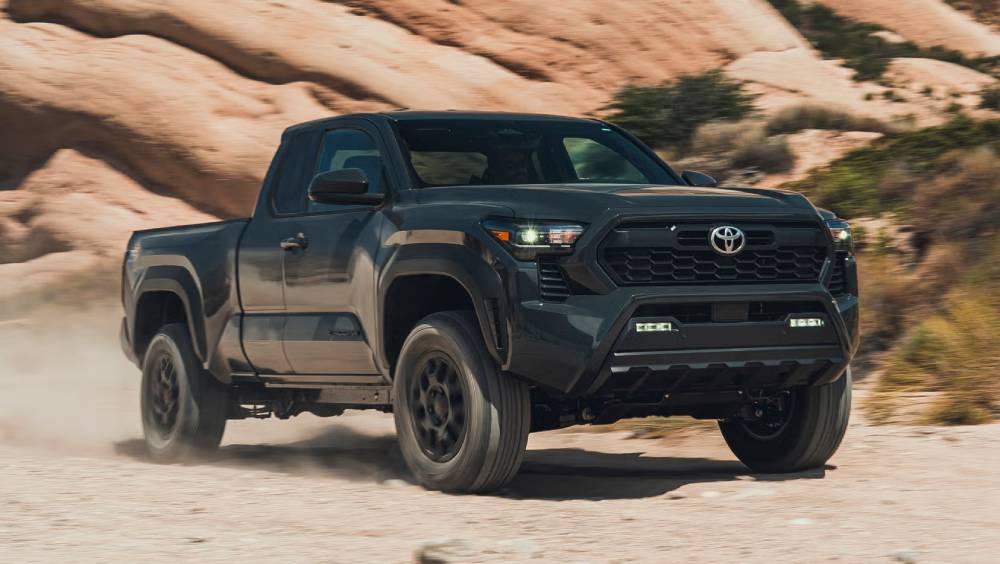
What Was the Toyota Tacoma Frame Recall?
The Toyota Tacoma frame recall became one of the most talked about truck issues among owners because it involved something far more serious than cosmetic damage. Unlike minor defects or isolated mechanical problems, this issue affected the structural foundation of the vehicle itself.
The primary concern was excessive frame corrosion. Over time, rust developed underneath certain Tacoma trucks and gradually weakened the steel frame. In severe cases, corrosion became so extensive that holes formed in the metal. Structural deterioration could eventually affect suspension mounting points and overall vehicle safety.
Many owners were shocked because Tacoma had long been known for reliability and toughness. Drivers expected engine wear or maintenance costs over time, but few anticipated major frame damage appearing underneath relatively well maintained trucks.
The issue became especially common in regions with harsh winters where roads were frequently treated with salt. Road salt, moisture, and years of exposure created ideal conditions for corrosion. While surface rust is common on older vehicles, the Tacoma issue raised concern because the corrosion could become severe enough to impact structural integrity.
Toyota responded by introducing inspection campaigns, warranty extensions, and frame replacement programs for affected trucks in certain regions. In some cases, owners qualified for complete frame replacement if corrosion reached specific thresholds.
An interesting fact many people do not realize is that not every Tacoma owner received a traditional recall notice. Various special service campaigns and extended coverage programs were implemented depending on the model year and region.
For owners, the situation created confusion because two trucks from the same year could have different eligibility depending on location and vehicle history.
Toyota Tacoma Frame Recall by Model Year
Understanding which Tacoma trucks were affected is one of the biggest concerns among owners and used truck buyers. While recall details and support programs varied, several model years became widely associated with frame corrosion concerns.
| Tacoma Model Year | Potential Issue | Common Notes |
|---|---|---|
| 1995 to 2000 | Severe frame corrosion risk | Inspection and replacement programs introduced |
| 2001 to 2004 | Rust related concerns | Regional campaigns varied |
| 2005 to 2010 | Continued corrosion monitoring | Eligibility often depended on inspection |
| Newer years | Lower concern | VIN verification still recommended |
The first generation Tacoma models produced from the mid 1990s through early 2000s became some of the most discussed vehicles regarding frame corrosion concerns. Owners in colder regions often reported accelerated rust development.
The problem appeared most frequently in areas where roads experienced snow and extensive salt use during winter months. States across northern regions saw significantly higher complaint volumes because salt exposure remained a major factor.
For the second generation Tacoma models, concern continued although support programs and inspection processes varied. Vehicle history, geography, and maintenance often played a role in determining whether corrosion became severe.
This creates a major pain point for used truck buyers. A Tacoma may appear clean with low mileage and an excellent engine, yet severe corrosion can hide beneath the vehicle where many buyers never inspect.
Mileage tells only part of the story. The condition underneath often matters more.
Why Did Certain Tacoma Trucks Rust Faster?
One of the biggest questions owners ask is simple. Why did certain Toyota Tacoma trucks develop severe rust while others remained relatively unaffected?
The answer involves several environmental and structural factors working together over time.
Road salt became one of the largest contributors. In many parts of North America, transportation departments spread salt across roads during winter storms to reduce ice buildup and improve driving safety. While effective for roads, salt accelerates corrosion when it repeatedly contacts metal components underneath vehicles.
When moisture combines with road salt, the result becomes even more damaging. Water carrying salt residue can collect around frame sections and remain trapped for long periods. Repeated exposure year after year creates an ideal environment for corrosion.
Climate also played a major role. Trucks operating in snowy northern regions often experienced more severe rust compared with vehicles used in dry climates.
Some experts and owners also pointed to drainage and frame design concerns. Areas where water and debris accumulated could create hidden corrosion spots that owners rarely noticed during routine maintenance.
This issue highlights a mistake many used truck buyers make. People often focus heavily on mileage, paint condition, interior quality, and engine performance while completely ignoring the frame underneath.
A Tacoma with 250,000 miles and a healthy frame may actually represent a safer purchase than a lower mileage truck hiding severe structural corrosion.
The problem beneath the truck often tells a completely different story than what buyers see on the outside.
Warning Signs of Toyota Tacoma Frame Problems
One of the most frustrating aspects of frame corrosion is that serious damage can remain hidden for years before owners notice anything unusual. A Tacoma may drive normally, start every morning, and appear clean from the outside while structural problems slowly develop underneath.
Knowing what warning signs to look for can help prevent expensive repairs and potential safety risks.
Visible rust is often the first sign. Light surface rust on older trucks is common and does not automatically indicate severe damage. The concern begins when corrosion becomes heavy, uneven, or spreads across large sections of the frame.
Flaking metal is another major warning signal. If rusted areas begin peeling apart or layers of metal start separating, corrosion may already be progressing deeper into the frame structure.
Rust holes should never be ignored. Small openings in the metal often indicate that structural deterioration has moved beyond surface level damage. Once holes appear, frame strength may already be compromised.
Owners should also check for soft spots underneath the truck. During inspections, some damaged frames became weak enough that sections could be punctured under pressure.
Cracks near suspension mounting points or structural joints deserve immediate attention. Damage in these areas can affect alignment, ride quality, and overall vehicle stability.
Some drivers reported unusual noises, vibrations, or changes in handling. Although these symptoms can have multiple causes, severe frame deterioration sometimes contributes to suspension movement and unexpected vehicle behavior.
Many owners discover these problems by accident during tire changes, oil service appointments, or routine maintenance. Unfortunately, by that point repair costs can become significant.
The difficult reality is that frame damage rarely becomes cheaper when ignored.
How to Check if Your Tacoma Was Affected
If you own a Toyota Tacoma or plan to purchase a used one, checking whether the truck was affected should become a priority. Spending a few minutes today can potentially save thousands of dollars later.
The first step is locating the Vehicle Identification Number, commonly called the VIN. Most Tacoma owners can find this number on the dashboard near the windshield, inside the driver side door frame, or within vehicle registration documents.
The VIN acts like a fingerprint for your truck. It helps identify manufacturing details, service campaigns, and eligibility information associated with a specific vehicle.
After locating the VIN, owners should review available recall and service campaign information connected to their truck. Toyota support channels and dealership service departments can help determine whether previous inspections or repairs were completed.
The next step involves checking the truck physically. Do not rely entirely on paperwork.
Inspect the frame underneath using a flashlight. Pay close attention to areas near suspension mounts, cross members, wheel wells, and locations where water and debris may accumulate. Surface discoloration can be normal, but deep scaling, holes, or heavy corrosion deserve immediate investigation.
If purchasing a used Tacoma, consider arranging a professional inspection before completing the transaction.
Many buyers become focused on paint quality, mileage, and engine condition while forgetting the most important question.
What does the frame underneath actually look like?
Ten minutes of inspection today may prevent a repair bill worth several thousand dollars tomorrow.
Frequently Asked Questions
Is the Toyota Tacoma frame recall still active?
Coverage and support programs have varied depending on model year, region, and previous inspection history. Some programs expired while others involved extended warranty periods. Owners should verify eligibility using their specific vehicle information.
Which Tacoma years experienced the most reported frame corrosion concerns?
Older Tacoma models from the late 1990s and early 2000s generated many owner reports involving excessive rust and frame deterioration, especially in areas using heavy road salt.
Does Toyota still replace Tacoma frames?
Replacement eligibility depends on multiple factors including prior inspections, program timelines, vehicle condition, and region. Some owners received complete frame replacements while others qualified only for inspections or limited repairs.
Should I avoid buying a used Tacoma from affected years?
Not necessarily. Many affected trucks were inspected and repaired properly. A well maintained Tacoma with a healthy frame can still provide years of reliability. The key factor is careful inspection rather than simply avoiding specific model years.
Can a Tacoma look perfect while still having serious frame issues?
Yes. This became one of the biggest concerns among owners. Some trucks appeared excellent externally while corrosion underneath progressed unnoticed for years.
A clean exterior does not always mean a healthy structure underneath.
Conclusion
The Toyota Tacoma Frame Recall by model year remains an important topic for both current owners and used truck buyers. While Tacoma has built a strong reputation for durability and long term reliability, the frame corrosion issue showed that even highly respected trucks can develop serious structural concerns under certain conditions.
Several model years became associated with rust related problems, particularly vehicles operating in regions with heavy snowfall and road salt exposure. The challenge for many owners was that frame damage often developed quietly. A truck could appear clean, drive normally, and show no obvious warning signs while corrosion slowly progressed underneath.
This creates one of the biggest pain points for buyers entering the used truck market. Many shoppers focus heavily on mileage, engine performance, paint condition, and maintenance records. Those factors matter, but none of them tell the complete story if the frame underneath has experienced significant corrosion.
The good news is that knowledge and inspection can dramatically reduce risk. Checking a VIN, reviewing vehicle history, inspecting the underbody carefully, and seeking a professional opinion can prevent expensive surprises later.
A Tacoma may still be one of the most dependable midsize trucks available, but understanding the Toyota Tacoma Frame Recall issue helps you make smarter decisions before buying or continuing ownership.