You are driving normally, everything feels fine, and then suddenly a message appears on your dashboard: “Braking Power Low.” In a split second, your confidence disappears and your mind jumps to worst case scenarios. Is the braking system failing? Is it still safe to drive? Could the car suddenly lose stopping power?
For many Toyota owners, this warning creates immediate anxiety because brake related issues are among the most concerning vehicle problems. Unlike a simple maintenance reminder or low fuel alert, anything involving the braking system raises serious safety concerns. The uncertainty can be even more stressful because the message itself does not clearly explain what is wrong.
Many drivers assume the warning means complete brake failure, while others ignore it and continue driving as usual. Both reactions can be risky. The reality is that Toyota Braking Power Low does not always mean your brakes have stopped working. However, it often indicates that the vehicle has detected reduced brake assistance or abnormal braking system behavior that should not be ignored.
In this guide, you will learn what the Toyota Braking Power Low warning actually means, why it appears, how dangerous it can be, and the steps you should take before a minor issue turns into an expensive repair or a serious safety risk.
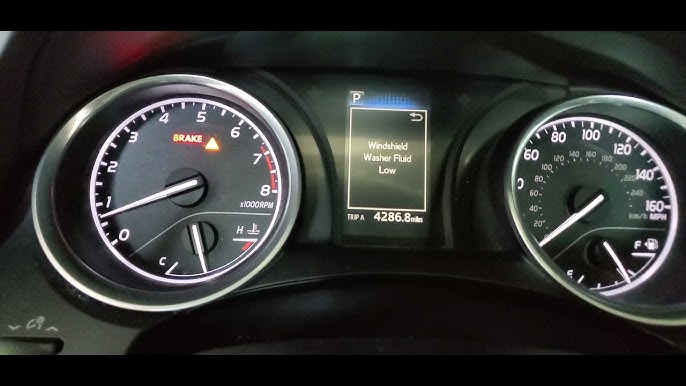
What Does “Toyota Braking Power Low” Mean?
Seeing a Toyota Braking Power Low warning message does not automatically mean your brakes have completely failed. Instead, the alert usually indicates that the vehicle has detected a reduction in braking assistance or a problem affecting how efficiently the braking system operates.
Modern Toyota vehicles use multiple technologies to make braking easier and more effective. Systems such as brake boosters, electronic brake assist modules, sensors, and in hybrid models, regenerative braking systems, all work together to help drivers apply stopping force with minimal effort. When one of these components does not function correctly, the vehicle’s computer may detect reduced performance and trigger the warning.
In many cases, the brakes still work, but they may not feel normal. You may notice that the brake pedal requires significantly more pressure than usual, or the vehicle may need a longer distance to stop. That change in behavior is often what creates concern among drivers.
One common misunderstanding is believing this warning is identical to an ABS fault or worn brake pads. They are not necessarily the same issue. The Toyota Braking Power Low message specifically points toward reduced braking assistance rather than complete brake system failure.
Understanding this difference matters because many drivers panic unnecessarily, while others underestimate the seriousness of the warning and continue driving without inspection.
Common Symptoms That May Appear Along With the Warning
When the Toyota Braking Power Low message appears, the warning often comes with additional symptoms. These signs can provide clues about what part of the braking system is experiencing trouble.
Brake pedal feels harder than normal
One of the most frequently reported symptoms is a brake pedal that suddenly becomes stiff or harder to press. Normally, brake assist systems reduce the effort needed to slow the vehicle. If brake assistance decreases, drivers may feel like they suddenly have to push much harder.
This can be alarming, especially in heavy traffic where quick reactions are critical.
Longer stopping distance
Some drivers notice that the car takes more distance to come to a complete stop. Even if braking still works, reduced assistance can change how quickly the vehicle responds.
This symptom becomes particularly dangerous during highway driving or emergency braking situations.
Multiple dashboard warnings
A braking warning sometimes appears alongside other alerts. Drivers may see messages related to ABS systems, traction control, hybrid systems, or check engine notifications.
Modern vehicles rely on interconnected electronic systems. A problem in one area can trigger several warning lights at the same time.
Strange sounds during braking
Clicking, buzzing, grinding, or pump related noises may appear when pressing the brake pedal.
Some hybrid Toyota models naturally produce electronic sounds during braking. However, unusual or suddenly louder sounds combined with a Toyota Braking Power Low message should never be ignored.
Why Does Toyota Show the Braking Power Low Message?
Many vehicle owners become frustrated because the warning message itself does not identify the exact cause. The phrase sounds serious but gives almost no details.
Several possible problems can trigger this warning.
Brake booster malfunction
The brake booster plays a major role in reducing pedal effort. If it starts failing, the system may not generate enough assistance for normal braking.
Drivers often describe the sensation as feeling like the brakes suddenly became heavy.
Catching a brake booster issue early can save money because small performance issues may eventually lead to complete component replacement if ignored.
Vacuum leak problems
Traditional brake assist systems often rely on vacuum pressure. If a hose develops cracks or leaks, braking assistance may decrease.
Small vacuum leaks can create symptoms that seem minor at first, making diagnosis difficult.
Low brake fluid
Brake fluid is essential for hydraulic pressure throughout the system. If fluid levels drop too low, the system may detect abnormal operation and trigger dashboard warnings.
Low fluid can sometimes indicate worn brake components or hidden leaks elsewhere.
Faulty sensors
Modern Toyota vehicles contain numerous sensors monitoring wheel speed, braking force, pressure levels, and electronic components.
Even if the braking hardware itself works properly, inaccurate sensor readings can activate warning messages.
Hybrid system issues
Hybrid Toyota models use regenerative braking technology, which works differently from conventional systems.
Communication problems between electronic modules or regenerative components can sometimes trigger a Toyota Braking Power Low alert.
Battery and electrical issues
Many drivers never suspect battery health because they immediately focus on brake hardware. However, weak batteries or voltage irregularities can create electronic system errors.
In some situations, replacing or testing the battery resolves what initially appeared to be a major braking problem.
Is It Dangerous to Keep Driving?
One of the first questions drivers ask after seeing the Toyota Braking Power Low warning is simple: Can I keep driving? The answer depends on how the vehicle behaves after the warning appears.
In some situations, the brakes may still function normally with only minor changes in pedal feel. In other cases, braking performance can deteriorate rapidly. That uncertainty is exactly why this warning should never be treated like a routine maintenance reminder.
If you notice that the brake pedal suddenly becomes hard, requires excessive force, or the car takes noticeably longer to stop, you should consider the situation a potential safety risk. Reduced braking assistance may not mean complete brake failure, but even a small decrease in stopping performance can become dangerous during emergency situations.
Imagine driving on a crowded highway or approaching a busy intersection. Under normal conditions, a driver reacts instinctively and expects the vehicle to stop within a familiar distance. When braking behavior changes unexpectedly, those extra few feet can make a major difference.
Drivers sometimes continue driving because they fear towing costs or assume the warning is only a temporary electronic glitch. Unfortunately, delaying inspection can transform a relatively inexpensive repair into a much larger problem.
You should strongly consider stopping immediately if you experience:
• Significantly reduced braking response
• Multiple brake related warning lights appearing together
• Unusual grinding or mechanical noises
• A rapidly changing brake pedal feel
• Strong vibrations during braking
• Difficulty slowing the vehicle
If braking performance feels different in any way, safety should always come before convenience.
What Should You Do Immediately After Seeing the Warning?
Panic is a common reaction when dashboard warnings appear, especially when they involve braking systems. However, staying calm and following a few practical steps can reduce risk and help you make better decisions.
Stay calm and avoid sudden reactions
Many drivers instinctively slam the brakes or immediately pull sharply toward the roadside. Sudden movements can create additional hazards.
Take a breath and focus on how the vehicle feels.
Pay attention to pedal resistance, steering response, and stopping behavior.
Reduce speed gradually
Take your foot off the accelerator and allow the vehicle to slow naturally if possible.
Avoid aggressive braking unless absolutely necessary.
Lower speeds give you more reaction time and reduce potential risk if braking performance decreases further.
Increase following distance
Create extra space between your vehicle and traffic ahead.
Because stopping ability may be reduced, allowing more distance gives you a larger safety margin.
Check for additional warning messages
Modern Toyota systems often display several alerts simultaneously.
You may see ABS notifications, traction control warnings, battery alerts, or hybrid system messages.
Additional warnings can provide important clues regarding the root cause.
Pull over safely if conditions change
If braking suddenly feels abnormal, find a safe place to stop and inspect the situation.
Do not continue driving simply because the vehicle still moves.
Some problems begin with mild symptoms before becoming more severe.
Schedule an inspection quickly
Even if the warning disappears temporarily, diagnostic scanning is still recommended.
Intermittent problems often return later and become harder to diagnose if ignored.
Frequently Asked Questions
Can a weak battery trigger a Toyota Braking Power Low warning?
Yes. Modern Toyota vehicles rely heavily on electronics and communication between control modules. Low voltage from a weak or aging battery can sometimes create system errors and unexpected dashboard warnings.
Drivers often focus entirely on brake components and overlook battery health as a possible cause.
Can I reset the warning myself?
Some warning messages may disappear after restarting the vehicle or disconnecting the battery. However, resetting the message without identifying the root cause does not solve the actual issue.
If an underlying mechanical or electronic problem remains, the warning will often return.
How much does repair usually cost?
Repair costs vary significantly depending on the source of the problem.
Minor sensor issues may involve relatively inexpensive fixes, while brake booster replacement or hybrid system repairs can become much more costly.
Early diagnosis is usually the most effective way to avoid larger expenses later.
Which Toyota models commonly report this issue?
Online owner reports frequently mention vehicles such as Toyota RAV4, Corolla, Camry, Prius, and several hybrid models.
However, this does not necessarily indicate a widespread defect. Different causes can produce similar warning messages across many Toyota vehicles.
Conclusion
The Toyota Braking Power Low warning is one of those dashboard alerts that can instantly create stress and uncertainty. Because it involves the braking system, many drivers immediately assume the worst. While the message does not always indicate complete brake failure, it should never be ignored or dismissed as a minor electronic issue.
In many cases, the warning simply means the vehicle has detected reduced braking assistance or abnormal system behavior. The cause may range from something relatively simple such as low brake fluid, sensor problems, or battery issues to more serious concerns involving brake boosters or hybrid braking components. The challenge is that the warning itself rarely tells you exactly what went wrong.
The most important thing to remember is this: your vehicle may still be drivable, but changes in braking performance can quickly become a safety issue. Paying attention to symptoms such as a hard brake pedal, increased stopping distance, or additional dashboard alerts can help you decide whether immediate action is necessary.
Have you experienced the Toyota Braking Power Low warning in your own vehicle? Did the issue turn out to be minor or something more serious? Share your experience in the comments. Your story could help other Toyota owners understand what to expect and potentially avoid expensive repairs or dangerous situations.