Imagine driving your Toyota RAV4 every day without realizing that a hidden safety issue could be sitting right in front of you. Airbags are designed to protect lives during serious accidents, acting as one of the most critical safety systems in modern vehicles. But when manufacturers issue an airbag recall, confidence can quickly turn into uncertainty.
The Toyota RAV4 has built a strong reputation for reliability, practicality, and safety. Families, commuters, and adventure seekers around the world trust it as a dependable SUV for everyday life. However, over the years, airbag related recalls have affected numerous vehicles across the automotive industry, including certain Toyota RAV4 models. These recalls can involve faulty inflators, sensor malfunctions, or deployment issues that may reduce protection or create additional risks during a collision.
One of the biggest problems is that many owners never realize they are driving a vehicle with an open recall. Some assume previous owners already handled repairs. Others ignore warning lights or never receive official notifications. Unfortunately, discovering a safety problem after an accident is the last situation anyone wants to face.
In this complete Toyota RAV4 Airbag Recall guide for 2026, you will learn which model years may be affected, how to check your vehicle status using a VIN lookup, warning signs to watch for, and what actions every owner should take immediately.
What Is the Toyota RAV4 Airbag Recall?
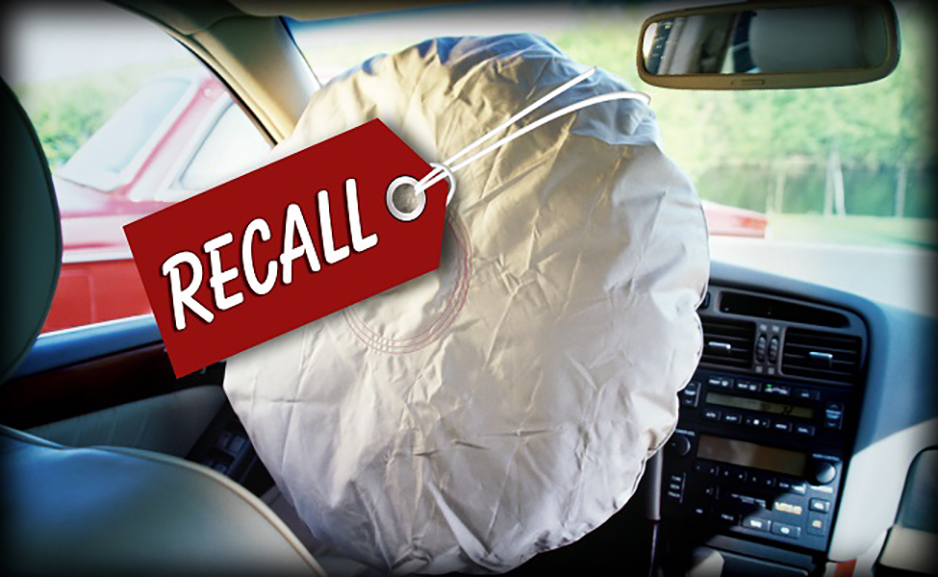
An airbag recall is a safety action issued by a vehicle manufacturer when a component related to the airbag system may not function as intended. Since airbags are designed to reduce injury risk during accidents, even a small defect can become a serious concern. When a recall is announced, manufacturers investigate the issue and provide repairs or replacements at no cost to vehicle owners.
For Toyota RAV4 owners, airbag recalls can involve several potential issues. In some cases, the problem may be linked to defective inflators that deploy with excessive force or fail to deploy entirely. Other recalls may involve sensors, electronic control modules, wiring systems, or passenger detection components that influence when and how airbags activate.
One of the most widely discussed airbag issues in automotive history involved defective inflators used across multiple manufacturers. These defects raised awareness among consumers and significantly changed how vehicle safety recalls are handled globally.
Millions of vehicles worldwide have experienced airbag related recalls over the last decade, making it one of the largest safety campaigns in automotive history.
For many drivers, the concern goes beyond technical details. The uncertainty itself creates anxiety. Owners often ask themselves whether their vehicle is still safe for daily commuting, road trips, or transporting family members. Because airbags are designed to protect passengers during life threatening situations, any defect naturally becomes a major safety concern.
Understanding what a recall actually means is the first step toward taking the right action and avoiding unnecessary risks.
Which Toyota RAV4 Model Years Have Been Affected?
Over the years, several Toyota RAV4 model years have been associated with various recall campaigns involving safety systems, including airbag related concerns. Not every recall affects every vehicle, and not all issues involve the same components. The exact impact depends on production date, manufacturing location, trim level, and installed equipment.
Many vehicle owners make the mistake of assuming that if their RAV4 model year appears online, their vehicle automatically has the same issue. In reality, recalls are often highly specific. Two vehicles produced only weeks apart can have entirely different recall statuses.
Below is a simplified example of how recall information may be presented:
| Model Year | Recall Type | Potential Issue |
|---|---|---|
| 2007–2008 | Airbag System | Inflator concerns |
| 2009–2012 | Occupant Detection | Sensor malfunction |
| Selected years | Safety Campaign | Electronic component issue |
It is also important to understand the difference between a recall and a Technical Service Bulletin.
A recall addresses a safety related issue identified by the manufacturer or regulators and requires corrective action. Repairs are typically provided free of charge.
A Technical Service Bulletin, often called a TSB, is different. It informs dealerships about known issues and recommended repair procedures but does not necessarily indicate a safety threat.
Many owners researching the Toyota RAV4 airbag recall become overwhelmed by scattered information online. One article may mention one year while another source lists different models. This confusion is especially common among second hand vehicle buyers who are uncertain whether previous repairs were completed.
The safest approach is to verify your specific vehicle rather than relying solely on model year information.
Signs Your Toyota RAV4 Might Have an Airbag Problem
Many drivers assume that if their vehicle appears to run normally, everything must be fine. Unfortunately, airbag related problems do not always produce obvious symptoms. Some issues remain hidden until a diagnostic inspection identifies them.
One of the most common warning signs is the airbag warning light on the dashboard. This indicator may appear as an icon showing a seated passenger with an inflated airbag or as an SRS warning message. If the light remains illuminated or flashes unexpectedly, the system may have detected a fault.
Other symptoms may include:
• Persistent SRS warning light
• Dashboard safety alerts
• Electrical irregularities
• Malfunctioning seat occupancy sensors
• Airbag system communication errors
• Previous collision repair history
Vehicle owners who purchased used Toyota RAV4 models should pay special attention. Previous accidents and aftermarket repairs can sometimes affect sensor calibration or wiring connections. In some situations, cosmetic repairs may hide deeper issues that are not immediately visible.
One of the biggest misconceptions among owners is believing that no warning light means no danger exists. Certain recall related defects may not trigger dashboard alerts at all.
That is why relying solely on visible symptoms can create a false sense of security. A quick inspection or VIN recall check often reveals information that dashboard indicators cannot.
How to Check Your Toyota RAV4 Recall Status Using VIN
If you own a Toyota RAV4, one of the most important actions you can take is checking whether your vehicle has an active recall. Fortunately, manufacturers and safety agencies have made the process relatively simple. A VIN lookup can reveal open recalls specifically tied to your vehicle rather than general information about a model year.
VIN stands for Vehicle Identification Number, a unique code assigned to every vehicle. Think of it as your SUV’s fingerprint. Since recalls often depend on production dates, factory locations, and installed components, using the VIN provides much more accurate results than searching by model year alone.
Here is a simple process owners can follow:
Step 1: Locate your VIN
The VIN is commonly found in several locations:
• On the lower driver’s side of the windshield
• Inside the driver’s side door frame
• Vehicle registration documents
• Insurance paperwork
Step 2: Visit an official recall lookup website
Manufacturers and transportation safety agencies provide recall search tools where owners can enter their VIN and check open campaigns.
Step 3: Enter your VIN carefully
Even a single incorrect digit may generate inaccurate results, so double check all characters before submitting.
Step 4: Review active recall information
If your vehicle has an open recall, you may see details about affected components, safety risks, and recommended next steps.
Step 5: Contact an authorized dealership
If a recall exists, schedule an appointment as soon as possible.
Many owners delay this process because they believe recall repairs involve complicated paperwork, high expenses, or long waiting periods. In reality, checking your VIN takes only a few minutes and can provide peace of mind.
A surprising number of drivers discover open recalls years after purchasing a used vehicle. Some never received notifications because ownership information was outdated. Others assumed the issue had already been resolved.
Taking a few minutes today could help prevent larger problems tomorrow.
Is It Safe to Drive a Recalled Toyota RAV4?
This is usually the first question owners ask after discovering a recall notice.
The answer depends on the specific issue involved. Not all recalls carry the same level of urgency. Some recalls address relatively minor concerns, while others involve critical safety systems that may increase injury risk during an accident.
When the recall involves airbags, owners should pay close attention because these systems exist specifically to protect vehicle occupants during high impact events. A malfunction could potentially lead to airbags deploying unexpectedly, deploying improperly, or failing to activate when needed most.
Certain situations may require immediate action:
• Airbag warning lights continuously remain illuminated
• Recall notices specifically advise limiting vehicle use
• Previous collision damage may affect system performance
• Symptoms appear alongside electrical issues
For families who use the Toyota RAV4 as a daily vehicle, uncertainty creates understandable stress. Parents transporting children naturally want reassurance that all safety systems function correctly.
Some owners continue driving because the vehicle seems completely normal. Others postpone appointments because of work schedules or the inconvenience of visiting a dealership.
Unfortunately, safety issues often remain invisible until a dangerous situation occurs.
That does not necessarily mean every recalled vehicle should stop being driven immediately. Instead, owners should carefully review the recall details and follow manufacturer guidance. The severity of the defect matters.
Ignoring an active recall simply because a vehicle appears fine can become a costly mistake.
What Happens During Recall Repair?
Many drivers feel nervous before scheduling a recall appointment because they do not know what to expect. Some worry about hidden fees. Others fear being without a vehicle for several days.
Fortunately, recall repairs are usually far simpler than people imagine.
When you arrive at an authorized dealership, technicians first verify your VIN and confirm that the vehicle is included in an active campaign. After inspection, trained service staff identify whether the repair applies to your specific configuration.
Depending on the recall, repairs may involve:
• Replacing airbag inflators
• Updating software
• Repairing sensors
• Replacing control modules
• Inspecting electrical connections
Repair times vary depending on the issue and parts availability. Some repairs may take less than an hour, while others could require additional inspection time.
One important fact brings relief to many owners.
Federal safety recall repairs are generally performed at no charge to vehicle owners.
This surprises many people because some assume recalls function like ordinary repairs. Instead of paying diagnostic fees or labor costs, owners usually receive repairs covered by the manufacturer.
A common pain point appears when parts availability becomes limited during large recall campaigns. High demand can occasionally create waiting periods, especially if millions of vehicles are involved.
Even with potential delays, scheduling service quickly remains the safest choice.
Buying a Used Toyota RAV4? Read This First
Buying a used Toyota RAV4 can be an excellent decision. The model has earned a strong reputation for reliability, fuel efficiency, and long term value. Many buyers choose a pre owned RAV4 because it offers practicality at a lower price compared to purchasing a new SUV.
However, there is one important issue many shoppers overlook before signing paperwork: open recalls.
A vehicle may appear to be in excellent condition on the outside while still carrying unresolved safety concerns. Clean paint, low mileage, and a detailed service history do not automatically guarantee that all recall repairs have been completed.
This becomes especially important when researching the Toyota RAV4 airbag recall.
Many second owners assume previous owners already handled recall work. Unfortunately, that assumption can create problems. Some owners ignore notifications, move to a new address, sell the vehicle quickly, or simply never become aware of the issue.
A used SUV that initially seems like a bargain can quickly become a frustrating experience if unresolved safety issues emerge later.
Before purchasing a used Toyota RAV4, consider the following checklist:
• Obtain the VIN before making payment
• Check for open recall campaigns
• Review maintenance and repair records
• Ask sellers for recall documentation
• Inspect accident history reports
• Confirm repairs through an authorized dealership if necessary
Buyers should also pay attention to previous collision repairs. Airbag systems depend on sensors, modules, and electrical connections functioning correctly. Poor quality repairs after an accident can sometimes create additional complications.
Many people spend hours negotiating price, comparing trim levels, and evaluating cosmetic condition, yet overlook a basic recall check that takes only minutes.
A few minutes of research before purchasing can save significant time, money, and stress later.
Frequently Asked Questions
Can I drive my Toyota RAV4 during an airbag recall?
The answer depends on the specific recall issue. Some recalls involve lower risk concerns while others affect critical safety systems. Review official recall instructions carefully and contact a dealership if immediate action is recommended.
How long does a recall repair take?
Repair times vary depending on the issue and parts availability. Some repairs may be completed within an hour, while more complex procedures can require additional time.
Are Toyota recall repairs free?
In most cases, safety recall repairs are performed at no cost to vehicle owners. Manufacturers generally cover replacement parts and labor expenses.
Will Toyota notify second owners?
Manufacturers attempt to notify current registered owners. However, if ownership records are outdated, notifications may never arrive. This is one reason VIN checks remain important for used vehicle buyers.
Can an unresolved recall affect resale value?
Yes. Open recalls can influence buyer confidence and may affect resale negotiations. Many shoppers now check vehicle history reports and safety campaigns before purchasing.
Conclusion
The Toyota RAV4 continues to be one of the most trusted SUVs on the market, known for practicality, comfort, and long term reliability. However, even highly respected vehicles can occasionally face safety related issues that require attention.
The Toyota RAV4 airbag recall reminds owners that staying informed is just as important as routine maintenance. Airbags exist to protect passengers during critical moments, and any issue involving such an essential safety system deserves immediate attention.
The good news is that checking your vehicle status has never been easier. A quick VIN search can reveal whether your SUV has an active recall and help you take action before a minor concern becomes a serious problem.
Do not wait for a dashboard warning light or an unexpected situation on the road to discover there is an issue. Taking a few minutes to verify your Toyota RAV4 recall status today can provide peace of mind and ensure your vehicle delivers the safety you expect.