You finally inflated your Toyota Camry tires to the correct pressure, started the car, and expected the warning light to disappear. But the TPMS light is still staring back at you from the dashboard. Sound familiar? Many Toyota Camry owners experience the same frustration and immediately assume there is a sensor failure or an expensive repair waiting ahead.
In reality, the issue is often much simpler. The challenge is that the Toyota Camry TPMS reset button is not always easy to find, and its location changes depending on the model year. Older Camry models often include a physical reset button hidden beneath the dashboard, while newer versions may move the reset process entirely into the vehicle settings menu.
This confusion causes many drivers to waste time searching under the steering wheel, reading forums, or even scheduling unnecessary service appointments. If you have been asking yourself, “Where is the Toyota Camry TPMS reset button?” you are in the right place.
This guide will show you exactly where to find the TPMS reset button on different Toyota Camry generations, explain how to reset the tire pressure warning light correctly, and help you avoid common mistakes that keep the warning light from turning off.
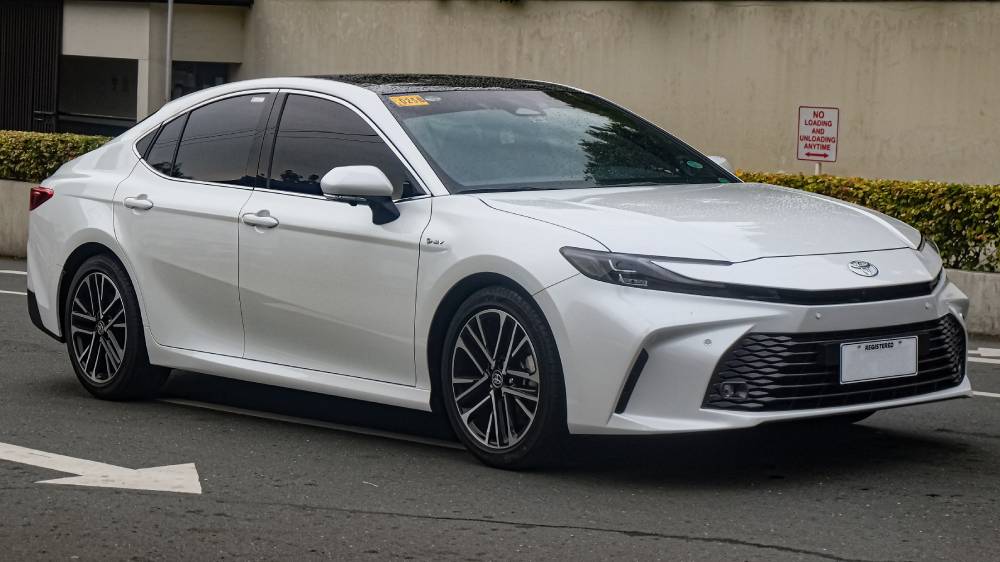
What Is the Toyota Camry TPMS Reset Button?
Before searching for the Toyota Camry TPMS reset button, it helps to understand what it actually does and why your vehicle may need it.
TPMS stands for Tire Pressure Monitoring System. It is a safety feature designed to monitor the air pressure inside your tires and alert you when one or more tires fall below the recommended level. The system helps improve handling, fuel efficiency, tire life, and overall driving safety.
When tire pressure drops too low, a warning symbol usually appears on your dashboard. In many Toyota Camry models, this warning looks like a horseshoe-shaped icon with an exclamation mark in the center. While the alert is useful, it can become frustrating when the light remains on even after the tires have been properly inflated.
This is where the Toyota Camry TPMS reset button becomes important. After correcting tire pressure, the system may need to recalibrate and store the new values. Pressing the reset button tells the vehicle to recognize the current tire pressures as the new baseline.
There are several situations where a TPMS reset may be necessary:
• After inflating or deflating tires
• After rotating tires
• After replacing a tire
• After installing new TPMS sensors
• Following seasonal temperature changes
Many drivers assume a TPMS warning automatically means a flat tire. Interestingly, temperature shifts alone can trigger the light. For every drop of approximately 10 degrees Fahrenheit, tire pressure can decrease by around 1 to 2 PSI. This is one reason TPMS warnings appear more often during colder months.
Understanding this basic function can save time and prevent unnecessary repairs before assuming there is a larger problem.
Where Is the Toyota Camry TPMS Reset Button by Model Year?
One reason drivers struggle to locate the Toyota Camry TPMS reset button is that Toyota changed the location over the years. Depending on the generation of your Camry, the reset button may be hidden under the dashboard or removed entirely in favor of digital settings.
Toyota Camry 2007 to 2011
In older Toyota Camry models, the TPMS reset button is usually a small black button located beneath the dashboard on the driver’s side.
Look in these areas:
• Under the steering wheel
• Near the lower dashboard panel
• Close to the driver’s knee area
• Around other switches and controls
Because the button is small and often blends into the dashboard trim, many owners overlook it during their first search.
Toyota Camry 2012 to 2017
Toyota maintained a similar design in these model years, but button placement can vary slightly depending on trim level and market configuration.
Common locations include:
• Under the steering column
• Near the trunk release switch
• Beside traction control buttons
• Along the lower dashboard panel
Drivers often become frustrated because the button is not labeled clearly. Instead of displaying large text, it may simply show a TPMS symbol.
Toyota Camry 2018 to 2026
Newer Toyota Camry generations changed the process significantly. Many models no longer use a physical Toyota Camry TPMS reset button.
Instead, reset functions may be accessed through the infotainment system:
Open Settings
Select Vehicle Settings
Choose TPMS or Tire Pressure
Select Set Pressure or Initialize
Many owners spend several minutes searching around the dashboard before realizing there is no button at all. This is one of the most common sources of confusion among newer Camry drivers.
Checking your owner’s manual can save considerable time if you are uncertain about your exact model configuration.
How to Reset Toyota Camry TPMS After Finding the Button
Once you locate the Toyota Camry TPMS reset button, the reset process itself is usually simple. However, small mistakes can prevent the warning light from turning off, which causes many drivers to think something is broken.
Follow these steps carefully:
Step 1: Inflate all tires to the recommended pressure listed on the driver’s door sticker.
Do not rely only on visual inspection. A tire can look normal and still be underinflated.
Step 2: Turn the ignition key to the ON position without starting the engine.
For push-button start models, press the start button without pressing the brake pedal.
Step 3: Press and hold the TPMS reset button.
Continue holding until the tire pressure light blinks three times.
Step 4: Release the button and start the vehicle.
Step 5: Drive normally for approximately 10 to 20 minutes.
This allows the system to complete calibration and detect updated pressure values.
One of the most common mistakes happens before the reset even begins. If one tire still has incorrect pressure, the system may reject the reset procedure entirely.
Another issue occurs when drivers press the button too briefly. Holding the button for only one second may not trigger recalibration.
Patience matters during this process. Some TPMS systems require driving time before the warning light disappears completely.
Toyota Camry TPMS Reset Button Not Working?
You followed every step, located the Toyota Camry TPMS reset button, held it down correctly, and drove the vehicle afterward. Yet the tire pressure warning light still refuses to turn off. This situation is more common than many drivers think and does not always mean an expensive repair is necessary.
Several issues can prevent the TPMS system from resetting successfully.
One of the most common causes is incorrect tire pressure. Even if three tires are properly inflated, one tire with pressure slightly outside the recommended range can prevent the system from recalibrating. Many drivers also forget to check the spare tire. Certain Toyota Camry models monitor spare tire pressure as part of the system.
A failing TPMS sensor is another possibility. TPMS sensors contain internal batteries that do not last forever. Most sensor batteries function for approximately five to ten years. Once the battery weakens, the sensor may stop communicating with the vehicle.
Sensor damage can also happen after tire replacements, wheel impacts, or rough road conditions. In some situations, sensors may need reprogramming or relearning after installation.
Another warning sign involves a blinking TPMS light. If the light flashes for about one minute before remaining solid, the issue often points toward a system malfunction rather than low tire pressure.
If your reset attempts continue failing, these troubleshooting steps may help:
Check all four tires and the spare tire
Verify pressure using a tire gauge
Drive the vehicle for fifteen to twenty minutes
Inspect for visible tire damage
Consider TPMS sensor battery age
Review your owner’s manual for relearn procedures
Sometimes the reset button is not the problem at all. The warning system itself may simply require additional diagnosis.
Common Mistakes Drivers Make During a TPMS Reset
Many Toyota Camry owners unknowingly create reset problems by making small errors during the process. These mistakes often lead people to assume the vehicle has a major sensor issue.
The first mistake is resetting the system before adjusting tire pressure. The TPMS system records current tire values as normal settings. If tire pressure remains incorrect during reset, the warning light may continue appearing.
Another common issue is using pressure numbers from online sources instead of checking the driver’s side door sticker. Recommended PSI can vary depending on trim level, tire size, and wheel package.
Some drivers perform the reset immediately after driving. Tire pressure naturally rises as tires heat up, creating inaccurate readings. For best results, check tire pressure while tires are cold.
Drivers also frequently release the Toyota Camry TPMS reset button too quickly. Holding it for only a second or two may not initiate calibration.
Finally, many owners expect instant results. Certain systems require several minutes of driving before the computer fully updates sensor information.
Avoiding these simple mistakes can save time and eliminate unnecessary frustration.
Frequently Asked Questions
No. Older Toyota Camry models usually include a physical TPMS reset button beneath the dashboard. Newer generations often integrate reset functions into the infotainment or vehicle settings menu.
Why is my TPMS light still on after resetting?
Persistent warning lights can happen because of incorrect tire pressure, faulty sensors, low sensor batteries, spare tire pressure issues, or sensor communication problems.
Can I drive with the TPMS warning light on?
You can continue driving temporarily, but ignoring the warning for long periods is not recommended. Low tire pressure may reduce fuel efficiency, increase tire wear, and affect vehicle handling.
How long does a TPMS reset take?
The reset itself usually takes less than one minute. However, system recalibration may require ten to twenty minutes of driving before the warning light turns off completely.
How often should TPMS sensors be replaced?
Most TPMS sensors typically last between five and ten years depending on driving conditions, battery life, and usage patterns.
Conclusion
Finding the Toyota Camry TPMS reset button can feel surprisingly difficult, especially when Toyota places it in different locations across model years. Older Camry models often hide the button beneath the steering wheel or lower dashboard area, while newer versions may eliminate the physical button entirely and move the process into the vehicle settings menu.
Understanding these differences can save drivers from unnecessary stress, wasted time, and expensive service visits. Many owners immediately assume a dashboard warning means sensor failure or tire damage. In reality, the solution is often much simpler. Correct tire pressure combined with the proper reset procedure can solve the problem in just a few minutes.
It is also important to remember that resetting the system is only one part of the process. Tire pressure should always be checked carefully, especially during seasonal temperature changes that can affect readings. If the warning light remains on after multiple reset attempts, sensor batteries, relearn procedures, or hardware issues may require further attention.
The next time you ask yourself, “Where is the Toyota Camry TPMS reset button?” you will know exactly where to look and what steps to follow.
Have you experienced a TPMS warning that would not turn off even after a reset? Share your experience in the comments. Your solution might help another Toyota Camry owner avoid the same frustration.