A Mercedes-Benz is engineered to deliver exceptional comfort, performance, and luxury in every driving condition. One of the most important systems contributing to that comfort is the air conditioning system. Whether you’re driving through scorching summer heat or dealing with high humidity, a properly functioning AC system keeps the cabin cool, improves air quality, and enhances every journey. However, even the most advanced climate control system cannot perform at its best forever. Over time, refrigerant levels can gradually decrease, reducing cooling efficiency and making your air conditioner work harder than it should.
If you’ve noticed your Mercedes air conditioning blowing warm air, taking longer to cool the cabin, or cycling on and off more frequently than usual, you may be wondering whether a Mercedes Air Conditioning Recharge is all that’s needed. While low refrigerant is one of the most common causes of poor cooling performance, it is not always the only issue. Refrigerant leaks, worn seals, damaged condensers, or compressor problems can produce similar symptoms, making a professional inspection just as important as the recharge itself.
This comprehensive guide explains everything Mercedes owners need to know about Mercedes Air Conditioning Recharge. You’ll learn how the system works, the warning signs of low refrigerant, the differences between R134a and R1234yf refrigerants, the complete recharge process, estimated service costs, and maintenance recommendations for popular models including the C-Class, E-Class, S-Class, GLC, GLE, GLS, CLA, and A-Class. By understanding how your vehicle’s climate control system operates, you can make informed maintenance decisions, prevent expensive repairs, and keep your Mercedes delivering the premium driving experience it was designed to provide.
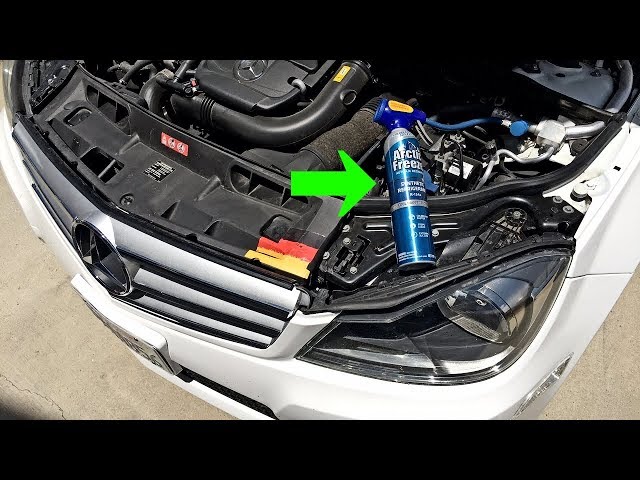
How Does the Mercedes Air Conditioning System Work?
The air conditioning system in a Mercedes is designed to do far more than simply blow cold air into the cabin. It is part of a sophisticated climate control network that regulates temperature, humidity, airflow, and passenger comfort. Depending on the model and trim level, the system may also include automatic multi zone climate control, sunlight sensors, air quality monitoring, and independent settings for different seating areas.
The cooling process begins with the compressor. Powered by the engine or an electric drive system, the compressor pressurizes the refrigerant and moves it through the air conditioning circuit. As the refrigerant becomes compressed, its temperature and pressure rise.
The refrigerant then travels to the condenser, which is usually located near the front of the vehicle. Air passing through the condenser removes heat from the refrigerant, allowing it to change from a hot gas into a high pressure liquid.
Next, the refrigerant passes through an expansion valve. This component reduces the pressure of the refrigerant and controls how much enters the evaporator. As the pressure drops, the refrigerant becomes much colder.
Inside the evaporator, the cold refrigerant absorbs heat from the cabin air. A blower fan pushes this cooled and dehumidified air through the vents. The refrigerant then returns to the compressor, and the cycle begins again.
Mercedes vehicles may use different refrigerants depending on the model, production year, and regional specification. Many older vehicles use R134a, while a large number of newer models use R1234yf. These refrigerants must never be mixed because they have different chemical properties, service requirements, and environmental characteristics.
The correct refrigerant type and charge quantity are usually listed on a label inside the engine compartment. Using the wrong product or adding an incorrect amount can reduce cooling performance and place unnecessary strain on the compressor.
A proper Mercedes Air Conditioning Recharge is therefore not simply a matter of adding gas. The technician must identify the correct refrigerant, measure system pressure, remove moisture, check for leaks, and refill the circuit with a precise quantity.
Signs Your Mercedes Needs an Air Conditioning Recharge
One of the clearest signs that your Mercedes may need an air conditioning recharge is warm or slightly cool air coming from the vents. The fan may still operate normally, but the cabin does not reach the selected temperature. This problem often becomes more noticeable during hot weather or when the vehicle has been parked in direct sunlight.
Another warning sign is a noticeable reduction in cooling speed. A healthy system should begin lowering the cabin temperature soon after it is switched on. When refrigerant levels are low, the system may take much longer to create a comfortable environment. This can be especially frustrating in larger vehicles such as the GLE or GLS, where the air conditioner must cool a greater interior space.
You may also notice that the system performs reasonably well while driving but becomes warmer when the vehicle is stationary. Although this symptom can be related to condenser airflow or cooling fan problems, low refrigerant may also contribute to inconsistent performance.
Frequent compressor cycling is another possible indicator. The compressor may switch on and off repeatedly because the system cannot maintain the correct operating pressure. Some Mercedes models may protect the compressor by disabling air conditioning operation when refrigerant pressure falls below a safe level.
Unusual sounds should not be ignored. Hissing may indicate refrigerant moving through a restricted area or escaping from a leak. Clicking, grinding, or rattling noises could point to a compressor, pulley, or electrical issue rather than a simple recharge requirement.
A musty smell from the vents is usually associated with bacteria, moisture, or a dirty cabin filter, but it can appear alongside poor cooling performance. Replacing the cabin air filter and cleaning the evaporator may improve air quality, although these services will not correct a low refrigerant level.
Visible oily residue around air conditioning hoses, connectors, or the condenser may suggest a leak. Refrigerant itself evaporates quickly, but compressor oil often escapes with it and leaves a greasy stain.
These symptoms do not automatically mean that a recharge will solve the problem. A failed pressure sensor, damaged condenser, blocked expansion valve, faulty compressor, or electrical malfunction can create similar conditions. This is why an accurate diagnosis should come before any Mercedes AC recharge.
Ignoring weak cooling can eventually become expensive. Low refrigerant also means reduced oil circulation within the system, which may increase compressor wear. Addressing the issue early can help prevent a relatively manageable service from turning into a major repair.
What Causes Refrigerant Loss in a Mercedes?
An automotive air conditioning system is a sealed circuit, so refrigerant is not normally consumed in the same way as engine oil or fuel. If the refrigerant level becomes significantly low, there is usually a leak somewhere in the system.
Seals and flexible hoses are common sources of gradual refrigerant loss. Over time, rubber components can dry out, harden, shrink, or develop small cracks. Heat from the engine compartment, vibration, pressure changes, and age can all affect their condition.
Connection points can also leak. The air conditioning system contains several fittings and joints, each of which may rely on an O ring or sealing washer. Even a very small fault can allow refrigerant to escape slowly over several months.
The condenser is particularly vulnerable because it is positioned at the front of the car. Stones, road debris, corrosion, and minor impacts can damage its thin metal surface. A small puncture may not be immediately visible, but it can gradually release the entire refrigerant charge.
The compressor may develop leaks around its shaft seal, housing, or connection ports. Compressor leakage can be more serious because the unit depends on refrigerant and oil circulation for lubrication. Running the system with an insufficient charge may increase the risk of internal damage.
The evaporator can also leak, although the problem may be more difficult to identify because this component is located behind the dashboard. Signs may include repeated refrigerant loss, a chemical odor inside the cabin, or traces of dye near the evaporator drain.
Accident damage is another possible cause. Even if the exterior repair appears minor, an impact near the front bumper, grille, wheel arch, or engine compartment may affect an air conditioning pipe or condenser.
Previous servicing errors can contribute as well. Overcharging the system, using the wrong refrigerant, installing damaged seals, or failing to apply the correct lubricant can create pressure problems and future leaks.
Some owners repeatedly recharge the system without repairing the source of the refrigerant loss. This may temporarily restore cold air, but the improvement will usually disappear. It can also increase the total cost of ownership and release refrigerant unnecessarily.
A professional technician may use a vacuum test, pressure test, electronic leak detector, ultraviolet dye, or nitrogen based testing method to locate the fault. The most appropriate method depends on the size and position of the leak.
Before completing a Mercedes Air Conditioning Recharge, the system should be inspected carefully. Repairing the leak first helps protect the compressor, improves long term cooling performance, and prevents the owner from paying for the same service repeatedly.
Mercedes Air Conditioning Recharge Process
A professional Mercedes Air Conditioning Recharge involves much more than simply adding refrigerant to the system. Modern Mercedes vehicles use advanced climate control technology that requires specialized equipment to ensure the correct refrigerant type, pressure, and charge level. Performing the recharge correctly not only restores cooling performance but also protects expensive components such as the compressor and expansion valve.
The first step is a complete visual inspection of the air conditioning system. A technician checks hoses, fittings, the condenser, the compressor, and all visible connections for signs of damage, corrosion, or oil residue that may indicate a refrigerant leak. If any damaged components are found, they should be repaired before the system is recharged.
Next, the remaining refrigerant is recovered using a certified recovery machine. Refrigerant should never be released into the atmosphere because it is harmful to the environment and illegal in many countries. The recovery machine safely removes and stores the refrigerant for recycling or proper disposal.
Once the system has been emptied, a vacuum pump is connected to remove air and moisture from the refrigerant circuit. Moisture inside the system can freeze at the expansion valve, reduce cooling performance, and cause internal corrosion. Most manufacturers recommend maintaining a deep vacuum for at least twenty to thirty minutes before proceeding.
After the vacuum process, the technician performs a leak test. If the vacuum cannot be maintained, the system likely has a leak that must be repaired before refrigerant is added. Some repair facilities also use ultraviolet dye, electronic leak detectors, or nitrogen pressure testing to identify small leaks that are difficult to locate.
When the system passes the leak inspection, the correct amount of compressor oil is added if necessary. Compressor oil circulates with the refrigerant and provides lubrication for moving components. Too much or too little oil can negatively affect compressor performance and overall system efficiency.
The technician then recharges the air conditioning system with the exact quantity of refrigerant specified by Mercedes-Benz. Modern service equipment measures the refrigerant by weight rather than pressure, ensuring maximum cooling performance and preventing overcharging or undercharging.
The final stage includes performance testing. Vent temperature, high side and low side pressures, compressor operation, cooling fan performance, and cabin temperature are all evaluated. If everything operates within factory specifications, the recharge is complete and the system is ready for normal use.
A properly performed recharge can significantly improve cooling performance, but it is important to remember that refrigerant should not disappear under normal operating conditions. If the refrigerant level drops again within a short period, further diagnosis is necessary to identify the source of the leak.
Which Refrigerant Does Mercedes Use?
Mercedes-Benz has used two primary refrigerants in its air conditioning systems over the past two decades. The correct refrigerant depends largely on the vehicle’s production year, model, and market specification. Using the wrong refrigerant can damage the air conditioning system, reduce cooling performance, and result in expensive repairs.
Older Mercedes models commonly use R134a refrigerant. This refrigerant became the industry standard for many years because it provided excellent cooling performance while replacing older refrigerants that were harmful to the ozone layer. Many Mercedes vehicles manufactured before the middle of the 2010s continue to use R134a today.
Newer Mercedes models typically use R1234yf refrigerant. This newer refrigerant was introduced to reduce environmental impact because it has a much lower Global Warming Potential compared with R134a. Environmental regulations in Europe, North America, and many other regions have accelerated the transition to R1234yf in modern vehicles.
Although both refrigerants perform the same basic cooling function, they are not interchangeable. Each refrigerant operates with different service equipment, connectors, lubricants, and charging procedures. Mixing the two refrigerants can contaminate the system, reduce efficiency, and require costly cleaning before proper servicing can be completed.
Mercedes places a refrigerant information label under the hood or near the radiator support on most models. This label identifies the approved refrigerant type and the exact charge quantity required for that specific vehicle. Following these specifications is essential because even a small deviation from the recommended charge level can affect cooling performance.
Some owners assume that adding more refrigerant will improve cooling, but overcharging can actually increase system pressure, reduce efficiency, and place unnecessary stress on the compressor. Likewise, an undercharged system may fail to cool properly and provide insufficient lubrication for internal components.
If you are unsure which refrigerant your Mercedes requires, always consult the owner’s manual or have the vehicle inspected by a qualified technician before performing any service.
Mercedes Air Conditioning Recharge Cost
The cost of a Mercedes Air Conditioning Recharge varies depending on the vehicle model, refrigerant type, labor rates, and whether additional repairs are required. While a straightforward recharge is relatively affordable, the total cost can increase if leaks or damaged components are discovered during the inspection.
At an authorized Mercedes-Benz dealership, a standard air conditioning recharge generally costs between $250 and $500. The higher price reflects the use of factory approved equipment, genuine parts when necessary, and technicians who specialize in Mercedes vehicles.
Independent European automotive repair shops often charge between $150 and $350 for the same service. Many independent specialists use the same professional recovery and charging equipment while offering lower labor rates, making them an attractive option for owners of older vehicles.
Vehicles using R1234yf refrigerant typically cost more to service than those using R134a because the refrigerant itself is more expensive and requires specialized recovery equipment. The difference may add anywhere from fifty to several hundred dollars to the total service cost depending on regional pricing.
If the technician discovers a refrigerant leak, repair costs will vary based on the affected component. Replacing an O ring or hose may cost less than one hundred dollars, while a new condenser, compressor, or evaporator can increase the repair bill significantly.
Some automotive stores sell do it yourself recharge kits for less than one hundred dollars. Although these products may appear to save money, they do not recover old refrigerant, remove moisture, verify the correct charge weight, or detect hidden leaks. Incorrect use may also damage sensitive Mercedes air conditioning components and lead to more expensive repairs in the future.
Routine maintenance is often the most cost effective approach. Scheduling periodic inspections allows technicians to identify minor leaks and worn seals before they develop into major system failures. Preventive maintenance not only extends the life of the air conditioning system but also helps avoid unexpected repair expenses during the hottest months of the year.
Recharge Recommendations by Mercedes Model
Although the operating principles of every Mercedes air conditioning system are similar, service requirements can vary depending on the model, production year, engine configuration, and refrigerant type. Understanding the common characteristics of each model can help owners recognize potential problems early and maintain optimal cooling performance.
Mercedes C Class
The Mercedes C Class is one of the brand’s most popular models and is equipped with an efficient climate control system designed for both comfort and fuel efficiency. Older generations generally use R134a refrigerant, while many newer models are equipped with R1234yf.
Owners may notice reduced cooling performance after several years of operation due to minor refrigerant loss or aging seals. Regular inspections every one to two years can help identify small leaks before they become larger problems.
Mercedes E Class
The E Class features a more sophisticated climate control system with excellent temperature regulation and airflow distribution. Dual zone and multi zone climate control systems are common on many models.
Because of the increased complexity of the HVAC system, professional servicing is recommended whenever cooling performance begins to decline. Proper refrigerant charging is especially important to maintain balanced cooling throughout the cabin.
Mercedes S Class
The S Class offers one of the most advanced air conditioning systems in the Mercedes lineup. Many models include multi zone climate control, rear passenger temperature controls, air purification technology, and automatic humidity management.
Due to the complexity and high replacement cost of its HVAC components, owners should avoid using consumer recharge kits. Professional diagnosis is strongly recommended whenever cooling performance changes.
Mercedes GLC
The GLC combines luxury with everyday practicality and relies heavily on efficient air conditioning during city driving and long highway trips. The condenser is located near the front of the vehicle, making it susceptible to damage from road debris and stone impacts.
Routine inspections of the condenser and refrigerant lines can help prevent unexpected refrigerant loss.
Mercedes GLE
As a larger SUV with greater cabin volume, the GLE places higher demands on its climate control system. Any reduction in refrigerant level may become noticeable more quickly because the system must cool a larger interior space.
Owners who frequently drive in hot climates should have the air conditioning system inspected before summer to ensure peak performance.
Mercedes GLS
The GLS is designed to provide comfort for multiple rows of passengers. Many models include rear climate control systems with additional evaporators and air distribution components.
Because of its larger cooling capacity, maintaining the correct refrigerant charge is particularly important. Even a small refrigerant loss may reduce cooling effectiveness for rear passengers.
Mercedes CLA
The CLA features a compact yet highly efficient air conditioning system. While generally reliable, vehicles driven in heavy traffic or extremely hot environments may experience increased compressor workload over time.
Replacing the cabin air filter at recommended intervals helps maintain airflow and supports overall cooling efficiency.
Mercedes A Class
The A Class delivers excellent cooling performance despite its compact size. Because many owners use the vehicle primarily for city driving, the condenser may accumulate dirt, insects, and road debris more quickly than expected.
Keeping the condenser clean and scheduling periodic inspections can improve system efficiency and reduce compressor strain.
Regardless of the model you drive, Mercedes-Benz recommends using only the specified refrigerant and following factory service procedures. Regular inspections can detect small issues before they develop into expensive repairs.
Can You Recharge a Mercedes AC Yourself?
Many vehicle owners consider performing an air conditioning recharge themselves to save money. While do it yourself recharge kits are widely available, they are not always the best choice for a Mercedes-Benz.
The biggest advantage of a DIY recharge is lower upfront cost. A recharge kit may cost significantly less than a professional service, making it appealing if the air conditioner has only recently begun losing cooling performance.
However, modern Mercedes air conditioning systems are engineered with precise refrigerant specifications. Unlike older vehicles, today’s systems require the exact refrigerant type and charge weight. Adding refrigerant without measuring the existing amount can easily result in overcharging or undercharging.
Another limitation of DIY kits is that they cannot recover old refrigerant or remove moisture from the system. Air and moisture trapped inside the refrigerant circuit can reduce cooling efficiency and contribute to internal corrosion over time.
Most consumer recharge kits also cannot identify refrigerant leaks. If the system has developed even a small leak, adding more refrigerant may restore cooling temporarily, but the problem will soon return. Repeatedly adding refrigerant without repairing the leak increases long term costs and may eventually damage the compressor.
Modern Mercedes vehicles also incorporate pressure sensors and electronic climate control modules that monitor system performance. Professional diagnostic equipment can read fault codes, monitor operating pressures, and verify compressor performance, capabilities that are unavailable with most DIY products.
For owners with professional automotive experience and access to certified recovery and charging equipment, servicing the system may be possible. For most drivers, however, a professional recharge remains the safest and most reliable solution.
Considering the value of a Mercedes-Benz and the high replacement cost of air conditioning components, professional servicing is often the better investment.
Tips to Extend the Life of Your Mercedes AC System
Routine maintenance is the most effective way to keep your Mercedes air conditioning system operating efficiently for many years. Small preventive measures can reduce wear, improve cooling performance, and minimize the likelihood of expensive repairs.
Operate the air conditioner regularly throughout the year, even during cooler months. Running the system for several minutes every few weeks helps circulate compressor oil, lubricate internal seals, and reduce the risk of refrigerant leaks caused by dried rubber components.
Replace the cabin air filter according to the recommended maintenance schedule. A clogged filter restricts airflow, forces the blower motor to work harder, and reduces overall cooling efficiency. In dusty environments or areas with heavy pollen, more frequent replacement may be beneficial.
Keep the condenser clean by removing leaves, insects, and road debris from the front grille. Good airflow across the condenser allows the refrigerant to release heat efficiently and improves overall cooling performance.
Pay attention to changes in cooling performance. If the air conditioner begins blowing warmer air, produces unusual noises, or develops unpleasant odors, arrange an inspection as soon as possible. Addressing minor issues early can prevent more serious damage to the compressor or other expensive components.
Avoid ignoring refrigerant leaks. A properly sealed air conditioning system should retain its refrigerant for many years. If repeated recharges become necessary, locating and repairing the leak should be the priority rather than continually adding more refrigerant.
Schedule periodic air conditioning inspections as part of your regular Mercedes maintenance routine. Professional technicians can verify refrigerant pressure, inspect critical components, test system performance, and identify early signs of wear before they lead to major repairs.
Finally, always use factory approved refrigerants and follow Mercedes-Benz service specifications. Using the correct refrigerant type, proper charge quantity, and approved compressor oil helps ensure reliable cooling performance while maximizing the lifespan of the entire climate control system.
Frequently Asked Questions
How often does a Mercedes Air Conditioning Recharge need to be performed?
A Mercedes air conditioning system does not require regular refrigerant refills as part of routine maintenance. Under normal conditions, the system is sealed and should retain most of its refrigerant for many years. If cooling performance decreases noticeably, the system should be inspected for leaks before adding refrigerant.
How long does refrigerant last in a Mercedes?
There is no fixed expiration period for automotive refrigerant. A properly sealed system can operate efficiently for many years without requiring a recharge. Significant refrigerant loss usually indicates a leak that should be repaired.
Can low refrigerant damage the compressor?
Yes. Refrigerant carries compressor oil throughout the system, providing essential lubrication. When refrigerant levels become too low, lubrication is reduced, increasing friction and the risk of compressor failure. Continuing to operate the air conditioner under these conditions can result in expensive repairs.
Why is my Mercedes AC still blowing warm air after a recharge?
If the air conditioner continues to blow warm air after being recharged, the problem may involve a refrigerant leak, a faulty compressor, a damaged condenser, a blocked expansion valve, a malfunctioning pressure sensor, or an electrical fault. A complete diagnostic inspection is recommended to identify the underlying cause.
Can I mix R134a and R1234yf refrigerants?
No. These refrigerants are chemically different and require separate service equipment and lubricants. Mixing them can contaminate the entire system, reduce cooling efficiency, and lead to costly repairs.
Is an air conditioning recharge included in regular Mercedes maintenance?
In most cases, no. Standard maintenance services typically include visual inspections, but refrigerant replacement is generally performed only when cooling performance has declined or repairs have been completed.
How long does a Mercedes Air Conditioning Recharge take?
A professional recharge usually requires between 60 and 90 minutes. If leak detection, component replacement, or additional diagnostic testing is necessary, the service may take longer.
How much refrigerant does a Mercedes require?
The required refrigerant quantity varies by model, engine, and production year. The correct specification is listed on the vehicle’s refrigerant label and should always be followed precisely during servicing.
Can I continue driving if my Mercedes AC is not cooling?
Yes, the vehicle can usually be driven safely if the air conditioning is not working. However, ignoring the issue may allow a small refrigerant leak or minor mechanical problem to become more severe, potentially increasing repair costs over time.
Is repairing a refrigerant leak necessary before recharging the system?
Absolutely. Simply adding refrigerant without repairing the leak only provides a temporary improvement. Identifying and repairing the source of the leak ensures reliable cooling performance and helps protect the compressor and other major air conditioning components.
Conclusion
Maintaining a properly functioning air conditioning system is essential for preserving the comfort, performance, and driving experience expected from a Mercedes-Benz. While a Mercedes Air Conditioning Recharge can restore cooling performance when refrigerant levels are low, it should never be viewed as a solution for every air conditioning problem. Warm air from the vents, longer cooling times, or inconsistent performance may also indicate refrigerant leaks, worn components, or mechanical failures that require professional attention.
Understanding how the system operates, recognizing the early warning signs of refrigerant loss, and following the correct maintenance schedule can help prevent unexpected breakdowns and expensive repairs. Whether you own a C Class, E Class, S Class, GLC, GLE, GLS, CLA, A Class, or another Mercedes model, using the correct refrigerant, maintaining the proper charge level, and addressing leaks promptly are essential steps in protecting the longevity of the climate control system.
If your Mercedes no longer delivers the cooling performance you expect, avoid relying on temporary fixes. A professional inspection combined with an accurate recharge and leak test will ensure the system operates safely and efficiently. By investing in preventive maintenance today, you can enjoy dependable cabin comfort, improved system reliability, and lower repair costs for years to come.