Hyundai Wheel Lock Key problems often surprise drivers at the worst possible time. Many people discover the issue only when they need to change a tire or remove a wheel quickly. The missing or damaged key immediately stops the process and creates stress.
The Hyundai Wheel Lock Key secures the wheels with a special locking lug nut. This system protects your vehicle from theft. However, it also creates a problem when the key gets lost or breaks. You cannot remove the wheel without the correct tool.
Drivers often waste time searching for solutions. Some try random tools, while others go to repair shops without knowing the cost or options. These choices can lead to damaged wheels or higher repair bills.
This guide shows you how the Hyundai Wheel Lock Key system works. It also explains the best replacement options and safe removal methods. You will learn how to handle a missing key, choose between OEM and aftermarket solutions, and avoid common mistakes. By the end, you will know exactly how to solve this problem quickly and safely.
What Is a Hyundai Wheel Lock Key?
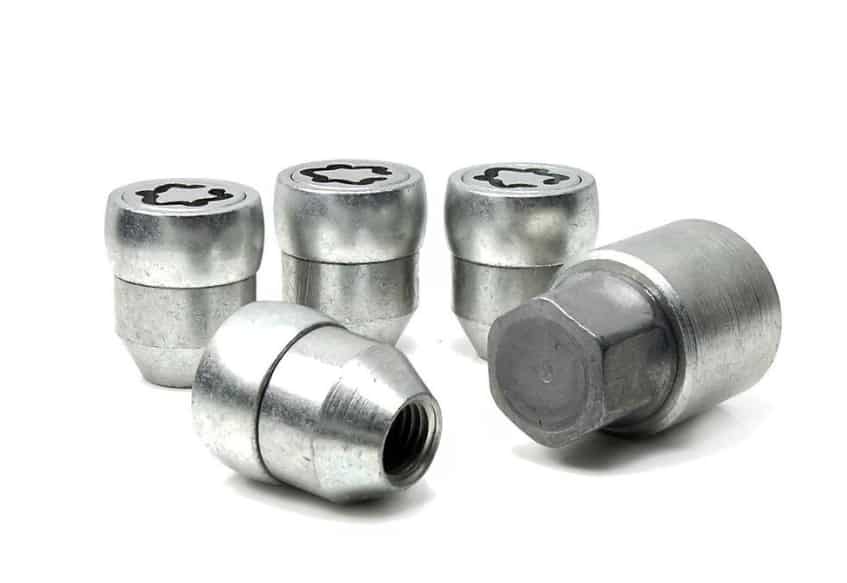
A Hyundai Wheel Lock Key is a special tool that removes locking lug nuts from Hyundai wheels. Car owners use it to secure wheels against theft. Each key matches a unique lug nut pattern. This design makes it harder for thieves to remove the wheels without permission.
Hyundai installs wheel locks on many models to increase security. The system replaces one standard lug nut on each wheel with a locking version. You need the correct key to remove or install it. Without the key, you cannot loosen the wheel safely.
The key usually comes with the car at purchase. Most drivers store it in the glove box or with the spare tire tools. Over time, many owners lose it or forget where they placed it. This creates problems when they need tire service or emergency repairs.
The Hyundai Wheel Lock Key works only with its matching pattern. A wrong key will not fit or turn the lock. This system improves security but reduces flexibility during repairs.
Understanding how this tool works helps you avoid damage. It also helps you choose the right replacement or removal method when the original key is missing.
Common Problems With Hyundai Wheel Lock Key
Hyundai drivers often face several problems with the Hyundai Wheel Lock Key during routine maintenance or emergency situations. The most common issue is a lost wheel lock key. Many drivers forget where they store it after purchase. Some leave it in the glove box or tool kit and later misplace it. When the key goes missing, the wheel becomes difficult to remove.
A second common issue is key damage. The metal part of the Hyundai Wheel Lock Key can wear down over time. Repeated use can also weaken the pattern. When the key becomes stripped or bent, it no longer fits the locking lug nut correctly. This prevents smooth removal and increases the risk of further damage.
Another frequent problem comes from using the wrong tool. Some drivers try to force a standard socket onto the locking lug nut. This action often damages the nut surface. It can also scratch or deform the wheel. In many cases, it makes the removal process more expensive and more complicated.
Rust and dirt buildup also create serious issues. Moisture from road conditions can collect around the wheel area. Over time, this buildup makes the lug nut harder to turn. In some situations, the key may get stuck or fail to rotate properly.
Used car owners face another challenge. Many second-hand Hyundai vehicles do not include the original wheel lock key. The previous owner may forget to pass it on. This leaves the new owner without a proper removal tool and creates urgent repair problems.
All of these issues can delay tire changes and emergency repairs. They can also increase the risk of wheel or lug nut damage if handled incorrectly. Understanding these common problems helps drivers choose safer and more effective solutions when dealing with Hyundai wheel lock systems.
How to Identify Your Hyundai Wheel Lock Key Type
Identifying your Hyundai Wheel Lock Key type helps you find the correct replacement and avoid wheel damage. Each Hyundai model may use a different locking pattern. You need to match the correct design before buying or ordering a new key.
The first place to check is your vehicle documents. Hyundai often includes a wheel lock code card at the time of purchase. This card contains the key pattern number. You can use this code to order a replacement from a dealer or authorized supplier.
You can also check the glove box and trunk storage area. Many drivers store the original Hyundai Wheel Lock Key with the spare tire tools. Some vehicles place it inside a small plastic case near the jack or tire kit. A careful inspection may help you locate it quickly.
If you cannot find the code or the key, you should inspect the wheel lock nut itself. Each locking lug nut has a unique pattern design. This pattern helps a dealer identify the correct key type. A clear photo of the lug nut can also help during a replacement request.
Another option is to contact a Hyundai dealership. The dealer can check your VIN number and identify the correct wheel lock key type. This method works well when you have lost both the key and the code card.
Correct identification is important because the wrong key will not fit. It can also damage the lug nut if forced. Taking time to identify the correct type helps you choose the right solution and avoid unnecessary repair costs.
Best Hyundai Wheel Lock Key Replacement Options
Choosing the right replacement for a Hyundai Wheel Lock Key depends on your situation, budget, and vehicle type. Each option offers different levels of convenience and security. Understanding these choices helps you avoid delays and extra repair costs.
The first and most reliable option is an OEM Hyundai replacement key. You can order it directly from a Hyundai dealership. The dealer uses your VIN or lock code to match the correct key pattern. This option provides high accuracy and strong compatibility with your vehicle. It also reduces the risk of damaging the wheel lock nut.
The second option is an aftermarket wheel lock key set. These sets come with multiple patterns and sizes. They offer flexibility and faster availability compared to OEM parts. However, you must ensure the set matches your Hyundai wheel lock type. Incorrect matching can lead to poor fit or damage.
A third option is a universal wheel lock removal kit. Mechanics often use this tool in emergency situations. It helps remove damaged or missing lock keys. This option works when the original key is lost completely. However, it may require professional handling to avoid wheel damage.
Some drivers also choose complete wheel lock replacement kits. These kits replace both the lug nuts and the key system. This option works well if the original system is worn or outdated.
Each option solves a different problem. OEM parts offer precision. Aftermarket kits offer flexibility. Removal kits solve emergencies. Choosing the right solution depends on how quickly you need to fix the issue and how much risk you are willing to take.
How to Remove a Hyundai Wheel Lock Without a Key
Removing a Hyundai Wheel Lock without a key is possible, but it requires caution. You should always try to avoid damaging the wheel or the lug nut. The safest approach is to use proper tools or seek professional help when needed.
The first method is to use a wheel lock removal tool kit. Mechanics often use these kits when the original Hyundai Wheel Lock Key is missing. The tool grips the locking lug nut and helps loosen it without the original pattern. This method works best when the wheel lock is not severely damaged.
Another option is to use a socket extractor set. This tool bites into the surface of the lug nut. It allows you to turn and remove the lock by force. You should use this method carefully because it can damage the lug nut surface.
If the wheel lock is rusted or stuck, you can apply penetrating oil. Spray the oil around the lug nut area and wait for a few minutes. This helps loosen dirt and rust buildup. After that, try removal again using the proper tool.
In some cases, the safest solution is to visit a professional mechanic. A workshop has specialized tools that can remove the wheel lock without damaging the rim. This option is recommended when you cannot remove the lock safely at home.
You should avoid using excessive force or incorrect tools. These actions can damage the wheel and increase repair costs. A careful approach always produces a better and safer result when dealing with Hyundai wheel lock systems.
OEM vs Aftermarket Hyundai Wheel Lock Key
Choosing between OEM and aftermarket options for a Hyundai Wheel Lock Key depends on your priorities. Each option has clear strengths and limitations. Understanding both helps you make a safer and smarter decision.
OEM Hyundai Wheel Lock Keys come directly from Hyundai or authorized dealers. These keys match your vehicle exactly using the original design and VIN information. This ensures perfect compatibility with your wheel lock system. OEM keys also reduce the risk of stripping or damaging the lug nut during removal. However, they often cost more and may take longer to order.
Aftermarket Hyundai Wheel Lock Keys are produced by third-party manufacturers. These products offer more variety and faster availability. Many aftermarket kits include multiple patterns and sizes. This gives flexibility when the original key is lost. However, compatibility is not always guaranteed. A wrong match can lead to poor fit or damage to the wheel lock.
OEM options work best for drivers who want precision and long-term reliability. They are ideal when you still have access to your VIN or lock code. Aftermarket options work better for urgent situations or budget-friendly replacements.
Another key difference is quality control. OEM products follow strict factory standards. Aftermarket products vary depending on the brand and manufacturer. Some offer high quality, while others may not perform well under pressure.
Both options solve the same problem but in different ways. OEM focuses on safety and accuracy. Aftermarket focuses on speed and flexibility. Your choice depends on how quickly you need a solution and how much risk you are willing to accept.
How to Prevent Losing Your Hyundai Wheel Lock Key
Preventing the loss of your Hyundai Wheel Lock Key helps you avoid stress and unexpected repair problems. Many drivers only realize its importance when they need to change a tire. A few simple habits can save time and money.
The first step is to store the key in a fixed location. You should place it with your spare tire tools or inside a dedicated storage box in your trunk. Avoid moving it around the vehicle. A consistent location makes it easier to find when needed.
You can also label the storage area. A clear label helps you remember where the Hyundai Wheel Lock Key is kept. This reduces the chance of forgetting or misplacing it during regular maintenance.
Another effective method is to create a duplicate key. Some Hyundai owners order a spare wheel lock key from a dealer or supplier. Keeping a backup key at home provides a safe fallback option in emergencies.
Regular vehicle checks also help. When you inspect your tire tools or perform maintenance, check the wheel lock key at the same time. This habit keeps you aware of its location and condition.
You should also avoid leaving the key inside the wheel area after use. Some drivers forget it during tire service. Always return it to its storage place immediately after removal.
These simple actions reduce the risk of losing the key. They also help you stay prepared for emergencies. A well-organized system ensures you can handle wheel lock situations quickly and safely.
Conclusion
The Hyundai Wheel Lock Key plays an important role in protecting your wheels from theft. It also becomes a critical tool when you need to remove or replace a tire. Problems appear when the key is lost, damaged, or unavailable during emergencies.
This guide explained how the system works and why it matters. You also learned the most common issues drivers face, including missing keys, worn-out patterns, and incorrect tool usage. Each of these problems can delay repairs and increase costs if not handled correctly.
You now understand the best replacement options for a Hyundai Wheel Lock Key. OEM solutions offer precision and reliability. Aftermarket kits provide flexibility and faster access. Emergency removal tools help when no key is available. Each option serves a different need depending on your situation.
Simple prevention habits can also make a big difference. Proper storage, duplicate keys, and regular checks help you avoid losing the key in the first place. These small steps reduce stress and improve safety during tire maintenance.
If you are currently facing a missing or damaged Hyundai Wheel Lock Key, take action quickly. Choose the right solution based on your urgency and vehicle condition. The right approach will help you avoid wheel damage and unnecessary repair costs while keeping your vehicle safe and ready to use.