You return to your car after a long day, insert the key, and suddenly realize something feels wrong. The steering wheel barely moves. The key refuses to turn. The car does not start. Within seconds, frustration and panic begin to build. Many drivers immediately assume the worst. Thoughts of costly repairs, ignition failures, or major mechanical problems start running through their minds.
This situation happens more often than people realize. A locked steering wheel can feel like a serious breakdown, especially when you are in a hurry, stuck in a parking lot, or already dealing with a stressful day. The fear of making things worse often adds another layer of anxiety. Some drivers force the key, aggressively pull the wheel, or assume they need a tow truck right away. Unfortunately, these reactions can sometimes create expensive damage that could have been avoided.
The truth is much simpler in many cases. Steering wheel locks are built into vehicles as a security feature designed to protect against theft. Understanding how steering wheel locks work and why they activate can help you avoid panic, identify normal behavior, and recognize when a locked steering wheel may actually signal a larger problem. A little knowledge can save time, money, and unnecessary stress.
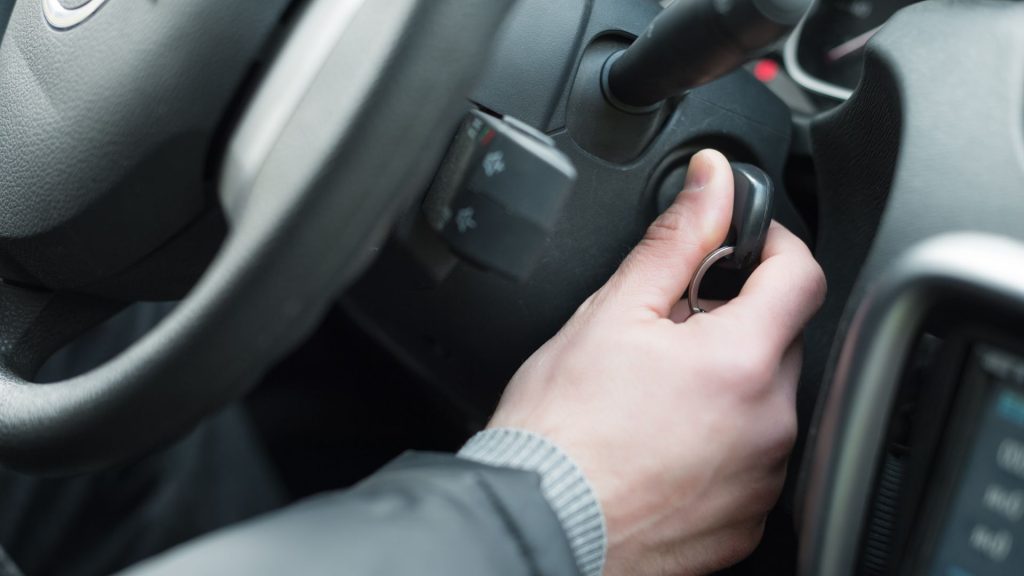
What Is a Steering Wheel Lock?
A steering wheel lock is a built in security feature designed to prevent unauthorized vehicle movement. Its primary purpose is simple. It stops the steering wheel from turning when the correct key or authentication system is not being used. Automakers introduced this mechanism as an anti theft measure because stealing a vehicle becomes significantly harder when the steering system cannot rotate freely.
Many drivers first encounter this feature unexpectedly. They park their vehicle, remove the key, return later, and discover that the steering wheel suddenly feels stuck. Because it often happens without warning, people frequently mistake it for a mechanical failure. In reality, the system is usually doing exactly what it was designed to do.
Traditional steering wheel lock systems rely on a mechanical setup connected to the steering column and ignition cylinder. When the key is removed and the wheel shifts slightly, a locking pin engages and prevents steering movement. Newer vehicles may use electronic steering lock systems integrated with push button start technology and security modules.
While the technology varies between manufacturers, the goal remains the same. The system creates an additional barrier against theft. Even if someone gains access to the vehicle interior, driving away becomes difficult without disabling the steering lock mechanism.
Understanding this basic concept matters because many people panic unnecessarily. A locked steering wheel does not always indicate damage or failure. Sometimes your car is simply protecting itself exactly as intended.
How Steering Wheel Locks Actually Work
To understand why steering wheel locks activate, it helps to understand the mechanics happening behind the scenes. Although many drivers never think about the steering column until something goes wrong, several components work together every time the vehicle is turned off.
Inside the steering system, there is typically a locking pin connected to the ignition assembly. Once the key is removed or the electronic system detects vehicle shutdown, the steering mechanism enters a ready state. If the steering wheel rotates slightly afterward, the locking pin can slide into a designated slot within the steering column.
Once engaged, the wheel becomes restricted. Drivers often notice that the steering wheel moves only a small amount before stopping completely. This limited movement is normal and often creates confusion because it feels like something is jammed.
Imagine parking your vehicle with the wheels turned sharply toward a curb. After removing the key, you accidentally place pressure on the steering wheel while exiting. That small movement may be enough to trigger the locking mechanism. The next time you return, the wheel appears stuck even though the anti theft feature is operating normally.
Modern vehicles may replace traditional mechanical systems with electronic steering locks. Sensors and control modules determine when locking occurs. Although technology has evolved, the core principle remains unchanged. The vehicle restricts steering movement when proper authorization is absent.
Why Steering Wheel Locks Activate
Steering wheel locks activate for several reasons, and most of them are entirely normal. The most common cause is theft prevention. Vehicle manufacturers designed the system to create an extra layer of protection beyond door locks and alarms.
One of the most frequent situations occurs after a driver removes the key and unintentionally turns the steering wheel afterward. Even slight movement can engage the locking mechanism. Many people do not realize they touched the wheel while getting out of the vehicle, making the lock feel random when they return.
Parking conditions can also play a role. Drivers often leave their wheels angled when parking on hills or uneven roads. Pressure from tire position and vehicle weight may place tension on steering components. Under these circumstances, steering wheel locks can engage more firmly and feel more difficult to release later.
Electronic steering systems introduce additional triggers. Vehicles with push button start systems rely on sensors, battery power, and communication modules. If the system detects vehicle shutdown or security activation, electronic steering locks may engage automatically.
Accidental driver behavior contributes as well. Pulling on the steering wheel while entering or exiting the vehicle, placing heavy pressure on it, or moving it after turning off the engine can all trigger activation.
Understanding these causes helps drivers avoid unnecessary stress. In many situations, a locked steering wheel is not warning you about an expensive repair. It is simply responding exactly as engineers intended.
Common Signs Your Steering Wheel Lock Is Activated
A steering wheel lock can be confusing because many symptoms closely resemble actual vehicle problems. Drivers often assume something serious has happened when the issue is simply a normal security function doing its job. Recognizing the signs can help prevent unnecessary panic and avoid costly mistakes.
One of the most obvious indicators is limited steering wheel movement. The wheel may shift slightly to the left or right but quickly stop after moving only a short distance. This restricted motion often feels unnatural and may create the impression that something inside the steering column has broken.
Another common sign appears when the key refuses to turn in the ignition. Many drivers immediately suspect a damaged key or ignition failure. In reality, tension created by the steering lock can place pressure on internal components, temporarily preventing smooth key movement.
Vehicles equipped with push button start systems may show different symptoms. Drivers might press the start button repeatedly and notice no response at all. Some models display warning messages or dashboard indicators related to steering or security systems.
The vehicle refusing to start can also cause confusion. People often suspect battery failure, starter issues, or engine trouble. Although those problems are possible, a locked steering wheel may be the actual reason.
The key difference lies in the overall behavior. A normal steering wheel lock usually appears suddenly and without additional warning signs. Grinding noises, repeated electrical failures, or persistent dashboard errors may indicate a larger issue beyond a simple steering lock activation.
When a Locked Steering Wheel Signals a Bigger Problem
Although steering wheel locks are usually harmless security features, there are situations where they may indicate something more serious. If the problem happens repeatedly or becomes increasingly difficult to resolve, underlying mechanical or electrical issues may be developing.
One common cause involves a worn ignition cylinder. Over time, constant key use can wear internal components. As the mechanism ages, the key may stop aligning properly with the ignition system. Drivers may notice increasing resistance, difficulty inserting the key, or occasional failures before complete malfunction occurs.
Battery issues can also contribute, especially in vehicles using electronic steering lock systems. Modern cars rely heavily on electronic communication. A weak or dead battery may interrupt system operation and prevent proper unlocking procedures.
Damaged or worn keys create another potential issue. Keys naturally experience wear after years of use. Bent edges, worn grooves, or internal chip damage can interfere with proper communication between the key and vehicle systems.
Electronic steering modules may fail as vehicles age. Sensors and control units occasionally develop faults that create inconsistent behavior. Drivers might notice intermittent warning lights, delayed responses, or random steering lock activation.
Steering column damage can represent a more expensive concern. Internal mechanical wear, impact damage, or previous repair problems can affect proper operation.
Many drivers accidentally worsen these situations through frustration. Forcing the key, violently pulling the wheel, or repeatedly attempting to start the vehicle can increase repair costs. What begins as a small issue can become an expensive service appointment if handled incorrectly.
Tips to Avoid Steering Wheel Lock Problems
While steering wheel locks are designed to protect your vehicle, a few simple habits can reduce the chance of unexpected frustration. Prevention often comes down to understanding how the system behaves and avoiding actions that accidentally trigger activation.
One of the easiest habits involves avoiding unnecessary steering movement after turning off the engine. Many drivers instinctively grab the wheel while exiting the vehicle. Even slight pressure can activate the locking mechanism without them realizing it.
Pay attention to wheel position when parking. Leaving the wheels turned sharply while parked on hills or uneven surfaces can increase steering tension. Parking with the wheels in a more neutral position may reduce stress on steering components.
Regularly inspect your key condition if your vehicle uses a traditional ignition system. Worn keys may continue functioning for a while before problems become noticeable. Replacing a damaged key early can prevent ignition and steering complications later.
Battery maintenance is especially important for modern vehicles using electronic steering locks. Weak batteries can create strange electrical behavior long before complete failure occurs. Unexpected dashboard warnings or delayed starting performance may signal developing issues.
Routine maintenance also matters. Ignition systems, steering components, and electronic modules experience wear over time. Addressing small symptoms early often prevents larger repairs later.
Most importantly, stay calm if the steering wheel locks unexpectedly. Understanding how steering wheel locks work and why they activate removes much of the stress. Knowledge often turns what feels like a major breakdown into a simple and manageable situation.
Conclusion
Steering wheel locks often create unnecessary panic because they appear suddenly and usually happen at the most inconvenient moments. One minute your vehicle seems perfectly normal, and the next minute the steering wheel feels stuck and the car refuses to cooperate. For drivers who do not understand the system, it can easily feel like the beginning of a major mechanical problem.
The good news is that, in many situations, a steering wheel lock is simply doing exactly what it was designed to do. It serves as an anti theft feature that adds another layer of protection to your vehicle. By understanding how steering wheel locks work and why they activate, drivers can respond more confidently and avoid actions that may accidentally create expensive damage.
Learning the difference between normal steering lock behavior and signs of genuine mechanical issues can save both time and money. Small habits such as avoiding unnecessary wheel movement after shutting off the engine, maintaining your ignition system, and paying attention to warning signs can help prevent frustration in the future.
Have you ever experienced a steering wheel lock problem before? Did it turn out to be a simple security feature or something more serious? Share your experience and insights in the comments. Your story may help another driver avoid confusion and stress when facing the same situation.